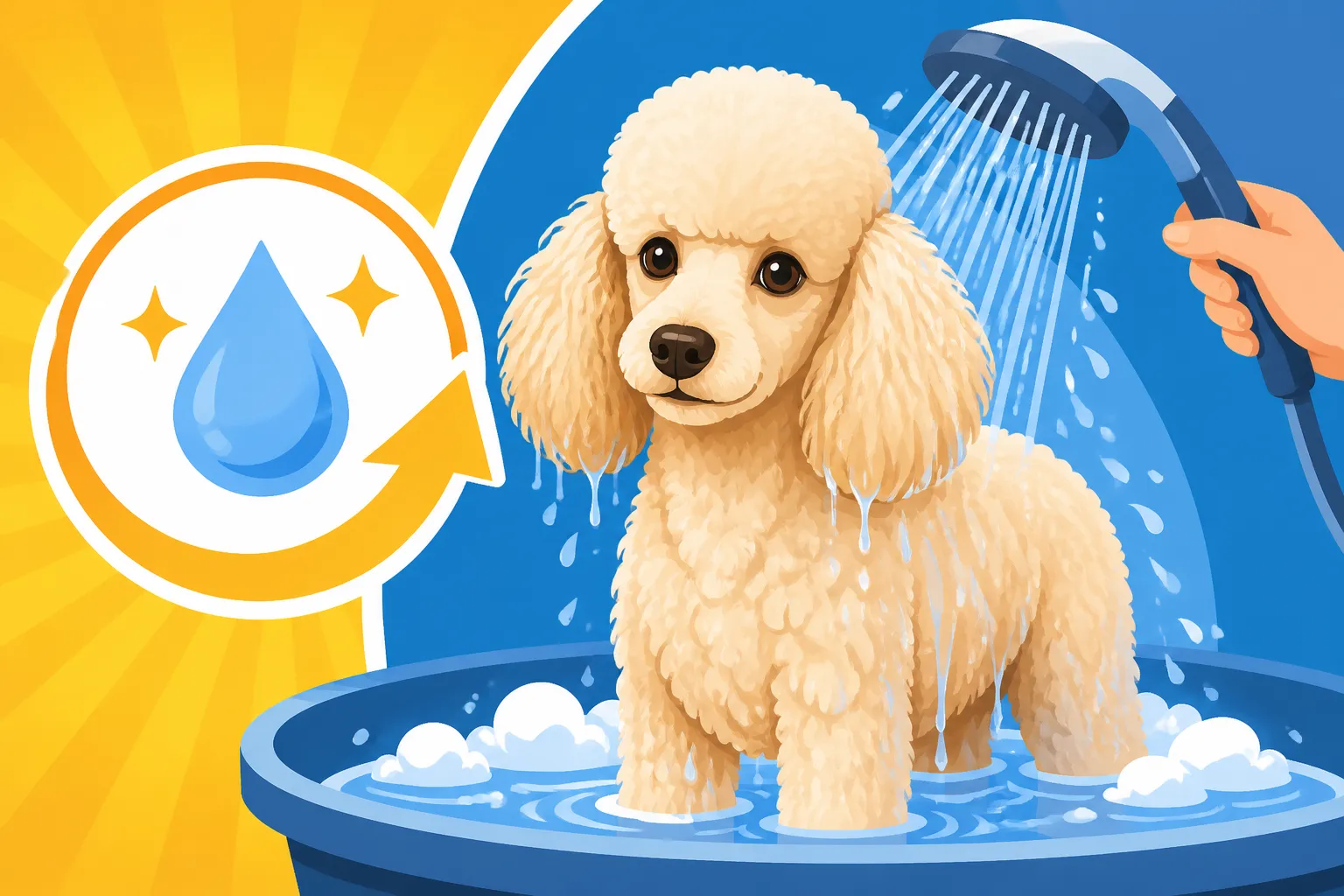
Rinsing Chlorine From a Poodle Coat
There’s nothing quite like watching your Poodle, with all their boundless energy and grace, take a joyful plunge into a pool or a lake on a hot day. The sheer delight they get from splashing and swimming is infectious! But for us Poodle owners, that post-swim moment often comes with a knot of worry: what about that magnificent, signature coat? Specifically, how do we tackle the sneaky, damaging effects of chlorine? This guide is all about giving you the best strategies to protect your Poodle’s coat from chlorine, from preventative steps to a thorough rinsing routine, ensuring their hair stays soft, healthy, and vibrant.
The Sneaky Saboteur: Why Chlorine Is Bad for Your Poodle's Coat
We all know chlorine keeps swimming pools clean, but what it does to human hair, it does even more aggressively to a Poodle's unique coat. Unlike many breeds with a fur coat that sheds, Poodles have hair that grows continuously, much like human hair. This is what makes them so desirable for allergy sufferers, but it also means their coat is highly susceptible to chemical damage. Understanding why chlorine is so detrimental is the first step in protecting your precious Poodle.
Stripping Natural Oils and Moisture
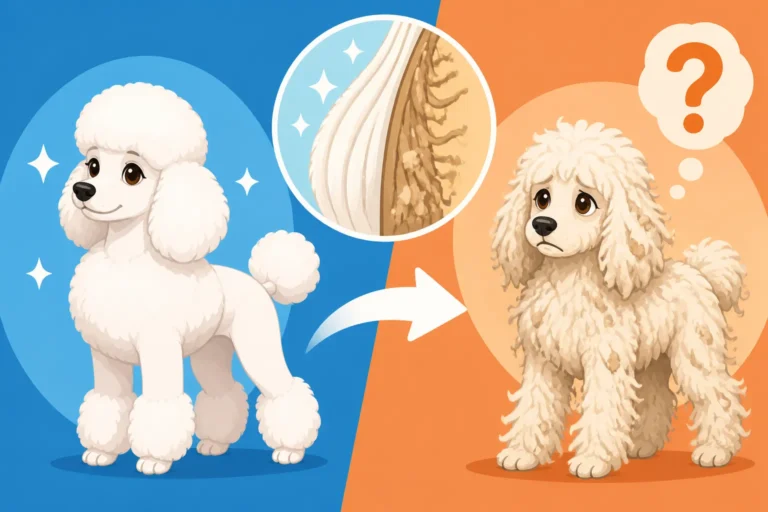
Imagine your Poodle's hair strand as having a protective outer layer, called the cuticle. In a healthy coat, these cuticles lie flat, reflecting light and keeping moisture locked in. Chlorine is a harsh chemical designed to kill bacteria, and in doing so, it's also incredibly efficient at stripping away the natural oils (sebum) that coat each hair shaft. These natural oils are your Poodle's first line of defense against dryness and damage.
When these oils are gone, the cuticle layers lift, much like shingles coming off a roof. This process leaves the hair porous and vulnerable. It can no longer retain moisture effectively, leading to significant dryness and brittleness. You might notice their usually soft curls feeling rough or straw-like after a swim if not properly cared for. This isn't just an aesthetic problem; chronic dryness weakens the hair, making it prone to breakage. It's a frustrating cycle where the more they swim without proper care, the worse the coat becomes.
The Dreaded Green Tint and Color Fading
Ah, the infamous green tint! While often associated with blonde human hair, it absolutely happens to Poodles too, especially those with lighter coats like cream, apricot, or white. This isn't the chlorine itself turning the hair green. Instead, it's a chemical reaction. Pool water often contains dissolved copper, either from algaecides or corroding pipes. When chlorine oxidizes this copper, the copper then binds to the porous, damaged hair shaft. The result? A decidedly un-Poodle-like greenish hue that can be surprisingly stubborn to remove.
Even for Poodles with darker coats, chlorine exposure can lead to color fading. The chemical can break down the pigments within the hair, dulling a rich black, brown, or red over time. What once was a vibrant, deep hue can become faded and lackluster, losing that beautiful depth we adore in a Poodle coat. This is particularly heartbreaking for owners who cherish their Poodle's specific color.
Increased Risk of Matting and Skin Irritation
When the cuticle layers are lifted and the hair becomes dry and brittle, it's a recipe for disaster when it comes to matting. Damaged hair doesn't glide past other strands smoothly; instead, it catches and tangles easily, forming tight, painful mats that are incredibly difficult to brush out. Even a short swim can turn into a serious grooming headache, especially in high-friction areas like behind the ears, armpits, and under the collar. Many owners have been surprised by how quickly a seemingly minor swim leads to a professional groomer needing to shave a matted section. We all know how much work goes into Brushing a Poodle to the Skin, and chlorine can undo that hard work in a flash.
Beyond the coat itself, chlorine can also irritate your Poodle's sensitive skin. The same drying effect that harms the hair can lead to dry, itchy, flaky skin underneath the coat. Some Poodles might even develop rashes or hotspots, particularly if the chlorine isn't thoroughly rinsed off. This discomfort can lead to excessive scratching, which further damages the skin and coat. It's a constant battle to keep their skin healthy, and chlorine is definitely not on our side.
Pre-Swim Protection: Preparing Your Poodle's Coat
Prevention is always better than cure, especially when it comes to your Poodle's coat and chlorine. Taking a few proactive steps before your Poodle even dips a paw in the water can make a world of difference in mitigating damage. Think of it as putting on a protective suit for their hair.
The Power of Pre-Wetting
This is perhaps the simplest, yet most effective, preventative measure you can take. Before your Poodle gets into the pool, thoroughly wet their coat with clean, fresh water. You can use a hose, a shower, or even pour buckets of water over them. The science behind this is straightforward: hair, much like a sponge, can only absorb so much liquid. If your Poodle's hair is already saturated with clean water, it will absorb significantly less chlorinated water.
This minimizes the amount of chlorine that penetrates the hair shaft, reducing its drying and damaging effects. It's especially crucial for those longer areas, like the ears and tail, or if your Poodle has a luscious Poodle topknot. Don't just dampen it; aim for a full drenching, ensuring every strand is thoroughly wet. This acts as a protective barrier, essentially filling the hair with something benign before it can soak up something harmful.
Conditioning Sprays and Leave-In Treatments
For an extra layer of defense, consider applying a leave-in conditioner or a protective spray specifically designed for dogs (or even human swimmers, if you're sure it's dog-safe). These products create a physical barrier on the hair shaft, further preventing chlorine from binding to and stripping the natural oils. Look for ingredients like silicone, natural oils (like coconut or argan oil), or proteins that help coat the hair.
You can typically find a good range of these protective sprays on Amazon or through specialty pet retailers. Apply it generously, focusing on the areas that are most exposed or prone to damage, like the body, legs, and tail. Gently brush it through to ensure even distribution. This step is particularly beneficial for Poodles with finer coats or those whose hair tends to dry out quickly, adding that much-needed shield against the harsh pool chemicals. It's an investment in their coat health that truly pays off in the long run.
Avoiding Certain Hair Products Before Swimming
Just as some products protect, others can inadvertently make the situation worse. Avoid using heavy, oil-based products or any styling products that aren't specifically designed to be rinsed out easily before swimming. These can actually trap chlorine and other pool chemicals against the hair, leading to prolonged exposure and more severe damage.
Similarly, be mindful of any color-enhancing shampoos or conditioners you might be using. While wonderful for maintaining vibrant tones, these can sometimes react unexpectedly with chlorine, exacerbating color changes rather than protecting against them. Stick to simple, water-based conditioning sprays or just pure water for pre-swim protection. Your goal is to create a barrier without adding anything that could potentially react with the pool water.
Post-Swim Ritual: Rinsing Chlorine from the Coat
Once the swimming fun is over, the real work begins. The post-swim rinse is arguably the most critical step in chlorine damage prevention. It's not just a quick hose-down; it's a methodical process that ensures every trace of chlorine is removed and moisture is restored. Treat it like a spa treatment for your Poodle!
Immediate and Thorough Rinse with Fresh Water
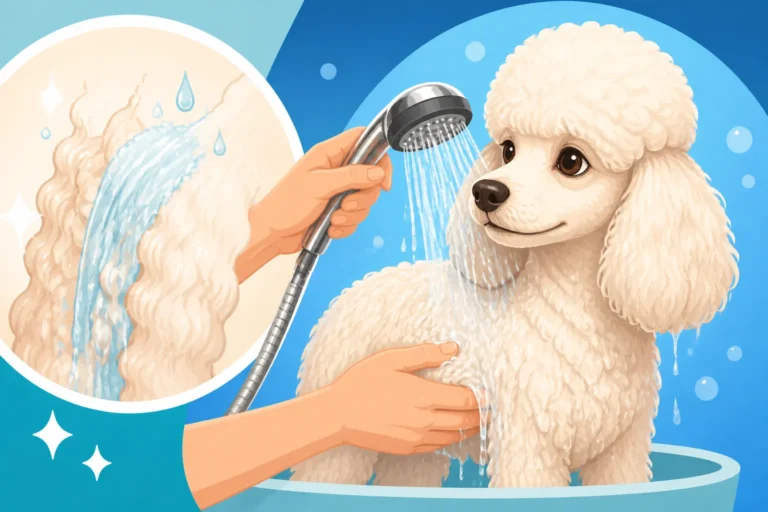
The very first thing you need to do, as soon as your Poodle exits the pool, is to give them a thorough rinse with clean, fresh water. The sooner, the better. Don't wait until you get home if you're at a friend's house or a dog park with a pool. This immediate rinse helps to wash away the majority of the surface chlorine and pool chemicals before they have a chance to deeply penetrate the hair shaft and skin.
Use a shower head or a hose with good water pressure to ensure the water reaches all the way to the skin. Pay special attention to their underbelly, legs, tail, and especially their ears, which are prone to trapping moisture and chemicals. For Poodles, their drop ears can hold water and chlorine, potentially leading to discomfort or Ear Infections Under a Poodle's Drop Ears if not properly rinsed and dried. Just like with pre-wetting, ensure every part of their coat is drenched and the water runs clear.
The Double Cleanse: Clarifying and Moisturizing Shampoos
After the initial rinse, it's time for a proper bath. This is where you really get down to business. I recommend a "double cleanse" approach for optimal results:
- Clarifying Shampoo: Start with a high-quality clarifying or chelating shampoo. These shampoos are specifically formulated to remove mineral deposits (like copper, which causes the green tint) and chemical residues, including chlorine, from the hair. Lather it up well, working it into every part of the coat, ensuring it reaches the skin. Let it sit for a few minutes (check the product instructions) to allow it to do its job. Rinse thoroughly until no suds remain and the water runs clear. You can find excellent options on Chewy or pet supply stores.
- Moisturizing Shampoo: After clarifying, follow up with a gentle, moisturizing shampoo. The clarifying shampoo is powerful, but it can also be a bit drying. The moisturizing shampoo will help restore some of the hydration stripped away by the chlorine and the clarifying wash. Look for ingredients like aloe vera, oatmeal, or natural oils that nourish the skin and coat. Again, lather, let it sit briefly, and rinse meticulously. Rinsing is key for a Poodle's coat; any leftover product can cause irritation or attract dirt, leading to mats.
| Shampoo Type | Purpose | When to Use | Key Benefit |
|---|---|---|---|
| Clarifying | Removes chlorine, minerals, product buildup | Immediately after swimming, every few weeks | Deep clean, prevents green tint |
| Moisturizing | Replenishes hydration, soothes skin | After clarifying shampoo, regular baths | Restores softness, promotes coat health |
| Deshedding (N/A) | Reduces shedding | Not suitable for Poodles, who do not shed fur | (Not applicable for Poodle coats) |
| Hypoallergenic | Gentle on sensitive skin | For Poodles with allergies or skin sensitivities | Minimizes irritation, fragrance-free often |
Deep Conditioning Treatment
After shampooing, a deep conditioning treatment is non-negotiable for a Poodle who loves to swim. Their hair needs serious hydration to combat the drying effects of chlorine. Apply a rich, leave-in or rinse-out conditioner generously, working it through the entire coat, from root to tip. For extra penetration, you can even gently wrap your Poodle in a towel for 5-10 minutes (if they tolerate it) before rinsing.
The conditioner will help to smooth down the lifted cuticles, lock in moisture, and restore the natural elasticity and shine of their hair. This step is crucial for preventing breakage and maintaining that soft, luxurious Poodle texture. When rinsing the conditioner, be just as thorough as with the shampoo. Any residue can weigh down the coat and potentially cause skin issues. Many Poodle owners swear by specific professional grooming conditioners you can find online.
Drying Properly to Prevent Matting
Once your Poodle is thoroughly rinsed, proper drying is essential. Allowing a Poodle's coat to air dry naturally after a bath, especially if it's been exposed to chlorine, is a recipe for matting. The curls will constrict as they dry, pulling the hair into tight knots.
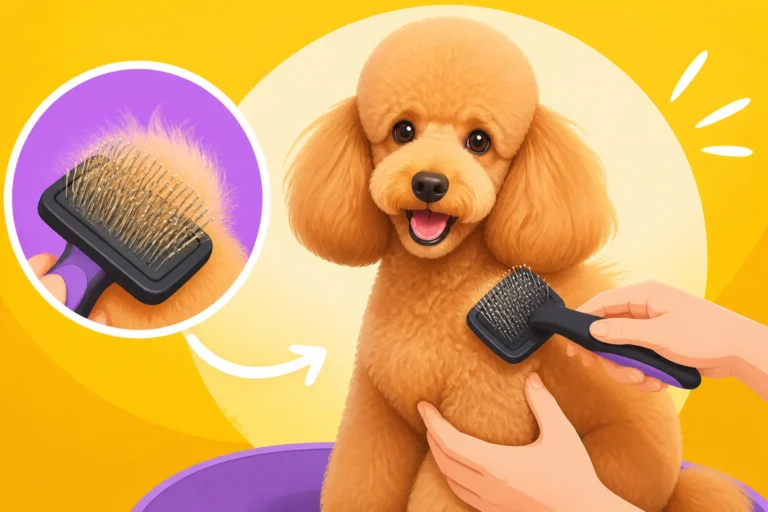
Instead, towel-dry your Poodle gently, blotting rather than rubbing, which can create tangles. Then, use a high-velocity dryer (if your Poodle is accustomed to one) or a warm, not hot, blow dryer on a low setting. Always brush while drying, using a slicker brush and a greyhound comb to ensure you're getting all the way to the skin. This "line brushing" technique is vital to straighten the hair and prevent mats from forming as it dries. Refer to our guide on Drying a Poodle Straight for detailed steps. Ensure your Poodle is 100% dry, especially in dense areas, before letting them run free. Damp hair is prime territory for matting.
Restorative Care for Chlorine-Exposed Coats
Despite our best efforts, sometimes a Poodle's coat might still show signs of chlorine damage, especially if they're frequent swimmers or if the pool chemicals were particularly harsh. Don't despair! There are still steps you can take to help restore their coat's health and vitality. It might take time and consistency, but that beautiful Poodle coat is worth it.
Regular Deep Conditioning and Leave-In Sprays
If your Poodle's coat feels consistently dry, brittle, or coarse, incorporate regular deep conditioning treatments into their routine, not just after swimming. Once a week, apply a high-quality deep conditioner and allow it to sit for 10-15 minutes before rinsing. These treatments are formulated with intensive moisturizing agents that can penetrate deeper into the hair shaft, helping to repair damage and replenish lost moisture.
Between baths, consider using a daily leave-in conditioning spray or a light coat oil. These products provide continuous hydration and protection against environmental factors. Spritz them on lightly and brush through the coat to distribute evenly. This can help keep the hair supple and prevent further breakage. Regular use can gradually improve the texture and resilience of the coat over time.
Nutritional Support for a Healthy Coat
A healthy coat starts from within. Ensure your Poodle is on a high-quality, balanced diet rich in essential fatty acids, particularly Omega-3 and Omega-6. These fatty acids are crucial for skin and coat health, promoting the production of natural oils and reducing inflammation. Ingredients like fish oil, flaxseed, and certain vegetable oils are excellent sources.
Some Poodle owners opt for supplements, such as fish oil capsules or a specialized skin and coat supplement. Discuss this with your veterinarian to ensure it's appropriate for your Poodle's specific needs. A diet that supports skin and coat health can help their body produce stronger, more resilient hair that is better able to withstand external stressors like chlorine. Companies like Ollie offer fresh food options that prioritize high-quality ingredients, which can be beneficial for overall coat health.
Professional Grooming Interventions
If your Poodle's coat is severely damaged, matted, or has a stubborn green tint, don't hesitate to consult a professional Poodle groomer. They have access to specialized products and techniques that can often do wonders. For instance, they might use stronger chelating treatments to remove heavy mineral buildup or apply intensive conditioning masks.
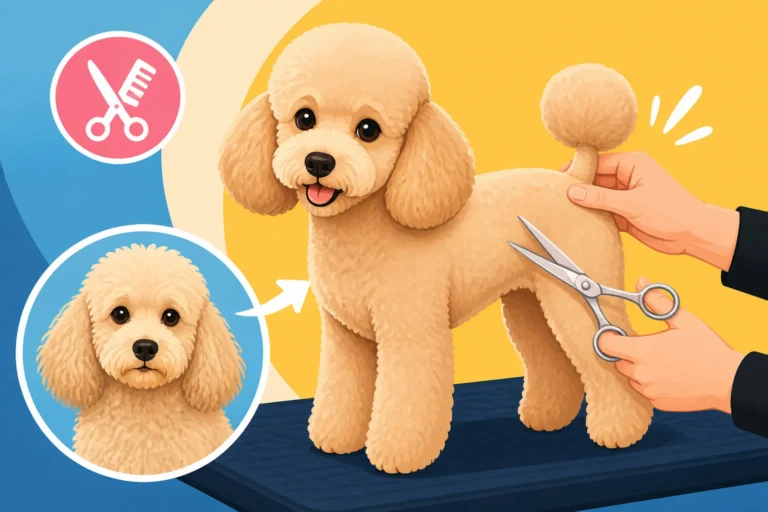
In some cases, if the damage is extensive or the matting is severe, a groomer might recommend a shorter clip to remove the damaged hair and allow a fresh, healthy coat to grow in. While it might be hard to see your Poodle's long coat go, sometimes a fresh start is the kindest and most effective solution. Discussing options with a groomer who understands Poodle coats can provide tailored advice and a plan to get their coat back on track. This can also be a good opportunity to learn about What a Continental Poodle Clip Costs to Keep or other practical clips that might be easier to manage with a swimming Poodle.
Managing Environmental Factors Beyond Chlorine
Remember that chlorine isn't the only thing that can challenge your Poodle's coat. Sun exposure can also dry out and damage hair, especially after it's been weakened by chlorine. If your Poodle spends a lot of time outdoors, consider sun protection. This could be a light, breathable coat designed for dogs or ensuring they have plenty of shaded areas to rest in.
Additionally, factors like humidity (or lack thereof), harsh grooming tools, or even friction from collars and harnesses can contribute to coat damage. Ensure you're using appropriate brushes and combs that glide through their unique hair type. Regular, gentle brushing is paramount to prevent tangles and distribute natural oils, especially after they've been swimming. By managing all these environmental factors, you create a holistic approach to maintaining your Poodle's spectacular coat.
Disclaimer
This article is for general informational purposes only and does not constitute professional advice. Laws, prices and regulations vary by location and change over time. Consult a qualified professional for guidance on your specific situation.