The Poodle’s Retrieving Instinct
It can be incredibly frustrating when you throw a ball for your smart, eager Poodle, only for them to chase it, pick it up, and then proceed to play keep-away or drop it just out of reach. We all want that satisfying moment where our dog brings the item right back to hand. This comprehensive guide will delve into the Poodle's innate retrieving instinct, its origins, and how you can harness it to build a strong, joyful bond and a reliable retrieve with your beloved companion.
Understanding the Poodle's Hunting Heritage
Before the fancy clips and show rings, Poodles were rugged working dogs, bred for a very specific and demanding job. Their retrieving instinct isn't just a cute quirk; it's deeply ingrained in their genetic makeup, a remnant of their original purpose as highly efficient waterfowl retrievers. Understanding this history helps us appreciate why they do what they do, and how we can best work with their natural drives.
From Waterfowl Hunter to Companion Dog
The name "Poodle" itself comes from the German word "Pudel," which means "to splash" or "puddle," a clear nod to their aquatic prowess. These dogs weren't delicate lapdogs; they were hardy, intelligent, and strong swimmers, tasked with plunging into icy waters to retrieve downed ducks and other game birds for hunters. Imagine a chilly marshland, a bird falling from the sky, and your Poodle, with its dense, water-resistant coat, eagerly bounding through reeds and water to bring it back. This was their life, day in and day out.
This historical role demanded not just a strong desire to fetch, but also immense intelligence, focus, and a keen ability to work collaboratively with their human partners. They needed to mark where the bird fell, navigate challenging terrain, retrieve the bird gently without damaging it, and then return it reliably to the hunter's hand. These are the very traits we still see in our modern Poodles, even if their "game" is now a tennis ball in the park. The transition from working dog to cherished companion has been a long one, but the core instincts remain. The Water Dog Behind the Poodle really lays out this fascinating history.
The Genetic Roots of the Retrieve
The drive to retrieve is not a learned trick; it’s a hardwired behavioral sequence, a chain of instincts that starts with finding an object, pursuing it, picking it up, and bringing it back. In Poodles, this chain is particularly strong, honed over centuries of selective breeding for a specific working function. Their ancestors who excelled at retrieving were the ones chosen to breed, reinforcing this trait with each generation. This means that your Poodle, whether a tiny Toy or a majestic Standard, carries the blueprint for retrieval within them.
Think of it like a puzzle. Each piece – the urge to chase, the softness of mouth to carry an object, the desire to return to the handler – fits together perfectly. While environmental factors and training certainly shape how this instinct manifests, the fundamental predisposition is always there. It’s why even an untrained Poodle puppy will often instinctively grab a dropped item and run off with it, even if they haven't quite figured out the "return to hand" part yet. Their clever minds are already trying to solve the problem of what to do with the object.
How the Coat and Build Supported the Work
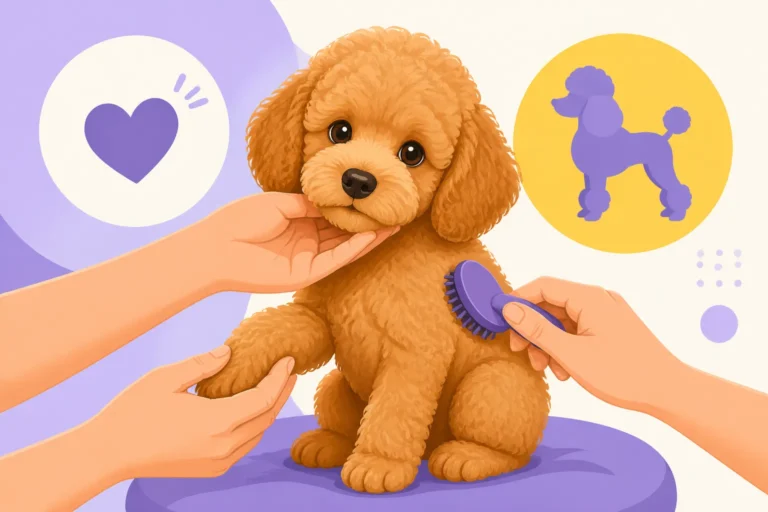
Beyond their keen minds and retrieving drive, the Poodle's physical attributes were perfectly adapted for their original job. Their dense, curly coat, often described as hair rather than fur, is virtually waterproof and provides excellent insulation against cold water. This characteristic coat, which never stops growing, was historically kept longer over vital organs and joints to protect them from the cold, while areas like the hindquarters and face were shaved for greater mobility and hygiene. This unique clipping style, often seen in the traditional "Continental" or "Lion" clip, was not just for aesthetics; it was a practical uniform for a working dog. Why the Poodle Clip Was a Working Design explains how functional those distinct shaved patterns truly were.
Their athletic build, strong legs, and webbed feet also made them exceptional swimmers and runners, capable of traversing various terrains quickly. A deep chest provided ample lung capacity for sustained activity, and a strong jaw, while powerful, was also capable of a "soft mouth" – carrying delicate game birds without crushing them. All these physical traits supported and complemented their intrinsic retrieving instinct, making them truly specialized water dogs. It’s a wonderful reminder of their heritage when you see your Poodle gracefully move, or dive enthusiastically into a pond.
The Manifestation of Retrieving Instinct in Modern Poodles
Even though most Poodles today are cherished family members rather than hunting partners, their retrieving instinct is still very much alive. It might show up in subtle ways or become a dominant part of their personality, delighting their owners with their enthusiasm and dedication. Recognizing these signs helps us understand and channel their natural behaviors positively.
Natural Tendencies in Poodle Puppies
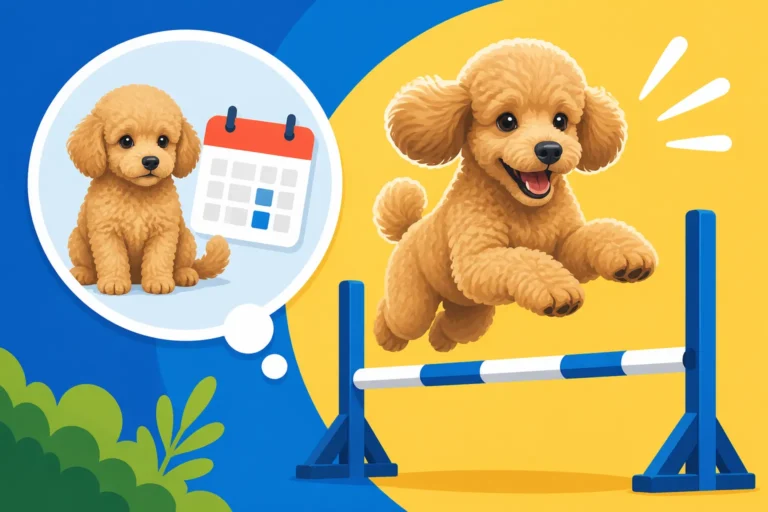
From a very young age, Poodle puppies often show glimpses of their retrieving heritage. You might notice your puppy picking up a toy and carrying it around proudly, or attempting to "fetch" a dropped sock. They might instinctively bring a toy to you, drop it, and then look at you expectantly, perhaps even nudging it with their nose. This isn't just random play; it's the nascent retrieving instinct bubbling to the surface.
Encouraging these early behaviors is key. If your puppy brings you something, praise them enthusiastically and engage in a short play session. Don't pressure them, but make it a fun, rewarding experience. Even if they don't bring it all the way back to your hand at first, celebrate the effort. These early interactions lay the groundwork for a lifelong love of retrieval and strengthen your bond. Remember, a young Poodle's brain is a sponge, and these foundational experiences are priceless. The Age a Poodle Puppy Starts Learning and What a Poodle Puppy Should Meet by Sixteen Weeks offer great insights into their early development.
Object Fixation and Carrying Behavior
Beyond simply bringing objects back, many Poodles exhibit a strong "object fixation" and enjoy carrying things around. This could be anything from their favorite squeaky toy to a misplaced slipper, or even a leaf they find on a walk. They often parade with their treasures, sometimes dropping them at your feet, other times simply moving them from one spot to another. This carrying behavior is another manifestation of their natural retrieving drive. They are performing a part of the retrieving sequence, even if the "delivery to hand" part isn't explicitly there.
For some Poodles, this becomes a job: they might greet you at the door with a toy every time you come home, or bring you various items when they want attention. This isn't just cute; it's their way of engaging with their innate drive. Providing appropriate toys and opportunities for them to carry things can satisfy this urge. Ensure these items are safe and non-toxic. Investing in a variety of durable toys, perhaps from a reputable online store like Amazon, can provide endless opportunities for this natural carrying behavior.
The Desire to "Please" in a Retrieve
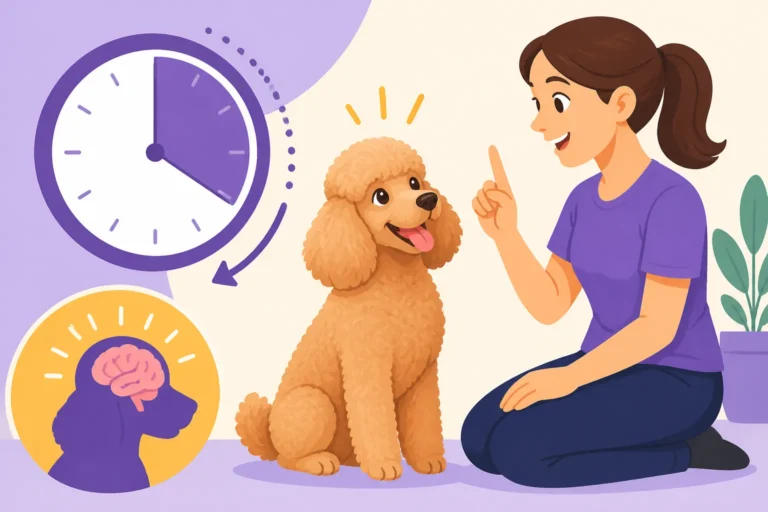
Poodles are renowned for their intelligence and their eager-to-please nature. This combination makes them highly trainable and often very motivated to work with their owners. When it comes to retrieving, this desire to please is a powerful asset. They often seem to genuinely enjoy the interaction, the praise, and the reward that comes from a successful retrieve. It's not just about getting the object; it's about the shared experience with you.
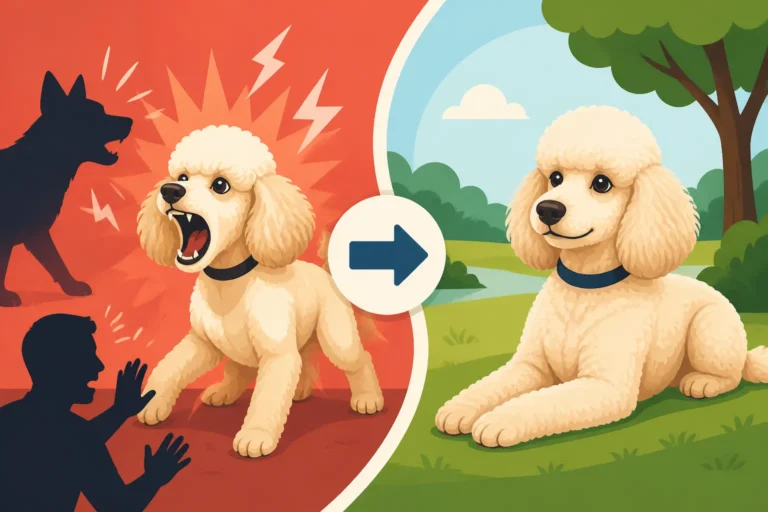
This makes them excellent candidates for formal retrieve training, but it also means that harsh corrections or frustration can easily shut them down. A Poodle who feels pressured or confused might stop retrieving altogether. Instead, focus on positive reinforcement, keeping training sessions fun and engaging. Your Poodle wants to make you happy, and a successful retrieve is a clear way for them to achieve that. Their sensitivity means that building a positive association with retrieving is paramount. Why Harsh Handling Breaks a Poodle is a must-read for understanding how to best communicate with your sensitive companion.
Nurturing and Encouraging the Retrieve
Whether your Poodle is a natural-born retriever or needs a little encouragement, there are many ways to foster and refine this instinct. The key is to make it a positive, engaging experience that taps into their intelligence and desire to interact with you.
Starting Early with Play-Based Training
The best time to start encouraging retrieving is when your Poodle is a puppy, through simple, fun play. Don't worry about perfection; focus on building enthusiasm. Start in a small, enclosed space, like a hallway or a secure room, with minimal distractions. Use a favorite soft toy or ball. Gently toss it a very short distance, perhaps just a few feet. As soon as your puppy shows interest, chases it, and picks it up, lavish them with praise.
If they bring it back, even if they drop it a foot away, celebrate! Encourage them to come closer with an excited voice and open arms. You can use a second, identical toy to entice them closer – as they approach with the first, wiggle the second one. When they get close, they might drop the first toy to investigate the second. As soon as they drop it, say "Yes!" or "Good drop!" and pick up the first toy, then throw the second. This "two-toy game" is excellent for teaching them to return to you and drop the item without you having to chase them. Remember, patience and positive reinforcement are your best tools.
Teaching "Take It," "Hold It," and "Give"
To develop a reliable retrieve to hand, you'll want to teach specific cues:
- "Take It": Start by holding a toy and encouraging your Poodle to take it from your hand. As soon as their mouth closes around it, say "Take it!" and praise them. You can lure them with a treat to grab the toy if they're hesitant.
- "Hold It": Once they reliably take the toy, gently hold onto it with them for a second or two before they drop it. Extend the duration slowly, saying "Hold it!" while they have it. If they let go too soon, don't fuss; just pick it up and try again. The goal is for them to understand that holding the object is part of the game.
- "Give" (or "Drop It"): This is crucial for getting the item back. Once they're holding the toy on cue, hold a tasty treat near their nose. The moment they open their mouth to drop the toy for the treat, say "Give!" or "Drop it!" and immediately reward them. Practice this many times, making the "give" a very positive experience. Eventually, you can phase out the treat for praise and the next toss. Teaching a Poodle to Fetch and Deliver covers these steps in more detail.
Consistency is key here. Practice these steps in short, fun sessions daily. Don't make it a chore for your Poodle. The BAXTER & Bella online puppy program, for example, often incorporates these foundational behaviors into their curriculum, providing structured guidance for owners who want to build a strong retrieving skill set.
Using Different Objects and Environments
Once your Poodle understands the basic retrieve in a quiet, familiar setting, start generalizing the behavior. Use a variety of safe retrieving objects: soft fabric toys, rubber balls, plastic dummies, frisbees (if appropriate for their size and age). Each object might feel different in their mouth, requiring them to adapt. You can find a huge array of suitable retrieving toys, from durable Kongs to softer chuck-it balls, available through retailers like Amazon.
Gradually introduce new environments. Start in your backyard, then a quiet park, then a busier park. Each new setting adds distractions, which will challenge your Poodle to focus on you and the retrieve. Always start easy in new environments, perhaps with a short toss on a long line, to ensure success. The more varied experiences your Poodle has with successful retrieves, the more reliable their instinct will become, regardless of the situation. This mental stimulation of problem-solving in new places is excellent for their intelligent minds. Keeping a Poodle Mind Occupied with various activities, including retrieving, is vital for their well-being.
Common Challenges and Troubleshooting the Retrieve
While Poodles generally have a strong retrieving instinct, it doesn't always translate into a perfect "to hand" delivery right away. Many owners encounter specific challenges that can be frustrating. Understanding why these issues arise and how to address them patiently is crucial.
When Your Poodle Won't Bring it Back (Keep-Away)
This is perhaps the most common retrieving frustration: your Poodle gleefully fetches the toy, then either runs off with it, starts a game of chase, or just dances around out of reach. This usually happens for a few reasons. Firstly, they might genuinely think you want to play chase – and who doesn't love a good chase? Secondly, they might be worried you'll take the toy away forever, especially if previous attempts to get the toy back involved snatching or scolding. Thirdly, they simply haven't learned that bringing it to you is the most rewarding part.
To fix this, go back to basics with the "two-toy game" or the treat exchange method mentioned earlier. Always make coming back to you the most rewarding part. If they run off, don't chase them. Turn your back, squat down, and make excited noises to entice them. When they come near, even if they don't drop the toy, praise them lavishly, then offer a high-value treat for coming close. Once they are close, then work on the "give." You can also use a long line in an open area. Let them retrieve on the line, and if they start to run off, gently guide them back towards you with the line, making happy noises, until they are within dropping distance. Gradually, they will learn that returning to you is the "on switch" for more fun, not the "off switch."
The Poodle Who Drops it Too Far Away
Another common scenario is the Poodle who brings the item back, but consistently drops it a few feet from your hand, forcing you to walk over and pick it up. This is a step up from keep-away, but still not the ideal "to hand" retrieve. Often, this happens because the Poodle hasn't fully understood the "give" cue right at your hand, or they've learned that you'll always go to them, so there's no incentive to come closer.
To overcome this, be patient and consistent. Shorten the distance of your throws initially, so they have less opportunity to drop it far away. When they bring it close, squat down and extend your hand, offering a treat while giving your "give" cue. The moment they release it into your hand, deliver the treat and praise. If they drop it too far away, resist the urge to immediately pick it up. Instead, gently call them back, or even turn your back briefly, until they realize that dropping it there doesn't lead to another throw. Only when they bring it closer to your extended hand should the reward (and the next throw) occur. Slowly increase the distance of the throw, always reinforcing the precise "give to hand."
Over-Arousal and the Hard-Mouth Retriever
Some Poodles, particularly when they get very excited, can become "hard-mouthed." This means they might grip the retrieved object too tightly, perhaps even chewing on it or refusing to let go, or even inadvertently pinching your hand when they deliver it. This isn't usually malicious; it's a sign of over-arousal and a lack of control during the retrieving sequence. This can be problematic, especially if you're training for formal retrieves where a gentle delivery is required.
To address this, first, manage arousal levels. Keep retrieving sessions short and sweet, ending before your Poodle gets overly excited. Practice in calmer environments. For a hard mouth, return to the "hold it" and "give" commands using softer, more delicate items. Teach them to hold a very light, soft object gently. Reward immediately for a gentle hold and a soft release. If they start chewing, say "No," and immediately end the game, putting the toy away for a few minutes. This teaches them that rough handling stops the fun. You might also want to introduce different textures of toys; some Poodles get over-stimulated by certain squeaky toys, while a plain rubber ball might encourage a softer grip.
Advanced Retrieving and Dog Sports
For Poodles who absolutely love to retrieve, there's a whole world of advanced training and dog sports that can channel their natural talents and boundless energy. These activities not only provide excellent mental and physical exercise but also strengthen the bond between you and your intelligent companion.
Introduction to Formal Retrieve Training
Formal retrieve training goes beyond simply fetching a ball in the park. It teaches precision, consistency, and control, often involving specific commands and techniques. This type of training focuses on the dog holding the item steadily, bringing it directly to hand, and releasing it on command, regardless of distractions. It's often broken down into steps:
- Force Fetch: A controversial method for some, this technique teaches a dog to pick up and hold an object on command, applying gentle pressure until the desired action is performed. Modern positive trainers often use a voluntary, reward-based approach to achieve the same reliability without pressure.
- Blind Retrieves: The dog is sent to an area where they haven't seen the object fall, relying on handler direction (hand signals, whistles) to find and retrieve it.
- Double/Triple Retrieves: The dog is asked to retrieve multiple objects that have been thrown or placed in different locations, requiring memory and focus.
For those interested in formal training, seeking out a qualified positive reinforcement trainer specializing in retrieve work or dog sports is highly recommended. Online resources and communities can also be a great starting point for finding structured programs. Finding a Trainer a Poodle Will Not Shut Down For is a crucial step for any Poodle owner, as their sensitive nature requires a gentle but firm approach.
Hunt Tests and Field Work for Poodles
Yes, Poodles can still do hunt tests and field work! Many people are surprised to learn that these elegant dogs can excel in competitions typically associated with Labrador Retrievers or Golden Retrievers. Organizations like the American Kennel Club (AKC) offer various levels of hunt tests where Poodles can demonstrate their natural retrieving abilities in simulated hunting scenarios. This includes tests for land retrieves, water retrieves, and marking fallen birds (dummies).
Participating in these events is a fantastic way to honor their heritage and provide an incredible outlet for their powerful instincts. It's not about actual hunting; it's about testing and showcasing the dog's innate abilities under controlled conditions. This requires not only a strong retrieving drive but also excellent obedience, focus, and stamina. Poodle Hunt Tests and Field Work delves deeper into what these competitions entail and how Poodles perform. It's a testament to the breed's enduring versatility and the strong retrieving instinct that has been preserved.
Other Sports Benefiting from Retrieve
Beyond dedicated hunt tests, a strong retrieving instinct and a reliable retrieve are assets in many other dog sports:
- Dock Diving: Poodles, being natural swimmers, can excel at dock diving, where they launch themselves off a dock to retrieve a toy thrown into a pool. A strong retrieve ensures they bring the toy back quickly for the next jump.
- Agility: While not directly a retrieving sport, a Poodle's drive to chase and retrieve toys can be harnessed as a powerful motivator in agility. A favorite toy can be the reward at the end of a complex course, encouraging speed and focus.
- Obedience and Rally: A "go get it" or "fetch" command can be incorporated into advanced obedience routines, and a solid retrieve for various objects is a common exercise in higher levels.
- Scent Work/Nose Work: The drive to find an object is fundamental to retrieving, and this translates well into scent work, where Poodles use their noses to locate hidden odors. Once found, they might be asked to retrieve a specific indicator article.
Ultimately, training for the retrieve instills discipline, enhances communication, and provides an engaging activity that both you and your Poodle can enjoy together. Dog Sports a Poodle Excels At provides a broader look at the many athletic pursuits Poodles can enjoy.
| Stage of Retrieve | Dog Behavior | Owner Action / Training Tip | Common Challenge |
|---|---|---|---|
| Interest/Chase | Observes, runs after thrown object | Encourage with excited voice, use enticing toys | No interest in object, prefers other distractions |
| Pick Up | Mouths, grabs object | Praise immediately upon grabbing, gentle encouragement | Drops object quickly, doesn't pick it up |
| Carry | Holds object, moves with it | Continue praise, encourage them to move towards you | Drops object far away, chews on object |
| Bring Back | Approaches handler with object | Squat down, call excitedly, make coming back rewarding | Plays keep-away, runs past handler |
| Deliver/Give | Releases object into handler's hand | Reward immediately with treat/next throw, use "Give" cue | Drops too far, refuses to release, hard mouth |
Safety Considerations for Retrieving Activities
While retrieving is a fantastic activity for Poodles, it's essential to prioritize their safety. Just like any physical activity, there are risks involved if proper precautions aren't taken. As responsible Poodle owners, we need to be mindful of the environment, the equipment, and our dog's physical limitations.
Choosing Safe Retrieving Toys and Locations
The type of toy you use and where you play are critical for safety.
- Toys: Avoid brittle plastic toys that can splinter or small toys that can be swallowed, especially by larger Poodles. Choose durable, dog-safe materials like natural rubber, sturdy rope, or canvas. Check toys regularly for damage and discard anything that's breaking apart. For strong chewers, consider tougher options designed for power chewers available on platforms like Amazon. Ensure the toy is an appropriate size for your Poodle's mouth to prevent choking hazards or dental injury.
- Locations: Always choose a safe, securely fenced area, especially when practicing off-leash retrieves. Avoid areas with heavy traffic, sharp objects, broken glass, or toxic plants. If retrieving in water, ensure it's clean, free of strong currents, and has easy entry and exit points. Lakes or ponds with unknown depths or submerged debris can be dangerous. Avoid retrieving near wildlife that could react aggressively, or in areas with known parasite risks.
Remember, a retrieving session should be fun, not a trip to the emergency vet. Always supervise your Poodle closely during play, especially in new environments.
Preventing Injury During Play
Poodles are athletic, but they can still get hurt. Preventing injuries is about smart play and being aware of their physical limits.
- Warm-up and Cool-down: Just like human athletes, dogs benefit from a brief warm-up before intense retrieving sessions (a brisk walk) and a cool-down afterward.
- Surface: Hard surfaces like concrete can be tough on joints, especially during quick stops and turns. Opt for softer surfaces like grass or sand when possible.
- Over-exertion: Don't let your Poodle play until exhaustion, especially on hot days. Poodles can overheat, and their enthusiasm might override their good sense. Watch for signs of fatigue, heavy panting, or lagging. Short, frequent sessions are better than one long, strenuous one. If your Poodle isn't used to intense exercise, build up their stamina gradually. Daily Exercise for a Standard Poodle and Daily Exercise for a Toy Poodle provide good guidelines.
- Jumping: Be cautious with high jumps, especially for puppies whose growth plates haven't closed, or older Poodles with joint issues. Repeated, uncontrolled jumping can lead to injuries like sprains or even more serious orthopedic problems.
- Twisting Injuries: Avoid throwing toys in ways that cause your Poodle to twist their body unnaturally or make sudden, sharp turns at high speed, which can strain muscles or ligaments.
If your Poodle shows any signs of lameness, pain, or unusual behavior after a retrieving session, consult your veterinarian promptly. Early intervention can prevent minor issues from becoming major problems.
Managing Environmental Hazards
Beyond the obvious, there are hidden hazards in many retrieving environments. Being aware of these can save your Poodle from a dangerous situation.
- Water Safety: While Poodles are natural swimmers, not all water is safe. Avoid stagnant ponds (blue-green algae, leptospirosis), fast-moving rivers, or areas with hidden debris. Always ensure your Poodle can easily get out of the water. For training or play in open water, a well-fitting dog life vest can provide extra safety, especially for puppies or older dogs. Water Work and the Poodle delves into Poodles and swimming.
- Weather: Extreme heat or cold can be dangerous. On hot days, asphalt can burn paw pads, and heatstroke is a real risk. On cold days, hypothermia can be a concern, especially if your Poodle is getting wet. Adjust your retrieving activities or choose indoor options accordingly.
- Other Animals: Be aware of other dogs, wildlife, or livestock in the area. An off-leash retrieving session should only occur where you have complete control over your Poodle and there's no risk of conflict with other animals.
- Ingestion Hazards: Poodles, especially puppies, can be prone to eating things they shouldn't. Ensure your retrieving area is free of discarded food, toxic plants, chemicals, or small objects they might swallow.
Always be vigilant and proactive in assessing the safety of your play environment. Your Poodle relies on you to keep them safe while they're having fun.
The Joy and Benefits of a Satisfying Retrieve
Beyond the practical aspects of training, fostering your Poodle's retrieving instinct brings immense joy and numerous benefits to both dog and owner. It's a fundamental way that Poodles engage with the world and with their human companions, fulfilling an ancient drive in a modern context.
Strengthening the Bond Through Play
There’s something truly special about watching your Poodle race after a thrown object, snatch it mid-air, and then come bounding back, tail wagging, to deliver it right to your outstretched hand. This shared activity is a powerful way to strengthen the bond between you and your dog. It's a team effort, built on trust, communication, and mutual enjoyment. When you consistently engage in positive retrieving games, your Poodle learns that you are the source of fun and good things. They learn to trust your cues, and you learn to read their excitement and focus.
This kind of interactive play creates lasting memories and deepens your relationship in a way that simply living together cannot. It's an affirmation of their natural abilities and your appreciation for them. A Poodle who enjoys retrieving with you feels seen, understood, and fulfilled. It’s a direct connection to their heritage and a celebration of their unique personality.
Mental and Physical Stimulation
Retrieving is far more than just physical exercise; it's a profound form of mental stimulation for intelligent breeds like Poodles. The act of watching the trajectory, anticipating the landing, navigating the terrain, picking up the object, and then remembering to bring it back to you, all while ignoring distractions, engages their brain on multiple levels. Each successful retrieve is a small puzzle solved, a task completed, and that's incredibly satisfying for a Poodle. Why a Bright Poodle Gets Bored highlights the need for mental challenges, and retrieving certainly fits the bill.
Physically, retrieving offers excellent exercise, burning off excess energy in a fun and engaging way. Whether it's short bursts of speed for a Toy Poodle or sustained running for a Standard, it keeps their muscles toned, their cardiovascular system healthy, and their joints flexible. It helps prevent boredom-related destructive behaviors and keeps them happy and balanced. Remember, a tired Poodle is often a well-behaved Poodle, and mental exercise contributes just as much to that as physical activity.
Practical Applications of a Reliable Retrieve
While the primary joy of retrieving is often just the game itself, a reliable retrieve can have many practical applications in daily life.
- Safety: A Poodle who will reliably come back to you with a dropped leash or a toy near a road is a safer Poodle.
- "Go Get It": You can teach your Poodle to retrieve specific household items, like the television remote, your slippers, or even a specific toy by name. Teaching a Poodle to Put Toys Away and Whether a Poodle Can Learn Object Names are great examples of how this intelligence can be applied.
- Assistance: For individuals with mobility challenges, a Poodle with a strong retrieve can be trained to pick up dropped items, becoming an invaluable helper.
- Outdoor Fun: A Poodle with a solid retrieve is a joy to take to dog-friendly parks, beaches, or hiking trails, where they can safely enjoy off-leash play (where permitted) without you constantly worrying about getting the ball back.
Ultimately, harnessing your Poodle’s retrieving instinct is about more than just getting the ball back; it's about enriching their life, celebrating their heritage, and building an even deeper, more joyful relationship with your extraordinary companion. The Poodle, with its intelligent mind and eager spirit, is truly designed for this kind of interaction, and fulfilling this natural drive will bring endless rewards to both of you. The Poodle Character truly shines when they're engaged in activities they love.
Disclaimer
This article is for general informational purposes only and does not constitute professional advice. Laws, prices and regulations vary by location and change over time. Consult a qualified professional for guidance on your specific situation.