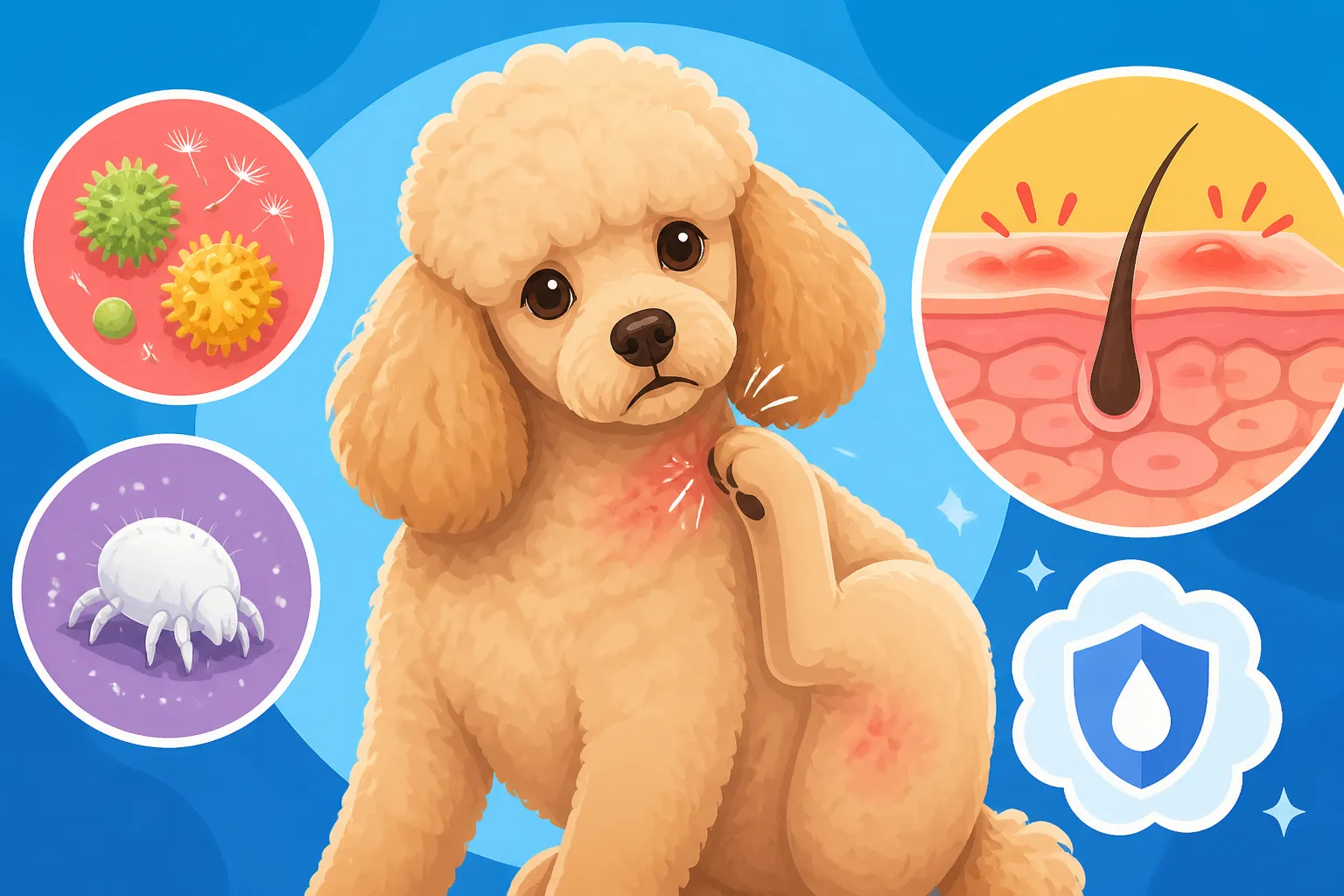
Poodle Allergies and Skin Reactions
It's absolutely heartbreaking to watch your Poodle constantly scratching, licking, or biting at their skin, isn't it? Many of us have been there, feeling utterly helpless as we see their beautiful coat become dull, their skin inflamed, and their demeanor change due to incessant itchiness. This isn't just an annoyance; it's a chronic discomfort that can severely impact your Poodle's quality of life. This guide is here to provide you with a deep understanding of Poodle allergies and skin reactions, offering practical insights and actionable steps to help your beloved companion find lasting relief.
What Makes Poodles Prone to Allergies?
Poodles, in all their elegant varieties, are unfortunately known for their propensity towards allergies and various skin conditions. It's not just bad luck; there are several underlying reasons why these intelligent and sensitive dogs often end up with persistent skin issues. Understanding these foundational factors can help you appreciate the complexity of their skin health and why a multi-faceted approach is often required for effective management.
Genetic Predisposition and Immune System Quirks
Just like certain human families are more prone to hay fever or eczema, Poodles carry a genetic predisposition for developing allergies. This isn't a flaw in their character, but rather a quirk of their immune system. Their immune systems can sometimes be a bit overzealous, mistaking harmless substances like pollen, dust mites, or certain food proteins as dangerous invaders. When this happens, the immune system launches an inflammatory response, and for Poodles, this often manifests most visibly on their skin. This hereditary component means that if your Poodle's parents or grandparents suffered from allergies, there's a higher chance your Poodle will too. It's why reputable breeders, dedicated to improving the breed's health, often disclose known allergic tendencies in their lines, even though allergies can be complex and aren't always straightforward genetic traits. Understanding What a Poodle Breeder Must Test For goes beyond just structural issues; discerning breeders consider overall health trends, including allergies, in their breeding decisions.
This genetic inclination can also make Poodles more susceptible to other immune-mediated conditions. For instance, sometimes a Poodle's itch isn't just a simple allergy but could be a sign of something more serious, like Sebaceous Adenitis (SA), an autoimmune skin disease. Differentiating between the two can be tricky, as both present with skin issues. You might wonder, Whether a Poodle's Itch Is Allergy or Adenitis, which is a completely valid concern given the similarities in some symptoms. SA is another condition where the immune system attacks the sebaceous glands, leading to dry, scaly skin and hair loss, often starting along the back or on the topknot.
The Poodle Coat and Skin Barrier
The Poodle's famous curly, non-shedding coat is a double-edged sword when it comes to skin health. While it's wonderful for allergy sufferers (humans, that is!), its density and continuous growth create a unique environment that can trap allergens, moisture, and irritants close to the skin. This dense coat can hinder proper air circulation, especially if not groomed regularly, creating a warm, damp environment that's perfect for yeast and bacteria to flourish. Think of it like wearing a heavy, non-breathable sweater all the time – your skin underneath would struggle too!
Furthermore, the skin itself acts as a barrier, protecting the body from external threats. In Poodles prone to allergies, this skin barrier can be compromised. It might be less effective at keeping allergens out and retaining moisture in, leading to dry, itchy, and irritated skin even before an obvious allergic reaction. This compromised barrier makes them more vulnerable to environmental triggers. Regular, thorough grooming, including brushing right down to the skin, is not just for aesthetics; it's a critical part of maintaining skin health by removing trapped debris and promoting air flow. Neglecting this can exacerbate existing issues and even trigger new ones, making the poodly itch a persistent nightmare. You might find that How Often a Pet Poodle Needs Brushing is more frequent than you initially anticipated, precisely because of these skin and coat considerations.
Recognizing the Signs of Poodle Allergies
Spotting allergy symptoms in your Poodle can sometimes feel like trying to solve a puzzle. They can range from the obvious to the subtle, and it's easy to mistake them for other issues initially. However, the sooner you recognize the signs, the quicker you can intervene and bring your furry friend some much-needed relief.
Itching, Licking, and Biting: The Classic Symptoms
The most unmistakable sign that your Poodle is struggling with allergies is persistent itching. This isn't just an occasional scratch behind the ear; it's a relentless, often infuriating cycle of scratching, licking, and biting that seems to consume them. You'll notice your Poodle gnawing at their paws, rubbing their face against furniture or carpets, or scratching vigorously with their hind legs. This intense pruritus, as veterinarians call it, often leads to redness and inflammation of the skin. Areas commonly affected include the paws, ears, armpits, groin, and around the muzzle and eyes.
For example, you might observe your Miniature Poodle meticulously chewing at their front paws until the fur becomes stained reddish-brown from saliva. Or perhaps your Standard Poodle constantly shakes their head and scratches their ears, indicating discomfort deep within their ear canals. This incessant self-trauma is their way of trying to alleviate the itch, but it unfortunately perpetuates the problem by causing further irritation and opening the door to secondary infections. It's a vicious cycle that can be incredibly distressing for both dog and owner.
Skin Changes and Secondary Infections
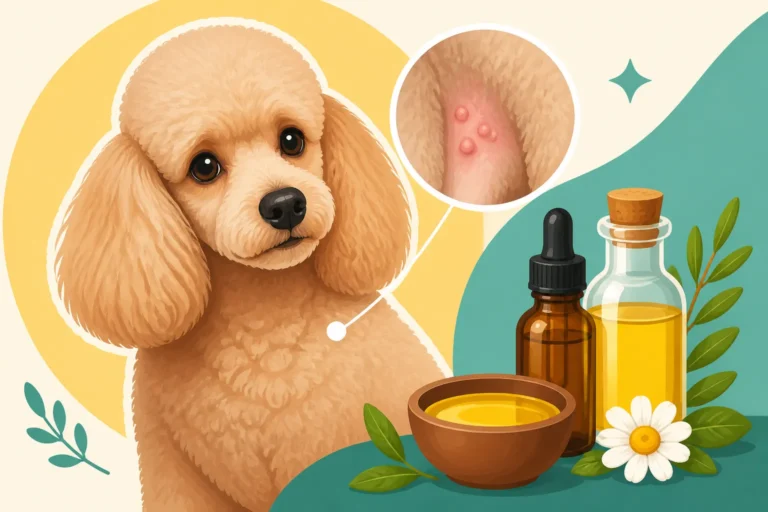
Beyond the itching itself, allergies often lead to visible changes in your Poodle's skin and coat. You might notice areas of redness, inflammation, and even hot spots—localized areas of acute moist dermatitis that appear suddenly and can be incredibly painful. The skin might become thickened, leathery, and darkened (hyperpigmented) in chronically affected areas, a condition known as lichenification. Hair loss, or alopecia, is also common, particularly in areas of frequent licking or scratching, leaving sparse or bald patches.
The skin's natural protective barrier, already compromised by the allergic reaction, becomes an easy target for opportunistic bacteria and yeast. These secondary infections are incredibly common and often make the itching even worse, complicating diagnosis and treatment. For instance, Poodles are particularly prone to ear infections, and many times, recurrent ear problems are actually a symptom of an underlying allergy. Poodle Ear Infections Under a Poodle's Drop Ears are a common struggle, with the warm, dark, and often moist environment creating a perfect breeding ground for these infections, which allergies then exacerbate. If your Poodle's ears smell yeasty or have a dark discharge, it's a strong indicator of a secondary infection, often driven by allergies. Similarly, bacterial skin infections (pyoderma) can manifest as pustules, scabs, or widespread redness, further adding to your Poodle's misery.
Other Less Obvious Indicators
While skin and ear issues are the hallmark of Poodle allergies, sometimes the signs can be a bit more subtle or manifest in less obvious ways. Some Poodles with allergies, especially food allergies, might experience gastrointestinal upset. This could include chronic diarrhea, vomiting, excessive gas, or frequent soft stools. If your Poodle has unexplained tummy troubles alongside skin irritation, it's worth considering a food allergy as a potential culprit.
Another sign to watch for is a general dullness of the coat, or a greasy, flaky texture, even with regular grooming. This can be a symptom of an underlying skin issue that hasn't yet erupted into full-blown lesions or severe itching. Behavioral changes can also occur; a Poodle in constant discomfort might become more irritable, restless, or withdrawn. They might struggle to sleep due to the itch, leading to fatigue and a general decline in their playful spirit. If your once-vibrant Poodle seems off, and you've ruled out other health problems, chronic itchiness from allergies could be the reason they're Reading Pain in a Sensitive Poodle. These less obvious signs underscore the importance of observing your Poodle's overall well-being, not just their skin.
Common Types of Poodle Allergies
Understanding the different types of allergies that can afflict your Poodle is crucial because the diagnostic approach and management strategies can vary significantly depending on the trigger. It’s not a one-size-fits-all situation, and what works for one type of allergy might be completely ineffective for another.
Environmental Allergies (Atopy)
Environmental allergies, often referred to as atopy or atopic dermatitis, are by far the most common type of allergy in Poodles. These are triggered by allergens present in the environment, much like hay fever in humans. Common culprits include pollen from trees, grasses, and weeds, dust mites, mold spores, and even components of human dander. The symptoms are often seasonal, flaring up when specific allergens are prevalent, but can become year-round in severe cases or if the Poodle is allergic to year-round allergens like dust mites.
Poodles with environmental allergies typically suffer from intense itching, especially on their paws, face (around the eyes and muzzle), armpits, and groin. They might develop recurrent ear infections, often in both ears, because the lining of the ear canal is essentially an extension of the skin and reacts similarly to allergens. You might find your Poodle constantly licking their paws, leading to red, irritated skin and sometimes even secondary yeast infections that give off a distinct "corn chip" odor. These allergies can be incredibly frustrating to manage because completely avoiding environmental allergens is virtually impossible. This is why many owners struggle to keep their Poodles comfortable, particularly during peak allergy seasons. For a deeper dive into managing these widespread irritants, you can explore more about Environmental Allergies in a Poodle.
Food Allergies and Sensitivities
While less common than environmental allergies, food allergies and sensitivities can also cause significant skin issues in Poodles. Unlike environmental allergies, food allergies are not typically seasonal and can cause symptoms year-round. They occur when a Poodle's immune system mistakenly identifies a protein in their food as harmful, leading to an allergic reaction. The most common food allergens for dogs include beef, dairy, chicken, wheat, and soy, but a Poodle can develop an allergy to almost any protein source they've been regularly exposed to.
Symptoms of food allergies often overlap with environmental allergies, presenting as itching, redness, and recurrent ear infections. However, Poodles with food allergies are also more likely to experience gastrointestinal upset, such as vomiting, diarrhea, or excessive gas, alongside their skin issues. The key difference is often the lack of seasonality and the potential for digestive symptoms. Diagnosing food allergies can be a lengthy process, often requiring a strict elimination diet to pinpoint the exact culprit. Many Poodle owners embark on this journey, and it can be quite challenging to maintain the strictness required. For a detailed guide on this process, consider reading about Elimination Diets for an Itchy Poodle. It requires dedication, but finding the right diet can make a world of difference for your Poodle's comfort.
Contact Dermatitis and Flea Allergy Dermatitis
Two other significant types of allergies are contact dermatitis and flea allergy dermatitis. Contact dermatitis occurs when a Poodle's skin directly touches an irritating or allergenic substance. This could be anything from certain chemicals in cleaning products, topical medications, plants (like poison ivy), or even materials in their bedding or collars. The reaction is typically localized to the area of contact, appearing as redness, itching, and sometimes blisters or scabs. For instance, a Poodle might develop an itchy rash on their belly if they lie on a rug treated with a harsh cleaner, or a reaction around their neck from a new collar.
Flea allergy dermatitis (FAD) is one of the most common allergic skin diseases in dogs and is caused by an allergic reaction to proteins in flea saliva. It's important to understand that it takes just one flea bite to trigger an intense, generalized allergic reaction in a sensitive Poodle. Unlike a normal dog who might just have a mild itch from a bite, an allergic Poodle will experience severe itching, redness, scabs, and hair loss, often concentrated at the base of the tail, inner thighs, and abdomen. The itching can be so intense that they scratch themselves raw, leading to secondary bacterial infections. Even if you don't see fleas, the presence of flea dirt (tiny black specks that turn reddish-brown when wet) can be a strong indicator. Regular, effective flea prevention is absolutely critical for all Poodles, but especially for those suspected of having FAD.
Diagnosing Poodle Allergies: More Than Just Guessing
Figuring out exactly what's making your Poodle itch can feel like detective work, and truthfully, it often is. There's no single "allergy test" that definitively diagnoses all types of allergies with 100% accuracy. Instead, your veterinarian will likely employ a combination of approaches, ruling out other conditions and systematically narrowing down the potential culprits. This process requires patience and persistence, but it's essential for effective, long-term management.
The Elimination Diet: A Food Allergy Staple
When a food allergy is suspected, the gold standard for diagnosis is a strict elimination diet. This isn't a simple food swap; it's a carefully controlled feeding trial where your Poodle is fed a novel protein (one they've never eaten before, like venison, duck, or kangaroo) and a novel carbohydrate source, or a hydrolyzed protein diet (where the proteins are broken down so small the immune system doesn't recognize them as allergens). This specialized diet must be fed for at least 8-12 weeks, with absolutely no other treats, table scraps, or flavored medications.
The goal is to eliminate all potential food allergens from their system and see if the skin symptoms resolve or significantly improve. If they do, then food allergy is confirmed. The next step, if desired, is a "food challenge," where suspected ingredients are reintroduced one at a time to identify the specific allergen. This part can be tricky because it involves intentionally making your Poodle itchy again, but it provides clear answers. For example, if your Poodle's skin dramatically clears up on a venison and potato diet, and then flares badly after reintroducing chicken, you've found your culprit. This methodical approach is time-consuming but offers the most reliable way to diagnose food allergies in your Poodle, as detailed in guides like Elimination Diets for an Itchy Poodle.
Intradermal and Blood Testing for Environmental Allergens
For environmental allergies (atopy), two primary methods are used for identifying specific allergens: intradermal skin testing (IDT) and serum (blood) allergy testing.
- Intradermal Skin Testing (IDT): This is often considered the most accurate method for identifying environmental allergens. It's typically performed by a veterinary dermatologist. A small area of your Poodle's side is shaved, and tiny amounts of various common environmental allergens (like pollens, dust mites, molds) are injected just under the skin. The dermatologist then observes the injection sites for localized allergic reactions (small red welts) that indicate sensitivity. This test provides a direct, immediate reaction from the skin, which is where the allergic symptoms manifest.
- Serum Allergy Testing: This involves taking a blood sample from your Poodle and sending it to a specialized laboratory. The lab tests the blood for the presence of specific antibodies (IgE) that the immune system produces in response to allergens. While less invasive than IDT, the results can sometimes be less reliable or harder to interpret, as IgE antibodies can be present without causing clinical signs. However, blood tests can be a good starting point, especially if an IDT is not feasible or available.
Both types of tests help identify the specific environmental triggers, which is crucial for developing an allergen-specific immunotherapy plan (allergy shots or drops). These tests do not diagnose atopy, but rather identify the specific allergens once atopy has already been suspected based on clinical signs and ruling out other conditions.
Ruling Out Other Skin Conditions
Before jumping to allergy testing, your veterinarian will likely perform several tests to rule out other common skin conditions that can mimic allergies. It's essential to confirm that the itching isn't due to parasites, bacterial infections, fungal infections, or other immune-mediated diseases.
- Skin Scrapes and Cytology: Your vet might take skin scrapes to look for microscopic parasites like mites (e.g., Demodex or Sarcoptes). They might also perform cytology, where samples are taken from the skin (using tape or a swab) and examined under a microscope to identify yeast (like Malassezia) or bacteria. These secondary infections are incredibly common in allergic Poodles and need to be treated alongside the allergy itself. For instance, Poodle Ear Infections Under a Poodle's Drop Ears are often secondary to an allergy, but identifying the yeast or bacteria involved is crucial for selecting the right medication.
- Fungal Cultures: If ringworm is suspected, a fungal culture may be performed.
- Biopsies: In some cases, especially if a more serious condition like Sebaceous Adenitis (SA) is on the table, a skin biopsy might be necessary. As discussed earlier, How Adenitis Shows Up on a Poodle's Back can sometimes be mistaken for severe allergies, but a biopsy provides a definitive diagnosis by examining tissue samples. Similarly, Skin Biopsies That Confirm Poodle Adenitis are critical for distinguishing it from other skin ailments.
- Trial Treatments: Sometimes, a trial course of flea prevention or antibiotics might be prescribed to see if the symptoms improve, further narrowing down the possibilities.
Only after these other conditions have been ruled out or addressed can your vet confidently proceed with allergy-specific diagnostics, ensuring your Poodle gets the most appropriate and effective treatment.
Managing and Treating Poodle Allergies
Managing Poodle allergies is rarely a quick fix; it's an ongoing journey that often involves a combination of strategies to keep your Poodle comfortable and minimize flare-ups. The good news is that with a dedicated approach, most allergic Poodles can lead happy, itch-free lives.
Topical Solutions and Medicated Shampoos
For many Poodles suffering from allergies, topical treatments play a vital role in managing symptoms and maintaining skin health. Medicated shampoos, conditioners, and sprays can help to soothe inflamed skin, reduce itching, and treat secondary bacterial or yeast infections. Ingredients like chlorhexidine (antibacterial), miconazole (antifungal), colloidal oatmeal (soothing), and ceramides (to support the skin barrier) are commonly found in these products.
For example, if your Poodle has a secondary yeast infection in their armpits or paws, your vet might prescribe a chlorhexidine/miconazole shampoo to be used several times a week. After bathing, it's crucial to dry their dense coat thoroughly, paying extra attention to skin folds and between paw pads, as moisture can exacerbate fungal growth. Specific shampoos designed for their curly texture can also help maintain coat health while addressing skin issues, and knowing Shampoo That Suits a Curly Poodle Coat can make a big difference in effective treatment. These topical treatments can provide immediate relief, wash away environmental allergens from the coat, and help restore the skin barrier, reducing the need for systemic medications.
Oral Medications and Immunotherapy
When topical treatments aren't enough, or for more severe, widespread allergies, your veterinarian might recommend oral medications or even immunotherapy.
- Oral Medications: These can include antihistamines (though often not very effective for canine allergies), corticosteroids (like prednisone, which are very effective at reducing inflammation and itch but come with potential side effects with long-term use), and newer targeted drugs. Medications like Apoquel and Cytopoint are game-changers for many allergic dogs. Apoquel is an oral tablet that targets specific pathways involved in itching and inflammation, providing rapid relief with fewer side effects than steroids. Cytopoint is an injectable monoclonal antibody that blocks a key protein responsible for sending itch signals to the brain, offering monthly relief without systemic side effects. Your vet will discuss the best option for your Poodle based on their specific needs and severity of symptoms.
- Immunotherapy (Allergy Shots/Drops): This is the only treatment that actually attempts to change your Poodle's immune response to allergens, rather than just managing symptoms. Once specific environmental allergens are identified through IDT or blood tests, a custom-made serum containing tiny amounts of those allergens is formulated. This serum is then administered as regular injections (allergy shots) or oral drops (sublingual immunotherapy). Over time, the goal is to desensitize your Poodle's immune system to these allergens, reducing their allergic reaction. Immunotherapy requires a long-term commitment, often 6-12 months before significant improvement is seen, but it can provide excellent, long-lasting relief and reduce the need for other medications. It's often covered by pet insurance, and a provider like Healthy Paws can be invaluable for these chronic, ongoing treatments.
Dietary Adjustments and Supplements
For Poodles with diagnosed food allergies, strict adherence to the appropriate diet is the cornerstone of treatment. This usually means a prescription hydrolyzed protein diet or a novel protein diet for life. It's critical that all family members understand and comply with this diet; even a small bite of an offending food can trigger a flare-up.
Beyond direct food allergens, certain dietary supplements can support overall skin health and reduce inflammation in allergic Poodles, regardless of the allergy type. Omega-3 fatty acids, for instance, found in fish oil, have natural anti-inflammatory properties that can improve skin barrier function and reduce itchiness. Probiotics can support gut health, which in turn can have a positive impact on the immune system and skin. Antioxidants like Vitamin E can also play a role. However, it's crucial to discuss any supplements with your veterinarian to ensure they are appropriate for your Poodle and don't interact with other medications or dietary restrictions. Sometimes, your vet might recommend a prescription diet formulated specifically for skin sensitivities, even if a full food allergy hasn't been diagnosed, as these diets contain higher levels of beneficial fatty acids and skin-supporting nutrients.
Preventing Future Allergic Reactions
Prevention is always better than cure, and while you can't completely eliminate your Poodle's genetic predisposition to allergies, you can certainly take proactive steps to minimize their exposure to allergens and support their skin health. This comprehensive approach is key to keeping those pesky allergic reactions at bay.
Home Environment Control
Minimizing your Poodle's exposure to environmental allergens at home can make a significant difference. Just like for human allergy sufferers, keeping a clean indoor environment is crucial. Regularly vacuuming carpets and upholstery, especially with a HEPA filter vacuum, can reduce dust mites and pet dander. Washing your Poodle's bedding frequently in hot water (at least 130°F or 54°C) helps kill dust mites. Using air purifiers with HEPA filters can also help remove airborne allergens.
During peak pollen seasons, keeping windows closed and running your air conditioning can reduce the amount of pollen entering your home. If your Poodle spends time outdoors, a quick wipe-down of their paws and belly with a damp cloth after coming inside can help remove pollen before it spreads through the house or irritates their skin further. Consider using dust-mite-proof covers for your Poodle's bed or pillows if dust mites are a known trigger. These small changes around the house, while seemingly minor, collectively create a much more comfortable environment for an allergic Poodle.
Consistent Grooming and Skin Care
Consistent and proper grooming is perhaps one of the most impactful preventive measures for Poodles with allergy tendencies. Their dense, continuously growing coat can trap allergens, debris, and moisture against the skin, making regular bathing and brushing absolutely essential.
- Regular Bathing: Bathing your Poodle with a gentle, hypoallergenic shampoo (or a medicated shampoo if recommended by your vet) can wash away environmental allergens, reduce skin irritation, and prevent the buildup of yeast and bacteria. The frequency will depend on your Poodle's specific needs and your vet's recommendation, but often weekly or bi-weekly baths are beneficial during flare-ups or peak allergy seasons. Always follow up with a good conditioner to moisturize the skin and protect the coat. Remember, Why Drop Ears Trap Moisture in Poodles makes them susceptible to infections, so thorough drying after baths is vital.
- Thorough Brushing: Daily or every-other-day brushing, working all the way down to the skin, is crucial not only to prevent mats but also to remove trapped allergens and promote skin circulation. A good slicker brush and a metal comb are your best friends here. You might be surprised to learn How Long Brushing a Standard Poodle Takes properly, but it's an investment in their health.
- Paw Care: Poodles with allergies often lick their paws excessively. Regularly wiping their paws after outdoor excursions can remove pollen and irritants. Keeping the hair between their paw pads neatly trimmed also helps prevent moisture and debris from getting trapped, which can lead to yeast infections.
- Ear Cleaning: Due to their drop ears and hair growth inside the ear canal, Poodles are prone to ear infections. Regular cleaning with a vet-approved ear cleaner, especially after baths or swimming, can prevent allergen buildup and moisture accumulation that lead to infections. The guide on Poodle Ear Infections Under a Poodle's Drop Ears emphasizes the importance of consistent care.
Working Closely with Your Veterinarian
Finally, the most critical "prevention" strategy is maintaining an open, ongoing dialogue and partnership with your veterinarian. Allergies are complex, and your Poodle's needs may change over time. What works today might need adjustment in six months. Regular check-ups allow your vet to monitor your Poodle's skin health, adjust medications or treatment plans, and catch any secondary issues early.
Don't hesitate to discuss any new symptoms, changes in severity, or concerns about medication side effects. Your vet can provide tailored advice on diet, grooming, and environmental control specific to your Poodle's allergy profile. They can also connect you with specialists, like veterinary dermatologists, if your Poodle's case is particularly challenging. Investing in pet insurance, like a plan from Healthy Paws, can also provide peace of mind and financial support for the ongoing veterinary care, medications, and specialized treatments that chronic allergies often require. Staying vigilant and working as a team with your vet is the best way to keep your Poodle comfortable and thriving despite their allergies.
Common Poodle Allergy Diagnostic & Treatment Overview
| Allergy Type | Common Symptoms | Diagnostic Method | Treatment Approaches |
|---|---|---|---|
| Environmental (Atopy) | Seasonal itching, paw licking, ear infections | Intradermal skin test, blood allergy test | Antihistamines, steroids, Apoquel, Cytopoint, immunotherapy, medicated baths |
| Food Allergy/Sensitivity | Non-seasonal itching, GI upset, ear infections | Elimination diet (novel protein/hydrolyzed) | Strict prescription diet, hydrolyzed protein diet |
| Flea Allergy Dermatitis | Intense itching at tail base, scabs, hair loss | Presence of fleas/flea dirt, response to flea control | Strict flea prevention, topical steroids for immediate relief |
| Contact Dermatitis | Red, itchy rash where skin contacted irritant | Patch testing, avoiding suspected irritants | Removing irritant, topical steroids, barrier creams |
Disclaimer
This article is intended for informational purposes only and does not constitute veterinary advice. Always consult with a qualified veterinarian for any health concerns or before making any decisions about your Poodle's medical care or treatment plan.