Arthritis in a Twelve-Year-Old Poodle
Seeing your beloved Poodle slow down as they age can be heartbreaking. What once was a bouncy, energetic companion might now struggle with stairs, hesitate before jumping onto the sofa, or seem just a little less enthusiastic about their daily walk. If your twelve-year-old Poodle is showing these subtle shifts, you're likely grappling with the difficult reality that age-related issues, particularly arthritis, are starting to impact their quality of life. This guide will walk you through understanding, identifying, and managing arthritis to ensure your senior Poodle remains as comfortable and happy as possible for many more years.
Understanding Arthritis and Its Impact on Senior Poodles
Arthritis, or osteoarthritis (OA), is a common, progressive, and often debilitating condition that affects millions of older dogs, and Poodles are certainly not immune. It’s a degenerative joint disease characterized by the breakdown of cartilage within the joints, leading to pain, inflammation, and reduced mobility. When your Poodle is twelve, their body has seen a lot of living, running, jumping, and playing, and these years of activity can take a toll on their joints.
What is Canine Osteoarthritis?
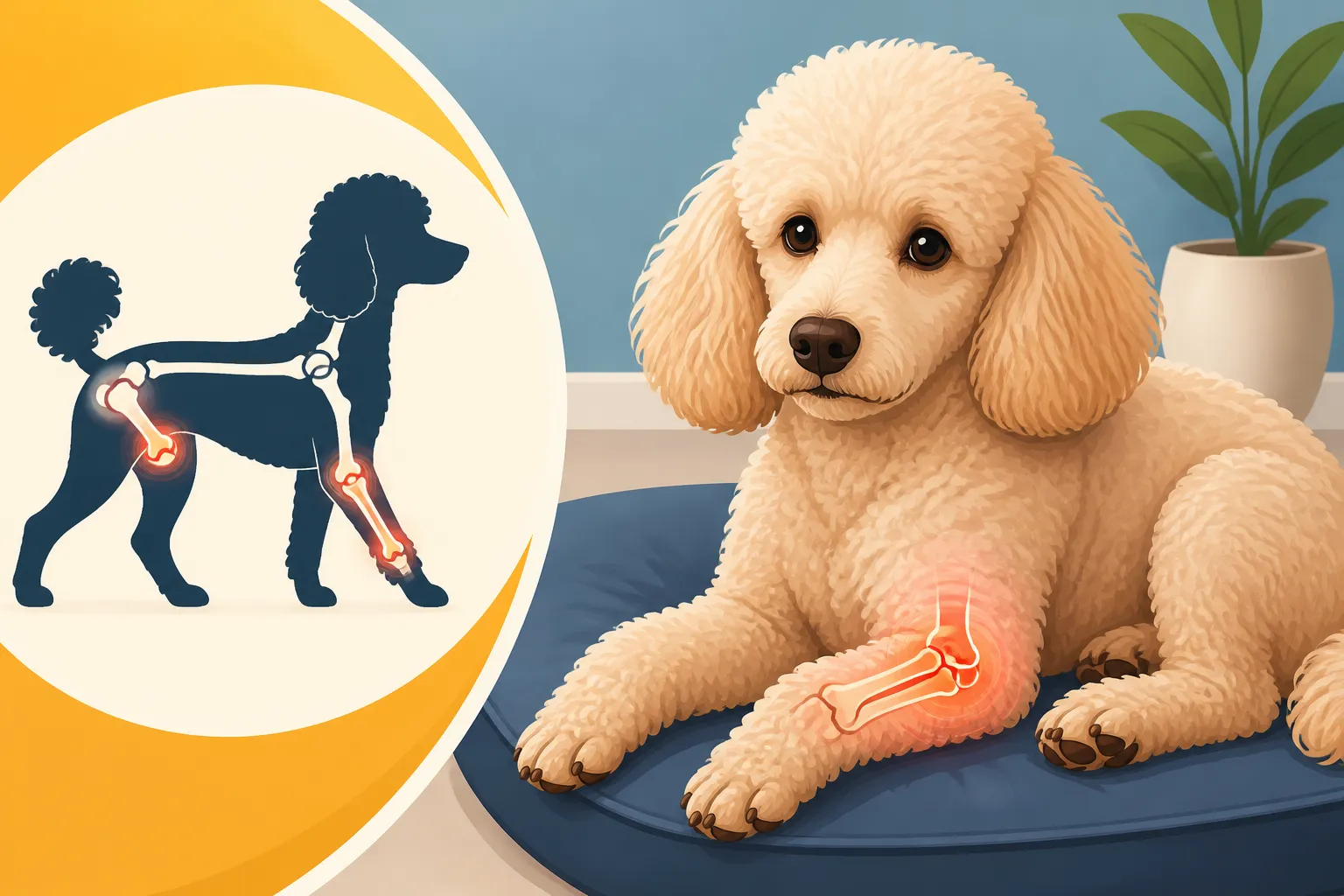
At its core, canine osteoarthritis is a slow, relentless wearing down of the smooth, protective cartilage that cushions the ends of bones within a joint. Think of that cartilage as a shock absorber and a slick surface that allows bones to glide effortlessly over each other. Over time, due to age, injury, or genetic predisposition, this cartilage can thin, fray, and even disappear in spots. When that happens, bones start to rub against each other, leading to friction, pain, and inflammation. The body tries to compensate by forming bony spurs (osteophytes) around the joint, further limiting movement and increasing discomfort.
Commonly affected joints in Poodles can include the hips, elbows, stifles (knees), and spine. You might notice your Poodle having more trouble getting up after a nap, appearing stiff after a walk, or even shifting their weight unevenly. This isn't just "getting old"; it's a specific medical condition that causes real pain and significantly impacts their daily life. It's crucial not to dismiss these signs as merely a part of aging, as early intervention can make a substantial difference in managing their comfort.
Why Poodles Are Prone to Arthritis
Poodles, regardless of their size – Standard, Miniature, or Toy – can develop arthritis, though the specific joints and underlying causes might differ slightly. Genetically, Poodles can be predisposed to certain orthopedic conditions that lay the groundwork for arthritis later in life. For instance, Poodle Hip Dysplasia by Size is a well-known concern, particularly in larger Standards, where poorly formed hip joints can lead to premature wear and tear. Even if a Poodle never showed overt signs of hip dysplasia in their youth, the subtle structural imperfections can lead to secondary arthritis in their senior years.
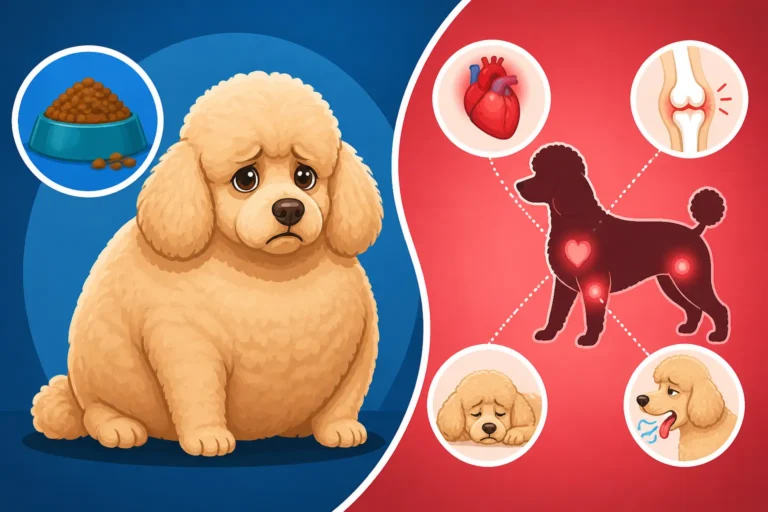
Similarly, smaller Poodles, like Toys and Miniatures, are prone to conditions like Luxating Patella in Toy and Miniature Poodles, where the kneecap slips out of place. While surgery can often correct this, a long-standing or recurring luxation can damage the joint over time, inevitably leading to arthritis in later life. Even without a specific diagnosed predisposition, the sheer longevity of many Poodles means their joints simply endure more wear and tear compared to breeds with shorter lifespans. Add to that the fact that Poodles are intelligent and active dogs who love to jump, run, and play fetch, and you can see how years of high-impact activities contribute to joint strain. Weight also plays a significant role; a Poodle carrying even a few extra pounds puts immense pressure on their joints, exacerbating any existing or developing arthritic changes. This is why managing Poodle Obesity and Its Consequences is so vital for joint health.
Recognizing the Subtle Signs of Arthritis in Your Aging Poodle
One of the biggest challenges with arthritis in Poodles, especially sensitive ones, is that they are masters at hiding pain. Their stoic nature, combined with their strong bond with their owners, often means they try to push through discomfort to please you. This makes recognizing the subtle signs incredibly important, as early detection allows for earlier intervention and better pain management.
Behavioral Changes to Watch For
The first indicators of arthritis often manifest as subtle shifts in behavior. Your twelve-year-old Poodle might not suddenly start limping dramatically; instead, you might notice a gradual decline in certain activities or a change in their general demeanor. They might be slower to greet you at the door, opting for a gentle tail wag rather than their usual excited jumps. Perhaps they used to love a vigorous game of fetch but now seem less interested, or they might stop mid-walk and appear hesitant to continue.
Look for a reluctance to perform actions that involve joint movement, such as jumping onto the bed or into the car, or even navigating stairs. They might start taking longer to settle into a comfortable position or change sleeping spots more frequently. Some Poodles become a bit more withdrawn, less eager for play, or even a little irritable when touched in certain areas. They might growl or snap if a painful joint is accidentally bumped, which is completely out of character for their usually gentle temperament. These are all clues that your Poodle is experiencing discomfort. It’s important to understand how to interpret these signals, as Reading Pain in a Sensitive Poodle can be quite different from observing a less stoic breed.
Physical Indicators of Joint Pain
Beyond behavioral changes, there are physical signs that can point to arthritis. Stiffness is a classic symptom, particularly after periods of rest or in cold, damp weather. You might observe your Poodle "warming up" their joints for a few minutes after waking, walking a bit gingerly before their gait loosens up. Limping, especially after exercise, is another clear indicator, though it can sometimes be intermittent or so slight you might only catch it on certain surfaces or at specific times.
Changes in gait can also be telling. An arthritic Poodle might take shorter, choppier steps, drag their paws, or shift their weight to favor one limb, leading to uneven muscle development. You might notice muscle atrophy (wasting) in the affected limb as they use it less. Sometimes, their posture changes, with a hunched back or a reluctance to fully extend their neck or stretch. Pay attention during grooming; if they flinch or resist when you brush near a particular joint, or if they struggle to reach certain spots to lick or chew, it could indicate pain. You might also notice that the hair around a painful joint seems thinner or discolored from excessive licking. Observing Caring for an Aging Poodle means being vigilant for these physical cues.
Differentiating Arthritis from Other Senior Ailments
While arthritis is incredibly common in senior Poodles, it’s vital to remember that not all stiffness or slowing down is due to joint pain. Other age-related conditions can mimic arthritic symptoms, making a veterinary diagnosis crucial. For example, a Poodle with early stages of cognitive dysfunction might seem disoriented or less active, which could be mistaken for joint pain. Similarly, certain neurological conditions, spinal issues, or even heart problems could lead to reluctance to move or exercise intolerance.
Conditions like thyroid disease, which Poodles are prone to, can also cause lethargy and weight gain, indirectly impacting mobility. Even dental disease, which can be significant in older Poodles, especially Toy Poodles, might make them less eager to eat, leading to weakness. This is why a thorough veterinary examination, often including blood work and imaging, is so important. Your vet will rule out other potential causes for your Poodle’s symptoms before confirming an arthritis diagnosis.
Comprehensive Management and Treatment Strategies
Once your veterinarian has confirmed a diagnosis of arthritis, the good news is that there are many effective ways to manage the condition and significantly improve your Poodle’s quality of life. The approach is usually multi-faceted, combining medication, complementary therapies, and essential home adjustments.
Veterinary Diagnosis and Initial Steps
The journey to managing your Poodle's arthritis begins with a visit to your veterinarian. They will perform a comprehensive physical examination, carefully manipulating your Poodle's joints to assess range of motion, swelling, and pain responses. Don't be surprised if they ask you to walk your Poodle around the examination room or outside to observe their gait. This information, combined with your detailed observations of their behavior at home, helps form the initial picture.
To confirm the diagnosis and assess the severity, X-rays are typically recommended. These images allow the vet to visualize the joint structure, identify cartilage loss, bony spurs, and any other abnormalities. In some cases, blood tests might also be run to check overall organ function, especially before starting certain medications, and to rule out other systemic diseases. Once a clear picture is established, your vet will work with you to create a tailored treatment plan, which might include specific medications, lifestyle changes, and potentially referrals for specialized therapies.
Pharmacological Interventions
Medication plays a cornerstone role in managing arthritis pain and inflammation. The most common first-line treatment is Non-Steroidal Anti-Inflammatory Drugs (NSAIDs), such as carprofen (Rimadyl), meloxicam (Metacam), or firocoxib (Previcox). These medications are highly effective at reducing pain and swelling, making your Poodle more comfortable and mobile. However, they do require careful monitoring, as long-term use can sometimes affect the liver or kidneys. Your vet will likely recommend regular blood tests to ensure your Poodle is tolerating the medication well.
Beyond NSAIDs, other pain relief options exist. Gabapentin, for instance, is often used in conjunction with NSAIDs for neuropathic pain (nerve-related pain) which can be a component of severe arthritis. Amantadine is another adjunct medication that can help with chronic pain. For Poodles with more advanced arthritis or those who can't tolerate oral NSAIDs, injectable medications like Librela (bedinvetmab) have revolutionized arthritis management. This monoclonal antibody targets Nerve Growth Factor (NGF), a key mediator of pain, offering monthly injections that can provide significant, sustained relief without the same systemic side effects as NSAIDs. These medications can incur Long-Term Drug Costs for a Poodle, so it’s something to factor into your budget.
Complementary Therapies
While medication addresses the pain, complementary therapies can significantly improve joint function, muscle strength, and overall well-being. Physical therapy and rehabilitation are incredibly beneficial. This can involve structured exercises, stretches, massage, and therapeutic modalities like laser therapy or therapeutic ultrasound. These sessions, often led by a certified canine rehabilitation therapist, help maintain muscle mass, improve range of motion, and reduce stiffness.
Hydrotherapy, which involves exercises performed in water (either a treadmill or a pool), is another fantastic option. The buoyancy of the water reduces stress on painful joints, allowing your Poodle to move more freely and build strength without impact. For Poodles who enjoy water, it can be a joyful form of exercise. Acupuncture, derived from traditional Chinese medicine, involves inserting fine needles into specific points on the body to stimulate natural pain relief mechanisms. Many owners report positive results, especially for chronic pain conditions like arthritis. Even simple therapeutic massage at home, taught by a professional, can bring comfort and improve circulation to stiff muscles around arthritic joints.
Creating a Comfortable Home Environment and Long-Term Care
Managing arthritis extends far beyond the vet clinic; it’s about making everyday life easier and more comfortable for your Poodle at home. Thoughtful adjustments to their environment, diet, and exercise routine can make a world of difference in their quality of life.
Practical Adjustments Around the House
Your home, which once felt easy for your Poodle, might now present challenges. Stairs can become treacherous, slippery floors can be intimidating, and high furniture might be out of reach. Investing in ramps or pet stairs can help your Poodle safely access beds, sofas, or even the car, reducing strain on their joints. For slippery surfaces like hardwood or tile, consider placing non-slip runners or rugs in high-traffic areas. This prevents painful slips and falls, which can exacerbate existing arthritis or lead to new injuries.
Comfortable bedding is also crucial. Orthopedic beds, often made with memory foam, distribute weight evenly and provide excellent support for aching joints. Place several comfortable beds around the house, ensuring your Poodle always has a soft, warm place to rest. Raising food and water bowls can also reduce the need for your Poodle to bend down, easing pressure on their neck and front joints. Simple changes like these can significantly reduce daily discomfort and improve their ability to move freely within their environment.
The Role of Diet and Supplements
Maintaining a healthy weight is perhaps one of the most impactful things you can do for an arthritic Poodle. Every extra pound puts additional stress on already compromised joints, accelerating cartilage breakdown and increasing pain. Your vet can help you determine the ideal weight for your Poodle and recommend a suitable diet plan. Feeding measured portions and limiting high-calorie treats are essential. It can be hard to tell if a Poodle is overweight under all that magnificent coat, so learning how to feel their ribs can be a useful skill to ensure you're Feeling Ribs Under a Thick Poodle Coat.
Joint supplements can play a supportive role in managing arthritis. Common ingredients include:
- Glucosamine and Chondroitin: These are natural components of cartilage and are believed to help support cartilage health and reduce inflammation.
- Omega-3 Fatty Acids (EPA and DHA): Found in fish oil, these have powerful anti-inflammatory properties that can help reduce joint pain and improve mobility.
- MSM (Methylsulfonylmethane): An organic sulfur compound thought to help reduce pain and inflammation.
- Green-lipped Mussel: Contains a rich blend of omega-3s, glycosaminoglycans, and antioxidants, all beneficial for joint health.
While supplements are not a cure, many owners find they complement other treatments. Always discuss any supplements with your veterinarian before adding them to your Poodle's regimen to ensure they are appropriate and won't interact with other medications. You can learn more about which ones are beneficial in articles like Joint Supplements Worth Giving a Poodle.
Here's a quick overview of common treatment approaches:
| Treatment Type | Examples | Primary Benefit | Considerations |
|---|---|---|---|
| Pharmacological | NSAIDs (Carprofen, Meloxicam) | Reduces pain and inflammation | Potential side effects on liver/kidneys; requires regular vet monitoring. |
| Gabapentin, Amantadine | Manages neuropathic and chronic pain; adjunct therapy | Sedation can be a side effect, dosage adjustment might be needed. | |
| Librela (Bedinvetmab) | Monthly injectable pain relief (targets NGF) | Newer option, generally well-tolerated, can be a significant cost. | |
| Nutritional/Dietary | Weight Management, Prescription Diets | Reduces joint stress, provides targeted nutrients | Requires commitment to portion control and appropriate food choices. |
| Joint Supplements (Glucosamine, Omega-3s) | Supports cartilage health, reduces inflammation | Not a standalone treatment; quality and efficacy can vary between brands. | |
| Physical Therapies | Canine Rehabilitation (Laser, Ultrasound) | Improves mobility, reduces muscle stiffness | Requires regular sessions with a certified therapist, time and cost commitment. |
| Hydrotherapy (Underwater Treadmill, Pool) | Builds strength and mobility with reduced impact | Access to specialized facilities, Poodle's comfort in water. | |
| Acupuncture, Therapeutic Massage | Pain relief, muscle relaxation | Effectiveness can vary, requires a certified practitioner. | |
| Home Modifications | Ramps, Non-slip Flooring, Orthopedic Beds | Reduces strain, prevents injury, enhances comfort | Initial investment, might require lifestyle adjustments. |
The Importance of Regular, Gentle Exercise
It might seem counterintuitive to exercise an arthritic dog, but appropriate, regular exercise is crucial for maintaining joint health and muscle mass. While high-impact activities like jumping or long runs are out, gentle, consistent exercise helps keep joints lubricated, strengthens the muscles supporting those joints, and prevents stiffness. Short, frequent walks on soft surfaces are ideal. Think two or three 15-20 minute walks a day instead of one long, strenuous one.
Swimming, if your Poodle enjoys it, is an excellent low-impact option. The water supports their body, allowing them to move their limbs through a full range of motion without putting stress on their joints. Puzzle toys and scent games can also provide mental stimulation and gentle physical activity, which is important for Poodles' intelligent minds, especially when their physical activity is limited. The key is moderation and consistency, always listening to your Poodle’s cues and stopping if they show any signs of discomfort.
Financial Considerations and Insurance
Managing a chronic condition like arthritis, especially in a senior dog, can lead to significant ongoing costs. This includes veterinary visits, X-rays, medications, supplements, and potentially specialized therapies. It’s a realistic consideration that can be daunting. Exploring pet insurance options when your Poodle is young can save you from unexpected financial burdens later on.
Even for senior Poodles, while pre-existing conditions won't be covered, some insurance providers like Healthy Paws might still offer coverage for new, unrelated conditions that could arise. If you already have insurance, review your policy to understand what's covered regarding chronic conditions. For those without insurance, setting up a dedicated savings fund for your Poodle’s health needs is a wise choice. Discussing Monthly Insurance Premium by Poodle Size can give you an idea of costs, and considering long-term plans can help ease the burden of Long-Term Drug Costs for a Poodle. Don't hesitate to have an open conversation with your vet about the costs involved and explore different treatment pathways that fit your budget.
Looking Ahead: Quality of Life and When to Make Tough Decisions
Living with an arthritic Poodle means a commitment to ongoing care, but it also means cherishing every comfortable moment. It’s a journey that requires patience, observation, and sometimes, very difficult decisions.
Monitoring Your Poodle's Comfort Levels
Your primary goal is to ensure your Poodle's comfort and maintain a good quality of life. This means constantly monitoring their pain levels and adjusting their care as needed. Keep a journal of their good days and bad days, noting their activity levels, appetite, and any signs of discomfort. Tools like canine pain scales can help you objectively assess their pain. Your vet will work with you to find the optimal medication dosages and combinations to keep them comfortable without excessive sedation.
Remember, arthritis is progressive, and what works today might need adjustment in a few months. Regular check-ups with your vet, usually every 3-6 months, are essential to monitor their condition, assess pain control, and adjust treatment protocols. It’s about being proactive and responsive to their changing needs. If you notice signs of Paying for a Senior Poodle's Cognitive Decline, this can further complicate managing their arthritis, so continuous assessment of all age-related issues is important.
Maintaining a Good Quality of Life
Beyond physical comfort, a good quality of life for your senior Poodle involves mental stimulation and social interaction. Arthritis shouldn't mean isolation. Continue to engage them with gentle playtime, puzzle feeders, and short training sessions that don't involve strenuous movement. They still thrive on your attention, love, and routine. Gentle grooming sessions, ensuring their coat is mat-free and comfortable, are also vital not just for hygiene but as a bonding experience.
If your Poodle's pain becomes unmanageable despite all efforts, or if their bad days consistently outweigh their good days, you might face the heartbreaking decision of considering euthanasia. This is perhaps the hardest part of pet ownership. Your veterinarian can help you assess their overall quality of life, using objective measures and guiding you through this incredibly difficult process. Ultimately, the goal is to prevent prolonged suffering and ensure your beloved companion leaves this world with dignity and peace. Resources like Deciding When to Let a Poodle Go can offer support during such challenging times.
Disclaimer
The information provided in this article is for general informational purposes only and is not a substitute for professional veterinary advice. Always consult with a qualified veterinarian for any health concerns or before making any decisions related to your Poodle's care.