Bowl Height and a Standard Poodle’s Chest
One of the most persistent worries for Standard Poodle owners is the risk of bloat, or Gastric Dilatation-Volvulus (GDV), a truly terrifying condition where a dog's stomach fills with gas and can twist. For years, many of us have been told that elevated food bowls could prevent this, leading to countless owners agonizing over the perfect feeding setup. This guide will walk you through the truth about bowl height and bloat, separating fact from long-held misconceptions, and provide practical advice for feeding your deep-chested Poodle safely.
The Long-Held Belief About Elevated Bowls and Bloat
It's completely understandable why the idea of elevated food bowls caught on as a way to prevent bloat in deep-chested breeds like our Standard Poodles. The logic seemed sound: if your dog isn't bending down as much, they'll swallow less air, and somehow, that would reduce the risk of their stomach twisting. Many of us, myself included, heard this advice from well-meaning friends, breeders, and even some vets decades ago. We’d rush out to buy those fancy elevated feeders, thinking we were doing everything possible to protect our beloved companions.
Why the Elevated Bowl Theory Seemed Logical
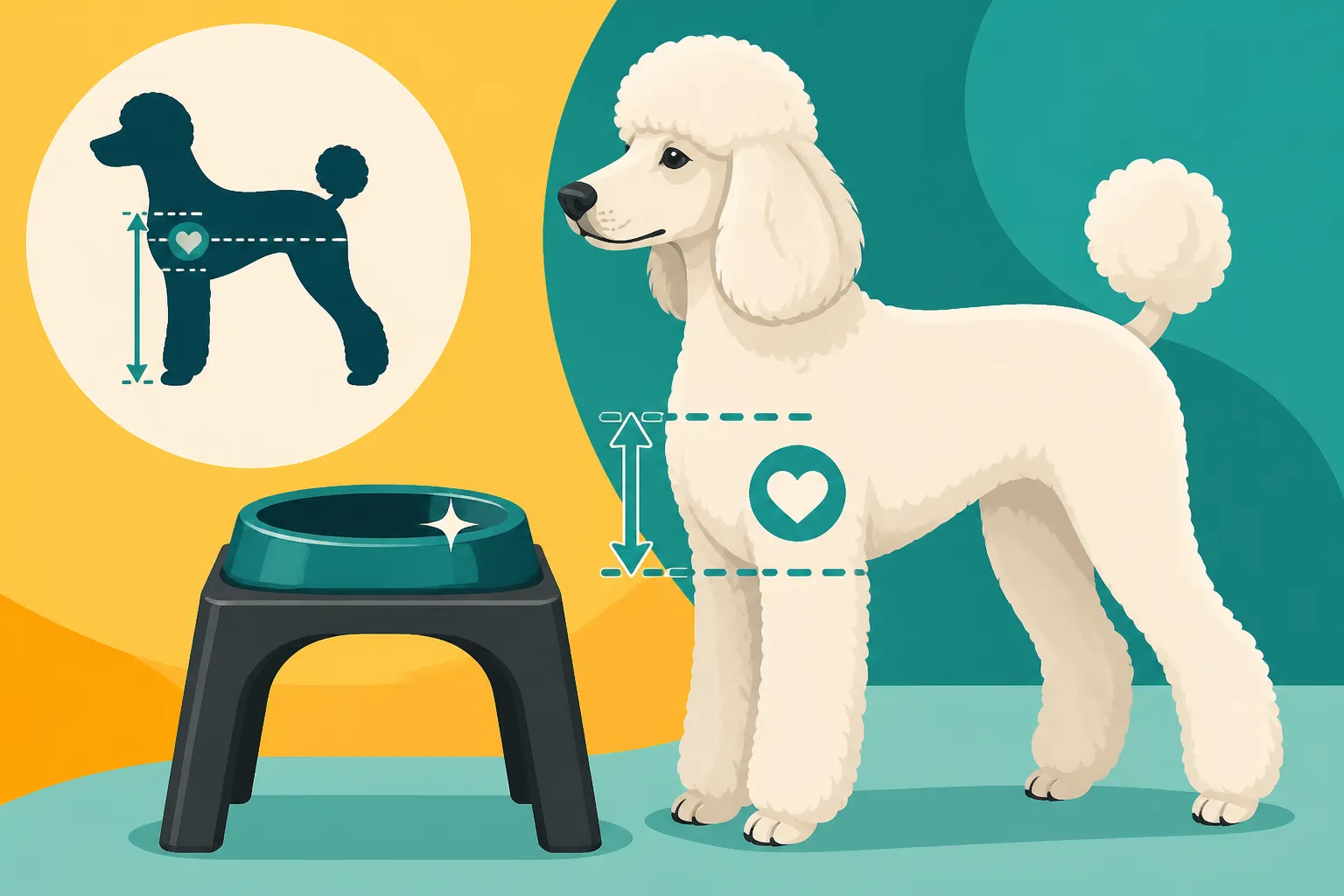
Imagine yourself eating quickly, hunched over a plate. You might feel a bit gassy, right? The thought was that if a dog had to bend their neck and body significantly to reach a floor-level bowl, they would ingest more air. More swallowed air, in theory, meant a higher chance of their stomach distending, which is the first step in the bloat process. Owners were often advised to raise their Poodle’s food bowl so that their neck remained relatively straight, creating what was believed to be a more "natural" and less strenuous eating position. For a tall Standard Poodle, that could mean a stand that brought the bowl up to their chest level. This advice was rooted in observation and anecdotal evidence rather than robust scientific study at first, but it became ingrained in pet care wisdom for a significant period.
The Influence of Early Studies and Anecdotes
Back in the day, some initial studies, though limited, did suggest a correlation between elevated feeders and a reduced risk of bloat. This fueled the trend further. For owners of magnificent breeds known for their deep chests, like Great Danes, Irish Setters, and of course, Standard Poodles, it felt like a tangible, proactive step they could take. You'd see these feeders everywhere, from specialty pet stores to general retailers. We wanted to believe we could control this scary condition, and an elevated bowl offered a simple, visible solution. The emotional impact of bloat, which can strike swiftly and be fatal, meant owners were desperate for any measure that offered hope. This created a strong, understandable attachment to the elevated bowl theory, making it hard to let go of even when new information emerged. It's tough when you've invested time, money, and emotional energy into a preventative measure, only to find out it might not be helping or, worse, could be counterproductive.
What Research Actually Says About Bowl Height and Bloat
The reality about elevated food bowls and their impact on bloat risk in dogs, particularly deep-chested breeds like Standard Poodles, is quite different from what many of us were led to believe. As more extensive and rigorous scientific studies have been conducted over the years, the prevailing advice has shifted dramatically. It turns out that while we were trying our best with good intentions, the science doesn't support the elevated bowl theory for bloat prevention.
The Landmark Study That Changed Everything
One of the most significant pieces of research that really turned the tide was a large, multi-institutional study conducted by Purdue University. This comprehensive study, which looked at over 1,900 dogs, including many high-risk breeds, set out to identify risk factors for GDV. What they found surprised many: in fact, having an elevated food bowl was actually associated with an increased risk of bloat, particularly in large and giant breeds. The study concluded that for large and giant breed dogs, feeding from an elevated bowl was associated with a higher risk of GDV compared to feeding from a floor-level bowl.
This was a shocking revelation for many owners who had been diligently using elevated feeders for years. It suggested that our well-intentioned efforts might have been misplaced, or even detrimental. The exact mechanism isn't fully understood, but some theories suggest that elevated bowls might encourage dogs to eat faster, gulping down more air in the process, or perhaps alter the biomechanics of their swallowing in a way that is less protective. Regardless of the precise "why," the evidence clearly pointed away from elevated bowls as a preventative measure.
Focusing on Proven Risk Factors
So, if bowl height isn't the key, what does genuinely contribute to bloat risk in our Standard Poodles? The same Purdue study and subsequent research have highlighted several factors that are much more strongly associated with GDV:
- Genetics and Breed Predisposition: This is the big one. Standard Poodles, along with Great Danes, Weimaraners, German Shepherds, and others, are genetically predisposed due to their deep and narrow chest conformation. This isn't something we can change, but it means vigilance is paramount. You can learn more about this in Bloat and the Deep Standard Poodle Chest.
- Eating Speed: Dogs who eat very quickly, gulping down their food, appear to be at higher risk. This is where a lot of our practical prevention strategies come in.
- Single, Large Meals: Feeding one large meal a day rather than multiple smaller meals can increase risk. A stomach overfilled with food and gas is more prone to twisting.
- Stress and Anxiety: Anecdotal evidence suggests that stress can play a role, though this is harder to quantify scientifically.
- Exercise Before or After Meals: Strenuous activity right before or, more critically, immediately after eating, especially a large meal, is often cited as a risk factor.
- Age: Older dogs seem to have a higher incidence of bloat.
- Personality: Some studies suggest that fearful, anxious, or aggressive dogs might be at higher risk.
It's crucial for us to focus our preventative efforts on these identified risk factors, rather than clinging to outdated advice about bowl height. While an elevated bowl won't necessarily cause bloat, it's not the protective measure we once thought it was. For many owners, it's a relief to know where to direct their energy effectively.
Practical Feeding Strategies for a Healthy Standard Poodle
Given that bowl height isn't the magic bullet for bloat prevention, it's time to shift our focus to feeding practices that truly make a difference for our beloved Standard Poodles. These strategies are all about reducing the known risk factors and promoting a calmer, safer eating experience.
Slowing Down Speedy Eaters
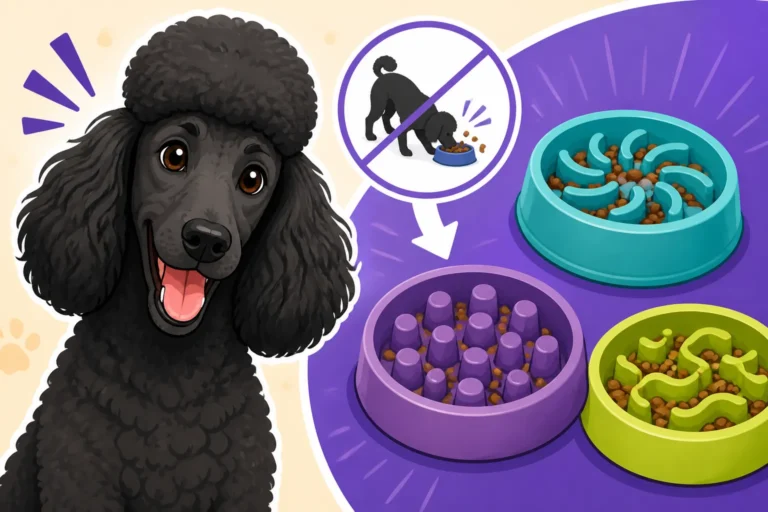
One of the most impactful things you can do for a Standard Poodle prone to eating like a vacuum cleaner is to slow down their ingestion. Fast eating is a significant risk factor for bloat, as it often involves gulping air along with food. There are several fantastic tools and techniques available to help with this:
- Slow Feeder Bowls: These bowls have ridges, mazes, or pillars inside them, forcing your Poodle to work around obstacles to get to their kibble. It turns a quick gulp-fest into a more engaging, slower meal. You can find a wide variety of these on sites like Amazon or Chewy, suitable for different Poodle sizes and eating styles. We use one that looks like a little labyrinth, and it easily triples the time it takes for our Poodle, Beau, to finish his dinner.
- Puzzle Feeders: These go a step beyond slow feeder bowls by requiring your dog to actively solve a puzzle to get their food. This not only slows them down but also provides valuable mental stimulation. Scatter feeding on a snuffle mat or using a Kong Wobbler are also great options.
- Spreading Food Out: For really enthusiastic eaters, simply spreading their meal out on a large, flat baking sheet can force them to take smaller, slower bites. This achieves a similar effect to a slow feeder bowl without needing special equipment.
- Using a Muffin Tin: If you don't have a slow feeder, try putting small portions of their meal in each cup of a muffin tin. It's a surprisingly effective way to make them work a little harder.
By implementing these methods, you're directly addressing the issue of air ingestion and rapid eating, which are far more pertinent to bloat prevention than how high their bowl sits. Slow Feeders for a Gulping Standard Poodle delves deeper into these options.
Multiple, Smaller Meals Throughout the Day
Instead of one massive meal, breaking your Standard Poodle's daily food allowance into two or three smaller meals is highly recommended. A stomach that isn't excessively full is less likely to distend and twist.
- Routine Matters: Try to establish a consistent feeding schedule. For instance, a breakfast, lunch (if your schedule allows, or a mid-day snack from a puzzle toy), and dinner. This helps keep their digestive system working smoothly without overloading it at any one time.
- Puppies vs. Adults: This is especially crucial for puppies, who should definitely be fed multiple times a day. As they grow into adults, most Standard Poodles do well on two meals a day. Always consult your vet for specific recommendations based on your dog's age, activity level, and health.
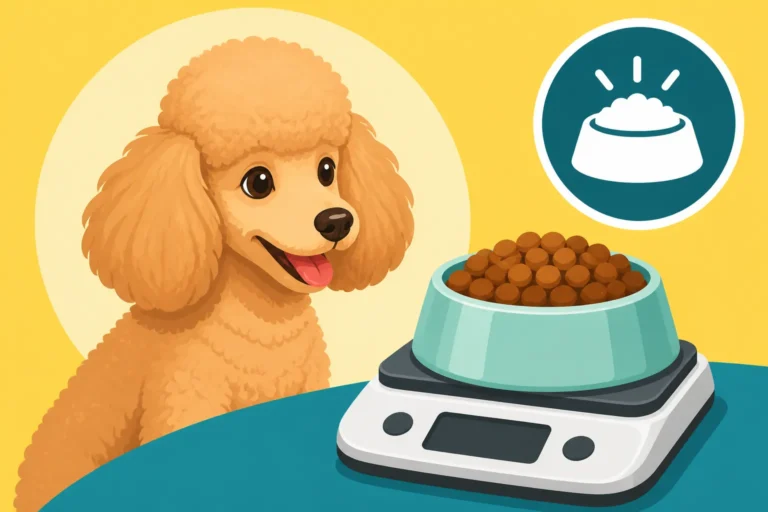
- Managing Portions: If you're switching from one large meal to multiple smaller ones, ensure the total daily quantity remains the same to avoid over or underfeeding. Measuring cups are your friend! For specialized diets like fresh food options (such as those from Ollie), portioning is usually very precise, which can be helpful.
Avoiding Strenuous Activity Around Meal Times
While regular exercise is vital for a healthy Standard Poodle, timing it correctly around meals is a critical bloat prevention strategy.
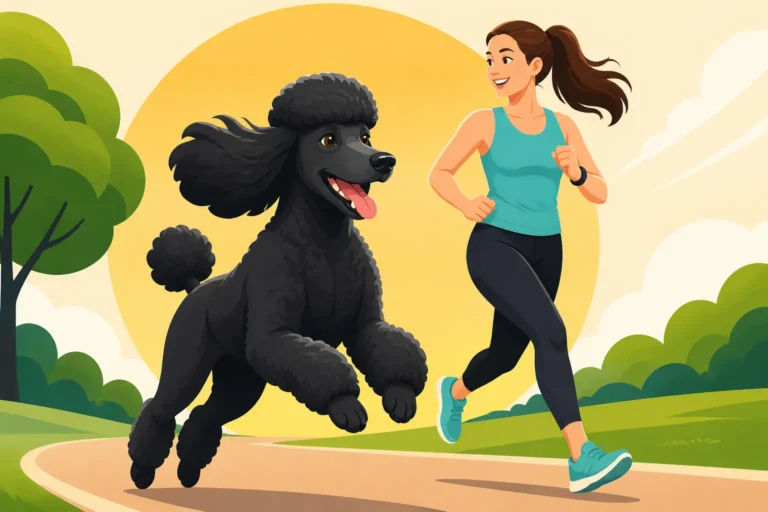
- Before Meals: A brisk walk or playtime before eating is generally fine and can even help burn off some energy, leading to a calmer mealtime. Just avoid extreme exercise that leaves them panting heavily right before they eat.
- After Meals: This is the crucial window. Avoid strenuous exercise, running, jumping, or intense play for at least one hour before and, more importantly, two hours after a meal. Their digestive system needs time to process the food without being jostled or stressed. A leisurely stroll for a potty break is usually okay, but anything more active should wait.
- Water Access: Always ensure fresh water is available, but try to prevent your Poodle from gulping huge amounts of water immediately after eating a large meal, as this can also contribute to stomach distention.
By being mindful of these feeding habits, you're directly addressing several scientifically supported risk factors for GDV. It gives us, as Poodle owners, a clear, actionable path to contribute to their health and well-being. This proactive approach is much more effective than simply worrying about bowl height.
Monitoring Your Poodle and When to Seek Veterinary Help
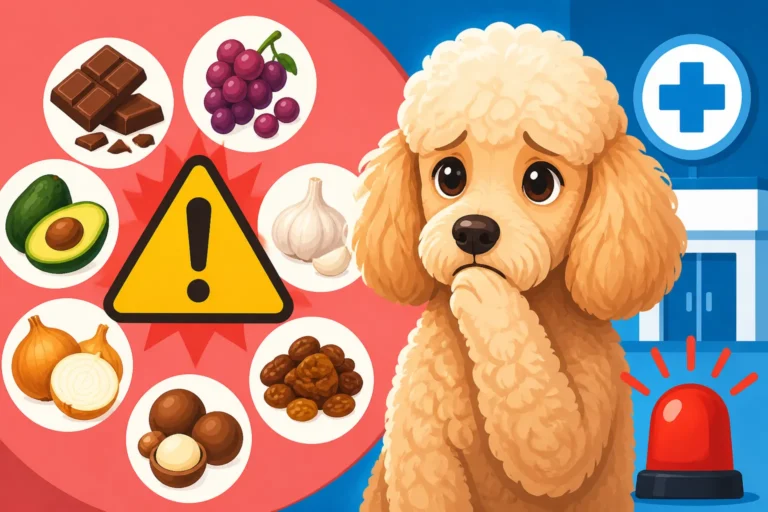
Even with the best preventative measures, bloat remains a serious concern for Standard Poodle owners. Knowing the signs and symptoms, and understanding when to act swiftly, can literally be the difference between life and death. Our Poodles are sensitive creatures, and sometimes their discomfort can be subtle at first, so keen observation is key. Emergency Signs of Poodle Bloat is a great resource to keep handy.
Recognizing the Subtle and Obvious Signs of Bloat
Bloat, or GDV, can progress incredibly rapidly, so recognizing the early warning signs is paramount. It’s not always obvious, and sometimes our Poodles, in their typical stoic fashion, might try to hide their discomfort.
- Restlessness and Pacing: Your usually calm Poodle might become agitated, unable to settle down, constantly shifting positions. They might stand with their legs wide apart or stretch in unusual ways.
- Distended Abdomen: This is one of the more classic signs. Their belly might appear visibly swollen or tight, particularly on the left side, though it can be hard to spot in Poodles with a thick coat or specific clips. Gently pressing on the abdomen might reveal tenderness or hardness.
- Non-Productive Vomiting or Retching: This is a huge red flag. Your Poodle will try to vomit but nothing or very little comes up, just foam or saliva. They'll gag and heave repeatedly, often in distress.
- Drooling and Excessive Salivation: Increased drooling can indicate nausea and discomfort.
- Pain and Discomfort: Whining, groaning, or looking at their side are all signs of pain. They might resist lying down or being touched on their abdomen.
- Weakness and Collapse: As the condition worsens, blood flow to vital organs is compromised, leading to weakness, pale gums, rapid heart rate, and eventually collapse. This is an emergency.
Any combination of these signs, especially the non-productive retching and a distended belly, warrants immediate veterinary attention. Do not wait to see if it improves; every minute counts with bloat.
The Critical Importance of Immediate Veterinary Care
I cannot stress this enough: if you suspect bloat, even faintly, get to an emergency vet immediately. This is not a "wait and see" situation, nor is it a time to call your regular vet during off-hours unless they are your designated emergency contact.
- Time is Tissue: With GDV, the stomach twists, cutting off blood supply to itself and other organs. The longer it goes untreated, the more damage occurs, and the lower the chances of survival. Veterinarians often use the phrase "time is tissue" because prolonged lack of blood flow leads to tissue death.
- Call Ahead: If possible, call the emergency veterinary hospital while you're on your way. This allows them to prepare for your arrival, ensuring a team is ready to assess your Poodle without delay. Tell them you suspect GDV in a Standard Poodle.
- Diagnosis and Treatment: At the clinic, the vet will confirm the diagnosis, often with X-rays. Treatment typically involves stabilizing your dog, decompressing the stomach, and then performing emergency surgery to untwist the stomach and, if necessary, tack it to the abdominal wall (a gastropexy) to prevent future episodes. Whether a Standard Poodle Should Have a Gastropexy explores this preventative surgery.
Being prepared, knowing the signs, and acting decisively are the most powerful tools you have against bloat. It's a scary prospect, but armed with knowledge, you can give your Poodle the best possible chance if this life-threatening condition ever strikes.
Table of Bloat Risk Factors and Preventative Actions
To help consolidate the information, here’s a quick overview of what increases bloat risk and what you can do.
| Risk Factor | Description | Preventative Action |
|---|---|---|
| Genetic Predisposition | Deep-chested breeds like Standard Poodles are inherently more susceptible. | Choose a reputable breeder who screens lines. Consider gastropexy surgery. |
| Eating Speed | Rapid consumption of food and gulping air. | Use slow feeder bowls, puzzle feeders, or spread food on a flat surface. |
| Single Large Meals | Overloading the stomach in one sitting. | Feed 2-3 smaller meals per day instead of one large one. |
| Strenuous Exercise Post-Meal | High activity levels immediately after eating. | Restrict exercise for at least 1-2 hours after meals. |
| Stress/Anxiety | Anxious or easily stressed dogs may be at higher risk. | Create a calm, consistent feeding environment. Reduce general stressors. |
| Age | Older dogs have a higher incidence. | Remain vigilant for symptoms as your Poodle ages. Caring for an Aging Poodle is important. |
| Personality | Some studies link fearful, aggressive, or anxious temperaments to increased risk. | Positive reinforcement training and a stable environment. |
| Bowl Height | Older studies suggested benefit, but current research indicates increased risk for elevated bowls. | Feed from floor level. Elevated bowls are not recommended for prevention. |
Understanding that the primary preventative measures lie in managing how and when your Poodle eats, rather than just the height of their bowl, is key to their long-term health. Keep up with routine vet checks and be proactive in discussing any concerns about your Poodle's well-being.
Disclaimer
This article is for general informational purposes only and does not constitute professional advice. Laws, prices and regulations vary by location and change over time. Consult a qualified professional for guidance on your specific situation.