How Often an Addisonian Poodle Is Injected
Living with a Poodle diagnosed with Addison's disease can feel overwhelming, especially when you're trying to wrap your head around a lifelong medication schedule. The initial shock of the diagnosis often gives way to a flurry of questions about managing the condition, with "How often will my Poodle need injections?" being right at the top. This guide aims to clear up that confusion, offering a realistic look at the injection frequency and what you, as a dedicated Poodle parent, can expect for the long haul.
The Nature of Addison's Disease and Why Injections Are Crucial
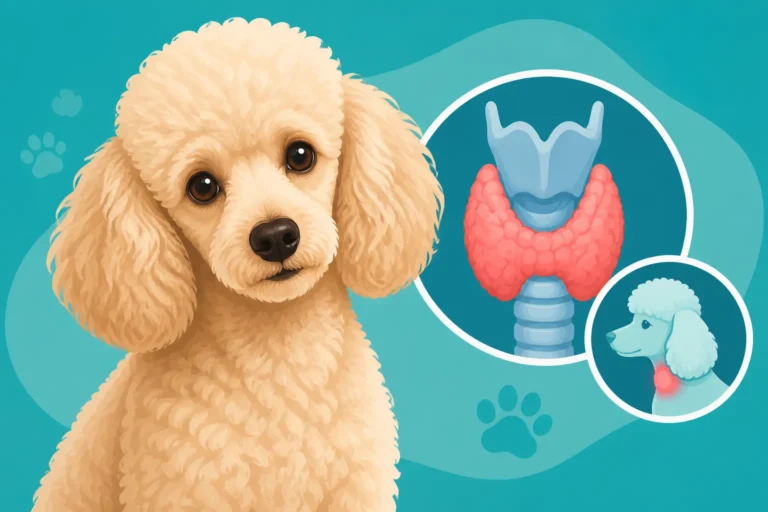
Addison's disease, or hypoadrenocorticism, is a tricky condition where your Poodle's adrenal glands don't produce enough of certain vital hormones. It's often called "The Great Pretender" because its symptoms can mimic so many other ailments, making diagnosis a real challenge. For Poodle owners, understanding the basics of this disease is the first step toward managing it effectively.
A Quick Look at Adrenal Insufficiency
At its core, Addison's disease means your Poodle's body isn't producing enough cortisol and aldosterone. Cortisol is a stress hormone, crucial for regulating metabolism, immune response, and helping the body cope with stress. Aldosterone, on the other hand, is key for balancing electrolytes like sodium and potassium, which in turn impacts blood pressure and kidney function. When these hormones are deficient, a Poodle can experience a wide range of symptoms, from lethargy and vomiting to more severe crises involving collapse and organ failure. It's a serious condition that absolutely requires medical intervention.
Poodles, particularly Standard Poodles, are among the breeds disproportionately affected by Addison's disease. There's a strong genetic component, and many owners sadly find themselves navigating this diagnosis. If you're keen to understand more about this, you might find our article on Addison's Disease in Standard Poodles particularly helpful. This genetic predisposition means that even well-bred Poodles can develop the condition, highlighting the importance of thorough veterinary care. It’s also worth exploring Why Standard Poodles Carry Two Autoimmune Diseases for a broader understanding of breed-specific health challenges.
The Role of Replacement Hormones
Since the body isn't producing these essential hormones, the treatment for Addison's disease revolves around replacing them. This typically involves two main types of medication:
- Mineralocorticoids: These replace aldosterone and are usually administered via injection. The most common injectable medications in the U.S. are desoxycorticosterone pivalate (DOCP), known by brand names like Percorten-V and Zycortal. These injections are designed for long-lasting effect, slowly releasing the hormone into the system.
- Glucocorticoids: These replace cortisol and are most often given orally, typically in the form of prednisone or prednisolone. While not the focus of the "injection frequency" question, oral glucocorticoids are a critical part of the daily management, especially for coping with everyday stresses or when an Addisonian Poodle faces additional challenges like illness or surgery.
The goal of this hormonal replacement therapy is to mimic what a healthy adrenal gland would do, restoring balance to your Poodle's internal systems and allowing them to live a full, normal life. It’s a commitment, but one that yields incredible results in the health and well-being of your beloved companion.
Deciphering the Injection Schedule for Your Addisonian Poodle
When your Poodle is first diagnosed with Addison's, the treatment plan might seem a little intense. However, once stabilized, managing the condition becomes much more routine, primarily centering around those crucial injectable mineralocorticoids.
The Initial Stabilization Phase
The period immediately following an Addison's diagnosis is often referred to as the stabilization phase. If your Poodle presents in an Addisonian crisis – which can be life-threatening – they will require immediate intravenous fluids, corticosteroids, and sometimes mineralocorticoid injections to correct severe electrolyte imbalances and shock. This emergency treatment might involve daily injections and intensive monitoring in a veterinary hospital.
Once the initial crisis is averted, your vet will begin the process of finding the optimal long-term dose for the injectable mineralocorticoid. This usually starts with an injection of DOCP, such as Zycortal or Percorten-V. Alongside this, your Poodle will typically be started on a daily oral glucocorticoid (like prednisone). The real work during stabilization involves careful monitoring of your Poodle's electrolytes (sodium and potassium levels) through blood tests. These tests are vital to ensure the mineralocorticoid injection is working correctly and not causing its own set of problems. You might find yourself at the vet frequently in the first few weeks, maybe even weekly, as they fine-tune the dosage. It’s a process, and it can feel nerve-wracking, but it's essential to get it right. Our guide on Diagnosing Addison's in a Standard Poodle elaborates on the diagnostics and initial treatment steps.
Long-Term Maintenance: The Regular DOCP Schedule
Once your Poodle is stable and their electrolyte levels are consistently within the normal range, you'll move into the long-term maintenance phase. This is where the injection schedule becomes more predictable. For most Addisonian Poodles, the mineralocorticoid injection (DOCP) is given every 21 to 30 days.
Yes, that's right – typically just once a month!
It's important to understand that "monthly" isn't a rigid 30-day rule for every dog. Some Poodles do best on a 25-day cycle, others stretch to 28, and a lucky few might even go 30 days or slightly longer between injections. The exact interval is determined by your individual Poodle's response, which your vet monitors through those regular blood tests, particularly checking sodium and potassium levels. If your Poodle's potassium starts to creep up before the next scheduled injection, it might indicate they need the injection a little sooner. Conversely, if their electrolytes are still perfect at 30 days, your vet might try extending the interval slightly to find the sweet spot.
Alongside these monthly injections, most Addisonian Poodles will continue to receive a daily low dose of oral prednisone. This helps replace the missing cortisol, supporting their body's ability to handle everyday stress. The good news is that with consistent care, many Poodles with Addison's disease can lead entirely normal, happy lives. We delve deeper into this aspect in our article, Whether an Addisonian Poodle Lives Normally.
Here’s a general overview of a typical medication schedule:
| Medication Type | Purpose | Administration Schedule (Typical) |
|---|---|---|
| DOCP (e.g., Percorten-V, Zycortal) | Replaces Aldosterone (Mineralocorticoid) | Initial: Often daily for a few days if in crisis, then transitioned to once every 21-30 days for maintenance. |
| Prednisone/Prednisolone | Replaces Cortisol (Glucocorticoid) | Initial: Higher doses, gradually tapered. Maintenance: Daily low dose, with stress dosing as needed. |
This regular schedule, once established, becomes a routine part of your Poodle's care, much like feeding or daily walks. Consistency is key to ensuring their continued health and preventing Addisonian crises. For a more exhaustive explanation of the ongoing management, refer to our comprehensive guide on Lifelong Treatment for an Addisonian Poodle.
Factors That Influence Your Poodle's Injection Frequency
While the 21-30 day window is a common guideline, it's crucial to remember that every Poodle is an individual. Several factors can influence the precise frequency and dosage of their Addison's injections. It's never a one-size-fits-all situation.
Individual Response and Monitoring
The most significant factor influencing your Poodle's injection schedule is their unique response to the medication. Just like people, dogs metabolize drugs differently. One Poodle might do beautifully on a 25-day cycle, while another might need their DOCP injection precisely every 21 days to maintain optimal electrolyte balance. This is why consistent veterinary monitoring is non-negotiable.
Your vet will schedule regular follow-up appointments, often coinciding with when the next injection is due, to perform blood tests. These tests specifically check your Poodle's sodium and potassium levels, which are the primary indicators of whether the mineralocorticoid is doing its job effectively. If potassium levels start to rise or sodium levels drop too much before the next scheduled injection, it tells the vet that the previous dose is wearing off, and the interval might need to be shortened. Conversely, if the levels remain stable and optimal for longer, your vet might cautiously try to extend the interval. It's a delicate dance, always striving for the perfect balance. Pay close attention to any subtle changes in your Poodle's energy, appetite, or general demeanor leading up to their next injection, as these can also be clues for your vet.
Stress, Illness, and "Stress Dosing"
Even with a perfectly dialed-in injection schedule, Addisonian Poodles need special consideration during times of stress or illness. Their bodies lack the natural ability to produce extra cortisol to cope with these situations. This is where the daily oral prednisone comes in, and often, an increased dose (known as "stress dosing") is necessary.
Imagine your Poodle is going to the vet for a routine check-up, a grooming appointment, or you're planning a trip. These events, while seemingly minor to us, can be significant stressors for a Poodle. Without adequate cortisol, their body struggles to manage. Therefore, during anticipated stressful events, your vet will likely instruct you to temporarily increase your Poodle's prednisone dose. It's important to remember that this "stress dosing" refers to the oral glucocorticoid (prednisone), not the injectable DOCP. The frequency of the DOCP injection remains consistent, but the daily oral medication is adjusted. Our detailed article on Stress Dosing a Poodle With Addison's offers valuable insights into managing these situations effectively.
Similarly, if your Poodle develops another illness, even something as simple as an upset stomach, their body will be under stress. This necessitates increasing their prednisone dose to help them recover. It's a critical safety net for Addisonian dogs. Without proper stress dosing, an otherwise stable Poodle could potentially spiral into an Addisonian crisis, even if their injectable medication schedule is perfectly on track. This demonstrates the complex interplay of both medications in managing the disease. It’s also crucial to know what to do if you suspect something is off, as there are moments When a Poodle's Addison's Stops Responding to typical management.
Medication Type and Availability
Currently, in the United States, the two primary injectable mineralocorticoid options for dogs with Addison's are Percorten-V (manufactured by Dechra) and Zycortal (manufactured by Elanco). Both contain desoxycorticosterone pivalate (DOCP) and are administered via injection, with similar recommended dosing frequencies (typically 21-30 days). While the active ingredient is the same, some vets and owners may have preferences based on availability, cost, or perceived differences in individual Poodle response.
It's rare for the specific brand of DOCP to drastically change the injection frequency. The main takeaway is that you're looking at a long-acting injectable that provides consistent mineralocorticoid replacement over several weeks. Your veterinarian will guide you on which specific product is best suited for your Poodle and their specific needs, taking into account things like cost and your Poodle's individual response.
Practical Tips for Managing Your Poodle's Injections
Successfully managing an Addisonian Poodle's injections and overall care requires a proactive approach and a strong partnership with your veterinary team. It might seem like a lot at first, but with practice, it quickly becomes part of your routine.
Partnering with Your Veterinarian
Your veterinarian is your most important ally in managing your Poodle's Addison's disease. They will guide you through the initial diagnosis, stabilization, and ongoing maintenance. Open communication is absolutely essential. Don't hesitate to ask questions, no matter how small they seem. If you notice any changes in your Poodle's behavior, appetite, or energy levels between injections, report them immediately. These observations provide crucial information that can help your vet fine-tune the treatment plan.
Regular check-ups and blood tests are non-negotiable. Skipping these can lead to complications, as electrolyte imbalances can build silently before manifesting as severe symptoms. Think of these vet visits not as an inconvenience, but as vital appointments that ensure your Poodle's continued well-being. Keeping a detailed log of injection dates, prednisone doses, and any notable observations can also be incredibly helpful for your vet.
Home Administration and Emergency Preparedness
Many Poodle owners are taught how to administer the DOCP injections at home. This can be a huge convenience, saving you frequent trips to the vet and reducing stress for both you and your Poodle. Your vet or veterinary technician will provide thorough training on proper injection techniques, including how to draw up the medication, choose an injection site, and safely administer the shot. It's natural to be a little nervous at first, but with practice, it becomes second nature. Always ensure you have a fresh supply of medication and needles, and never reuse needles.
Beyond routine injections, emergency preparedness is paramount for an Addisonian Poodle. Always have extra oral prednisone on hand, and know your vet's instructions for stress dosing or emergency dosing. Many vets recommend having injectable dexamethasone (a potent glucocorticoid) available at home for owners who are comfortable administering it in a true emergency, under strict veterinary guidance. This is particularly important for those 'just in case' scenarios where rapid intervention could save your Poodle's life.
Living with a chronic condition like Addison's also brings financial considerations. The cost of monthly injections, daily oral medications, and regular blood work can add up. This is where pet insurance can be a lifesaver. Providers like Healthy Paws offer coverage for chronic conditions, which can significantly alleviate the financial burden. While it's crucial to get insurance before a diagnosis to ensure coverage (as pre-existing conditions are usually excluded), it's worth exploring options even after diagnosis for future non-Addison's related issues. Looking into Monthly Medication Costs for an Addisonian Poodle can give you a clearer picture of the financial commitment, and understanding options for Insuring a Poodle Against Addison's and Bloat can provide peace of mind. Healthy Paws, for example, is well-regarded for its comprehensive plans that can help manage ongoing health expenses, demonstrating the value of careful financial planning alongside your Poodle's care.
Finally, remember that managing Addison's disease can sometimes be emotionally taxing. There will be good days and challenging ones. Lean on your veterinary team, online support groups, and fellow Poodle owners who understand what you're going through. Your dedication and consistent care mean the world to your Poodle, allowing them to thrive despite their condition.
Disclaimer
The information provided in this article is for educational purposes only and should not be considered a substitute for professional veterinary advice. Always consult with a qualified veterinarian for any health concerns or before making any decisions related to your Poodle's medical care.