Why Standard Poodles Carry Two Autoimmune Diseases
It’s a heartbreaking reality for many Standard Poodle owners: you bring home this magnificent, intelligent, and affectionate dog, only to discover a predisposition to some serious health challenges. Specifically, many of us find ourselves grappling with the complex world of autoimmune diseases. It can feel incredibly unfair when your beloved Poodle's own immune system turns against itself, and it leaves you wondering why this particular breed seems to bear such a heavy genetic load. This guide aims to pull back the curtain on why Standard Poodles, in particular, often carry a heightened risk for not just one, but often multiple, autoimmune conditions.
The Genetic Bottleneck: Why Standard Poodles Are Vulnerable
To truly understand why Standard Poodles carry a higher risk for autoimmune diseases, we need to take a step back in time and look at the breed's history and how modern breeding practices have shaped its genetic makeup. Like many purebred dogs, Poodles have been subject to intense selective breeding over generations, often prioritizing specific aesthetic traits or performance qualities. While this has given us the distinctive Poodle look and incredible intelligence we cherish, it has also inadvertently narrowed the gene pool, creating what scientists refer to as a "genetic bottleneck."
Imagine a small group of individuals, carrying certain genes, becoming the founders of an entire population. If some of those founders carried genes that predisposed them to immune system dysregulation, those genes would then be spread widely throughout their descendants. This is essentially what has happened with many purebred dog breeds, including the Standard Poodle. The pursuit of uniformity and closed stud books meant that breeding often occurred within a limited genetic pool, increasing the likelihood of passing on both desirable and undesirable traits. This reduced genetic diversity means there's less "buffer" against genetic problems. You can learn more about how the Poodle's unique health profile came to be by reading about Why Poodle Health Splits by Size.
Understanding Inbreeding and Genetic Diversity
When breeders focus on a limited number of popular sires or dams, or when close relatives are repeatedly bred, the overall genetic diversity within the breed can plummet. This practice, known as inbreeding, increases homozygosity, meaning a dog is more likely to inherit two identical copies of a gene from both parents. If those identical copies happen to be faulty or predispose to a condition, the likelihood of that condition manifesting becomes much higher. For Standard Poodles, specifically, there's a recognized issue of a narrow gene pool, which has implications for their immune system. We often hear about how inbreeding can lead to physical deformities, but its impact on the intricate machinery of the immune system is often overlooked. It's not just about rare conditions; it's about the fundamental ability of the body to distinguish between its own cells and foreign invaders.
The problem with a narrowed gene pool is that while it might consolidate desired traits, it also concentrates problematic ones, particularly those that affect complex systems like immunity. When the immune system's genetic blueprint lacks diversity, it can become less robust and more prone to errors. These errors manifest as autoimmune diseases, where the body's defenses mistakenly attack its own healthy tissues. This genetic vulnerability is a primary reason why Standard Poodles often develop conditions like Addison's Disease and Sebaceous Adenitis, among others. In fact, research into canine genetics frequently highlights the Poodle's particular susceptibility. Exploring topics like What Inbreeding Did to Standard Poodle Immunity can offer further insights into this critical issue.
The Ramifications for the Immune System
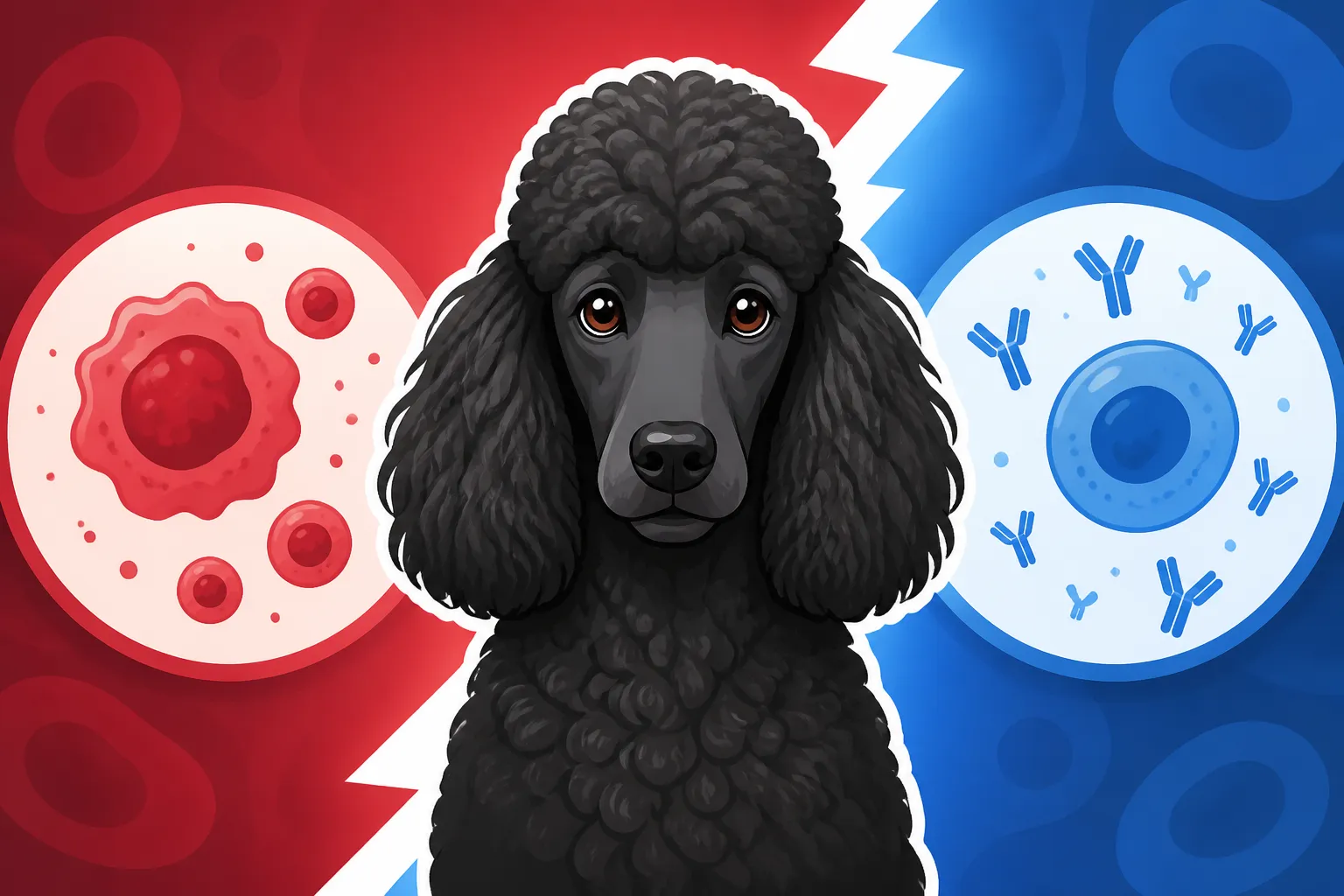
A healthy immune system is incredibly complex and relies on a diverse array of genes to function correctly, recognizing and fending off threats without harming the body itself. When genetic diversity is compromised, this delicate balance can be thrown off. In Standard Poodles, this has led to a documented predisposition for the immune system to misfire. Instead of simply attacking bacteria or viruses, it starts attacking healthy cells and organs. This isn't just a random occurrence; it's a systemic vulnerability.
Think of it like a highly specialized army with limited training protocols. If all the soldiers are trained the same way and lack diverse skills, they might perform exceptionally well in one specific scenario but crumble when faced with an unexpected type of enemy. Similarly, a genetically bottlenecked immune system may struggle to adapt and correctly identify 'self' from 'non-self' when faced with environmental triggers, leading to autoimmune responses. This makes Standard Poodles more susceptible to conditions where their immune system effectively turns against them, leading to chronic and sometimes life-threatening illnesses. It's a heavy price to pay for the uniformity that selective breeding once sought to achieve.
Addison's Disease: The Great Pretender
One of the most prominent autoimmune diseases in Standard Poodles is Addison's Disease, also known as hypoadrenocorticism. This condition is notoriously difficult to diagnose because its symptoms are often vague and can mimic many other illnesses or even simple behavioral issues. It's precisely why it's earned the nickname "the great pretender." For Standard Poodle owners, this means staying extra vigilant and being aware of the subtle signs.
Addison's Disease primarily affects the adrenal glands, two small glands located near the kidneys that produce essential hormones like cortisol and aldosterone. In dogs with Addison's, the immune system mistakenly attacks and destroys the outer layers of these glands, leading to a deficiency in these crucial hormones. Without proper levels of cortisol (the "stress hormone") and aldosterone (which regulates electrolytes), a dog's body struggles to cope with stress, maintain blood pressure, and balance essential minerals like sodium and potassium. Many Poodle owners who have faced this condition often say their dog's "sulking" was actually an early sign. You can delve deeper into this phenomenon by reading about Poodle Addison's Mistaken for Sulking.
The Autoimmune Attack on Adrenal Glands
In a Standard Poodle predisposed to Addison's, the immune system mistakenly identifies the adrenal gland cells as foreign invaders and mounts an attack. This is a progressive process, meaning the destruction of the adrenal tissue happens over time. Initially, the remaining healthy cells might be able to compensate, but eventually, enough tissue is destroyed that the glands can no longer produce sufficient hormones. This is why symptoms often appear gradually, sometimes waxing and waning, making diagnosis even more challenging.
The precise triggers for this autoimmune attack aren't fully understood, but it's clear that there's a significant genetic component in Standard Poodles. Certain genes are believed to increase the risk, and if a Poodle inherits these genes, their immune system is primed for this misdirection. This genetic link explains why Addison's is more prevalent in Standard Poodles compared to other breeds, and why it can sometimes run in certain family lines. Understanding the fundamental issue of Why Poodle Addison's Is the Great Pretender is key for early detection. The good news is that once diagnosed, Addison's is manageable, but it requires lifelong treatment and careful monitoring.
Recognizing the Subtle Signs
The symptoms of Addison's Disease are incredibly varied, which is what makes it so challenging to pinpoint. Early signs might be as mild as lethargy, a decreased appetite, or intermittent vomiting and diarrhea. A Poodle might seem "off" for a few days, then appear to recover, only for the symptoms to return later. This roller-coaster of symptoms often leads owners and even vets down paths of investigating gastrointestinal issues or general malaise, delaying the correct diagnosis.
As the disease progresses, symptoms can become more severe, including weight loss, increased thirst and urination, shivering, muscle weakness, and even a slow heart rate. In a severe "Addisonian crisis," a dog can collapse, go into shock, and their life can be immediately threatened. If you suspect Addison's, your vet will perform specific tests to measure hormone levels and electrolyte balance. Learning about the First Signs of Addison's in a Poodle can literally be life-saving. While the diagnosis can be daunting, effective treatments are available, typically involving daily medication to replace the hormones the adrenal glands can no longer produce, leading to a good quality of life for most affected Poodles.
Sebaceous Adenitis: A Poodle's Skin Challenge
Another significant autoimmune condition disproportionately affecting Standard Poodles is Sebaceous Adenitis (SA). This disease targets the sebaceous glands, which are tiny glands in the skin responsible for producing sebum, an oily substance that lubricates the skin and hair, keeping it healthy and supple. Like Addison's, SA is a genetically linked autoimmune disorder where the immune system attacks and destroys these essential glands.
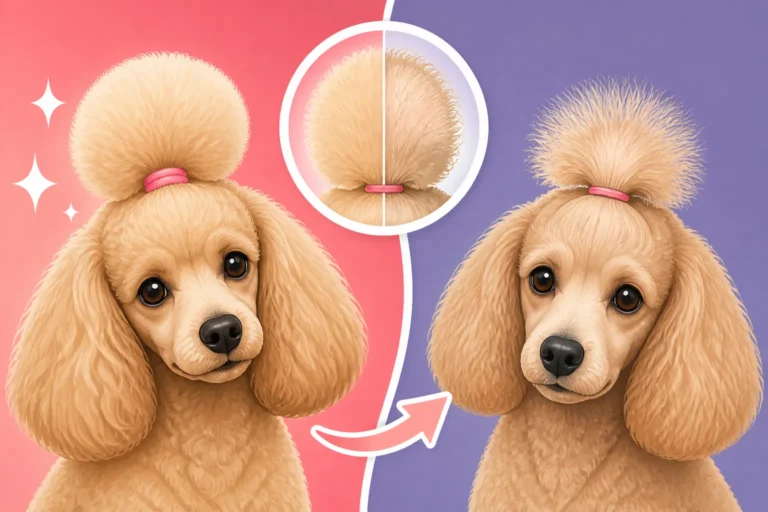
The effects of SA are primarily visible on the skin and coat, leading to a range of uncomfortable and often disfiguring symptoms. While it doesn't carry the same immediate life-threatening crisis risk as severe Addison's, it significantly impacts a Poodle's quality of life, comfort, and appearance. Managing SA is a dedicated effort, often requiring a multifaceted approach to support the compromised skin barrier and soothe inflammation. Many owners first notice symptoms on their Poodle's topknot or along their back, which is a common presentation point. For more detailed information, consider reading How Adenitis Shows Up on a Poodle's Back.
The Immune System Targeting Skin Glands
In Sebaceous Adenitis, the Poodle's immune system launches an inflammatory attack specifically on the sebaceous glands within the skin. This inflammation leads to the progressive destruction of these glands, which means they can no longer produce sebum. Without this natural oil, the skin becomes dry, flaky, and prone to secondary infections. The hair follicles also suffer from a lack of lubrication, leading to hair breakage, dullness, and eventually, hair loss.
The genetic predisposition for SA in Standard Poodles is well-established. It's considered an autosomal recessive trait in some lines, meaning a Poodle needs to inherit two copies of the faulty gene (one from each parent) to develop the disease. However, the inheritance pattern can be more complex, with other genes possibly playing a role. The impact can vary greatly, from mild, localized lesions to severe, widespread hair loss and skin issues across the entire body. Breeders have made strides in identifying carriers, but the prevalence remains a concern within the breed. Diagnostic testing, often through a skin biopsy, is crucial to confirm the presence of Sebaceous Adenitis. This is further explained in Skin Biopsies That Confirm Poodle Adenitis.
Managing the Coat and Skin
Living with a Standard Poodle affected by Sebaceous Adenitis requires a significant commitment to skin and coat care. Since the sebaceous glands are destroyed, external treatments are necessary to mimic their function and keep the skin hydrated and healthy. This typically involves regular bathing with specialized medicated shampoos, conditioning treatments, and often, oil soaks. These oil soaks, using products like mineral oil or various natural oils, help to rehydrate the skin, lift scales, and restore some of the missing lipid barrier.
Beyond topical treatments, some Poodles with SA may benefit from oral medications, including immune-modulating drugs or fatty acid supplements. The goal is not just to manage symptoms but also to prevent secondary bacterial or yeast infections that can occur when the skin's natural defenses are compromised. It's a continuous process that often involves working closely with a veterinary dermatologist. While SA can't be cured, consistent and diligent care can significantly improve a Poodle's comfort and quality of life. Owners are encouraged to learn more about Oil Soaks for a Poodle With Adenitis to provide the best care.
Other Autoimmune Considerations and Proactive Steps
While Addison's Disease and Sebaceous Adenitis are the most widely recognized autoimmune issues in Standard Poodles, their compromised immune system can leave them susceptible to other related conditions. It's a stark reminder that when a breed's genetic diversity is limited, the ripple effects can be far-reaching, impacting multiple facets of health. Being informed and proactive is the best way to support your Poodle's long-term well-being.
One common autoimmune condition to be aware of is autoimmune thyroiditis, a form of hypothyroidism where the immune system attacks the thyroid gland. While not exclusive to Poodles, they do have a higher incidence. The symptoms can include lethargy, weight gain, hair loss, and sensitivity to cold. Additionally, some Standard Poodles may develop immune-mediated hemolytic anemia (IMHA) or immune-mediated thrombocytopenia (ITP), where the immune system attacks red blood cells or platelets, respectively. These conditions require immediate veterinary attention and aggressive treatment. The overarching theme is a hyperactive or misdirected immune response.
Broader Autoimmune Tendencies
The heightened risk for Addison's and SA in Standard Poodles isn't isolated; it points to a broader genetic susceptibility to immune system dysfunction. This means that if a Poodle is predisposed to one autoimmune disease, they might also have a higher chance of developing another. It’s like their immune system has a general tendency to overreact or misidentify, and different triggers or genetic pathways can lead to different manifestations of this underlying vulnerability. This concept helps explain Why Standard Poodles Carry Two Autoimmune Diseases.
This also underscores the importance of a holistic approach to Poodle health. Maintaining a healthy lifestyle, providing a balanced diet, minimizing stress, and ensuring regular veterinary check-ups can all contribute to supporting a Poodle's immune system. While you can't change their genetics, you can manage their environment to be as supportive as possible. Awareness of potential symptoms for a range of autoimmune diseases is key, so you can catch issues early and consult your vet promptly.
Responsible Breeding and Health Testing
For those considering adding a Standard Poodle to their family, choosing a reputable breeder is paramount. Responsible breeders are acutely aware of these genetic predispositions and actively work to minimize the risk through health testing and careful breeding choices. This includes screening breeding stock for Addison's and SA, as well as other common Poodle health concerns like hip and elbow dysplasia, eye conditions, and thyroid disease. Look for breeders who openly share health clearances and can discuss the health history of their lines for several generations. The AKC Canine Health Foundation and the Poodle Club of America offer excellent resources for understanding breed-specific health concerns and recommended health screenings.
For prospective Poodle parents, it's vital to inquire about What a Poodle Breeder Must Test For specifically. They should be transparent about their dogs' Coefficient of Inbreeding (COI), which is a measure of how inbred a dog is. A lower COI generally indicates greater genetic diversity. While no breeder can guarantee a dog will never develop an autoimmune disease, ethical breeders strive to stack the odds in your favor by making informed decisions based on extensive health testing and genetic diversity.
Living with an Autoimmune Poodle
Discovering that your beloved Standard Poodle has an autoimmune disease can be overwhelming, bringing with it a mix of emotions—fear, frustration, and a deep desire to help. The reality is that managing these conditions often involves lifelong commitment, including regular vet visits, medication, and specialized care. It's a journey that requires patience, consistency, and financial planning.
The good news is that with dedicated care, many Poodles with Addison's or SA can live full, happy lives. Support groups for owners of Poodles with these conditions can provide invaluable advice, shared experiences, and emotional support. Financial planning is also a crucial aspect, as lifelong medications and frequent vet visits can add up. Pet insurance, such as through providers like Healthy Paws, can be an absolute lifesaver, helping to cover the ongoing costs of treatment and monitoring, which can significantly ease the burden. Understanding Monthly Medication Costs for an Addisonian Poodle or Whether a Poodle Policy Excludes Adenitis can help you prepare. Your Poodle relies on you to be their advocate, and by understanding their genetic vulnerabilities, you can provide the best possible care, ensuring they continue to bring joy and companionship to your life for years to come.
| Autoimmune Disease | Primary Target | Common Symptoms (Standard Poodle) | Management | Prognosis (with management) |
|---|---|---|---|---|
| Addison's Disease | Adrenal Glands | Lethargy, vomiting, diarrhea, weight loss, weakness, collapse | Lifelong hormone replacement (oral or injection) | Good |
| Sebaceous Adenitis | Sebaceous Glands | Dry skin, scaling, hair loss, dull coat, secondary infections | Regular medicated baths, oil soaks, immune-modulating drugs | Good (requires diligent care) |
| Autoimmune Thyroiditis | Thyroid Gland | Lethargy, weight gain, hair loss, cold intolerance, skin changes | Lifelong thyroid hormone replacement (oral) | Good |
| IMHA/ITP | Red Blood Cells/Platelets | Pale gums, weakness, bruising, lethargy, fever | Immune suppressants, blood transfusions (crisis) | Guarded to good (can be severe) |
Disclaimer
This article is for general informational purposes only and does not constitute professional advice. Laws, prices and regulations vary by location and change over time. Consult a qualified professional for guidance on your specific situation.