How Reserved a Poodle Is With Visitors
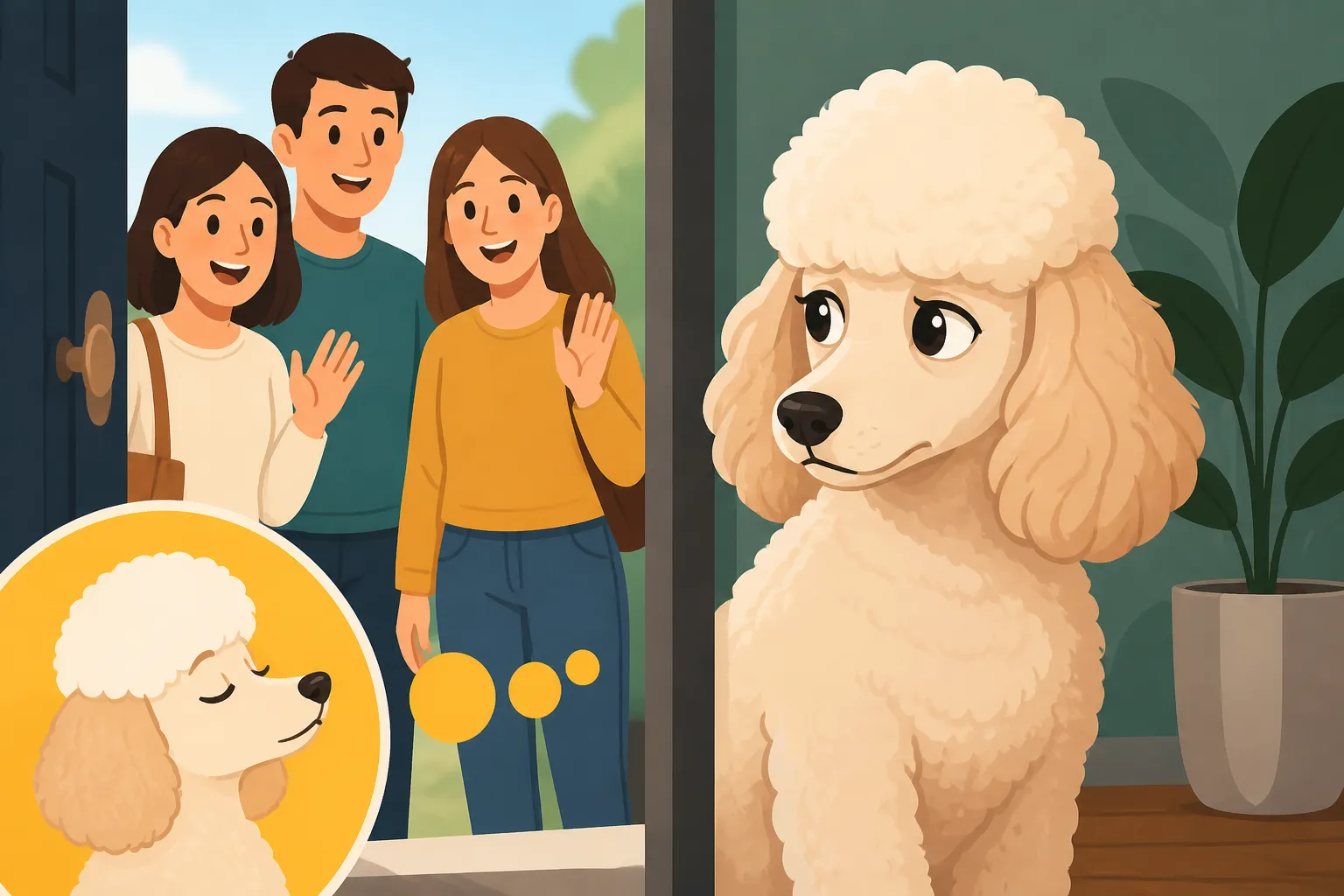
One common surprise for new Poodle owners, and even for seasoned ones when they welcome guests, is just how reserved these intelligent dogs can be with strangers. Unlike some breeds that greet every new face with exuberant tail wags and slobbery kisses, a Poodle often takes a more discerning approach, which can sometimes be mistaken for aloofness or even rudeness. This guide will delve into the nuances of Poodle behavior around visitors, helping you understand why they act the way they do and offering practical strategies to ensure comfortable interactions for everyone involved.
The Poodle's Natural Inclination Towards Reserve
It’s easy to look at a Poodle, especially one in a fancy clip, and assume they’re all show and no substance when it comes to temperament. But nothing could be further from the truth. Poodles are deeply intelligent and often have a keen sense of observation, which translates into a more thoughtful, less impulsive approach to new people and situations. Their reserve isn't a flaw; it's often a manifestation of their innate character.
Historical Roots of Poodle Temperament
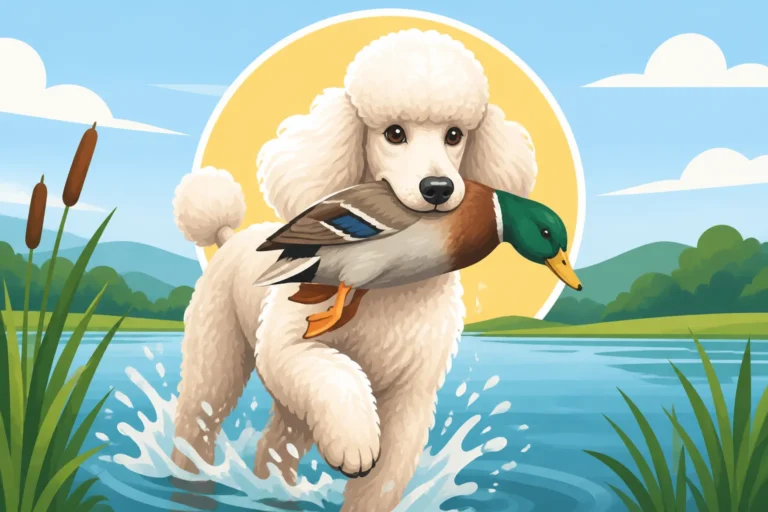
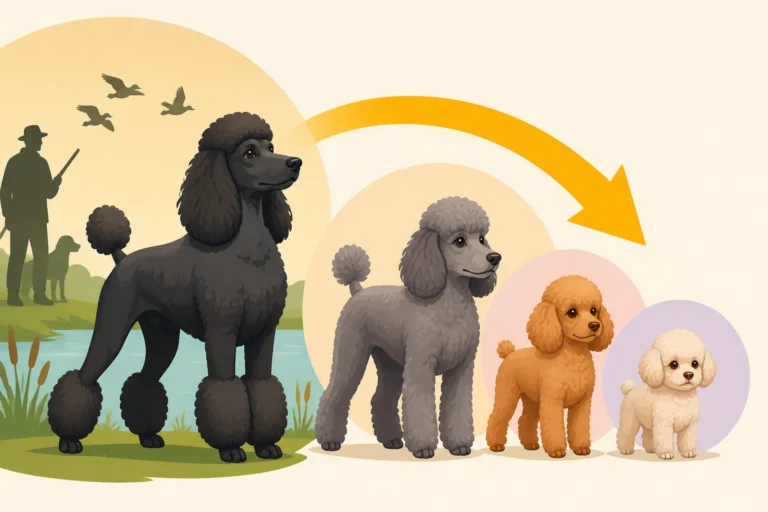
To truly understand why a Poodle might hang back when the doorbell rings, we need to glance back at their origins. Poodles weren't bred to be effusive greeters or universal best friends. They were, first and foremost, working dogs, specifically waterfowl retrievers. Imagine a hunter and their Poodle out in the marsh. That dog needed to be focused on its task, discerning, and intelligent, but not necessarily overly friendly or distracting towards every person it encountered. Their primary bond was with their handler, and their job required a certain independence of thought, combined with a willingness to take direction.
This history informs their modern temperament. While they form incredibly strong bonds with their chosen family, their intelligence often means they observe first, assess the situation, and then decide how to react. They aren't wired for indiscriminate affection in the same way, say, a Labrador might be, which was bred for constant human interaction in a much broader sense. It’s a quiet thoughtfulness, rather than an immediate outpouring of emotion, that often defines their initial interactions.
The Spectrum of Poodle Reactions to Strangers
It's important to remember that just like people, not all Poodles are carbon copies of each other. While a general tendency towards reserve exists, the intensity and manifestation of this trait can vary significantly. You might encounter a Poodle who offers a polite, almost indifferent nod to a new arrival before retreating to their bed for a nap. This Poodle might not seek affection from guests but tolerates their presence without fuss.
On the other end of the spectrum, you could have a Poodle who is genuinely shy or even fearful around new people. This might manifest as cowering, attempting to hide, or even alarm barking from a safe distance. Their body language might be tight, their tail low, and they might avoid eye contact. Then there are those in the middle, who will cautiously observe, maybe approach for a quick sniff, and then decide if the visitor is "worth" further interaction. This discernment is part of their charm, even if it can be a little embarrassing for owners who expect a more universally friendly greeting. Factors like genetics, the quality of their early socialization, and their individual personality all play a huge role in where a particular Poodle falls on this spectrum.
Why a Poodle Might Be Wary: Understanding the Triggers
If your Poodle consistently displays a reserved or even fearful demeanor around visitors, it’s worth exploring the underlying reasons. It’s rarely about being "naughty" and almost always about their comfort, past experiences, or lack thereof. Understanding the triggers can help you address the behavior more effectively.
Lack of Early and Varied Socialization
The first few months of a Poodle puppy's life are absolutely critical for shaping their view of the world. This is their primary socialization window, usually from about 3 to 16 weeks of age. During this time, positive exposure to a wide variety of people – different ages, genders, appearances (hats, glasses, beards), and gaits – is paramount. If a Poodle puppy misses out on this crucial period, or if their experiences were limited, they can grow up to be wary or fearful of anything new, including unfamiliar people.
Imagine a puppy raised in isolation, only ever meeting their immediate family. When a new person suddenly appears, it’s not just a new face; it’s an entirely novel and potentially intimidating creature. Without a broad mental catalog of positive interactions with various types of people, the Poodle's natural reserve can easily tip into suspicion or anxiety. This is why reputable breeders make a point of Socializing a Poodle Before It Turns Wary, exposing their puppies to many different stimuli in a controlled, positive way before they even go to their new homes.
Negative Past Experiences or Trauma
For Poodles adopted from rescue organizations or those who have experienced a less-than-ideal start in life, a negative past experience can deeply impact their comfort level with strangers. This could range from a single scary encounter, like being startled by a loud child or stepped on accidentally, to more severe trauma like abuse or neglect. Even subtle negative interactions, if repeated, can cement a fear of unfamiliar people.
A Poodle who has been harshly handled or has learned that strangers equal discomfort will naturally try to protect themselves by avoiding interaction, hiding, or, in extreme cases, resorting to defensive behaviors like growling or snapping. It’s a defense mechanism, not an act of aggression, and understanding this distinction is vital. It’s like a person who was once bitten by a dog and now flinches every time a dog approaches – the reaction is learned and deeply ingrained, requiring patience and understanding to overcome.
Over-Protective or Anxious Owners
Sometimes, inadvertently, our own emotions and behaviors can influence our Poodle's reactions. If an owner is overly anxious when guests arrive, perhaps fretting about how their dog will behave or constantly reassuring a mildly nervous Poodle, the dog can pick up on this stress. Poodles are incredibly attuned to their owners’ emotions, and if you're signaling that there's something to be worried about, your Poodle will likely internalize that message.
An owner who scoops up their Toy Poodle every time a new person enters, or who creates a dramatic fuss around introductions, can unintentionally teach their Poodle that strangers are indeed a threat requiring protection. While wanting to protect your dog is natural, projecting anxiety can reinforce wary behavior. A calm, confident owner, on the other hand, can act as a secure base, signaling to their Poodle that new people are a normal, non-threatening part of life. They might observe their Poodle and then calmly take steps to help, rather than making a big deal out of it.
Managing Introductions and Visitor Interactions
When it comes to visitors, the goal isn't necessarily to force your reserved Poodle to be an outgoing social butterfly. Instead, it's about managing the environment and interactions to ensure your Poodle feels safe, respected, and comfortable, while also allowing your guests to feel at ease. It's a balance, and it often starts before the doorbell even rings.
Preparing for Guests: Setting the Poodle Up for Success
Preparation is key when you know visitors are coming. Before your guests arrive, ensure your Poodle has had ample exercise – a good long walk or a vigorous play session can help burn off nervous energy. A tired Poodle is often a calmer Poodle. Next, consider creating a designated "safe space" for your Poodle, perhaps their crate in a quiet room, or a bed behind a baby gate in a less-trafficked area. This gives them an escape route and a place to retreat if they feel overwhelmed.
Communicating expectations to your guests beforehand is also crucial. Politely ask them to ignore your Poodle initially, to let the dog approach them, and to avoid direct eye contact or sudden movements. You can also provide high-value, long-lasting distractions, like a Kong toy stuffed with peanut butter or a chew toy from Chewy. Offering this as soon as guests arrive can occupy your Poodle's mind and associate visitors with positive, rewarding experiences, rather than just stress.
Controlled and Positive Introductions
When your guests arrive, the way the initial interaction unfolds can set the tone for the entire visit. Encourage your visitors to adopt the "ignore the dog" rule. This might sound counterintuitive, but for a reserved Poodle, being rushed or doted upon can be incredibly intimidating. Instead, have your guests settle in, chat amongst themselves, and allow your Poodle to observe from a distance.
Let your Poodle make the first move. If they decide to approach, they might sniff a leg or a hand. Advise your guests to keep their movements slow and their voices calm. A good trick is to have guests sit down, making them less imposing, and then gently offer a hand (palm up, not reaching over) for the Poodle to sniff. If the Poodle is receptive, a gentle scratch under the chin or on the chest is usually better than a pat on the head, which can feel threatening. Always have high-value treats on hand. If your Poodle chooses to approach a guest, the guest can gently toss a treat away from themselves, allowing the Poodle to come closer on their own terms, retrieve the treat, and retreat if needed. This builds positive associations.
Recognizing and Respecting Your Poodle's Boundaries
Learning to read your Poodle's body language is absolutely vital, especially during new introductions. Poodles, like all dogs, communicate their comfort level through subtle signals. A Poodle who is licking their lips, yawning frequently (outside of being sleepy), turning their head or body away, having a low or tucked tail, or showing the whites of their eyes (half-moon eye) is indicating discomfort or stress. Reading a Poodle's Body Language is a skill every owner should cultivate.
If you observe these signs, it's time to step in and give your Poodle space. This might mean gently guiding them to their safe zone, or simply telling your guests, "Fido needs a little break right now." Never force your Poodle into an interaction they're clearly uncomfortable with. This can erode their trust in you and potentially lead to more severe fear responses in the future. Respecting their boundaries isn't about coddling; it's about providing a sense of security and control, which ultimately builds confidence.
Training and Long-Term Strategies for a Confident Poodle
While managing immediate interactions is crucial, long-term confidence building through training and consistent exposure is key to helping your reserved Poodle feel more at ease with visitors over time. This isn't a quick fix, but a journey that reinforces trust and positive associations.
Building Confidence Through Positive Reinforcement
One of the best ways to help a reserved Poodle is to build their overall confidence through positive reinforcement training. Poodles are incredibly intelligent, often ranked as Training the Second Smartest Dog Breed, which means they thrive on mental stimulation and learning. Engaging them in obedience training, trick training, or dog sports like agility can empower them and make them feel more capable in various situations. When they learn new cues and successfully perform tasks, it boosts their self-esteem.
Specific cues can be incredibly helpful when guests arrive. Teach your Poodle a "go to mat" or "place" command, rewarding them heavily for staying calm on their designated spot while visitors are present. This gives them a clear job and a comfortable place during potentially stressful times. Techniques like counter-conditioning and desensitization are also powerful. This involves gradually exposing your Poodle to the trigger (new people) at a low intensity, pairing it with something highly positive (like a favorite treat or game), to change their emotional response from fear to anticipation of good things.
Structured Exposure and Desensitization
Beyond internal confidence, structured exposure to new people is essential. This doesn't mean throwing your Poodle into a crowded park, but rather carefully orchestrating positive, low-stress interactions. Start small: perhaps invite a single, calm friend over who understands the "ignore the dog" rule and is willing to toss treats gently. Keep these sessions short and always end on a good note, before your Poodle shows signs of significant stress.
Gradually, you can increase the duration or the number of people, always ensuring the experience remains positive. Consider taking your Poodle to dog-friendly places where they can observe people from a safe distance, like a quiet corner of an outdoor cafe or a park bench. They get to see different types of people without the pressure of direct interaction. Each successful, positive interaction, no matter how small, chips away at their wariness and builds a foundation of trust that new people can be okay.
When Professional Help is Needed
There are times when a Poodle's reserve tips into something more serious, like genuine fear or even aggression (growling, snapping, lunging) directed at strangers. If you find yourself struggling to manage your Poodle's reactions, or if their behavior is escalating, it’s crucial to seek professional help. Self-diagnosing and trying to fix complex behavioral issues on your own can sometimes inadvertently make things worse.
Look for a certified professional dog trainer or a veterinary behaviorist who specializes in positive reinforcement and force-free methods. These professionals can assess your Poodle's specific situation, identify underlying causes, and develop a tailored behavior modification plan. It's particularly important for a sensitive breed like the Poodle to avoid trainers who use punishment or harsh methods, as this can severely damage their trust and exacerbate fear-based behaviors. Finding a Trainer Who Uses No Force on a Poodle is paramount for their emotional well-being and progress. Remember, a growl from your Poodle is a communication, not a challenge, and needs to be addressed with understanding and professional guidance. When a Poodle's Growl Needs a Behaviorist to interpret and address the underlying fear.
Living with a Reserved Poodle: Embracing Their Unique Personality
Ultimately, living with a reserved Poodle often means embracing their unique personality and learning to appreciate their discerning nature. It doesn't mean you have a "bad" dog; it means you have a Poodle, and their intelligence and sensitivity are part of what makes them so special.
Appreciating Their Discernment
While some owners might feel embarrassed or even frustrated by a Poodle who isn't immediately friendly with everyone, try to shift your perspective. Their reserve isn't rudeness; it's often a manifestation of their thoughtful, discerning nature. They're not giving their affection away lightly, and when they do choose to form a bond, it is usually incredibly strong and loyal.
A Poodle who takes time to assess new people is demonstrating their intelligence and judgment. They're not seeking superficial interactions; they're looking for genuine connection and safety. Once they accept someone into their inner circle, you'll often find they are deeply affectionate, devoted, and a true companion. This deep bond, earned through trust and understanding, is far more rewarding than an indiscriminate greeting.
The Role of Routine and Predictability
Poodles, like many intelligent breeds, often thrive on routine and predictability. A stable and consistent home environment provides them with a sense of security, which can help mitigate anxiety around new situations, including visitors. When they know what to expect, they can relax more easily.
If possible, try to establish a routine around visitor arrivals. Perhaps every time someone new comes, your Poodle goes to their crate with a special chew, or they get to perform a series of known tricks for treats. Creating these predictable patterns can turn a potentially stressful event into a manageable one. A consistent daily schedule for walks, feeding, and play also contributes to their overall sense of well-being, reducing general anxiety that might spill over into interactions with strangers.
Advocating for Your Poodle's Comfort
As a Poodle owner, you are your dog's primary advocate. This means not feeling guilty about protecting your Poodle and setting boundaries with well-meaning, but sometimes overbearing, guests. It’s perfectly acceptable to politely inform visitors about your Poodle's reserved nature and explain the best ways to interact, or not interact, with them.
Phrases like, "Fido is a bit shy, so it's best to let him approach you," or "Please don't lean over him; he gets nervous," are perfectly appropriate. Your Poodle trusts you to keep them safe and comfortable, and upholding that trust is paramount to their long-term emotional health. You might even consider having a small sign near the door for guests, or a basket of Poodle-safe treats with instructions on how to offer them gently. This proactive approach helps your Poodle, educates your guests, and maintains harmony in your home.
| Poodle Reaction to Visitors | Possible Meaning | Owner Response |
|---|---|---|
| Polite Indifference | "I acknowledge you, but I'm not interested in interacting." | Allow the Poodle to retreat to their safe space. Don't force interaction. |
| Cautious Observation | "I'm assessing the situation and deciding if you're safe." | Encourage guests to ignore the Poodle. Let the Poodle approach on their own terms. Guests can gently toss treats away from themselves. |
| Soft Greetings (Sniff) | "You seem okay. I might interact if you're calm." | Advise guests to remain calm, avoid direct eye contact, and offer a hand gently for sniffing. A soft, quiet voice is best. |
| Alarm Barking | "You are new and potentially threatening; stay away!" | Reassure your Poodle calmly. Redirect with a known command (e.g., "sit," "stay"). Provide a high-value chew or puzzle toy in their safe space. Address Poodle Alarm Barking through training. |
| Cowering/Hiding | "I am scared and want to disappear." | Immediately provide a safe, quiet retreat. Do not force interaction. Ask guests to completely ignore the Poodle. Work on building confidence away from visitors. |
| Growling/Snapping | "I am very uncomfortable and need you to back off." | Immediately remove the Poodle from the situation to a safe space. This indicates significant fear or stress. Seek professional help from a certified behaviorist. |
Disclaimer
This article is for general informational purposes only and does not constitute professional advice. Laws, prices and regulations vary by location and change over time. Consult a qualified professional for guidance on your specific situation.