Living With a Pair of Poodles
Bringing one Poodle into your life is a joyful, albeit demanding, experience. But what happens when that joy multiplies, and you find yourself dreaming of, or already living with, a pair of Poodles? Many Poodle owners ponder whether adding a second curly companion doubles the pleasure or simply doubles the problems. This guide will walk you through the real-world considerations, from managing daily logistics to navigating the unique bond and potential challenges of a multi-Poodle household, helping you prepare for or thrive in your dual-Poodle adventure.
The Logistics of Double the Poodle Joy and Work
There's no denying that two Poodles mean more of everything – more love, more laughter, and, yes, more logistics. It’s not simply a matter of having twice the supplies; it's about managing an integrated system where two intelligent, sensitive creatures interact with each other and their environment. From keeping their fabulous coats in tip-top shape to ensuring their tummies are full, every routine requires a little more thought and effort when you have two sets of paws prancing around.
Managing the Double Grooming Routine
Ah, the Poodle coat! It’s one of their most defining features, a plush, curly wonderland that simply never stops growing. With one Poodle, you already know the commitment: regular brushing, bathing, and professional grooming appointments are non-negotiable. Now, imagine that commitment times two. It’s not just about spending double the time; it's about scheduling, patience, and often, a dedicated space. You'll quickly discover What Grooming Adds to a Poodle's Lifetime Cost when you add a second dog.
Picture this: you've just finished line-brushing your Standard Poodle, Coco, a meticulous hour-long affair. You put your brushes away, stretch, and then remember—your Miniature Poodle, Beau, is waiting his turn. This is where many multi-Poodle owners feel the crunch. Their coats might be different in texture or density, leading to varying grooming needs. Coco might be prone to matting behind her ears, while Beau might develop tangles on his fluffy legs. You'll need to develop a consistent schedule, perhaps grooming one Poodle in the morning and the other in the evening, or dedicating specific days to each. Remember, skipping a session for one because you're tired after grooming the other is a fast track to mats and discomfort for your furry friend. Be prepared for What a Second Poodle Does to the Grooming Bill if you rely solely on professional services. If you groom at home, ensure you have two sets of fresh blades for your clippers or keep a sharpener handy, as Poodle coats can dull blades surprisingly quickly.
Feeding Two Poodles Without Chaos
Mealtimes can be a surprisingly complex dance in a multi-dog home. Poodles are intelligent, and they can be quite food-motivated, which can lead to competition, resource guarding, or one Poodle eating the other's meal if you're not careful. This isn't just about ensuring both dogs get enough; it's about maintaining peace and ensuring proper nutrition tailored to each Poodle's needs, especially if they are different sizes or ages. For instance, the feeding requirements for a tiny Toy Poodle are vastly different from those of a robust Standard.
If you have two Poodles of different sizes, like a graceful Standard Poodle and a dainty Toy Poodle, their food types and portion sizes will vary significantly. The larger Poodle might be on a large-breed specific kibble, while the smaller one needs tiny kibble to prevent choking or dental issues. You'll need separate bowls, of course, but also separate feeding stations. Some owners feed in different rooms, or use crates, to prevent any anxiety or competitive eating. Imagine trying to manage a Standard Poodle's hunger while ensuring your Toy Poodle gets every morsel of their carefully measured Monthly Food Cost for a Toy Poodle. Over time, you'll learn the rhythms and quirks, but in the beginning, expect a watchful eye at meal times. Feeding a Standard Poodle for a Month can already be substantial, so doubling it requires careful budgeting and management. Using an online retailer like Chewy can help you manage different food types and ensure you always have enough in stock for both.
Space, Supplies, and Sanity
Two Poodles occupy more space, require more gear, and inevitably contribute more to the daily ebb and flow of a household. This isn't just about physical items; it's about the mental space you need to manage two active, smart dogs and the potential for increased wear and tear on your home. It’s about being realistic about what your living situation can comfortably accommodate and what your budget allows beyond the initial purchase.
Consider the practicalities. You'll need two beds – or maybe three, because Poodles love options! You'll need double the leashes, collars, toys, and grooming tools like slicker brushes and combs. A double dog crate might be an option, or two separate crates if your Poodles prefer their own den. Even something as simple as car travel becomes a logistical puzzle: does your vehicle have enough space for two crated Poodles? Will they both fit comfortably in the back seat with appropriate restraints? It's not just the purchase price of these items; it's the ongoing replacement. Toys, especially for clever Poodles, get destroyed quickly, and chew items disappear twice as fast. Don't forget the extra wear on carpets, upholstery, and even your landscaping from increased foot traffic and potty breaks. Many owners find that shopping for essentials for two Poodles through a pet supply website like Chewy helps consolidate purchases and manage the budget. It's often the accumulation of these smaller, ongoing expenses that makes you realize What a Poodle Owner Forgets to Budget.
Navigating Poodle Personalities and Training Dynamics
Poodles are renowned for their intelligence and sensitive natures. While having two of them often means built-in companionship, it also introduces a whole new layer of social dynamics into your home. You're no longer just training one dog; you're often managing the interactions between two, understanding how they influence each other, and ensuring each Poodle feels equally loved and engaged. This can be one of the most rewarding aspects, watching their bond grow, but it certainly comes with its own set of challenges.
Individual Attention Versus Pack Mentality
One of the most profound shifts with two Poodles is the balance between their relationship with each other and their relationship with you. Poodles are naturally social and thrive on companionship, so having a canine buddy is often a huge bonus for them. However, it's crucial that this bond doesn't overshadow their individual connection with you. Each Poodle still needs to feel like they are your special dog, not just one half of a pair. This requires conscious effort to provide dedicated one-on-one time.
If your Poodles are deeply bonded, they might develop a "pack mentality" where they rely heavily on each other for comfort and security. While sweet, this can sometimes make them less attentive to you, or even amplify certain behaviors. For example, if one Poodle is nervous about something, the other might quickly pick up on that fear. It's vital to maintain individual training sessions, separate walks (even if just around the block), and solo cuddle times. This ensures each Poodle's confidence and responsiveness to you remains strong, preventing them from becoming overly dependent on their sibling. It's a delicate dance, fostering their bond while nurturing their unique personalities and ensuring they see you as the primary leader and source of affection. Understanding individual attention versus pack mentality is key to a harmonious multi-dog home.
Training Two Poodles Simultaneously
Training one Poodle is a rewarding experience; training two can be a masterclass in multitasking and consistency. While Poodles are quick learners and eager to please, having another Poodle present can be a distraction, for better or worse. Sometimes, one Poodle will learn by observing the other, but other times, they might egg each other on or compete for attention, making focused training difficult.
It's often recommended to train each Poodle separately for foundational cues, at least initially. This allows you to give your full attention to one dog, identify their individual learning style, and build a solid understanding without the added variable of a sibling. Once they both have a strong grasp of commands individually, you can then practice together, teaching them to work cooperatively or ignore distractions. For instance, teaching "sit" and "stay" to Coco, then to Beau, and only then practicing "Coco, sit! Beau, stay!" can prevent confusion. You might find one Poodle is a natural at retrieving, while the other excels at obedience. Some Poodle owners even venture into advanced training or dog sports with their duo, aiming for Poodle Obedience and Rally Titles with each dog, which certainly requires dedication. Be prepared for one Poodle to try and "help" the other, or to try and steal a treat meant for their sibling! Consistency and patience are your best friends here.
Dealing with Poodle Squabbles and Play
Even the best of friends have disagreements, and your Poodle pair will be no exception. Whether it's a playful spat over a favorite toy, a brief tussle for the prime spot on the sofa, or a deeper misunderstanding, knowing how to interpret and manage their interactions is crucial for maintaining a peaceful household. Poodles, with their inherent sensitivity, often communicate subtle cues that you'll learn to recognize.
Often, Poodle play can look quite rough to an untrained eye – lots of vocalizations, chasing, and mock-fighting. It's important to differentiate between healthy play and genuine conflict. Are both Poodles initiating play, or is one constantly harassing the other? Is there growling that sounds playful, or is it tense and accompanied by stiff body language? Resource guarding, where one Poodle protects food, toys, or even your attention from the other, can also become an issue. If you notice signs of true aggression, such as snapping, prolonged staring, or actual bites, professional intervention might be necessary. But for most minor squabbles, a simple redirect or a firm "enough" can be effective. Sometimes, one Poodle might even "tattle" on the other, bringing you a toy that their sibling tried to hog. You'll become an expert in Poodle body language, recognizing the nuances of their interactions and intervening only when necessary, allowing them to work things out when appropriate.
The Emotional Rewards and Hidden Hurdles of a Poodle Pair
There's an undeniable magic to living with two Poodles. The sight of them curled up together, the way they communicate with each other, and the sheer double dose of Poodle affection can be incredibly heartwarming. However, it's also important to be realistic about the increased demands on your time, finances, and emotional energy. The rewards are immense, but so are the responsibilities.
Companionship and Comfort
One of the most frequently cited reasons for getting a second Poodle is companionship for the first. And it's true, for many Poodles, having a constant canine companion can significantly enrich their lives. They have a playmate, a snuggle buddy, and someone who "gets" them in a way no human ever truly can. This can be especially beneficial if you work long hours or have a Poodle prone to separation anxiety. Many owners report a calmer, happier household once the initial adjustment period is over, as their Poodles can entertain each other. This is often why people consider Whether a Second Poodle Fixes Loneliness.
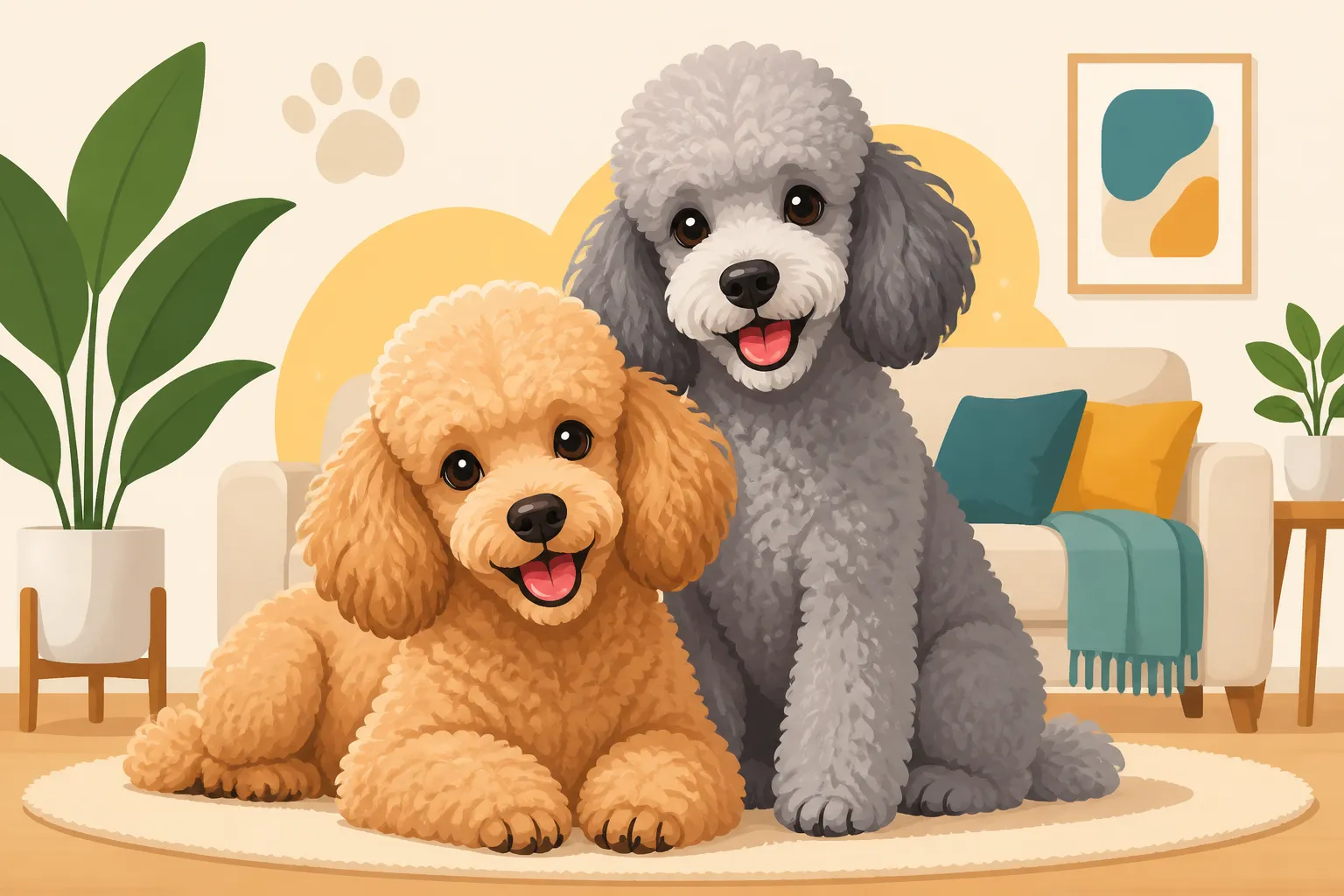
Imagine coming home to not one, but two enthusiastic Poodle greetings, a flurry of wiggles and happy barks. Or seeing them chase each other around the yard, expending energy in ways a solo walk might not fully achieve. Their bond can be incredibly touching; they might nap together, groom each other, or simply lie side-by-side, radiating contentment. This shared experience can reduce boredom, keep them mentally stimulated through play, and provide a sense of security. It's a joy to witness their unique relationship unfold, and often, the second Poodle helps the first one blossom even more, teaching them new ways to play or boosting their confidence. The house feels fuller, livelier, and infinitely more joyful with their double presence. It truly embodies the spirit of A Poodle in a Multi-Dog House.
Double the Love, Double the Vet Bills
While the emotional returns are immeasurable, the financial aspect of owning two Poodles is very real and often underestimated. Every cost associated with one Poodle—food, grooming, vet care, toys—is now doubled. And sometimes, it's even more than double due to unexpected medical emergencies or specialized needs that arise from having two individuals. It's not just the routine expenses; it's also preparing for the "what ifs."
Consider veterinary care. Annual check-ups, vaccinations, and parasite preventatives all come with a doubled price tag. If one Poodle develops a chronic condition, like Addison's Disease in Standard Poodles or requires extensive dental work, the financial strain can quickly become significant. Even simple things like pain medication for a minor injury will be dosed for each dog, adding up over time. Many owners find themselves budgeting for potential emergencies, knowing that the chances of one Poodle needing unexpected care increase with two Poodles in the house. This is where pet insurance can become a serious consideration for each dog, or a robust savings fund. It’s crucial to be realistic about this aspect, as neglecting necessary care due to financial constraints is heartbreaking for both owner and pet. Regular purchases of preventative care items and prescriptions from trusted sites like Chewy can help manage these ongoing costs more efficiently.
When One Poodle Copies the Other
Poodles are incredibly observant and intelligent, a trait that can be both a blessing and a curse in a multi-Poodle household. While one Poodle might learn good habits from the other, they are just as likely to pick up less desirable behaviors. This "monkey see, monkey do" effect can mean that bad habits spread like wildfire, making training even more challenging.
If one Poodle discovers the joys of counter-surfing, the other might soon follow suit, especially if it leads to tasty rewards. Similarly, if one Poodle starts barking excessively at the mailman, the other might quickly join the chorus, creating a veritable Poodle opera every time someone approaches the door. This isn't necessarily malicious; it's often a combination of curiosity, pack instinct, and a Poodle's innate desire to participate in whatever "fun" their companion is having. It can also extend to potty training regressions, where a perfectly house-trained Poodle might start having accidents if a new puppy is still learning the ropes, leading you to wonder Why a Clever Poodle Still Has Accidents. Your role as the owner becomes not just a trainer, but also a behavior manager, carefully curating their environment and intervening quickly to nip unwanted copied behaviors in the bud. Positive reinforcement for desired actions from both Poodles, especially when one is influencing the other positively, can go a long way.
| Aspect | Single Poodle Household | Dual Poodle Household |
|---|---|---|
| Grooming Time | Significant, but manageable for one | Doubles, requires careful scheduling or more frequent professional visits |
| Food Costs | Moderate to high, depending on size/diet | Doubles, potential for different diets/brands |
| Vet Expenses | Routine care, potential for unexpected emergencies | Doubles, higher probability of emergencies or chronic conditions |
| Training Complexity | Focused on one dog's learning style | Managing individual learning, inter-dog dynamics, copied behaviors |
| Companionship | Sole focus of human attention | Built-in canine companionship, reduces loneliness, human still primary bond |
| Space Needs | Moderate, depending on Poodle size | Requires more dedicated space for beds, crates, feeding |
| Emotional Energy | Rewarding, but can be demanding | Doubles, requires strong boundaries and equitable attention |
| Household Impact | Manageable wear-and-tear | Increased wear, more supplies, more clean-up |
Disclaimer
This article is for general informational purposes only and does not constitute professional advice. Laws, prices and regulations vary by location and change over time. Consult a qualified professional for guidance on your specific situation.