How a Poodle Shows Affection
If you've ever felt like your Poodle is a bit of a mystery, especially when it comes to showing affection, you're certainly not alone. Many people mistakenly believe Poodles are aloof or less demonstrative than other breeds, perhaps because of their regal appearance or their famous intelligence. But nothing could be further from the truth! Poodles are incredibly loving, sensitive creatures, and once you learn to recognize their unique language, you'll see just how much devotion they pour into their human companions. This guide is all about helping you understand the many beautiful, sometimes subtle, ways your Poodle expresses their deep affection.
Decoding the Poodle's Subtle Language of Love
It's easy to assume affection looks the same across all dogs: a wagging tail, a slobbery kiss, an excited jump. But Poodles, with their nuanced personalities and keen intelligence, often have a more sophisticated, and sometimes understated, way of expressing their love. If you're looking for constant exuberant displays, you might just be missing the quiet, profound ways your Poodle is telling you they care.
Beyond the Obvious: Poodle Affection Isn't Always a Tail Wag
Unlike some boisterous breeds that might greet you with an earthquake of wiggles and yips, Poodles often operate on a different frequency. They are highly attuned to human emotions and subtle cues, which means their own expressions of feeling can be equally refined. A Poodle might not bowl you over with enthusiasm every time you walk in the door, but that doesn't mean their heart isn't doing a happy dance on the inside.
Think of it this way: some people express love with grand gestures, while others show it through consistent, quiet support. Poodles often fall into the latter category. Their affection is a deep, abiding presence, a constant thread in the fabric of your daily life, rather than a series of dramatic outbursts. This can be particularly true if your Poodle is a Poodle Temperament and Sensitivity type, who might be more reserved initially but forms an incredibly strong bond once trust is established.
The Gaze and the Lean: Silent Declarations of Devotion
One of the most profound ways a Poodle shows affection is through their eyes. A long, soft gaze into yours is not just a dog staring; it's a window into their soul, a quiet declaration of their trust and love. This isn't the intense, demanding stare of a dog begging for food, but a relaxed, deep connection that communicates, "You are my person, and I feel safe and loved with you."
Then there's the "Poodle lean." You might be standing at the kitchen counter, and suddenly, there's a gentle pressure against your leg. Your Poodle has quietly sidled up and is leaning their full weight against you. This isn't just a physical act; it's an emotional one. It's their way of seeking and offering comfort, of physically connecting with you, and saying, "I want to be close to you right now." It’s a subtle but powerful signal of their attachment and contentment in your presence. It's truly a special feeling to have a Poodle choose to lean on you, grounding themselves in your space and drawing comfort from your touch. It's something you'll notice more and more once you're tuned into it. For more on this, you might find our post Why a Poodle Leans on You enlightening.
Physical Expressions of Poodle Love
While Poodles may not always be the most overtly boisterous, they certainly have a rich repertoire of physical expressions when it comes to showing affection. These acts are often consistent and heartfelt, demonstrating their deep bond with their human family.
The "Velcro Dog" Phenomenon: Always by Your Side
If you own a Poodle, you've likely experienced the "Velcro dog" phenomenon. You get up to go to the kitchen, and there they are, right on your heels. You move to another room, and they follow. Even a trip to the bathroom often involves a little Poodle shadow waiting patiently outside, or perhaps even nudging the door open to join you! This isn't simply curiosity or a desire for food; it's a profound expression of their desire for companionship and proximity.
For a Poodle, being near you is a comfort and a joy. They want to be involved in your life, observing, participating, and simply existing in your orbit. This constant companionship is their way of saying, "I love you, and I want to be where you are." It shows a deep sense of security and attachment. They feel safe and happy just being in the same room, even if they're napping at your feet. It's a testament to how strongly they bond with their primary caregivers. Sometimes, people mistake this for neediness, but in Poodles, it’s usually pure devotion. To understand this aspect better, you might want to read Why a Poodle Follows You to the Bathroom.
Gentle Nudges, Licks, and the "Poodle Hug"
Poodles are adept at using their noses and paws to communicate. A soft nudge with their wet nose against your hand or leg is often a gentle request for attention, a tactile way of saying "pet me" or "I'm here." It's rarely a forceful action, but rather a tender touch that shows their desire for connection. Similarly, Poodle licks tend to be soft and brief, often on a hand or an arm, a quick "kiss" that conveys affection without being overwhelming.
Then there's what many Poodle owners affectionately call the "Poodle hug." This isn't the typical full-body embrace you might see from some larger, more physical breeds. Instead, it's a more refined gesture: a Poodle might rest their head on your lap, burrow their face into your side, or gently place a paw on your arm or chest. It's a quiet, intimate moment of closeness that speaks volumes. They might melt into your side on the sofa, simply content to be touching you. These moments are incredibly special and truly highlight the Poodle's sensitive nature.
Bringing You Gifts: A Nod to Their Retrieving Roots
While not every Poodle engages in this behavior, many will bring their owners "gifts." This might be a favorite squeaky toy, a well-chewed plush, or even something completely random they've found, like a sock or a slipper. This act is often a direct link back to their heritage as retrieving water dogs, where bringing things back to their handler was their core purpose. For your Poodle, presenting you with an object is a gesture of sharing and an invitation to interact.
When your Poodle brings you a toy, they're not just showing you their prized possession; they're offering it as a symbol of their bond with you. They want to engage in play, or simply want to share a moment. It's a sign of trust and affection, demonstrating that they see you as a central figure in their world, someone worthy of their most valued items. Engaging with them in these moments, even if it's just a quick "thank you" and a pat, reinforces this loving behavior. You can learn more about their innate abilities in The Poodle's Retrieving Instinct.
Vocalizations and Playful Affection
Poodles might have a reputation for being a bit "prissy," but when it comes to their loved ones, they often express their joy and affection through a variety of charming vocalizations and playful gestures. These aren't just random barks; they are specific sounds and actions reserved for their inner circle, adding another layer to their communicative brilliance.
Soft "Woo-Woos" and Happy Squeaks
Unlike breeds known for incessant barking, Poodles tend to be more selective with their vocalizations, especially when it comes to expressing affection. You'll often hear soft, conversational sounds from a happy Poodle, rather than loud barks. This might manifest as gentle "woo-woos," soft sighs, or happy grumbles when they're settled comfortably with you. These are often sounds of contentment, a way for them to "talk" to you without being demanding.
When particularly excited or pleased, perhaps when you're preparing their favorite meal or they anticipate a walk, you might hear a series of happy squeaks or chirps. These are typically high-pitched, enthusiastic noises that communicate pure joy and anticipation. They are endearing and demonstrate how deeply connected your Poodle feels to the daily routines and pleasures you share. Learning to differentiate these specific sounds helps you understand their emotional state and reinforces your bond.
Play Bows and Initiating Games
A clear and universal sign of canine affection and invitation to interact is the play bow, and Poodles are no exception. When your Poodle drops their front end to the ground, with their rear end up in the air and their tail wagging, they are extending an invitation to play. This is a huge sign of trust and happiness, indicating that they feel safe enough to be silly and engage in joyful interaction with you.
Beyond the play bow, Poodles often initiate games by bringing toys directly to you, dropping them at your feet, and looking up at you with sparkling eyes. They might nudge the toy with their nose or give a little "talk" to encourage you to throw it. This desire to play and interact is a powerful bond-building activity. Engaging with them not only provides mental and physical exercise but also deepens their affection for you. A good, durable toy from a place like Chewy can really encourage this playful expression of love, giving them an outlet for their intelligence and energy.
The Happy Dance and Full-Body Wiggles
When a Poodle is truly overflowing with joy, particularly upon your return home after an absence, or when they anticipate a highly favored activity like a car ride or a trip to the park, they might engage in a full-body happy dance. This is an uninhibited display of exuberance, where their entire body wiggles, their tail wags furiously, and they might bounce on their paws.
This "happy dance" is often accompanied by soft vocalizations and bright, excited eyes. It’s a wonderful sight to behold and a clear indicator of just how thrilled they are to see you or to be part of an exciting event. It’s their way of physically manifesting their immense happiness and affection, a moment where their typically elegant composure gives way to pure, unadulterated canine bliss. These moments are precious and remind us of the simple, profound joy our Poodles bring into our lives.
Affection Through Shared Activities and Trust
Poodles are not just beautiful companions; they are intelligent, adaptable dogs who thrive on connection and shared experiences. Their affection often extends beyond cuddles and tail wags, manifesting in their eagerness to participate in your life and their reliance on you for comfort and security.
The Joy of Proximity: Sharing Your Space and Activities
For a Poodle, affection isn't always about direct physical contact; it's also about shared presence. They derive immense satisfaction from simply being near you, participating in whatever you're doing, even if it's just quietly observing. Whether you're working at your desk, reading a book on the couch, or puttering in the garden, your Poodle often wants to be there, perhaps napping at your feet or watching from a nearby dog bed.
This desire for shared space is a testament to their deep bond and comfort in your presence. They want to be part of your world, finding contentment in the routine and rhythm of your shared life. It shows that they consider you their focal point, and their happiness is intrinsically linked to your proximity. This quiet companionship is a profound form of love, a steady and unwavering presence that enriches both your lives.
Seeking Comfort and Reassurance
When a Poodle is feeling vulnerable—whether they're startled by a loud noise, feeling unwell, or simply feeling anxious about a new situation—they will almost invariably seek out their trusted human for comfort and reassurance. This act of seeking solace is a very deep form of affection and trust. It demonstrates that they view you as their protector, their safe haven in a world that can sometimes be confusing or frightening.
A Poodle who is usually independent might suddenly lean into you, rest their head on your lap, or even try to climb onto you when they feel insecure. This vulnerability is a powerful indicator of their love and reliance on you. Responding to these cues with gentle reassurance and comfort not only strengthens your bond but also reaffirms their trust in you. Understanding their subtle signals for distress is key to maintaining this profound connection, and our article Reading Pain in a Sensitive Poodle can offer more insights into their subtle cues.
Training and Cooperation: A Partnership of Love
Poodles are renowned for their intelligence, often ranking among the smartest dog breeds. Their eagerness to learn and work alongside their human companions is a huge expression of affection and their desire to please. When a Poodle focuses intently on you during a training session, working hard to understand and execute commands, they are not just being obedient; they are engaging in a partnership of love.
Their enthusiasm for learning new tricks, mastering an obedience routine, or excelling in dog sports like agility or rally is a direct reflection of their bond with you. They enjoy the mental stimulation, but they also revel in the positive reinforcement and praise they receive from their favorite person. Treats are often a great motivator, and finding quality, tasty options from Chewy can make training even more rewarding. This shared activity, where you work together towards a common goal, deepens their respect and affection, proving that the phrase "a tired Poodle is a happy Poodle" extends to their mental engagement as well. For more on their intellect, check out Training the Second Smartest Dog Breed.
Affection Across Poodle Sizes
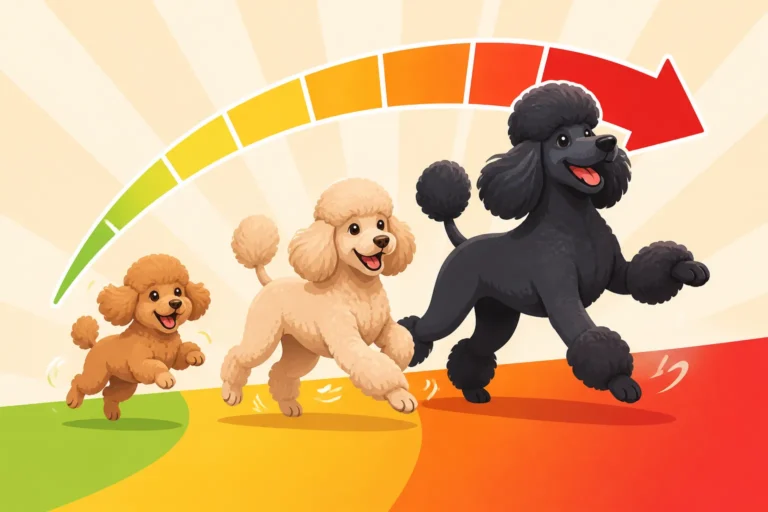
While all Poodles share core breed characteristics, the three distinct sizes—Standard, Miniature, and Toy—can sometimes express their affection in slightly different ways, often influenced by their size, energy levels, and historical development. Understanding these nuances can help you appreciate the unique expressions of love from your Poodle, regardless of their specific variety.
Standard Poodles: Gentle Giants of Love
Standard Poodles, the largest of the varieties, are often described as dignified and graceful. Their affection tends to be expressed with a calm, steady presence. A Standard Poodle might not be constantly in your lap, but they will often seek to be in the same room, resting their head gently on your lap while you read, or following you from room to room with a quiet devotion. They are highly attuned to their family's emotions and will often offer comfort simply by being near.
Their physical displays of affection are usually gentle and considered. A lean against your leg, a soft nudge of their nose, or a paw placed delicately on your arm are common. They are known for their profound loyalty and will form deep, unbreakable bonds with their families. While they can certainly be playful and silly, their expression of love is often characterized by a serene, comforting presence and a deep, soulful connection through eye contact.
Miniature Poodles: The Best of Both Worlds
Miniature Poodles often embody a wonderful blend of their larger and smaller cousins. They possess the intelligence and refined nature of the Standard, combined with some of the more overtly cuddly tendencies of the Toy. Miniature Poodles are typically very affectionate, enjoying both lap time and active play. They often thrive on being involved in family activities and appreciate close physical contact.
You'll find that a Miniature Poodle might be more inclined to snuggle on the couch with you for extended periods than a Standard, while still being robust enough for active outdoor adventures. Their expressions of affection are often enthusiastic but manageable – happy wiggles, eager licks, and a desire to be picked up and held are common. They form strong attachments and are usually very demonstrative, making them wonderfully loving companions who are always ready for a cuddle or a game.
Toy Poodles: Lap Warmers with Big Hearts
Toy Poodles, being the smallest, are often the most overtly affectionate and seek out physical closeness. Their compact size makes them ideal lap warmers, and many Toy Poodles adore being held, carried, and snuggled. They thrive on human companionship and will often spend a significant portion of their day nestled comfortably on their owner's lap or by their side.
Their affection is typically abundant and joyful. Expect enthusiastic greetings, plenty of soft licks, and a constant desire for attention and petting. A Toy Poodle's love is often expressed through their unwavering dedication to being near you, wanting to be involved in everything you do, and using their small size to great advantage when it comes to burrowing under blankets or finding the warmest spot next to you. Despite their diminutive stature, their hearts are enormous, and they offer a boundless supply of love and devotion.
Here’s a quick overview of how affection might present across the Poodle sizes:
| Type of Affection | Standard Poodle | Miniature Poodle | Toy Poodle |
|---|---|---|---|
| Proximity | Quietly present in the same room, follows calmly | Often in the same room, enjoys lap time | Seeks lap time, carried frequently, constant closeness |
| Physical Touch | Gentle lean, head on lap, soft nudges | Cuddles, snuggles, playful nudges | Lots of lap sitting, holding, snuggling, licks |
| Vocalizations | Soft "woo-woos," content sighs | Happy grumbles, excited squeaks | Enthusiastic chirps, eager happy sounds |
| Playfulness | Initiates play with toys, play bows | More frequent play bows, toy offering | Frequent toy offering, eager to play |
| Comfort Seeking | Leans, rests head for reassurance | Seeks lap, nudges for comfort | Climbs on lap, burrows for security |
| Training/Cooperation | Focused, eager to work for praise and treats | Engaged, enjoys mental challenge and rewards | Enthusiastic, thrives on praise and interaction |
Disclaimer
This article is for general informational purposes only and does not constitute professional advice. Laws, prices and regulations vary by location and change over time. Consult a qualified professional for guidance on your specific situation.