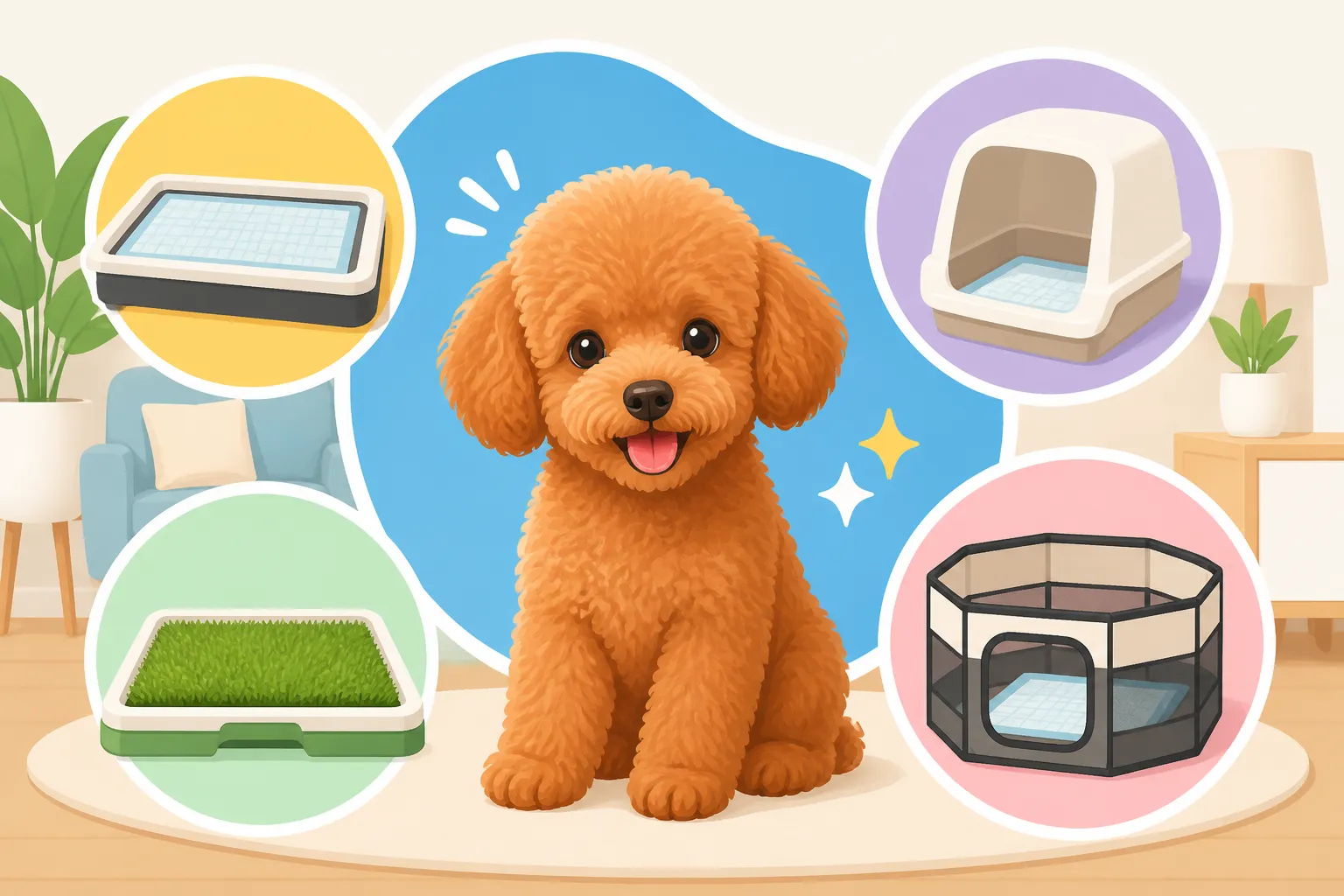
Indoor Potty Options for a Toy Poodle
Oh, the joys of living with a Toy Poodle! They bring so much light and laughter into our lives, but let's be honest, potty training them can sometimes feel like trying to teach a tiny, fluffy Einstein to do long division. Especially when you live in an apartment, have limited mobility, or simply face the reality of terrible weather, getting your little companion outside for every single potty break just isn't always feasible or fair. This guide is all about navigating those challenges, offering practical indoor potty options, and helping you create a stress-free system for your adorable Toy Poodle.
Why Indoor Potty Solutions Are Often a Must for Toy Poodles
Anyone who shares their life with a Toy Poodle knows they're not just small dogs; they're delicate creatures with specific needs that often make outdoor-only potty routines a real headache. It’s not about being lazy; it’s about being realistic and compassionate towards our tiny companions.
Small Bladders and Frequent Needs
It's a simple physiological fact: a smaller dog has a smaller bladder. This means your Toy Poodle, especially as a puppy, needs to urinate far more frequently than a larger breed. You might feel like you're constantly rushing them outside, only for them to have another urgent need just an hour later. This isn't them being stubborn; it's just how their tiny bodies work. During those early weeks, it can feel like you're glued to the door, always anticipating the next squat or sniff. This constant demand for outdoor access can be exhausting, and if you miss a cue, an accident happens in the blink of an eye. Understanding your Toy Poodle's unique anatomy helps temper expectations and highlights why an indoor solution can be a lifesaver. You might be surprised to learn about the specific considerations for their development in Bladder Size in a Toy Poodle Puppy.
Weather Woes and Tiny Paws
Let's talk about the weather. Does your Toy Poodle, with their sometimes surprisingly thin coats and tiny paws, look at a downpour, a blanket of snow, or scorching pavement with utter disdain? Mine certainly does! It's heartbreaking to force a shivering pup out into freezing rain or risk their delicate paw pads on sizzling summer sidewalks. They’re not being dramatic; they genuinely feel the elements more intensely than, say, a Standard Poodle built for cold water retrieving. When the wind howls or the hail falls, the thought of a quick dash outside can be a non-starter for both of you. This is a common frustration for many Toy Poodle owners, and it's precisely why having a reliable indoor option can save you both a lot of discomfort and stubborn stand-offs at the door. Trying to get your reluctant Poodle to brave the elements is a battle many of us know well, and you can read more about it in Getting a Toy Poodle Outside in the Cold.
Apartment Living and Convenience
For those of us living in apartments, townhouses, or homes without immediate yard access, an indoor potty solution isn't just a convenience; it's often a necessity. Imagine the rush of trying to get your tiny Poodle downstairs, through a lobby, and out to a patch of grass multiple times a day, especially first thing in the morning or last thing at night. If you have mobility issues, work long hours, or simply want to offer your Poodle the freedom to relieve themselves when nature calls without relying solely on your schedule, indoor options are invaluable. They provide a sense of independence for your dog and peace of mind for you, knowing that a safe, designated spot is always available. It takes the pressure off those frantic dashes and allows for a more relaxed, predictable routine.
Exploring Different Indoor Potty Setups
Once you decide an indoor potty option is right for your Toy Poodle, you'll find a few different types available. Each has its pros and cons, and what works best for one Poodle family might not be ideal for another.
Traditional Potty Pads
Potty pads, sometimes called pee pads or training pads, are probably the most common indoor potty solution. They're typically square or rectangular absorbent mats with a waterproof backing.
- Pros: They are incredibly easy to set up – just lay one down! They are also disposable, which means less direct cleaning of the "potty spot" itself. Many come with attractants to encourage your Poodle to use them. You can find them in bulk online, like various options on Amazon, making them quite accessible.
- Cons: While convenient, they create a fair amount of waste, which isn't ideal for the environment. Some Poodles develop a habit of shredding them or missing the target entirely, leading to messy accidents. The scent can linger if not disposed of quickly, and some dogs struggle with the texture, preferring the feel of a carpet or rug instead. For some Poodles, learning to associate an absorbent pad with "potty time" might make transitioning to outdoor grass more challenging later on, if that's your ultimate goal.
Artificial Grass Patches
Artificial grass patches offer a more natural-feeling alternative to traditional pads. These systems usually consist of a layer of synthetic grass, a drainage grid, and a collection tray underneath.
- Pros: They feel more like real grass, which can be helpful for Poodles who are more particular about texture or are being encouraged to eventually potty outdoors. They are reusable and, therefore, more environmentally friendly than disposable pads. With proper cleaning, they can be quite durable and last a long time. They can also look a bit more discreet and natural within your home environment compared to a stark white pad.
- Cons: The main drawback is the maintenance. These systems require regular cleaning to prevent odor buildup and bacterial growth. You'll need to rinse the grass and tray frequently with soap and water or a pet-safe enzymatic cleaner. If not cleaned diligently, they can quickly become quite smelly, which your sensitive Poodle will notice and might start to avoid. Initial cost can also be higher than a pack of disposable pads.
Real Grass Potty Systems
For the ultimate natural experience, real grass potty systems deliver exactly what they promise: actual patches of living grass that your Poodle can use indoors. These are typically subscription-based services where fresh grass is delivered to your door on a regular schedule.
- Pros: This is by far the most natural option and is often the easiest for Poodles to adapt to, especially if they are already used to doing their business on real grass outdoors. The living grass naturally absorbs odors and urine, making it less smelly than artificial alternatives, at least for a while. It’s excellent for bridging the gap if you eventually want to transition your Poodle to outdoor pottying.
- Cons: The primary downsides are cost and logistics. These systems are generally the most expensive due to the need for fresh grass replacement. Depending on your Poodle's usage and the climate, the grass may need to be replaced weekly or bi-weekly. There's also the potential for bugs in the living grass, and it can be a bit heavy to dispose of. However, for many, the benefits of natural odor control and ease of training outweigh these factors.
Here’s a quick comparison of the common indoor potty options:
| Feature | Traditional Potty Pads | Artificial Grass Patch | Real Grass System |
|---|---|---|---|
| Cost | Low (per unit), ongoing | Moderate (initial), low upkeep | High (subscription) |
| Maintenance | Dispose & replace | Regular cleaning & rinsing | Replace grass, clean tray |
| Eco-friendliness | Low (creates waste) | High (reusable) | Moderate (organic, but transport) |
| Natural Feel | Low (synthetic material) | Medium (looks like grass) | High (actual grass) |
| Odor Control | Poor (unless disposed quickly) | Moderate (needs diligent cleaning) | Good (natural absorption) |
| Ease of Setup | Very High | High | High |
Training Your Toy Poodle to Use Indoor Potty Options
Once you've chosen your indoor potty system, the next crucial step is teaching your Toy Poodle how to use it. Patience and consistency are your best friends here!
Consistency is Key
Potty training, whether indoors or out, hinges on a predictable routine. Your Toy Poodle needs to learn where to go and when. This means taking them to their designated indoor potty spot frequently. Think about key times: immediately after waking up, after eating or drinking, after a play session, and just before bedtime. For a Toy Poodle puppy, this might mean every hour or two initially. Treat it as if you're taking them outside, leading them directly to the pad or grass patch. Stay with them, calmly encouraging them until they go. The more consistent you are, the faster they'll catch on. Consider how crucial a strict routine is for puppies in Overnight Breaks for a Toy Poodle Puppy.
Positive Reinforcement
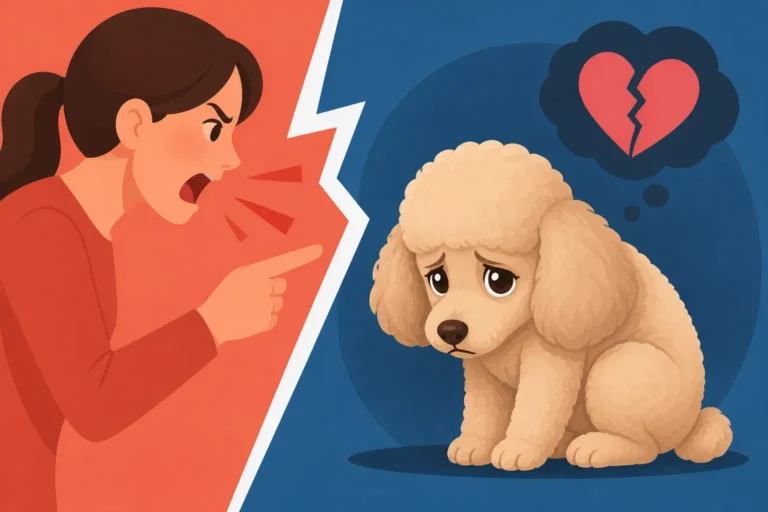
This is where your praise, enthusiastic voice, and tasty treats come into play. The moment your Poodle successfully potties on their designated spot, immediately shower them with praise, a small, high-value treat (something like a tiny piece of cooked chicken or a Treats Small Enough for a Toy Poodle), and perhaps a gentle pat. The timing is critical – the reward must happen within seconds of them finishing their business so they connect the action with the positive outcome. Never scold or punish your Poodle for accidents; this will only make them fearful and encourage them to hide their potty habits from you. If you catch them in the act of having an accident, a quick, firm "No!" (without yelling) and immediately moving them to their potty spot is enough. Then, if they finish there, praise them! For comprehensive training advice, look into resources from reputable trainers; platforms like BAXTER & Bella offer online puppy training programs that emphasize positive reinforcement, which is perfect for sensitive Poodles. You can learn more about general potty training principles in House Training a Toy Poodle.
Managing Accidents
Accidents will happen, especially in the beginning. It's part of the process, and it's important not to get discouraged. When an accident occurs, clean it thoroughly with an enzymatic cleaner designed to eliminate pet odors. Regular household cleaners might remove the smell for you, but your Poodle's sensitive nose can still detect it, marking the spot as a potential future potty zone. By fully neutralizing the odor, you reduce the likelihood of repeat incidents in the same unintended spot. This goes a long way in reinforcing that the indoor potty is the only appropriate place to go.
Transitioning from Indoor to Outdoor (or Vice-Versa)
If your long-term goal is for your Toy Poodle to potty outdoors, an indoor system can be a fantastic stepping stone, particularly for puppies or during inclement weather. As your Poodle gets older and more reliable, you can gradually move the indoor potty system closer to the door, and then eventually outside. Continue to reward heavily for outdoor successes. If you started with an outdoor-only routine but realize an indoor option is necessary, introduce the indoor system in a dedicated, low-traffic area. Take them to it frequently, just as you would have taken them outside, and use consistent positive reinforcement. This transition might take time, but with patience, your Poodle can learn to adapt. Sometimes, a Poodle's prior outdoor training might even make them resistant to indoor options, leading to backslides in their training. You can explore this further in Why a Trained Poodle Backslides in Winter.
Common Challenges and Troubleshooting
Even with the best intentions and the perfect setup, you might encounter a few bumps in the road. It's totally normal, and there are ways to work through them.
Pad Aversion or Preference for Other Surfaces
Some Toy Poodles simply don't like the texture of a potty pad, or they might develop a preference for the soft, absorbent feel of your rug or carpet. If you notice your Poodle consistently avoiding the pad but having accidents elsewhere, try switching up your indoor potty type. If you're using traditional pads, an artificial grass patch might feel more appealing. Conversely, if an artificial grass patch isn't working, some dogs prefer the simple, soft absorbency of a pad. For Poodles with strong texture preferences, a real grass system is often the easiest solve, as it mimics their natural instinct. Ensure the potty spot is in a quiet, low-traffic area where they feel safe and undisturbed, allowing them to focus on the task at hand.
Scent and Hygiene Issues
The biggest challenge with any indoor potty system, especially reusable ones, is keeping it clean and odor-free. A dirty or smelly potty spot will deter your Poodle, as their noses are incredibly sensitive. They might then seek out a "cleaner" spot in your home – like your favorite rug! If using artificial grass, religiously clean the grass and the collection tray daily, or even multiple times a day if your Poodle uses it frequently. Use enzymatic cleaners to break down odors. For real grass systems, ensure you’re replacing the grass according to the recommended schedule. Even with disposable pads, changing them immediately after use and placing them in a sealed trash bin outside your home can make a huge difference in maintaining a fresh environment. A clean potty area is an inviting potty area for your Poodle.
Dealing with Regressions
Potty training regressions can be incredibly frustrating. Your Poodle was doing so well, and now suddenly, accidents are happening again. There could be several reasons:
- Medical Issues: Always rule out a medical problem first. A urinary tract infection, bladder stones, or even a sudden change in diet can lead to increased urination and accidents. A quick trip to the vet is always wise to ensure there's no underlying health concern.
- Stress or Anxiety: Changes in routine, a new pet, a new person in the house, or even increased separation anxiety can cause a Poodle to regress. If your Poodle is prone to Separation Anxiety in a Velcro Poodle, it might manifest as accidents. Look for other signs of stress, such as changes in appetite, destructive behavior, or excessive barking.
- Inconsistent Training: Have you gotten a bit lax with the routine? Perhaps you've allowed more time between potty breaks, or haven't been as diligent with immediate rewards. Go back to basics: strict schedule, frequent visits to the potty spot, and high-value rewards for success.
- Cleanliness: As mentioned, a dirty potty area can cause avoidance. Ensure your designated spot is impeccably clean.
Approach regressions with patience and avoid frustration. Remember, your Poodle isn't doing it to spite you. Re-evaluate the situation, consult with your vet if necessary, and recommit to a consistent, positive training routine. It's often a temporary setback that can be overcome with diligence and understanding.
Disclaimer
This article is for general informational purposes only and does not constitute professional advice. Laws, prices and regulations vary by location and change over time. Consult a qualified professional for guidance on your specific situation.