What Coren Measured to Rank the Poodle
It's an interesting thing when you tell someone you own a Poodle, and almost inevitably, they'll say something like, "Oh, they're so smart, aren't they? Second smartest dog breed!" It's a badge of honor we Poodle parents wear proudly, but let's be honest, how many of us actually know what that "second smartest" title really means or how it was even determined? It's not just about passing puppy class with flying colors; there's a fascinating backstory to this famous ranking. This guide will peel back the layers of Stanley Coren's renowned work, exploring the specific metrics he used to rank the Poodle so highly and what that deep dive into canine cognition means for us, their devoted companions.
Deconstructing Dog Intelligence: What Coren Actually Measured
Before we can truly appreciate the Poodle's intellectual prowess, it's crucial to understand how Stanley Coren, a professor of psychology and a prominent expert in canine behavior, chose to define and measure "intelligence" in dogs. It's not a single, monolithic trait, but rather a combination of different cognitive abilities. Coren famously broke it down into three distinct types: instinctive intelligence, adaptive intelligence, and working and obedience intelligence. And it's that third category that truly put the Poodle on the map.
Instinctive Intelligence
This aspect of intelligence refers to the inherent, hard-wired abilities that dogs possess due to their breed's historical purpose. Think about a Border Collie instinctively herding sheep, or a Labrador Retriever naturally wanting to carry things in its mouth. These are behaviors that have been selectively bred into them over generations. For Poodles, their original purpose was that of a water retriever, specifically for hunting ducks and other waterfowl.
What does this look like in a Poodle? You might notice your Poodle's innate desire to retrieve toys, whether from a pond, a kiddie pool, or just across the living room floor. They often have a strong "soft mouth," meaning they can carry delicate items without damaging them, a trait vital for retrieving game birds. Their love for water, their agile swimming ability, and that curly, dense coat designed to protect them from cold water are all physical manifestations of their instinctive intelligence. It’s part of their heritage, a whisper from their working past that still influences their behavior today.
Adaptive Intelligence
Adaptive intelligence is perhaps what most people think of when they consider "smarts." This is a dog's ability to learn from its environment, solve problems independently, and adjust its behavior based on past experiences. It's the street smarts, the cunning, the ability to figure things out without direct instruction from a human.
Have you ever had your Poodle figure out how to open a cabinet door, unlatch a gate, or manipulate you with a certain look to get an extra treat? That's adaptive intelligence at play. It's the dog who learns the routine of your day and anticipates what's next, or the one who figures out how to get the squeaky toy from under the sofa using its nose and paws. This type of intelligence is less about following commands and more about independent thought and problem-solving. A highly adaptive Poodle might excel at puzzle toys you can find on Amazon, quickly deciphering how to get the hidden treats. This ability to think on their paws and learn from consequences is a huge part of what makes Poodles so engaging, and sometimes, a little too clever for their own good! How a Poodle Solves a Problem.
Working and Obedience Intelligence
This is the big one, the metric that Coren primarily focused on for his famous rankings. Working and obedience intelligence measures a dog's ability to learn and follow human commands. It’s about how quickly they pick up new cues, how reliably they respond, and how well they perform tasks given by their handlers. This is the intelligence most readily observed and quantified in training classes and dog sports.
Coren's methodology for this category was ingenious in its simplicity: he surveyed hundreds of professional dog obedience judges. These were individuals who had seen thousands of dogs of various breeds perform under consistent conditions, day in and day out. They weren't just observing pets in a park; they were evaluating dogs in a structured, competitive environment. They knew which breeds consistently excelled, which learned quickly, and which needed more repetition. This particular type of intelligence is where Poodles truly shine, proving their exceptional capability to understand and execute human instructions with remarkable speed and precision.
Stanley Coren's Methodology: How the Rankings Were Born
The idea of ranking dog breeds by intelligence might seem subjective at first glance. After all, isn't every dog "smart" in its own way? While that's true on an individual level, Stanley Coren sought to create a more objective, comparative framework. He didn't just pull numbers out of thin air; his method was grounded in observable behavior and the extensive experience of dog professionals.
The Survey of Obedience Judges
Coren's groundbreaking approach involved surveying over 200 professional dog obedience judges from both the American Kennel Club (AKC) and the Canadian Kennel Club (CKC). These weren't just any dog enthusiasts; they were experts who dedicated their lives to training and evaluating dogs in the context of obedience and rally trials. They judged countless dogs across all recognized breeds, observing firsthand how different breeds performed under pressure and responded to instruction.
The judges were asked to rank breeds based on two primary criteria related to working and obedience intelligence:
- Number of repetitions required to learn a new command: How many times did a dog typically need to hear and practice a new command before they understood and could reliably perform it?
- Success rate on the first command: Once a command was learned, how often would the dog obey it on the first attempt?
By pooling the observations of such a large and experienced group, Coren aimed to minimize individual bias and gather a statistically significant dataset on breed-specific learning aptitudes. The consensus among these judges formed the basis of his rankings, providing a unique insight into the inherent trainability of different breeds. This rigorous, empirical approach gave his work credibility and has made his book, "The Intelligence of Dogs," a foundational text in canine behavior.
The "Second Smartest" Designation
When we hear that Poodles are the "second smartest," it's easy to assume this means they're second only to humans in overall brainpower. However, it's crucial to understand that this designation specifically refers to their ranking in working and obedience intelligence, as defined by Coren's survey. The Border Collie famously took the number one spot, followed closely by the Poodle.
This ranking doesn't mean Poodles are universally "smarter" than all other breeds in every possible way. It means they demonstrate an exceptional capacity for understanding and executing human commands, learning new tasks with minimal repetition, and responding reliably. They are highly biddable, eager to please, and possess the focus required to perform complex sequences of commands. For anyone looking for a dog that can excel in obedience, agility, or other performance sports, or simply be a highly responsive companion, this ranking is a powerful indicator of the Poodle's innate capabilities. Where the Poodle Sits in Coren's Ranking.
The Poodle's Place on the Podium: Why the Breed Excelled
So, why did the Poodle consistently rank so high in Coren's survey of obedience judges? It wasn't just a fluke; it's a testament to the breed's intrinsic qualities that have been honed over centuries. Their history, temperament, and inherent drive all contribute to their remarkable performance in learning and obedience.
Quick Acquisition of New Commands
One of the key metrics Coren used was how few repetitions a dog needed to learn a new command. Poodles, according to the vast majority of judges, pick up new instructions astonishingly fast. We're talking about learning a new cue in roughly five repetitions or even fewer for many individuals. This isn't just about simple commands like "sit" or "stay"; it extends to more complex behaviors and sequences.
Imagine teaching a Poodle a new trick, like "weave" through your legs or "fetch" a specific toy by name. They often grasp the concept with remarkable speed, making training a joyous and rewarding experience. This quick learning curve means Poodles can progress rapidly through training levels, from basic puppy classes to advanced obedience and even specialized tasks. Owners often find themselves amazed at how little effort it takes for their Poodle to understand what's being asked of them. This is why Poodles often excel in activities like rally obedience or competitive obedience, where a wide range of commands and intricate routines must be mastered. Why Poodles Learn a Cue in Five Repetitions.
High Success Rate on First Command
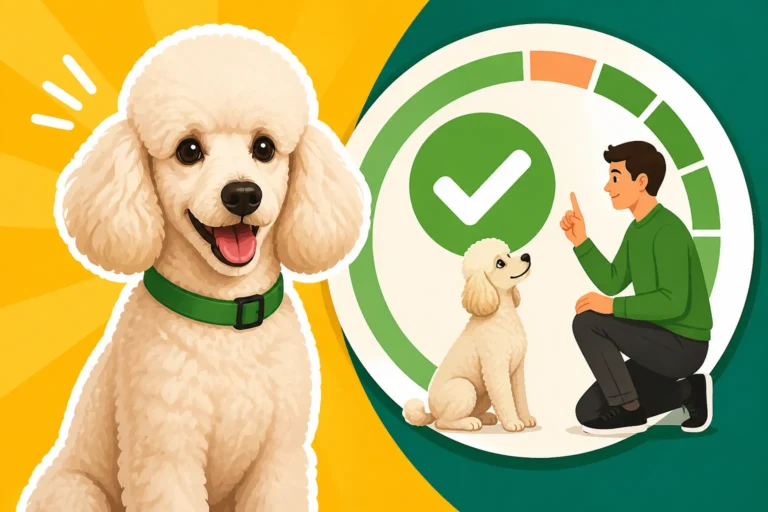
Beyond just learning quickly, Poodles also scored exceptionally high on their ability to obey a known command on the first attempt, roughly 95% of the time or better. This speaks to their incredible reliability and focus. Once a Poodle has learned a command, they tend to perform it consistently, even in distracting environments.
This isn't just a show ring advantage; it translates directly to daily life. A Poodle with high first-command reliability is a joy to live with. Imagine calling your Poodle from across a busy park, and they come instantly. Or asking them to "stay" while you answer the door, and they hold their position faithfully. This level of responsiveness makes them excellent candidates for therapy work, service dog roles, or simply for being a well-mannered and trustworthy family member. It builds a strong bond of communication and trust between dog and owner, as you know your Poodle understands and respects your requests. Poodle Obedience and Rally Titles.
The Poodle Temperament and Trainability
While intelligence is often framed as a purely cognitive function, a dog's temperament plays a huge role in its trainability. Poodles possess a unique blend of traits that make them highly receptive to training. They are generally eager to please, sensitive, and thrive on interaction with their human companions. This "Velcro dog" tendency, where they love to be close to their people, often translates into a strong desire to cooperate and perform for attention and praise.
Poodles are not typically stubborn or aloof. Instead, they are highly motivated by positive reinforcement – whether that's a tasty treat, a favorite toy, or enthusiastic praise from their beloved owner. Their sensitivity means they respond poorly to harsh training methods, shutting down or becoming fearful. But with kindness, consistency, and clear communication, they blossom into eager and brilliant students. This combination of mental agility and a cooperative spirit is truly what sets the Poodle apart in the world of dog training, making them incredibly adaptable and a partner in almost any activity you choose. Poodle Temperament and Sensitivity.
Beyond the Numbers: Nuances of Poodle Intelligence
While Coren's rankings are incredibly insightful for understanding a Poodle's working and obedience aptitude, it's important to remember that they don't capture the full spectrum of canine intelligence. There are many other facets to a Poodle's mind that contribute to their unique charm and complexity, aspects that go beyond simply learning commands.
Emotional Intelligence
Emotional intelligence in dogs is a fascinating area, and Poodles often display it in spades. This isn't about learning tricks, but about their capacity to understand and respond to human emotions, their own feelings, and the nuances of social interactions. A Poodle's emotional intelligence might manifest as an uncanny ability to sense when you're feeling down and offer comfort, or to pick up on subtle changes in your tone of voice or body language.
They can be incredibly empathetic, often mirroring your mood or reacting to tension in the household. This deep emotional connection is one of the most cherished traits for Poodle owners. They're not just following commands; they're truly connecting with you on a deeper level. A sensitive Poodle might even hide illness or discomfort because they're so attuned to their owner's emotional state, not wanting to cause worry. Reading Pain in a Sensitive Poodle. This kind of emotional attunement isn't easily quantifiable in a typical obedience trial, but it's a huge part of what makes Poodles such wonderful companions.
Problem-Solving and Creativity
While Coren's adaptive intelligence category touched on problem-solving, the Poodle's innate creativity and tendency to "think for themselves" can be both a blessing and a challenge. A Poodle might not just learn how to do something, but might also find better or easier ways to achieve a desired outcome – sometimes to our amusement, and sometimes to our exasperation!
This means a Poodle can quickly learn the rules, but then might try to bend them, or even invent their own game. If their brain isn't sufficiently challenged, a Poodle can quickly become bored, leading to inventive (and sometimes destructive) ways to entertain themselves. Why a Bright Poodle Gets Bored. This is where enrichment activities become crucial. Interactive puzzle toys, sniff games, or even online training courses like those offered by BAXTER & Bella can provide structured mental exercise to satisfy their clever minds and prevent them from concocting their own, less desirable, forms of entertainment. Their creativity also extends to expressing themselves, sometimes with complex barks, nudges, or even elaborate "sulks" when they don't get their way.
Maximizing Your Poodle's Potential: Applying Coren's Insights
Knowing about Coren's rankings and the Poodle's unique intelligence isn't just for bragging rights; it's a powerful tool for responsible Poodle ownership. Understanding how your Poodle thinks can help you craft a more effective training program, provide appropriate mental stimulation, and build a stronger, more fulfilling relationship.
Consistent and Positive Reinforcement Training
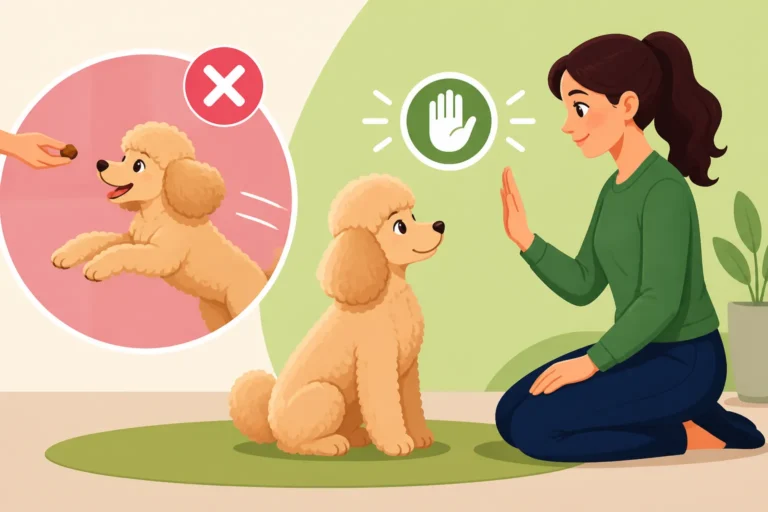
Given their high working and obedience intelligence, Poodles thrive on consistent and clear positive reinforcement. They learn quickly, so confusing or inconsistent cues will only slow them down and potentially lead to frustration for both you and your dog. Keep training sessions short, fun, and engaging, ending on a high note. Use high-value treats, enthusiastic praise, and favorite toys as rewards.
Poodles are incredibly sensitive, so harsh corrections or punishment-based methods can quickly shut them down, eroding trust and stifling their eagerness to learn. Instead, focus on rewarding the behaviors you want to see. Their ability to Why Poodles Learn a Cue in Five Repetitions means you don't need endless repetitions; what you need is clarity and positive feedback. Embrace clicker training, lure-and-reward methods, and make learning a game. This approach will not only yield a well-trained Poodle but also foster a joyful and communicative partnership. Training the Second Smartest Dog Breed.
Mental Stimulation is Key
A Poodle's bright mind needs just as much exercise as its agile body, if not more! An under-stimulated Poodle is often a bored Poodle, and a bored Poodle is a Poodle that will invent its own (often unwelcome) activities. This could range from counter-surfing to excessive barking or destructive chewing. Keeping a Poodle Mind Occupied.
Incorporate daily mental challenges into their routine. This can include:
- Puzzle Toys: Toys that dispense treats only when manipulated correctly can keep their brains engaged. Many excellent options are available on Amazon.
- Scent Work: Hiding treats around the house or yard and letting your Poodle sniff them out taps into their natural instincts and is incredibly tiring for their brains.
- Trick Training: Poodles love to learn new tricks. Beyond basic obedience, teaching them complex behaviors like opening doors, fetching specific items, or performing fun sequences keeps their minds active.
- Dog Sports: Agility, obedience, rally, dock diving, or even canine freestyle (dancing with your dog) are all fantastic outlets for a Poodle's intelligence and energy.
- Interactive Play: Engaging with them in games that require thinking, like "find the hidden toy" or structured fetch, can be far more stimulating than just aimless play.
Providing this consistent mental workout is crucial for a happy, well-adjusted Poodle.
Early Socialization and Exposure
While Coren's rankings focus on innate intelligence, how a Poodle's intelligence is expressed is heavily influenced by its early experiences. Poodles are naturally alert and can sometimes be reserved with strangers if not properly socialized. A well-socialized Poodle is a confident Poodle, better able to use their intelligence to navigate the world calmly and appropriately.
Start early, ideally during the critical socialization window (before 16 weeks of age), by exposing your Poodle puppy to a wide variety of sights, sounds, people, and other friendly dogs. Enroll in puppy classes, take them to safe public spaces, and introduce them to different textures and environments. This helps them develop into resilient, well-adjusted adults who can apply their intelligence without being hampered by fear or anxiety. A puppy training program, such as the comprehensive guides found on BAXTER & Bella, can provide a structured framework for ensuring proper socialization and early learning, setting your Poodle up for success. Socializing a Poodle Before It Turns Wary.
Common Misconceptions About Coren's Poodle Ranking
While the "second smartest" label is a point of pride, it often comes with a few misunderstandings that can sometimes lead to unrealistic expectations or frustration for Poodle owners. Let's clear up some common myths.
Intelligence Versus Independent Thought
One of the biggest misconceptions is equating high intelligence with unquestioning obedience. Just because a Poodle is smart doesn't mean it's a robot designed to follow every command without fail. In fact, their high adaptive intelligence (their ability to problem-solve and think independently) can sometimes lead them to make their own decisions, especially if they perceive a better alternative or if there's a lack of clear leadership and consistency from their human.
A Poodle might "know" a command perfectly, but if they are bored, distracted, or decide that what you're asking isn't in their immediate best interest (e.g., chasing a squirrel is more fun than "come"), they might choose to ignore you. Their intelligence allows them to understand what you want, but their independent thought gives them the capacity to choose not to do it. This isn't defiance; it's often a sign that their brilliant mind needs more guidance, motivation, or perhaps simply more engaging work. Why a Clever Poodle Still Has Accidents.
The "Second Smartest" Label as a Burden
For some new Poodle owners, the "second smartest" label can inadvertently become a burden. They might expect their Poodle to be perfectly behaved from day one, effortlessly understanding every command, and never making a mistake. When the reality of normal puppy shenanigans or adolescent pushback sets in, they can feel frustrated or even think there's something "wrong" with their Poodle.
It's vital to remember that intelligence, while a fantastic asset, does not automatically equate to perfect behavior. Training, consistency, patience, and a strong relationship are still paramount. A highly intelligent dog requires more mental engagement and more structured training, not less. The label should be seen as potential, not a guarantee. It means your Poodle has an incredible capacity to learn, but it's up to you to tap into that potential through dedicated effort and understanding.
Poodle Intelligence Isn't a Monolith
Finally, it's crucial to understand that Coren's rankings, while valuable, represent broad breed tendencies, not absolute individual truths. Just like people, individual Poodles will vary in their specific aptitudes and personalities. Not every Poodle will fit the "second smartest" mold perfectly, and some might excel in areas not emphasized by Coren's metrics.
There can be differences in intelligence even within the varieties of Poodles. While there's a common belief that Whether Toy Poodles Are as Smart as Standards due to their size difference, Coren's research generally grouped Poodles as a whole. However, individual temperament, early experiences, and genetic predispositions can all play a role. Some Poodles might be naturally more independent problem-solvers, while others might be more focused on obedience. The environment, training methods, and the quality of the bond with their owner can profoundly impact how a Poodle's intelligence develops and expresses itself. Always treat your Poodle as an individual, appreciating their unique blend of smarts and personality.
Here's a table summarizing Coren's three types of intelligence and how Poodles generally exhibit them:
| Intelligence Type | Description | Poodle Characteristics | Examples in Daily Life |
|---|---|---|---|
| Instinctive Intelligence | Innate, breed-specific behaviors (genetic predisposition). | Strong retrieving drive, love for water, agile movement. | Fetching toys, enjoying swimming, keen interest in birds. |
| Adaptive Intelligence | Problem-solving, learning from experience, independent thought. | Quick to figure things out, can manipulate situations, learns routines easily. | Opening gates, getting into cabinets, anticipating walks, solving puzzle toys. |
| Working & Obedience Intelligence | Ability to learn and execute human commands (trainability). | Learns new commands in ~5 repetitions, obeys known commands >95% of the time. | Rapidly mastering tricks, consistent recall, excelling in dog sports, reliable responses. |
Disclaimer
This article is for general informational purposes only and does not constitute professional advice. Laws, prices and regulations vary by location and change over time. Consult a qualified professional for guidance on your specific situation.