Microchipping a Toy Poodle
It’s a heart-stopping moment for any dog owner, but especially when you realize your tiny Toy Poodle isn't where they're supposed to be. Their small size makes them particularly vulnerable, easy to overlook, or even slip through seemingly secure spaces. This guide will walk you through everything you need to know about microchipping your Toy Poodle, transforming that gnawing fear into a solid plan for their safe return.
Why Microchipping is Non-Negotiable for Your Toy Poodle
Let's face it, our Toy Poodles are little bundles of joy, but their diminutive stature also makes them incredibly delicate and, frankly, a bit of an escape artist sometimes. They can squeeze through gaps you never thought possible, or dart out an open door before you even realize what's happening. The thought alone is enough to send shivers down your spine. This is precisely why a microchip isn't just a good idea for a Toy Poodle; it’s an absolutely essential layer of protection.
The Unique Vulnerabilities of a Small Dog
Imagine a typical neighborhood scenario: a strong gust of wind blows open a gate, or a delivery person leaves the front door ajar for a moment too long. A larger dog might be noticed immediately, but a quick-moving, low-to-the-ground Toy Poodle could be halfway down the block before you even hear the jingle of their collar. Their size means they can get lost in plain sight, darting into bushes or under cars, making them harder for well-meaning strangers to spot. Furthermore, a tiny dog can look quite unassuming, and sadly, they can be attractive targets for theft, precisely because they are so easy to pick up and carry away unnoticed.
Another crucial factor is the simple reality of identification. While we all diligently equip our beloved companions with collars and tags, these can unfortunately become detached, worn out, or unreadable over time. A tag might snag on something during an adventurous dash through the yard, or a quick shake of the head could send it flying. When your little one is gone, a microchip remains a permanent, tamper-proof form of identification. It's the silent guardian that stays with them, no matter what adventures, or misadventures, they might encounter. This constant ID helps ensure that if your Poodle is found, the people who pick them up can quickly connect them back to you, even if their collar is long gone.
How Microchips Work as a Permanent ID
A microchip is a tiny device, about the size of a grain of rice, that carries a unique identification number. It's not a GPS tracker, and that's a common misconception we need to clear up right away. It doesn't allow you to track your Poodle in real-time, which is often a source of confusion and disappointment for new owners. Instead, its magic lies in its simplicity and permanence. When scanned by a universal microchip scanner, like those found at veterinary clinics, animal shelters, or even police departments, the chip transmits its unique ID number.
Once that number is retrieved, it's cross-referenced with a national database, which then pulls up your contact information. This is why registering and keeping your information current is arguably the most critical step after the chip is implanted. Without up-to-date details linked to that number, the chip is essentially useless. Think of it like a library card for your dog: the card has a number, but it's only useful if the library has your current address and phone number on file. This system allows for a swift and reliable reunion, cutting down on the anguish and uncertainty that comes with a lost pet. For a breed known for its attachment, like the Poodle, getting them back quickly can prevent a great deal of stress for both dog and owner.
The Microchipping Procedure: What to Expect
The idea of a tiny electronic device being inserted into your beloved Toy Poodle might sound a bit daunting, but in reality, the microchipping procedure is incredibly quick, straightforward, and generally causes very minimal discomfort. It's a routine part of preventive care that many vets perform multiple times a day. Understanding what happens can help ease any anxieties you might have about this important step in safeguarding your pet.
The Quick and Simple Insertion
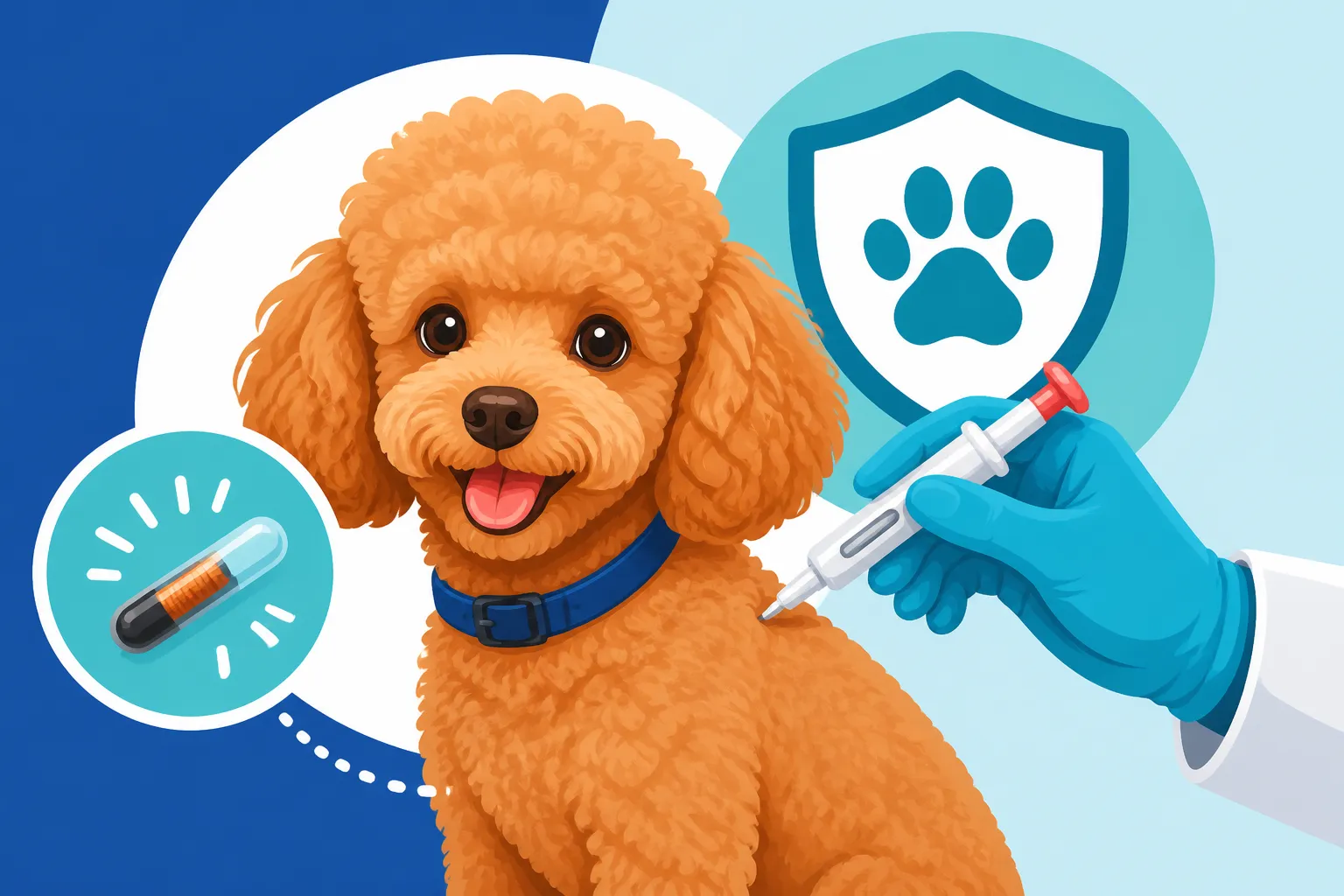
When you take your Toy Poodle in for microchipping, the veterinary technician or veterinarian will typically insert the chip using a sterile, pre-loaded syringe. The injection site is usually between the shoulder blades, just under the skin. It’s the same basic principle as administering a vaccine, though the needle is slightly larger than a standard vaccination needle to accommodate the chip itself. Most dogs react to it with a brief yelp or a moment of surprise, much like they would for any routine shot. Because Toy Poodles are so small and can be more sensitive, your vet might choose to distract them with a treat or have you hold them comfortably. There’s no anesthesia required, and the whole process takes mere seconds. Many owners choose to have their puppies microchipped during a routine puppy check-up or at the time of their desexing, making it part of an already scheduled veterinary visit.
After insertion, the vet or technician will usually scan the area immediately to ensure the chip is in place and readable. This is a crucial step to confirm that the chip is functioning correctly before you leave the clinic. They'll also provide you with the microchip's unique ID number and information on how to register it. It’s important to keep this paperwork in a safe place, possibly alongside other important documents for your Poodle like vaccination records or information on things like Poodle Dental Disease by Size. This quick procedure offers a lifetime of peace of mind, knowing that your Toy Poodle carries a permanent identifier that can help bring them home.
Are There Any Risks or Side Effects?
When we talk about any medical procedure, even a minor one, it’s natural to wonder about potential risks or side effects. The good news is that microchipping is overwhelmingly safe, with complications being exceedingly rare. The chips themselves are biocompatible, meaning they are designed to be inert and not provoke a reaction from the body's tissues. They don't have batteries, so there's no power source to fail or leak, and they remain passive until activated by a scanner.
In very rare cases, a dog might experience minor bleeding or soreness at the injection site, just like with any injection. Even more rarely, a microchip might migrate a small distance from the original insertion site. This isn't usually a problem, as scanners are designed to sweep a larger area, but it's another reason why the initial scan after insertion is so important. Serious issues like infection or tumor formation at the injection site are incredibly uncommon. The benefits of permanent identification far, far outweigh these minimal risks. Given the potential devastation of losing a cherished family member, most veterinarians and owners agree that microchipping is one of the easiest and most impactful ways to protect your Poodle.
Maintaining Your Toy Poodle's Microchip Information
Getting your Toy Poodle microchipped is only half the battle. The other, equally critical half, is ensuring that the information linked to that tiny chip is always accurate and up-to-date. Without correct contact details, even the most advanced microchip is essentially a useless number, leading to heartbreaking delays or even failure to reunite a lost pet with their family. This is an ongoing responsibility that shouldn't be overlooked.
The Importance of Registration and Updates
Once your Toy Poodle has received their microchip, you’ll be given a unique ID number and instructions on how to register it with a microchip registry. There are several reputable registries, some associated with the chip manufacturer, others independent. Many vets will walk you through the initial registration or even do it for you, but it’s always your responsibility to confirm it’s done and keep it current. Think of it like a deed for your house – without your name on it, proving ownership becomes a real challenge.
Life changes, and so do our addresses and phone numbers. It's easy to forget about updating something as seemingly insignificant as a microchip registration. However, moving to a new house, changing your cell phone number, or even switching pet insurance providers like Healthy Paws, all necessitate an update to your microchip registry. If your Poodle gets lost and is found, the finder or shelter will scan the chip, get the number, and then look it up. If they call an old number or send mail to an old address, they won’t be able to reach you. Make a habit of checking your microchip information annually, perhaps when you take your Toy Poodle for their Yearly Routine Vet Spend for a Poodle or when you renew your dog's city license. It takes just a few minutes online, but those minutes could be the difference between a swift reunion and a permanent separation.
How to Check and Update Your Poodle's Chip Details
Checking your Poodle's microchip details is usually a straightforward process. You'll typically go to the website of the microchip registry you initially used. If you're unsure which registry your chip is linked to, there are online universal microchip lookup tools where you can enter the chip number, and it will tell you which database it's registered with. Once you're on the correct registry's site, you'll log in using your account details, or create one if you haven't already.
From there, you'll be able to view and edit your contact information. Be sure to include multiple points of contact, such as a primary phone number, an alternative number (like a spouse's or trusted friend's), and an email address. Some registries also allow you to add an emergency contact who isn't you, which can be invaluable if you're traveling or otherwise unreachable. Most registries charge a small, often one-time or lifetime fee for registration, while others might have a minimal annual maintenance fee. It's a small price to pay for the security it provides. Don't let a forgotten password or an outdated email stand between you and your lost pet.
Here’s a simple checklist to ensure your Toy Poodle’s microchip is always ready:
| Task | Frequency | Notes |
|---|---|---|
| Confirm Microchip is Scanned | Post-insertion | Vet should scan immediately after implantation to confirm functionality. |
| Register Chip with Database | Immediately | Do this as soon as you have the chip number. |
| Verify Contact Information | Annually | Check phone numbers, addresses, and email. Update if any changes occur. |
| Add Emergency Contact | Initial Setup | Provide an alternate person to call if you can't be reached. |
| Keep Paperwork Safe | Always | Store chip ID and registry info with other important pet records. |
| Update After Life Changes | As Needed | Move, new phone, etc. – update immediately! |
Cost and Considerations for Microchipping
When you're welcoming a new Toy Poodle into your life, especially a puppy, there are so many things to consider – from finding the right food on platforms like Chewy to managing their boundless energy, or even preparing for the possibility of Blood Sugar Crashes in a Toy Poodle in those tiny youngsters. While the initial cost of acquiring your Poodle, which can vary widely as discussed in guides like Toy Poodle Puppy Prices, is often at the forefront of your mind, it's crucial not to overlook the vital, yet relatively small, expense of microchipping.
The Affordable Investment in Safety
The cost of microchipping a Toy Poodle is typically quite affordable, especially when you consider it’s a one-time fee for a lifetime of protection. In most veterinary clinics, you can expect the procedure itself to be a modest charge, often similar to the cost of a routine vaccination. This fee usually covers the microchip itself and the vet's time for insertion. It's often offered as part of a puppy package or during other routine visits, making it convenient and easy to budget for.
Beyond the initial insertion fee, there may be a separate registration fee charged by the microchip database. This fee can vary; some registries offer a one-time lifetime registration, while others might have a small annual renewal charge. Be sure to clarify this when you register your Poodle's chip. Despite these minimal costs, many shelters and rescue organizations, especially those working to rehome Poodles, will include microchipping in their adoption fees. This is a testament to how essential they consider this safety measure. The peace of mind you gain, knowing your little companion has a permanent ID, far outweighs the modest financial outlay. It’s an investment in their long-term safety and your emotional well-being.
Where and When to Microchip Your Poodle
The best place to microchip your Toy Poodle is at your trusted veterinary clinic. Your vet and their team are experts in animal health and can perform the procedure safely and ensure the chip is properly placed. They can also offer advice on specific registries and help with the initial registration process. If you adopt a Poodle from a reputable rescue or shelter, it's highly likely they will already be microchipped. Always confirm this and get the microchip number and registration details at the time of adoption.
As for when to microchip, there's a bit of flexibility. Puppies can be microchipped as young as eight weeks old, though many breeders and vets prefer to wait until they are a bit older, perhaps around 12-16 weeks, often coinciding with their final puppy vaccinations. This allows for a slightly larger injection site, although even very small Toy Poodle puppies tolerate it well. If you’ve just brought home an older Toy Poodle who isn't microchipped, don't delay! Schedule an appointment with your vet as soon as possible. There’s no wrong time to add this layer of security. Some pet food subscriptions, like Ollie, might offer partnerships or discounts with certain pet services, so it's always worth checking for those added benefits, or even asking your vet about promotions they may run. The most important thing is simply to get it done.
The Role of Microchips in Pet Reunions
Microchips play an absolutely vital role in the reunion of lost pets with their families. When a lost dog is found and brought to a shelter, vet clinic, or animal control facility, the very first thing they do is scan for a microchip. This is standard procedure, even before checking for a collar and tags, because a microchip is permanent and can't be lost. Imagine the relief when a frantic search turns up nothing, but a caring stranger finds your Poodle and the microchip instantly provides your current contact details.
This system works. Statistics consistently show that microchipped dogs are significantly more likely to be reunited with their owners than those without a chip. For a small dog like a Toy Poodle, who can easily travel further or become truly "lost" in a large environment, this permanent identification is their strongest advocate for getting home. It bypasses the common failure points of collars and tags and provides a direct link back to you. While microchipping is critical, it's just one piece of the puzzle. Combining it with strong Poodle Recall Training, secure fencing, and a clear, readable ID tag offers the most robust protection for your cherished companion.
Disclaimer
This article is for general informational purposes only and does not constitute professional advice. Laws, prices and regulations vary by location and change over time. Consult a qualified professional for guidance on your specific situation.