City Licensing for a Standard Poodle
As Poodle owners, we pour our hearts and souls into these intelligent, elegant companions. But sometimes, in the excitement of bringing a fluffy new family member home, or even after years of shared memories, we overlook some of the mundane, yet absolutely crucial, responsibilities that come with pet parenthood. One of those often-forgotten tasks, particularly with a beloved Standard Poodle, is city licensing. It might seem like just another piece of paperwork, but understanding why and how to license your Standard Poodle is vital for their safety, your peace of mind, and the well-being of your entire community. This guide will walk you through everything you need to know about navigating city licensing for your Poodle, from the reasons behind it to the simple steps for compliance.
Understanding Why City Licensing Matters for Your Standard Poodle
It's easy to view a dog license as just another tax, another hoop to jump through, another expense in a long list of costs associated with owning a dog. After all, you're already paying for quality food, regular vet visits, and that seemingly endless parade of grooming appointments for that magnificent Poodle coat! However, thinking of city licensing purely as an administrative burden misses the real value and purpose behind these local ordinances. For a large, active breed like the Standard Poodle, understanding these underlying reasons can help you appreciate its importance.
More Than Just a "Dog Tag": The Purpose Behind the Permits
At its core, a dog license serves as an official form of identification and registration. Imagine the terrifying scenario: your curious Standard Poodle, perhaps chasing a squirrel a little too enthusiastically, slips out of the yard or pulls free from a leash during a walk. A lost dog is every owner's worst nightmare. This is where a license tag becomes an absolute lifesaver. That small metal or plastic tag, often worn proudly on your Poodle's collar alongside their ID tag, is directly linked to you, the owner. Animal control officers, shelters, and even kindhearted strangers who find a lost dog can quickly look up the license number, access your contact information, and ensure a swift and safe reunion. Without it, your Poodle might end up in a local shelter, a nameless face among many, significantly delaying or even preventing their return home. This quick identification is often the first line of defense in getting your furry friend back where they belong.
Beyond immediate identification, licensing plays a crucial role in public health and safety. Most city licensing requirements mandate that dogs be up-to-date on their rabies vaccinations. This isn't just about protecting your Poodle; it's about protecting every animal and person they encounter. Rabies is a deadly disease, and widespread vaccination, tracked through licensing, helps maintain herd immunity and prevents outbreaks in urban and suburban areas. When you get your Poodle licensed, you're actively contributing to a healthier, safer environment for everyone in your community. It’s a small step that has a massive ripple effect on public well-being.
Local Ordinances and Their Impact on Poodle Owners
Every city, town, or county has its own set of animal control ordinances, and dog licensing is usually a cornerstone of these regulations. These local laws dictate everything from leash laws and nuisance barking to how many pets you can own and the specific requirements for their care. For Standard Poodle owners, who have a larger, often more energetic breed, being aware of these local rules is particularly important. A Standard Poodle’s size and presence mean they are often more noticeable than, say, a tiny Toy Poodle, and thus, more likely to draw attention if they're not compliant with local rules.
These ordinances are designed to promote responsible pet ownership and to resolve potential conflicts between pet owners and the wider community. Licensing fees, for instance, often go directly towards funding local animal shelters, animal control services, and programs for spaying and neutering. This means your licensing fee helps provide care for homeless animals, investigate cruelty cases, and manage stray populations. It's a direct investment back into the welfare of animals in your area. For example, some jurisdictions might have specific rules for "potentially dangerous breeds," though Poodles are rarely on these lists, the principle of local regulation remains. Being licensed demonstrates that you are a responsible pet owner who acknowledges and abides by the community's standards for animal care. It also creates a baseline for accountability, ensuring that if there ever is an issue, there's a record of ownership and compliance. This aligns with the broader expectations of What Owning a Poodle Actually Demands.
Navigating the Process: How to License Your Standard Poodle
The thought of government paperwork can make anyone groan, but licensing your Standard Poodle is usually a straightforward process. Most municipalities have streamlined it significantly, recognizing that making it easy for owners to comply ultimately benefits everyone. Don't let the administrative side intimidate you; it's often much simpler than you expect.
Essential Documents and Health Requirements
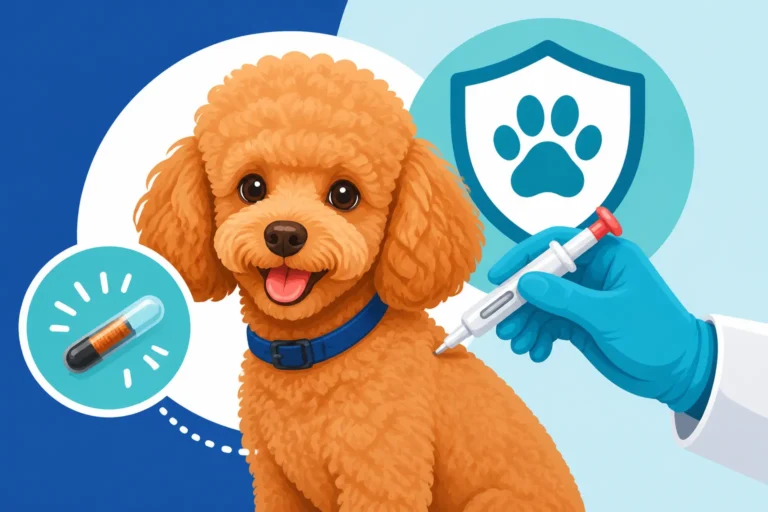
Before you even fill out a form, you'll need to gather a couple of crucial documents. The most important is proof of current rabies vaccination. This is a non-negotiable requirement in nearly all jurisdictions. Your veterinarian will provide you with a certificate that clearly states the date of vaccination, the vaccine manufacturer, and when the next vaccination is due. Most licenses are issued for the period covered by the rabies vaccine, so if your Poodle's rabies shot is due next month, you might get a shorter-term license or be required to update it soon after the new vaccination. You'll likely need to bring the original certificate or a clear copy.
Another common requirement is proof of spaying or neutering. Many cities offer significantly reduced licensing fees for altered animals. This incentive is designed to encourage responsible pet population control, which reduces the number of unwanted animals in shelters. If your Standard Poodle is spayed or neutered, your vet can provide a certificate or note confirming the procedure. If you’re still considering Desexing Timing Across the Three Poodle Sizes, be aware that this decision will impact your licensing fees. You might also need a recent photo of your Poodle, especially if you're applying online, or general contact information for yourself and your veterinarian. Make sure to keep these documents handy and easily accessible.
Step-by-Step: Getting Your Poodle Officially Registered
Once you have your documents, the actual process is typically quite simple.
- Locate Your Local Animal Services/Control: Start by searching online for "[Your City/County Name] dog license" or "animal services." This will lead you to the relevant department or agency responsible for issuing pet licenses. Often, it's part of the city clerk's office, animal shelter, or a dedicated animal services department.
- Review Requirements and Fees: Each jurisdiction has its own specific fees and application forms. Check their website for current information. Fees usually vary based on whether your Poodle is spayed/neutered, their age, and sometimes even by breed type (though Poodles are generally considered standard pets).
- Complete the Application: Fill out the application form thoroughly. This will typically ask for your contact information, your Poodle's name, breed, age, color, and their rabies vaccination details.
- Submit Documents and Payment: You'll submit your rabies certificate, proof of spay/neuter (if applicable), and the appropriate fee. Payment methods usually include online portals, mail, or in-person at the animal services office. Many cities use third-party online platforms to make this process even smoother.
- Receive Your License Tag: Once processed, you'll receive a physical license tag (usually made of metal or plastic) that you should attach to your Standard Poodle's collar. You'll also get a license certificate that you should keep for your records. This process might take a few days or weeks if done by mail, but online applications often yield a temporary printable certificate right away.
Online vs. In-Person: The Convenience Factor
In this digital age, many municipalities offer convenient online licensing options. This can be a huge time-saver, allowing you to complete the entire process from the comfort of your home, perhaps while your Standard Poodle naps at your feet after a good walk. You'll typically upload digital copies of your vaccination records and proof of spay/neuter, then pay with a credit card. The license tag and certificate are then mailed to you. This method is often preferred by busy Poodle owners who juggle work, family, and a packed grooming schedule.
However, if you prefer a personal touch, or if you have specific questions, in-person application is usually still an option. Visiting your local animal services office or city hall can allow you to get immediate answers to your questions, and sometimes walk out with your license tag the same day. This can be especially helpful if you're new to the area or have a unique situation. For example, if you're adopting an older Poodle, you might have questions about their previous licensing history, or if there are any special waivers. Some animal shelters also facilitate licensing directly when you adopt a pet from them.
The Costs and Nuances of Standard Poodle Licensing Fees
Let's talk money, because, let's be honest, owning a Poodle is an investment. From the initial Poodle Puppy Prices Across the Three Sizes to the ongoing A Poodle Year: Grooms, Food and Vet Care, every dollar counts. Licensing fees, while generally modest, are another line item in that budget. However, understanding how these fees are structured can help you plan and potentially save.
Factors Influencing Your License Fee
The cost of a dog license for your Standard Poodle isn't usually a flat rate across the board. Several factors come into play, and these can vary significantly from one jurisdiction to another.
The most common differentiator is whether your Poodle is spayed or neutered. As mentioned, most cities offer a reduced fee for altered animals. This is a public policy choice to encourage responsible pet ownership and reduce overpopulation. For instance, an intact male Standard Poodle might cost twice as much to license as a spayed female. It's a strong incentive to get your Poodle altered if you haven't already and aren't planning to breed responsibly.
Another factor is the license duration. While annual licenses are most common, some areas offer multi-year options (e.g., one, two, or three years), often aligning with the rabies vaccination schedule. A multi-year license might offer a slight discount compared to renewing annually, and it certainly cuts down on paperwork hassle. Additionally, some cities have special rates for senior owners, service animals, or even specific breeds, though this is less common for general pet licensing.
Finally, where you live plays a huge role. Licensing fees in a sprawling urban metropolis like Los Angeles or New York City might differ significantly from those in a smaller town in rural Montana. These differences often reflect the varying costs of animal control services and shelter operations in those areas. For a rough idea, here’s a table outlining common fee variations:
| Factor | Unaltered Poodle (Intact) | Altered Poodle (Spayed/Neutered) | Senior Owner Discount | Service Animal Exemption |
|---|---|---|---|---|
| Typical Annual Fee | Higher (e.g., $40-$100+) | Lower (e.g., $10-$30+) | Possible (e.g., 50% off) | Often Exempt/Free |
| Duration Options | 1-year, occasionally 2-3 year | 1-year, often 2-3 year | Usually annual | Varies |
| Rabies Requirement | Mandatory | Mandatory | Mandatory | Mandatory |
| Proof Required | Vet certificate | Vet certificate | ID/age proof | Certification/ID |
Note: These are general examples; actual fees vary widely by location.
Annual Renewals and Staying Compliant
Licensing isn't a one-and-done deal. Your Standard Poodle's license will need to be renewed periodically, most commonly annually. The expiration date usually aligns with their rabies vaccination expiry, ensuring that your Poodle remains protected and legally compliant. Most cities are pretty good about sending out renewal reminders via mail or email, but it's ultimately your responsibility to keep track.
Missing a renewal deadline can sometimes result in late fees, adding to the cost. More importantly, an expired license means your Poodle is effectively unlicensed, which can carry the same risks and penalties as never having obtained one in the first place. Setting a calendar reminder, linking it to your Poodle's annual vet check-up for their Poodle Vaccination and Preventive Schedule, or opting for email notifications can help you stay on top of renewals. Many online systems, like those used by some pet supply companies or even certain vet offices, can help you keep track of these dates. Consider services from a company like Chewy, where you can manage recurring orders and perhaps set up reminders for pet-related administrative tasks.
Special Considerations and Waivers
While the basic rules apply to most pet owners, there are a few special considerations worth noting. For instance, if you have a bona fide service animal Standard Poodle, they are often exempt from licensing fees, though they still need to be registered and usually require proof of rabies vaccination. This acknowledges their vital role in assisting individuals with disabilities.
Similarly, if your Standard Poodle is a registered purebred and you are a responsible breeder, you may have different licensing requirements or even specific kennel licenses. These are typically more complex and involve inspections to ensure compliance with breeding standards. If you are a responsible breeder, you'll be well aware of What a Poodle Breeder Must Test For and other ethical practices, which usually extend to ensuring all your dogs are properly licensed.
Some jurisdictions might also offer temporary licenses for visitors or new residents, allowing a grace period to get local licensing sorted out. Always check your specific city or county's animal control website or give them a call if you're unsure about any unique circumstances you might have.
The Repercussions of Unlicensed Standard Poodles
You might be thinking, "What's the big deal? Who's going to know if my Standard Poodle isn't licensed?" While the chances of being caught might feel low, the consequences, both legal and practical, can be quite significant. It’s not just about avoiding a fine; it’s about responsible pet ownership and protecting your beloved Poodle.
Penalties and Fines You Could Face
Operating with an unlicensed dog is a violation of local ordinances, and authorities do enforce these rules. If your Standard Poodle is picked up by animal control and found to be unlicensed, you could face fines. These fines vary widely by location but can often be substantial, easily surpassing the cost of the annual license itself. Some areas have escalating penalties for repeat offenses. For example, a first offense might be a warning or a minimal fine, but subsequent infractions could lead to much higher monetary penalties.
Beyond the initial fine, if your Poodle ends up in a shelter without a license, you might incur additional fees for their impoundment, daily boarding, and any necessary veterinary care they receive while there. These costs can quickly add up, making the initial licensing fee seem like pocket change. Imagine the stress and expense if your dog gets lost and then you have to pay a steep fine and impound fees, just to get them back. Having pet insurance, like a plan from Healthy Paws, can help with unexpected vet bills, but it typically won't cover fines or impoundment fees related to non-compliance with local laws.
Missing Out on Critical Safety Nets
Beyond the financial penalties, an unlicensed Standard Poodle misses out on crucial safety nets designed to protect them. As discussed earlier, the license tag is often the quickest way to identify a lost pet. Without it, your Poodle might spend valuable time in a shelter or with a finder trying to figure out who they belong to. While microchips are excellent and highly recommended (often a requirement for licensing or adoption anyway), a visible license tag provides immediate information without needing a scanner. It's a readily apparent sign that this dog has a home and an owner who cares.
In many areas, shelters prioritize reuniting licensed pets with their owners. Some may even have specific programs to contact owners of licensed animals directly before placing them up for adoption. Unlicensed animals, sadly, may have a shorter holding period before they become available for adoption or, in worst-case scenarios, are euthanized due to overcrowding. This is why ensuring your Poodle wears its tag is just as important as the license itself. You can find sturdy, comfortable collars and tags on sites like Chewy that won't irritate your Poodle's neck or get lost easily.
Ethical Ownership and Community Responsibility
Ultimately, licensing your Standard Poodle is a fundamental aspect of ethical pet ownership. It signifies that you understand and accept the responsibilities that come with having a pet in a community. It’s a statement that you are committed to your Poodle's well-being and to contributing positively to your neighborhood. When you comply with licensing laws, you're doing your part to:
- Support Animal Welfare: Your fees help fund local shelters, rescue operations, and crucial spay/neuter programs, benefiting countless other animals in need.
- Promote Public Health: By ensuring your Poodle is vaccinated against rabies and registered, you contribute to community-wide disease prevention efforts.
- Maintain Community Harmony: Following local ordinances helps prevent issues like stray animals, uncontrolled populations, and ensures a safer environment for everyone, including children and other pets.
- Be a Responsible Neighbor: It shows you're not just thinking about yourself but also about the broader impact of your pet ownership.
It's a small but significant act that reflects a larger commitment. While we often focus on things like what to feed our Poodles (whether it's premium kibble or fresh food from a service like Ollie), or how much Daily Exercise for a Standard Poodle they need, these basic legal requirements are just as important for their long-term welfare and our peace of mind. Taking the time to properly license your Standard Poodle is an investment in their safety and a clear demonstration of your dedication to responsible pet ownership.
Disclaimer
This article is for general informational purposes only and does not constitute professional advice. Laws, prices and regulations vary by location and change over time. Consult a qualified professional for guidance on your specific situation.