Removing Tear Stains From a White Poodle
Oh, the persistent battle with tear stains on a beautiful white Poodle! It's a frustration many of us Poodle parents know all too well. You spend ages grooming that pristine coat, only for those tell-tale reddish-brown streaks to reappear almost immediately, making their sweet face look perpetually dirty or tired. This guide is here to walk you through understanding why these stains happen and, more importantly, how to tackle them effectively, from daily care to when it’s time to call in the vet.
Understanding Why Tear Stains Happen in White Poodles
It’s easy to feel like tear stains are just a cosmetic annoyance, especially when your Poodle's face isn't looking as sparkling as you'd like. But there's actual science behind those pesky discolored streaks, and understanding it is the first step toward clearer eyes and a brighter coat.
The Biology Behind the Reddish-Brown Discoloration
Those reddish-brown stains aren't just dirt; they're primarily caused by something called porphyrins. Porphyrins are iron-containing waste products that are naturally excreted through tears, saliva, and urine. All dogs produce porphyrins, but they are much more noticeable on white or light-colored coats because of the stark contrast. When these porphyrin-rich tears sit on the hair around your Poodle's eyes, they oxidize when exposed to light and air, much like an apple turning brown when cut. This oxidation process is what creates that distinct reddish-brown color.
Beyond porphyrins, sometimes yeast and bacterial infections can also contribute to the staining. The constant moisture from tearing creates a warm, damp environment that's perfect for yeast, particularly Malassezia, to thrive. This type of yeast often produces a reddish-brown pigment itself, further exacerbating the staining and sometimes leading to a tell-tale odor. So, while porphyrins are the main culprit, a secondary yeast issue can definitely make things worse and harder to control.
Common Causes Beyond Natural Pigments
While porphyrins are always present, excessive tearing (epiphora) is often what makes the staining severe enough to be a daily concern. There are several reasons why your Poodle might have more tears than average, and it's worth investigating these as they can sometimes point to underlying health issues.
One common reason is simply blocked tear ducts. Just like humans, dogs have tiny drainage ducts in the corners of their eyes. If these ducts become blocked or too narrow, tears can't drain properly into the nasal cavity and instead spill over onto the face. Allergies are another huge factor. Poodles can be susceptible to environmental allergies, food allergies, or even seasonal allergies, and one of the primary symptoms can be itchy, watery eyes. Think about how your own eyes water when you're exposed to pollen – it's similar for them. Irritants in the environment, like dust, smoke from fireplaces, strong cleaning chemicals, or even fragranced candles, can also cause constant irritation, leading to more tears. Ingrown hairs around the eye, or even just long hair constantly rubbing against the eye, can also act as an irritant. In some cases, mild eye infections can cause increased tearing and discharge that contributes to staining. Finally, sometimes it’s just genetics – some Poodles are simply predisposed to more tearing due to the shape of their eyes or the structure of their tear ducts. This is why knowing What a Poodle Breeder Must Test For is so important when choosing a puppy.
Daily Habits for Preventing and Minimizing Stains
Consistency is truly key when it comes to managing tear stains. It’s not about finding a magic bullet, but rather integrating simple, regular habits into your Poodle’s grooming routine. This dedication will pay off, not just in appearance but in keeping their delicate eye area healthy and comfortable.
Gentle Daily Cleaning Rituals
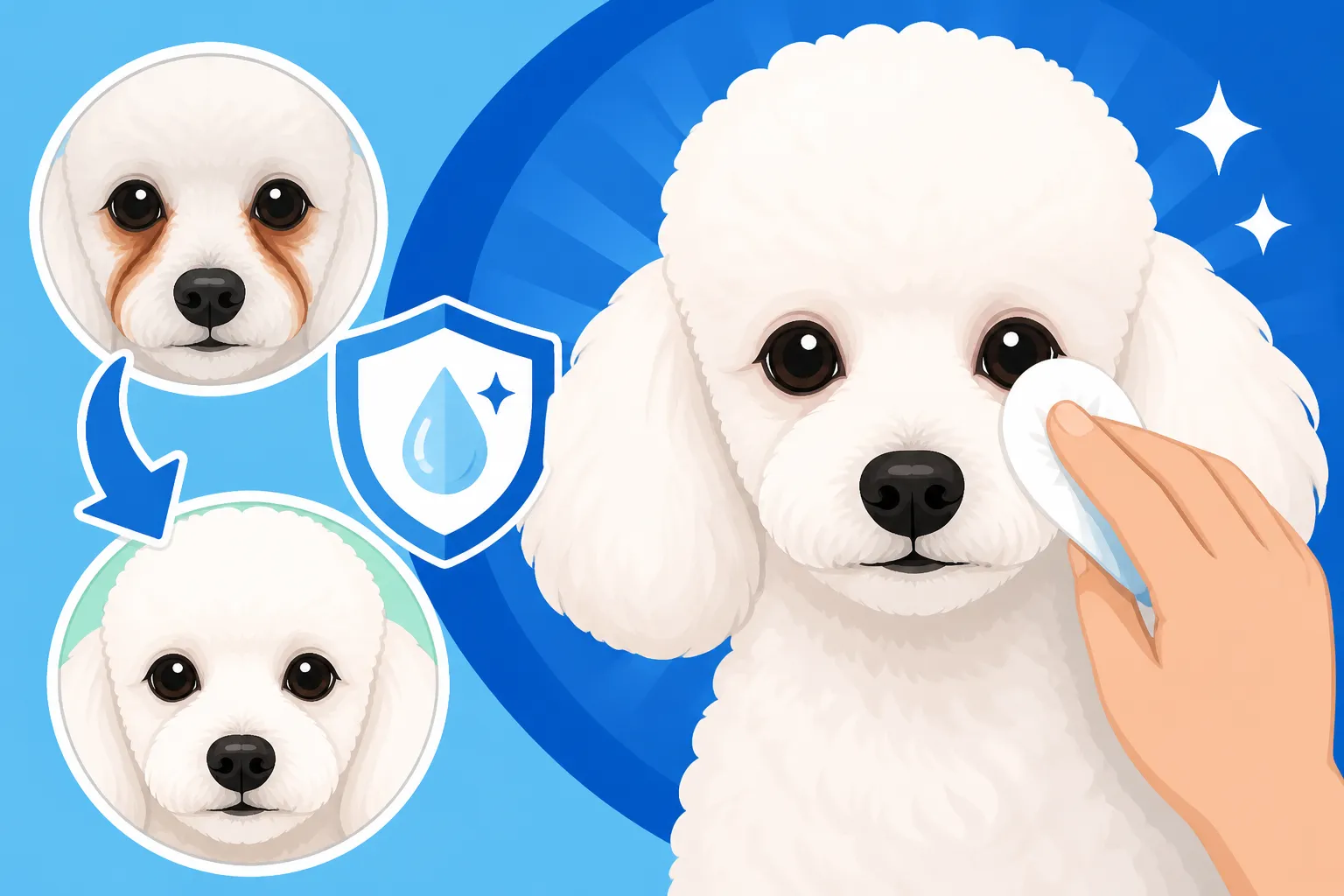
The most fundamental step is daily cleaning. Think of it like brushing your own teeth – it's something that needs to be done regularly to prevent buildup. The goal here is to remove the tears before they have a chance to oxidize and set into stains. You'll want to use soft, lint-free cloths or cotton pads; harsh towels can irritate the delicate skin around their eyes. A simple saline solution, like the kind used for contact lenses (make sure it's plain saline, not a cleaner), or even just lukewarm filtered water, can be very effective.
Gently wipe the area beneath and around your Poodle's eyes at least once, and ideally twice, a day. Be incredibly careful not to touch their eyeball itself. Sometimes, it helps to hold a warm, damp cloth against the area for a few seconds to soften any crusty residue before wiping. For Poodles with particularly stubborn staining, you might find that using a fresh section of the cloth or pad for each eye, or even a completely new pad, prevents spreading any potential bacteria. Patience and a calm demeanor on your part will help your Poodle learn to tolerate and even enjoy this routine.
Maintaining Proper Eye and Face Grooming
Beyond daily wiping, keeping the hair around your Poodle's eyes properly trimmed is absolutely crucial. Longer hair in this area acts like a sponge, soaking up tears and holding moisture against the skin. This creates the perfect breeding ground for yeast and bacteria, which as we discussed, can worsen the staining. This hair can also irritate the eye itself, causing even more tearing.
You'll want to carefully trim the hair short with blunt-nosed scissors or a small, quiet clipper designed for delicate areas. Always point the scissors away from the eye, and never cut straight towards it. If using clippers, make sure your Poodle is completely still and calm. It’s often best to get this done by a professional groomer if you’re not confident, as their experience and specialized tools make it much safer. Many groomers offer "face, feet, and tail" trims between full grooming appointments specifically to address this area. Keeping the hair on the bridge of the nose and the inside corners of the eyes very short will allow tears to evaporate more quickly and prevent them from wicking into the surrounding coat. Remember, a tidy face isn't just for looks; it's a vital part of managing tear stains and preventing irritation. You can learn more about this in Trimming the Hair Around a Poodle's Eyes.
Dietary and Environmental Considerations
Sometimes, the solution to tear stains isn't just about what you put on your Poodle, but what goes into them, and what surrounds them in their daily life. Making a few thoughtful adjustments can significantly impact their overall health and reduce those stubborn stains.
The Role of Diet and Water Quality
What your Poodle eats and drinks can definitely play a role in tear staining. A diet high in artificial colors, fillers, or low-quality ingredients can sometimes contribute to inflammation or sensitivities that manifest as increased tearing. Opting for a high-quality, balanced diet with whole ingredients can sometimes make a noticeable difference. Look for foods with limited ingredients and without unnecessary additives. Brands like Ollie often focus on fresh, human-grade ingredients that can be gentler on a dog's system. You can discuss with your vet whether a dietary change might be beneficial for your particular Poodle, especially if you suspect food sensitivities. Feeding a Poodle by Size is a good starting point for understanding their nutritional needs.
Beyond food, the water your Poodle drinks is another often-overlooked factor. Tap water, especially in certain regions, can be high in minerals, iron, or other impurities. While not all studies conclusively link tap water to tear stains, some Poodle owners report a significant improvement when switching to filtered or distilled water. The iron content in particular might contribute to the porphyrin issue. Consider investing in a good quality water filter for your Poodle’s drinking water. Even a simple pitcher filter can make a difference, or you can opt for a pet fountain with a built-in filter.
Reducing Environmental Irritants
Just like we can get watery eyes from dust or smoke, your Poodle is sensitive to irritants in their environment. A dusty home, exposure to cigarette smoke, or even strong chemical cleaning products can all cause their eyes to water excessively. This constant irritation leads to more tears, which in turn leads to more staining.
To reduce these irritants, consider regular, thorough cleaning of your home, paying attention to dusting and vacuuming. If you or someone in the household smokes, ensure your Poodle is never exposed to secondhand smoke. When cleaning, opt for natural, unscented cleaning products or ensure your Poodle is in a different area until the fumes have dissipated and surfaces are dry. Even seemingly innocuous things like diffusers, air fresheners, or heavily fragranced candles can be irritating to a sensitive Poodle's respiratory system and eyes. Switching to hypoallergenic bedding can also help, as some fabrics or stuffing can create more dust or allergens. Using an air purifier in the main living areas where your Poodle spends most of their time can also trap airborne particles and significantly improve air quality, leading to less eye irritation.
Product-Based Solutions and When to Use Them
When daily cleaning and environmental adjustments aren't quite enough, many Poodle parents turn to specialized products. The market is flooded with options, and it can feel overwhelming to choose. It’s important to understand what these products aim to do and to use them safely and judiciously.
Topical Wipes and Solutions
For many Poodle owners, topical wipes and solutions are the first line of defense after basic hygiene. These products are designed to clean the stained hair and, in some cases, to prevent future staining. You’ll find a wide variety of options available on platforms like Chewy and Amazon. Many contain mild cleansing agents, antimicrobials, or even gentle bleaching agents to lighten the existing stains.
When choosing a topical product, look for ones specifically formulated for dogs and for tear stains. Some popular ingredients include boric acid, witch hazel, or colloidal silver. Always read the ingredient list carefully and avoid products that contain harsh chemicals, dyes, or strong perfumes that could irritate your Poodle's sensitive eyes or skin. Apply them exactly as directed by the manufacturer, typically by wiping the stained area with a saturated pad or cloth. Be careful to avoid direct contact with the eye itself. For best results, consistent daily application is key. Remember, these are designed to clean and lighten existing stains, and prevent new ones, but they won't stop the underlying tearing.
Internal Supplements and Probiotics
Some owners explore internal supplements, believing that addressing the issue from within can be more effective for persistent stains. These products generally fall into two categories: those that aim to alter the body's chemistry to reduce porphyrin excretion, and those that support overall gut health to potentially reduce yeast overgrowth.
Supplements designed to reduce porphyrins often contain ingredients like cranberry extract or certain enzymes. Probiotics, on the other hand, focus on balancing the gut microbiome, which some believe can help regulate yeast levels throughout the body, including around the eyes. If an imbalance of yeast is contributing to your Poodle’s staining, a healthy gut could theoretically help. Brands sometimes offer specific "tear stain" supplements that combine a variety of these ingredients. However, it's absolutely crucial to consult your veterinarian before starting any internal supplement regimen. Your vet can advise on the safety, efficacy, and appropriate dosage, and ensure there are no contraindications with any other medications or health conditions your Poodle might have. They can help you determine if the issue is truly internal or if the money might be better spent on other solutions.
When to Consult Your Veterinarian
While many tear stain issues can be managed at home with diligent care, there are times when those persistent stains are a sign of something more serious. Knowing when to escalate the situation to a professional is vital for your Poodle's health and comfort.
Recognizing Signs of Underlying Health Issues
Tear stains alone aren't usually an emergency, but they can be a symptom of an underlying problem that does need veterinary attention. If you notice any changes in your Poodle's eyes or general demeanor accompanying the stains, it's time to make that appointment. Watch out for excessive tearing that seems suddenly worse or appears without a clear external irritant. Any redness, swelling, or discharge that looks like pus (yellow, green, or thick and sticky) is a definite red flag. Your Poodle pawing at their eyes frequently, squinting, or showing signs of discomfort or pain are also serious indicators.
Even subtle changes, like one eye staining more than the other, could point to an issue. If your Poodle seems more lethargic, has a loss of appetite, or generally isn't acting themselves in conjunction with eye problems, it’s imperative to get them checked. These signs could be indicative of an eye infection, foreign body in the eye, allergies, or even something more complex like Poodle Allergies and Skin Reactions or Inherited Blindness in Poodles. Don't just treat the symptom (the stain) when the cause might be causing your Poodle pain or discomfort.
Veterinary Diagnosis and Treatment Options
When you bring your Poodle to the vet for tear stains, they won't just look at the discoloration; they'll perform a thorough eye examination to get to the root cause. This often includes checking tear production, assessing the health of the cornea, and performing a fluorescein stain test to look for corneal abrasions or ulcers. They will also likely check for blocked tear ducts or inflammation around the eyelids. If allergies are suspected, your vet might discuss allergy testing or an elimination diet.
Depending on their findings, your vet might recommend a variety of treatments. If an infection is present, prescription eye drops (antibiotic or anti-inflammatory) or oral antibiotics may be prescribed. For persistent blocked tear ducts, a vet might attempt to flush them, or in rare cases, discuss surgical options. If allergies are the primary culprit, managing them could involve antihistamines, steroids, or allergy shots. In some instances, for very stubborn stains, your vet might recommend professional grooming or even refer you to a veterinary ophthalmologist for specialized care. The key is to address the cause of the excessive tearing, which in turn will often resolve the staining.
| Approach | Pros | Cons | Best For |
|---|---|---|---|
| Daily Wiping | Simple, low cost, immediate stain removal | Requires consistency, doesn't address root cause | Mild, occasional stains; basic maintenance |
| Proper Grooming | Prevents irritation, reduces moisture trap, improves appearance | Requires skill/professional help, Poodle must tolerate | Long-haired breeds, preventing hair-related issues |
| Dietary Changes | Addresses internal sensitivities, overall health benefits | Can be costly, slow results, not always the cause | Suspected food allergies, general health improvement |
| Filtered Water | Reduces mineral/iron intake, easy to implement | Variable effectiveness, not guaranteed to work | Areas with hard water, part of multi-pronged approach |
| Topical Products | Can lighten existing stains, quick visible results | Risk of irritation, temporary solution, can be costly | Stubborn existing stains, alongside prevention |
| Internal Supplements | Addresses internal factors, potentially long-term results | Consult vet vital, efficacy varies, can be costly | Chronic issues, vet-guided approach, yeast control |
| Veterinary Visit | Diagnoses underlying issues, targeted treatment | Can be costly, may require multiple visits/tests | Any signs of pain, infection, sudden worsening |
Disclaimer
This article is for general informational purposes only and does not constitute professional advice. Laws, prices and regulations vary by location and change over time. Consult a qualified professional for guidance on your specific situation.