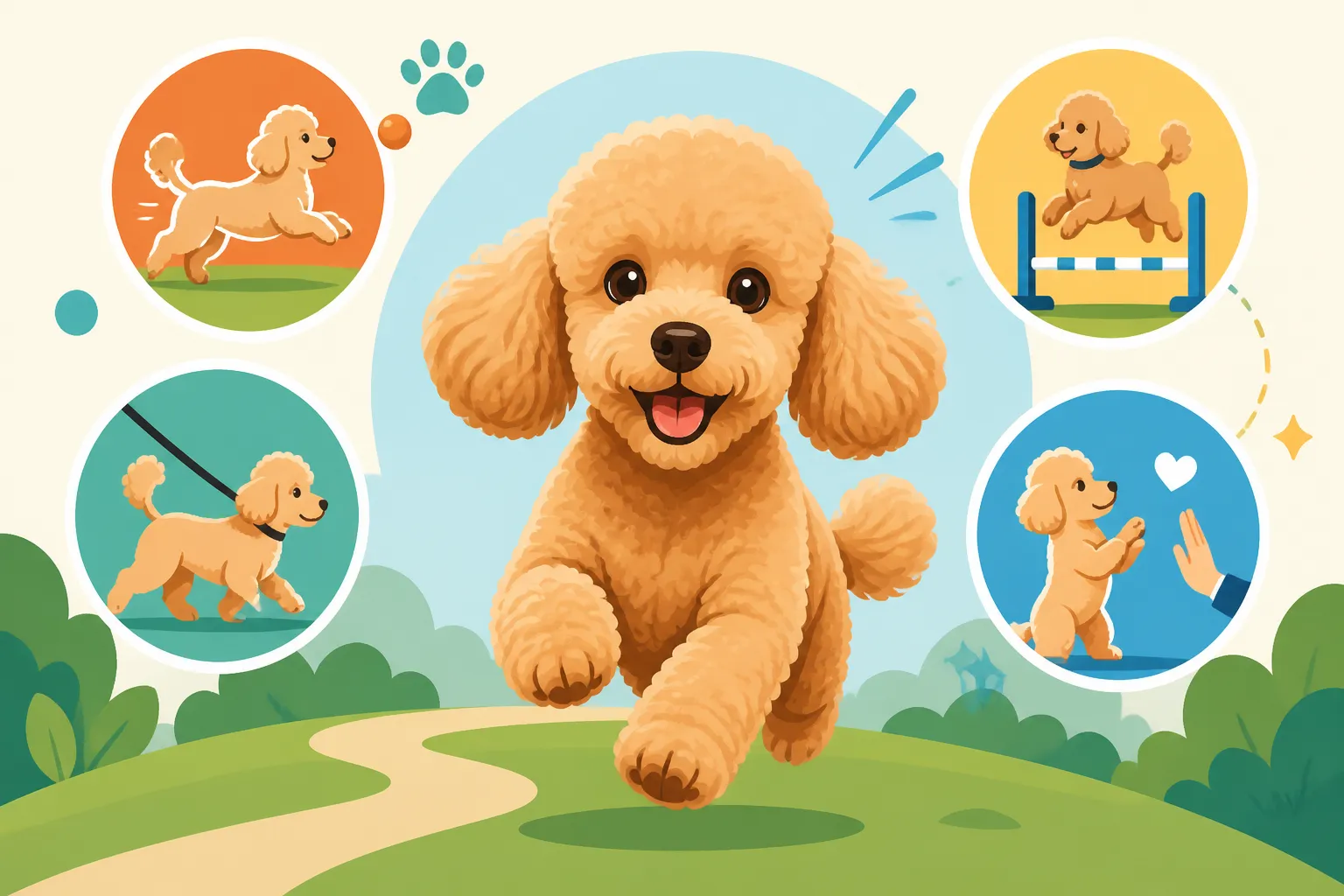
Daily Exercise for a Toy Poodle
It’s a common misconception that because Toy Poodles are small, they don’t need much exercise. Many new owners, charmed by their diminutive size, assume they're content to be carried everywhere or simply potter around the house. However, underestimating a Toy Poodle's need for physical and mental activity can lead to a host of problems, from destructive behaviors and excessive barking to unhealthy weight gain. This guide is here to walk you through exactly how to provide your tiny companion with the balanced and stimulating daily exercise they truly need to thrive, ensuring they're happy, healthy, and well-adjusted members of your family.
Understanding the Toy Poodle's Energy Profile
Don't let their elegant appearance or small stature fool you; Toy Poodles carry the genetic blueprint of robust, intelligent working dogs. They're not just dainty lap accessories, despite how adorable they look perched on a velvet cushion. Their history as keen retrievers, scaled down over generations, means they retain a significant drive for activity and mental engagement. Ignoring this fundamental aspect of their breed can leave them frustrated and prone to undesirable behaviors.
The Active Mind in a Small Body
Poodles, regardless of size, consistently rank high on intelligence lists, often placing second only to the Border Collie in some studies. This inherent cleverness isn't just for showing off tricks; it demands an outlet. A Toy Poodle's mind is always whirring, observing, and processing. If you don't give that brilliant brain something constructive to do, it will find its own entertainment – and trust me, that usually involves things you won't appreciate, like reorganizing your throw pillows or staging dramatic barking performances at squirrels.
Imagine a highly intelligent child left in a room with no books, no toys, and nothing to do but stare at a wall. They’d quickly become bored, restless, and might even start dismantling the furniture out of sheer mental hunger. A Toy Poodle is much the same. Physical exercise alone won't tire out their brain. They need tasks, challenges, and opportunities to problem-solve. Engaging their minds through structured walks, training, and interactive play is just as crucial as burning off physical energy. Failing to do so often manifests as anxiety, obsessive behaviors, or even aggression, which can be baffling to owners who believe their small dog "gets enough attention." This isn't just attention, it's engagement. If you want to dive deeper into their smarts, you might enjoy Poodle Intelligence and Coren's Ranking.
Dispelling the "Lap Dog Only" Myth
The image of a Toy Poodle as a delicate, pampered pooch who prefers luxury over leaping is deeply ingrained, but it's a profound misrepresentation of their heritage. Their ancestors, the Standard Poodles, were formidable water retrievers, plunging into icy waters to fetch game for hunters. While the Toy Poodle was bred down in size for companionship and apartment living, the fundamental drive for activity and purpose remains. They are not merely ornamental.
Think of it this way: a powerful hunting dog, miniaturized, still carries the spirit of its larger relatives. You'll see it in their keen gaze, their quick movements, and their surprising athleticism. They might not be retrieving ducks from a lake, but they'll happily retrieve a squeaky toy from across your living room with the same enthusiasm. Many owners are surprised when their seemingly fragile Toy Poodle bounds up a hiking trail or navigates an agility course with impressive speed and agility. This active spirit means they need more than just a quick trip outside to do their business. They need walks that allow them to explore, sniff, and experience the world. They need opportunities to run and play, even if it's in a controlled, safe environment. Understanding that your Toy Poodle isn't just a lap decoration, but a miniature athlete with a rich history, is the first step to meeting their true exercise needs. Learn more about their roots in The Water Dog Behind the Poodle.
Tailoring Outdoor Adventures for Your Tiny Trekkers
Outdoor adventures are vital for your Toy Poodle, providing not just physical exertion but also invaluable mental stimulation through new sights, sounds, and smells. However, their small size means these adventures need a bit more thought and planning than they might for a larger breed.
Safe and Stimulating Walks
For a Toy Poodle, a "walk" isn't just about covering distance; it's about sensory exploration. Aim for at least two to three walks a day, each lasting 15 to 20 minutes, depending on your dog's age, fitness level, and the weather. These aren't just potty breaks; these are opportunities for them to engage with their environment. Let them sniff! Sniffing is mentally exhausting for dogs and helps them process information about their surroundings. Vary your routes to keep things interesting – exploring a new block or a different path at the park will provide fresh scents and visual stimulation.
When you're out and about, pay close attention to your Toy Poodle's tiny paws on hot pavement or icy sidewalks. Their delicate footpads are very susceptible to extreme temperatures. Always use a harness instead of a collar to protect their fragile necks and tracheas, as sudden pulls on a collar can cause injury, especially in small breeds. Look for a well-fitting, comfortable harness that distributes pressure evenly. Remember, even a short walk is a big adventure for a small dog, and they need time to stop, observe, and engage with the world on their terms. It’s not just about getting steps in; it’s about enriching their lives. For more detailed insights, check out Exercise a Toy Poodle Actually Needs.
Navigating Outdoor Hazards for Small Poodles
The world can be a big, sometimes dangerous, place for a Toy Poodle. When you're outdoors, you become their guardian, protecting them from hazards that larger dogs might easily shrug off. Predatory birds, such as hawks or even large crows, can view very small dogs as prey, especially in open areas. Always keep your Toy Poodle on a leash and stay vigilant. If you're in an area known for such birds, consider a bright-colored vest or even staying closer to more populated areas.
Other dogs also pose a significant risk. A playful nip from a large, boisterous Labrador might be harmless to another big dog, but it could severely injure a Toy Poodle. Always supervise interactions with other dogs closely, and if you're unsure about another dog's temperament, err on the side of caution and keep your distance. Furthermore, environmental toxins like antifreeze, pesticides, or even certain common garden plants can be deadly to a small dog who might ingest them easily. Always be aware of your surroundings, especially if you're letting them sniff around bushes or grass. During extreme weather, consider dog boots for paw protection or simply shorten outdoor time and rely more on indoor activities. These precautions aren't about being overprotective; they're about being responsible for a creature whose very size makes them vulnerable in a world designed for larger beings.
Engaging the Toy Poodle's Brain Indoors
Even with regular outdoor excursions, a Toy Poodle's intelligent mind often needs more. Indoor activities are fantastic for mental enrichment, especially on days when the weather isn't cooperating or when you simply want to provide an extra layer of stimulation.
Puzzle Toys and Interactive Feeders
One of the best ways to engage a Toy Poodle's brain indoors is through puzzle toys and interactive feeders. These devices turn mealtime or treat time into a mental game, requiring your dog to figure out how to release the food. Instead of just scarfing down their dinner in 30 seconds, they have to work for it, using their natural problem-solving skills. There are numerous types available, from simple treat-dispensing balls to more complex puzzles with sliding compartments and levers.
For a beginner, start with something straightforward, like a KONG stuffed with a bit of their regular kibble mixed with a smear of peanut butter (xylitol-free, please!). As they get the hang of it, you can graduate to more challenging options. Brands like Chewy and Amazon offer a vast selection of these types of toys, so you're sure to find something that suits your Poodle's skill level and your budget. The mental effort involved in these activities can be surprisingly tiring, often leaving them content and ready for a nap afterward. This isn't just entertainment; it's a vital part of fulfilling their intellectual needs and preventing boredom-related mischief.
Training for Mental Acuity
Training isn't just for puppies learning "sit" and "stay." For a Toy Poodle, ongoing training is a powerful form of mental exercise that keeps their minds sharp and strengthens your bond. Short, frequent training sessions – perhaps two to three times a day for 5-10 minutes each – are far more effective than one long, tedious session. Their attention spans, though keen, can wane with repetition. Keep it fun, positive, and reward-based.
Think beyond basic obedience. Teach them new tricks: "spin," "weave through legs," "play dead," or even how to identify their toys by name. The Age a Poodle Puppy Starts Learning can be a great resource for starting early. Canine freestyle (dog dancing) or trick titles are fantastic ways to channel their intelligence and natural desire to perform. These activities require focus, memory, and coordination, all of which provide excellent mental stimulation. Moreover, problem-solving games, like "find the treat" where you hide small, healthy treats around the house, will tap into their scenting abilities and provide a wonderful mental workout. The joy of a Toy Poodle who understands and executes a new command is palpable, and the mental satisfaction they gain is invaluable.
Beyond the Walk: Other Forms of Physical Activity
While walks are a cornerstone of a Toy Poodle's exercise routine, they shouldn't be the only form of physical activity. Diversifying their routine keeps them engaged, prevents boredom, and works different muscle groups.
Indoor Play and Games
When outdoor options are limited by weather, health, or time constraints, indoor games can be a lifesaver. Fetch, even in a small living room, can burn surprising amounts of energy. Use soft, lightweight toys that won't damage furniture or objects. Another fantastic game is hide-and-seek: have your Poodle "stay" in one room while you hide in another, then call them to "find me!" The excitement of the search and the reward of finding you provides both physical and mental stimulation.
Stair runs, if your home has stairs and your Poodle is healthy and young enough, can be a quick burst of cardio. Be mindful of their joints, especially as they age, and avoid this if there are any signs of Luxating Patella in Toy and Miniature Poodles or other joint issues. Create an indoor "obstacle course" with pillows, blankets, and tunnels for them to navigate. The key is to make it fun, interactive, and to participate with them. A laser pointer can be a tempting toy, but use it sparingly and always end with a physical toy they can "catch" to prevent frustration and obsessive chasing behaviors.
Gentle Agility or Canine Sports
You might think agility is only for Border Collies or German Shepherds, but many Toy Poodles absolutely excel at it! Their natural athleticism, intelligence, and eagerness to please make them fantastic small-scale competitors. Of course, the jumps and obstacles should be appropriately sized for their small frames, focusing on safety and correct form over speed. Many local dog training clubs offer beginner agility classes tailored for small breeds. It's a fantastic way to build confidence, reinforce training, and provide a comprehensive workout for both body and mind.
Beyond formal agility, consider other canine sports like rally obedience, where they follow a course of signs indicating different commands to perform, or even trick dog titles which combine elements of obedience and showmanship. Some Toy Poodles even enjoy urban herding or scent work, tapping into their natural instincts for tracking and problem-solving. Nose Work as Exercise for a Poodle is especially great because it’s low-impact but incredibly mentally taxing. These activities provide a structured outlet for their energy and intelligence, preventing boredom and building an incredible partnership between you and your Poodle.
Recognizing Over-Exercise and Under-Exercise
Finding the right balance of exercise is key for your Toy Poodle's well-being. Both too little and too much can lead to problems, and recognizing the signs is part of being a responsible owner.
Signs of a Well-Exercised Poodle
A Toy Poodle who receives adequate physical and mental exercise is generally a happy, calm, and well-behaved companion. After a good walk or play session, they should settle down contentedly, perhaps curling up for a nap. Their sleep should be sound and uninterrupted. You'll notice a reduction in destructive behaviors like chewing furniture or excessive digging, and less nuisance barking. They'll be responsive to commands, eager to engage in training, and generally have a cheerful, balanced temperament.
Physically, a well-exercised Toy Poodle will maintain a healthy weight and good muscle tone. They won't appear sluggish or overly hyperactive. Their interactions with you and other members of the household will be positive and relaxed, not frantic or demanding. Essentially, they are the ideal companion: attentive when you're engaging with them, and perfectly happy to relax when you're busy. If you're consistently seeing these positive signs, you're likely hitting the sweet spot for your Poodle's exercise needs.
Spotting the Red Flags
On the flip side, both insufficient and excessive exercise can manifest in clear warning signs. If your Toy Poodle is constantly barking, chewing inappropriately, nipping, or exhibiting hyperactive behaviors like racing around the house for no reason, these are often red flags pointing to a lack of physical or mental stimulation. They might follow you around constantly, demand attention aggressively, or seem anxious and unable to settle down. These aren't signs of a "naughty" dog; they're often symptoms of unfulfilled needs. You might also notice them gaining weight, which can lead to serious health issues like Poodle Obesity and Its Consequences.
Conversely, over-exercising a Toy Poodle, especially a young puppy or an older dog, can also be detrimental. Look for signs of lameness, limping, excessive panting that doesn't quickly subside, or reluctance to move. A puppy's growth plates are still developing, and too much strenuous exercise can cause long-term joint damage. An older Poodle might tire more easily, and pushing them too hard can lead to pain or injury. For an aging Poodle, gentler, shorter activities are more appropriate, perhaps even incorporating swimming if they enjoy it, as it’s low impact. Monitor their energy levels closely, and adjust their activity based on their individual response. It's about quality over quantity, always prioritizing their comfort and safety. If you're concerned about an aging poodle, Caring for an Aging Poodle offers great advice.
Integrating Exercise with Nutrition and Overall Health
Exercise is just one piece of the puzzle when it comes to a healthy Toy Poodle. It works hand-in-hand with proper nutrition and regular veterinary care to ensure your beloved companion lives a long, vibrant life.
Fueling an Active Toy Poodle
Just like human athletes, active dogs need the right fuel to perform and recover. For a Toy Poodle, this means a high-quality, balanced diet appropriate for their age, activity level, and size. Don't skimp on food quality just because they eat less than a Standard Poodle. Look for foods with real meat as the first ingredient, and avoid excessive fillers. Given their small size, it's particularly important to pay attention to calorie density and portion control. Overfeeding, even slightly, can quickly lead to weight gain in a Toy Poodle, which puts undue stress on their small joints and organs.
Consider a feeding schedule that supports their energy output. For instance, if they have an energetic morning walk, ensure they've had a nutritious breakfast that will sustain them. Some owners opt for fresh food diets, like those offered by companies such as Ollie, which can be precisely portioned and tailored to your dog's specific needs. Always discuss your Poodle's diet with your veterinarian to ensure it meets all their nutritional requirements. Remember that treats should be counted as part of their daily caloric intake, and opt for small, low-calorie options, especially during training. Find out more about how to manage their intake in Portion Control for a Poodle.
Importance of Regular Vet Check-ups
Before embarking on any new or intensified exercise routine for your Toy Poodle, a visit to your veterinarian is paramount. A thorough check-up ensures that your dog is physically sound and doesn't have any underlying health issues that could be exacerbated by exercise. This is especially true as they get older or if you're taking on a rescue whose history might be unknown. Your vet can assess their heart, lungs, joints, and overall condition, giving you the green light or advising on any necessary modifications.
Regular veterinary visits also allow for preventive care, such as vaccinations, parasite control, and dental checks, all of which contribute to their ability to exercise comfortably and safely. Toy Poodles, like all purebreds, can be predisposed to certain conditions, such as luxating patellas or tracheal collapse, which could affect their exercise capacity. Catching these early allows for proper management and adjustments to their activity levels. Think of your vet as a partner in your Poodle's health journey, helping you to create an exercise plan that is both beneficial and safe for their unique needs. It’s an investment in their long-term well-being and helps to minimize future problems. Read more about this in Yearly Routine Vet Spend for a Poodle.
Daily Exercise for a Toy Poodle: A Quick Guide
Here's a handy overview of recommended activities for your Toy Poodle, adjusting for different energy levels and situations.
| Activity Type | Duration/Frequency | Key Benefits | Considerations |
|---|---|---|---|
| Outdoor Walks | 2-3 times daily, 15-20 minutes each | Physical fitness, sensory exploration | Harness, paw protection, leash, vigilance for hazards |
| Indoor Play (Fetch, Hide-and-Seek) | 1-2 times daily, 10-15 minutes each | Physical outlet, strengthens bond | Use soft toys, clear safe space, avoid slippery floors |
| Puzzle Toys/Feeders | Daily meal or treat time | Mental stimulation, problem-solving | Choose appropriate difficulty, supervise initially |
| Training Sessions | 2-3 times daily, 5-10 minutes each | Mental acuity, obedience, bond-building | Positive reinforcement, short and fun, varied locations |
| Gentle Agility/Sports | 1-2 times weekly, 20-30 minutes | Full body workout, confidence, skill development | Breed-appropriate obstacles, vet approval, professional guidance |
| Nose Work/Scent Games | 3-4 times weekly, 10-15 minutes each | Mental exhaustion, natural instinct fulfillment | Can be done anywhere, low physical impact |
This table serves as a general guideline. Always observe your individual Poodle's preferences, energy levels, and health status to tailor their routine perfectly.
Disclaimer
This article is for general informational purposes only and does not constitute professional advice. Laws, prices and regulations vary by location and change over time. Consult a qualified professional for guidance on your specific situation.