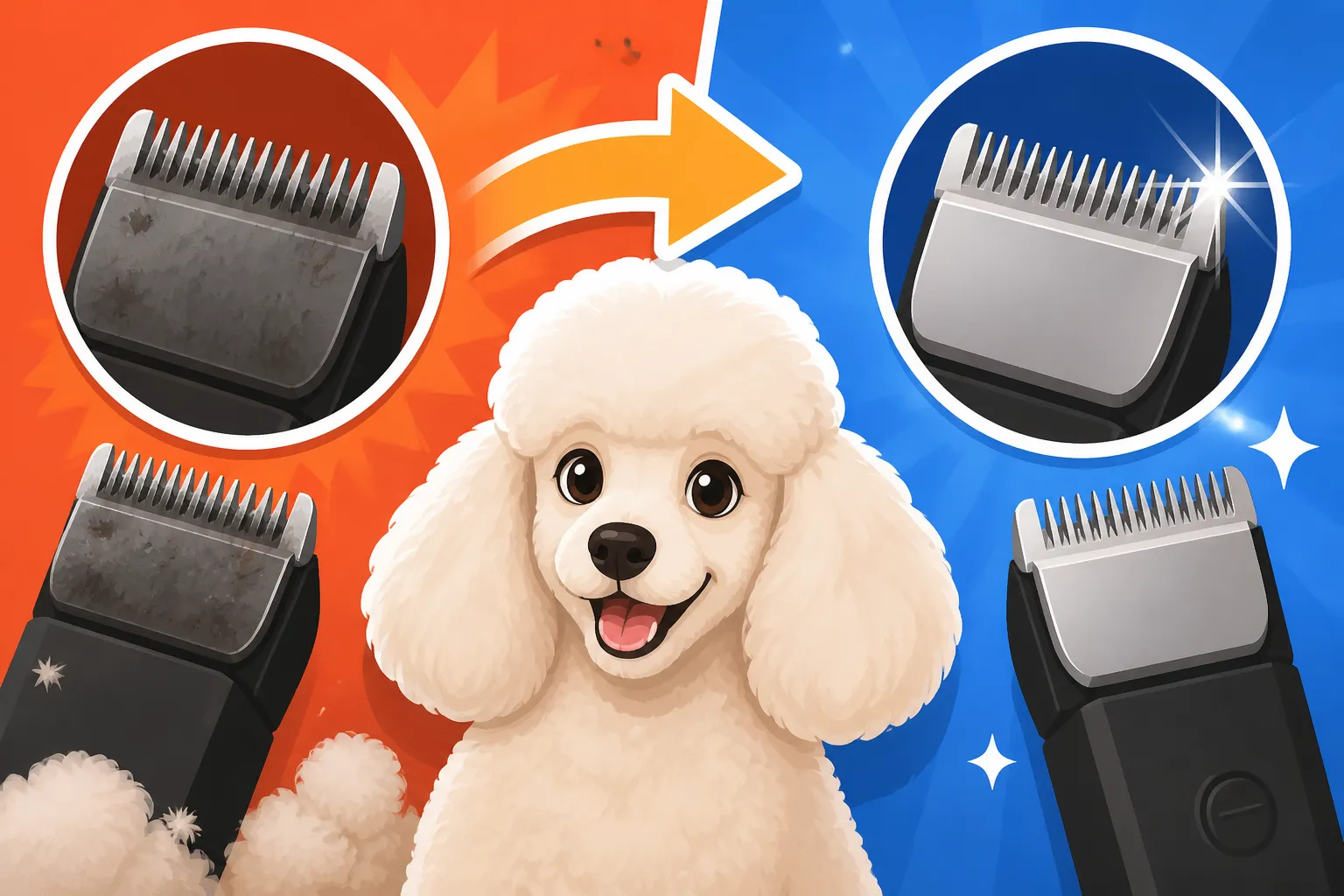
Replacing Blades That Dull on Poodle Coat
There's nothing quite as frustrating as settling in to give your beloved Poodle a fresh trim, only to find your clipper blades are snagging, skipping, or leaving tracks. That beautiful, dense Poodle coat, which is one of their most defining features, is also incredibly tough on grooming tools. This guide will walk you through everything you need to know about recognizing dull blades, when to replace them, how to choose the right new ones, and ultimately, how to keep your Poodle looking pristine without the endless struggle of a dull blade.
Why Poodle Coats Dull Clipper Blades So Quickly
If you've ever wondered why your clipper blades seem to lose their edge faster than you can say "Poodle," you're not alone. It's a common complaint among Poodle owners, whether you're a seasoned home groomer or someone just starting to Clip a Poodle at Home. The unique characteristics of a Poodle's coat are both a blessing and a curse when it comes to blade longevity.
The Unique Texture of Poodle Hair
Unlike dogs with fur that sheds, Poodles have hair that just keeps growing, much like human hair. This means it’s incredibly dense and curly. Imagine trying to cut through a thick, tightly coiled wool sweater with scissors that aren't perfectly sharp – it's a struggle. Poodle hair behaves similarly. The sheer volume and resilience of each strand create immense friction and resistance against the moving parts of your clipper blades.
This density, combined with the hair's natural oil, also means that tiny particles, dirt, and even dander can get trapped within the coat. As the blades glide through, these microscopic abrasives act like sandpaper, slowly but surely grinding down the sharp edges. It's a cumulative effect; every pass over the coat contributes to the dulling process. This is particularly noticeable if you don't thoroughly wash and dry your Poodle before grooming, as dirt and grit will accelerate blade wear significantly.
Signs Your Blades Are Dull
Before you even start clipping, you might notice subtle cues that your blades are past their prime. One of the most common indicators is a change in the sound of your clippers. They might sound like they're working harder, or you might hear a distinct "chattering" noise as the blades struggle to cut through the hair.
Once you begin grooming, the signs become undeniable and often quite frustrating.
- Snagging and Pulling: This is perhaps the most obvious and uncomfortable sign for your Poodle. Instead of smoothly gliding through the coat, the blades will catch and pull at the hair, causing your Poodle to flinch, fuss, or even cry out. Nobody wants to cause their furry friend discomfort, and this is a clear signal that the blades are no longer cutting efficiently.
- Tracking and Lines: Dull blades often fail to cut all the hair evenly. You'll notice distinct lines or "tracks" left behind in the coat, almost like stripes, where the blades have skipped over sections or cut inconsistently. This means you'll have to go over the same area multiple times, prolonging the grooming session and potentially irritating your Poodle's skin.
- Overheating: Dull blades generate more friction as they try to force their way through the hair. This increased friction translates directly into heat. The blades will become noticeably hot to the touch much faster than sharp blades, posing a risk of Clipper Burn on a Closely Trimmed Poodle. If you have to pause frequently to cool your blades, it's a strong sign they're dull.
- Missed Spots: You'll find yourself needing to make numerous passes over the same area to achieve an even cut. Patches of longer hair might remain, refusing to be cut by the struggling blades. This not only wastes time but makes it nearly impossible to get that smooth, professional finish you desire for your Poodle.
- Slow Cutting: The entire process slows down. What should be a quick pass takes effort, and you might feel like you're pushing the clippers rather than letting them do the work. This added strain on your hands and wrists is another clue that your blades are tired.
The Impact of Dull Blades on Your Poodle and Your Time
The consequences of using dull blades extend beyond just a poor haircut. For your Poodle, it's a truly unpleasant experience. The constant pulling and tugging can be painful, making them dread grooming sessions. A Poodle that associates grooming with discomfort will be less cooperative, turning what should be a bonding experience into a battle. In severe cases, this discomfort can lead to anxiety, fear, and even aggression during grooming, making future sessions exponentially harder for both of you.
Beyond the pain, dull blades increase the risk of skin irritation and even injury. When blades snag, they can pull the skin taut, making nicks and cuts more likely. Overheated blades can cause actual burns, leaving sensitive skin red and inflamed. These irritations can then lead to secondary Skin Infections Under a Matted Poodle Coat if not properly addressed, escalating a simple grooming session into a costly vet visit.
For you, the groomer, dull blades translate directly into lost time and increased frustration. A job that might take an hour with sharp blades could stretch to two or three hours with dull ones. You'll spend more time fighting with the clippers, re-doing sections, and trying to soothe a stressed Poodle. This can quickly turn what might have been a money-saving venture into a huge headache, leading many to give up on home grooming entirely or pay for additional grooming appointments to fix the unevenness. It's a false economy to try and stretch the life of your blades too far.
When to Replace Versus Sharpen Your Poodle Clipper Blades
Deciding whether to replace your dull clipper blades or have them professionally sharpened is a common dilemma for Poodle owners. Both options have their merits and drawbacks, and the best choice often depends on the type of blade, its current condition, and your budget. Understanding the differences can help you make an informed decision and keep your grooming kit in top shape.
Assessing Blade Condition
Before you send your blades off for sharpening or click "add to cart" on new ones, take a moment to really inspect them. Not all dullness is created equal, and sometimes a blade might be beyond saving, even by a skilled sharpener.
First, examine the teeth of the blade. Are any of them bent, chipped, or broken? Even a single damaged tooth can cause tracking and uneven cuts that sharpening won't fix. If you see visible damage, replacement is likely the only viable option.
Next, consider the general wear and tear. Has the blade been dropped numerous times? If the casing is bent or warped, or if the screws are stripped, the blade may not sit correctly on your clippers, leading to inefficient cutting even if the teeth are sharp. Sometimes, the spring or tension mechanism inside the blade unit can wear out, preventing proper cutting action. This usually requires a new blade assembly.
Finally, think about how many times the blade has been sharpened previously. High-quality carbon steel blades can be sharpened multiple times, but eventually, there's just not enough material left to create a truly fine edge. Each sharpening removes a tiny layer of metal. After several sharpenings, the blade's geometry can change enough to affect its performance. Ceramic blades, while staying sharp longer, are often not suitable for sharpening at all due to the material's brittleness.
The Lifespan of Common Blade Types
The expected lifespan of your clipper blades largely depends on the material they're made from and how diligently you care for them.
- Carbon Steel Blades: These are the most common type and are known for their durability and ability to be re-sharpened. A good quality steel blade, with proper cleaning and oiling after every use, can last for several years with regular sharpening. How many grooms you get between sharpenings will vary wildly based on coat condition and density, but a home groomer might get 5-10 full Poodle grooms before noticing significant dullness. Professional groomers, who use their tools daily, might send blades for sharpening every few weeks.
- Ceramic Blades: Increasingly popular, ceramic blades are prized for staying cooler and sharper for longer. The ceramic cutting edge (often the moving blade, paired with a steel stationary blade) has microscopic pores that make it naturally self-cooling. This means less friction and less heat buildup, which is a huge benefit for your Poodle's comfort and your grooming efficiency. However, ceramic is brittle. If dropped, it's very prone to chipping or shattering, rendering the blade useless. As mentioned, most ceramic blades cannot be effectively sharpened due to the material's properties, making replacement the only option once they dull or break.
The Economics of Sharpening vs. Replacing
Here's where a bit of number-crunching comes in handy.
Sharpening:
A professional blade sharpening service typically costs a fraction of a new blade's price. For example, if a new blade costs around $30-40, sharpening might be $8-15 per blade. If you have several blades, this can add up, but it's still usually less than buying all new ones. The main drawback is the turnaround time. You'll need to send your blades out, which means you'll be without them for a week or two, requiring you to have backup blades or plan your grooms accordingly. This is where having a reliable set of backups, perhaps a full extra set of your most used blades, becomes essential.
Replacing:
Buying new blades means instant sharpness and no waiting period. However, the upfront cost is higher. If you're only replacing one or two frequently used blades, it might be manageable. But if you need a full suite of various lengths, the cost can quickly climb. Consider your grooming frequency. If you groom your Poodle every 4-6 weeks, a new set of quality blades could last you a year or more with proper care. You can find many reliable brands on platforms like Chewy, which often have sales or bundle deals on grooming supplies.
To make an informed decision, it helps to weigh these factors:
| Factor | Sharpening | Replacing |
|---|---|---|
| Cost | Lower per blade (e.g., $8-15) | Higher per blade (e.g., $30-40) |
| Turnaround | Requires sending out, 1-2 weeks typical | Instant (if in stock) |
| Blade Condition | Good for generally dull, undamaged blades | Essential for damaged or chipped blades |
| Blade Type | Best for carbon steel; usually not for ceramic | Suitable for all types (ceramic, steel) |
| Longevity | Extends life of existing blades | Provides full original lifespan |
| Convenience | Requires backup blades | Immediate availability |
Ultimately, for most Poodle owners who groom at home, a combination approach often works best. Have your most frequently used carbon steel blades sharpened a few times, and keep a backup set of new blades on hand. When a blade shows signs of irreparable damage or has been sharpened too many times, then it's time to invest in a fresh one. This approach allows you to extend the life of your valuable tools while ensuring your Poodle always gets a comfortable and efficient trim. For more about the costs involved in maintaining your Poodle, you might want to read Budgeting for a Poodle Coat That Never Stops.
Choosing the Right Replacement Blades for Your Poodle's Coat
When it's time to get new blades, whether due to dullness or damage, the sheer variety available can be a bit overwhelming. But don't worry, understanding a few key principles will help you select the perfect blades for your Poodle, ensuring a smooth, even, and comfortable groom every time.
Understanding Blade Numbers and Lengths
Clipper blades are identified by numbers, which directly correspond to the length of hair they leave behind. The higher the number, the shorter the cut. This is absolutely critical for Poodle grooming, as different areas of their body require different lengths, and you'll likely want to create a specific look or clip.
Here’s a quick breakdown of common blade numbers and their typical uses on a Poodle:
- #10 Blade (1/16 inch or 1.5mm): This is a very common all-around blade. It's a good choice for closely trimmed areas like the face, feet, and tail (the "Poodle areas") if you're aiming for a clean, short look. It’s also often used for sanitary trims and getting under the ears. While not extremely short, it can still cause Clipper Burn on a Closely Trimmed Poodle if not used carefully or if the blade overheats.
- #30 or #40 Blade (1/50 or 1/100 inch / 0.5mm or 0.25mm): These blades cut extremely short, often used under snap-on combs for longer finishes or for very precise sanitary work. They are generally too short for full-body clips on a pet Poodle as they leave very little hair for protection and can easily cause irritation.
- #7F Blade (1/8 inch or 3.2mm): The "F" stands for "finish" or "full tooth." This means the teeth are spread out more, resulting in a slightly longer, smoother cut than a regular #7 blade (which has skip teeth and can leave tracks). The #7F is a popular choice for a nice, short body clip, especially for Poodles who spend a lot of time outdoors or in water. It's short enough to be manageable but leaves enough coat to protect the skin.
- #5F Blade (1/4 inch or 6.3mm): Another excellent choice for body work, the #5F leaves the coat a bit longer and fuller than the #7F. It’s a great option for a clean, uniform look without going too short. Many owners use this for a practical "kennel clip" or "sporting clip."
- #4F Blade (3/8 inch or 9.5mm): This blade leaves a relatively long, full coat, making it ideal for a plush, cuddly look or for colder weather. It’s still manageable for home grooming but requires thorough Brushing a Poodle to the Skin between grooms to prevent matting at this length.
- #3F Blade (1/2 inch or 13mm): If you want to leave a good amount of length while still using a clipper, the #3F is your friend. It's often the longest blade used without a comb attachment. Perfect for a fluffy finish, but be prepared for diligent daily brushing to avoid tangles.
Your choice of blade numbers will depend on your desired style. If you're aiming for something like The Sporting Poodle Clip for a Busy House, you'll lean towards #5F or #7F. For a classic The Continental Poodle Clip and Its Upkeep, you'll use a variety of lengths, including very short blades for certain areas.
Ceramic vs. Steel Blades
This isn't just about color; it's about performance.
- Ceramic Blades: As discussed earlier, ceramic blades (specifically the cutter, the top moving part) stay significantly cooler than all-steel blades. This is a huge advantage, especially when grooming a dense Poodle coat, as it reduces the risk of overheating and clipper burn. If your Poodle is sensitive to heat or if you find your steel blades get hot quickly, ceramic might be a game-changer. They also tend to stay sharper for longer, meaning less frequent replacement or sharpening. However, they are more fragile. A drop on a hard floor will likely chip or break the ceramic part.
- Steel Blades: These are the workhorses of the grooming world. Durable and less prone to breaking if dropped, they can be sharpened many times, making them a cost-effective long-term option if you utilize sharpening services. The main downside is that they heat up faster due to friction, requiring more frequent use of cooling sprays and blade rotation during a long grooming session.
Many groomers opt for a hybrid approach: using ceramic blades for critical, sensitive areas or for their main body work, and keeping steel blades as backups or for less demanding tasks.
Comb Attachments and Their Role
Comb attachments, also known as snap-on combs or guard combs, are fantastic tools that fit over a #10 or #30 blade (never use them over a "F" or skip-tooth blade, as hair can get caught and cause injury). They allow you to leave significantly longer lengths than the blades themselves, typically ranging from 1/2 inch up to 2 inches or more.
- Extending Blade Life: By using comb attachments, your underlying #10 blade is doing less direct cutting work against the full length of the hair. This can help preserve its sharpness for longer.
- Versatility: Comb attachments offer a huge range of lengths, allowing you to create various styles without needing dozens of different metal blades. This is particularly useful for achieving popular pet clips like the "teddy bear trim" or a longer puppy clip on an adult Poodle.
- Smoother Finish: For many Poodle coats, using a comb attachment over a #10 blade can yield a smoother, more natural-looking finish than a very long metal blade.
- Safety: They add an extra layer of protection, making it harder to nick the skin, especially on areas with folds or wrinkles.
Always make sure your comb attachments are securely fastened and that you brush through the coat thoroughly before using them. If the coat is matted, comb attachments will snag and be ineffective, and you'll likely need to use a shorter blade first.
Where to Buy Quality Blades
Investing in good quality blades is essential. While cheaper blades might seem like a good deal initially, they often dull faster, perform poorly, and can make grooming a miserable experience. Look for reputable brands known for their grooming equipment. Andis, Oster, and Wahl are industry standards, and their blades are generally interchangeable with their respective clippers.
You can find these blades at specialty pet supply stores, professional grooming supply outlets, and of course, online retailers. Websites like Chewy offer a wide selection of clipper blades and accessories from various brands. They often have detailed product descriptions, customer reviews, and competitive pricing, making it easy to compare options and find exactly what you need. Just be sure to double-check that the blades you're purchasing are compatible with your specific clipper model.
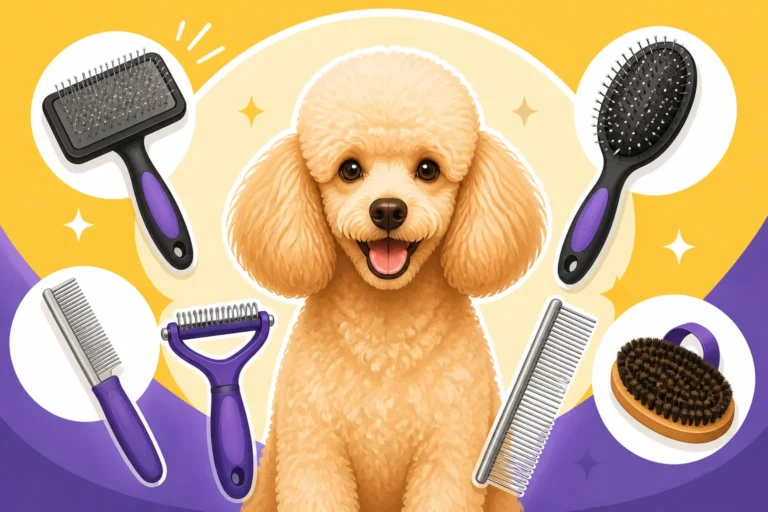
Consider adding a few essential items to your grooming kit alongside your new blades, such as cooling sprays and blade wash. For a full rundown on what you'll need, check out Grooming Tools a Poodle Owner Must Buy.
Maintaining Your New Blades for Extended Life
Getting a fresh set of sharp blades feels amazing, right? The smooth glide, the effortless cut – it’s a game-changer for grooming your Poodle. But the secret to keeping that feeling, and making your investment last, lies entirely in how you maintain your blades. Neglecting them will swiftly bring back the frustration of dullness and overheating.
Proper Cleaning and Oiling Routine
This is, hands down, the most crucial step for blade longevity. You absolutely cannot skip it.
- Brush Off Hair Between Passes: As you groom, hair will build up in the blade teeth. Use a small blade brush (often included with clippers) to brush off this hair frequently, especially when you notice it accumulating. This prevents excessive friction and keeps the blades cutting cleanly.
- Use Blade Wash: After you've finished a section, or if your blades start to drag, detach the blade from your clippers. Submerge just the teeth of the blade in a small, shallow dish of blade wash (a specialized cleaning solution). Turn the clippers on for about 10-15 seconds while the blade is in the wash. This helps flush out trapped hair, dirt, and oil from between the cutting surfaces. Blade wash also acts as a lubricant and disinfectant.
- Wipe Down with a Clean Cloth: After the blade wash, turn the clippers off and carefully wipe the blade clean with a dry, clean cloth. Make sure to get rid of all excess moisture and debris.
- Oil, Oil, Oil: This is where many home groomers fall short. Proper oiling dramatically reduces friction, prevents rust, and keeps your blades running smoothly. Apply 2-3 drops of clipper oil across the teeth of the blade (at the corner, center, and other corner) and 1-2 drops on the back rails where the moving blade contacts the stationary blade. Turn your clippers on for about 10 seconds to allow the oil to work its way through the blade mechanism. You should see a thin line of oil appear on the stationary blade. Wipe off any excess oil.
- When to Oil: You should oil your blades before each grooming session, frequently during a session (every 10-15 minutes of continuous use, or when they start to feel warm or drag), and most importantly, after you've cleaned them at the end of the groom. Never store a blade without oiling it first.
Cooling Sprays and Their Importance
Even with diligent oiling, prolonged use on a dense Poodle coat can cause blades to heat up. This isn't just uncomfortable for your Poodle; excessive heat can dull blades faster and even warp their fine edges over time.
- Immediate Relief: Cooling sprays provide instant temperature reduction. If your blade feels warm to the touch, turn off your clippers, detach the blade, spray it thoroughly with a blade coolant, and then reattach it. Some sprays also have lubricating and sanitizing properties, offering a triple benefit.
- Preventing Clipper Burn: By keeping blades cool, you significantly reduce the risk of irritating or burning your Poodle's sensitive skin. Your Poodle will be much happier and more cooperative.
- Extending Blade Life: Less heat means less friction, which translates to less wear on the blade's cutting edge. This, in turn, prolongs the time between sharpenings or replacements.
Always keep a can of blade coolant handy, especially during longer grooming sessions.
Storage Best Practices
How you store your blades when not in use is just as important as how you care for them during grooming.
- Clean and Oiled: Never store a dirty or unoiled blade. Residual hair and moisture, especially if you've bathed your Poodle, can lead to rust and bacterial growth. Always ensure blades are spotless, dry, and freshly oiled before putting them away.
- Protective Cases: Invest in a blade storage case or a soft-sided pouch designed for clipper blades. These prevent the delicate teeth from being chipped or bent if dropped or knocked around. Keeping them in their original plastic containers is also a good interim solution.
- Dry Environment: Store your blades in a cool, dry place. Humidity is the enemy of metal and will encourage rust, even on oiled blades. Avoid storing them in damp bathrooms or garages.
- Separate from Other Tools: Don't just toss your blades into a drawer with scissors, combs, or other metal objects. The blades can clatter against other tools, leading to chips or damage.
When to Rotate Blades
If you groom your Poodle frequently and use several different blades (e.g., a #10 for face/feet, a #7F for the body), consider rotating them during a grooming session.
- Spreading the Wear: Instead of relying on just one blade for all the heavy lifting, rotate between two or three of the same type. For example, if you're using a #7F for the body, have two or three #7F blades ready. When one starts to warm up, swap it out for a cool, fresh one. This allows each blade to do less work overall during a single session, spreading out the wear and tear.
- Maintaining Consistent Sharpness: Rotating blades means you're always using a fresh, cool, and sharp blade, leading to a more consistent and comfortable groom for your Poodle. This is particularly helpful for How Long Brushing a Standard Poodle Takes and other grooming tasks that demand continuous, sharp cutting.
By implementing these maintenance practices, you'll not only save money on frequent blade replacements but also ensure your Poodle's grooming experience is as comfortable and stress-free as possible. It's a small investment in time and effort that pays dividends in the long run, contributing to the overall health and happiness of your curly-coated companion.
Disclaimer
This article is for general informational purposes only and does not constitute professional advice. Laws, prices and regulations vary by location and change over time. Consult a qualified professional for guidance on your specific situation.