Grooming Tools a Poodle Owner Must Buy
For many Poodle owners, the mere thought of keeping that magnificent, curly coat in tip-top shape can feel like an Olympic challenge. Between the constant growth, the tendency to mat, and the sheer volume of specialized tools available, it’s easy to feel overwhelmed and unsure where to invest your hard-earned money. This guide aims to demystify the essential grooming toolkit, breaking down the must-have items every Poodle parent needs to confidently maintain their furry friend's coat and overall hygiene.
The Foundation: Brushes and Combs for Daily Maintenance
The Poodle's unique coat, often described as hair rather than fur, never stops growing. This characteristic means it doesn't shed like many other breeds, but instead, the loose hair gets trapped within the curls, leading to mats if not brushed out regularly. This isn't just a cosmetic issue; severe matting can pull on the skin, cause discomfort, and even lead to skin infections. Therefore, the right brushes and combs are your first line of defense.
The Mighty Slicker Brush
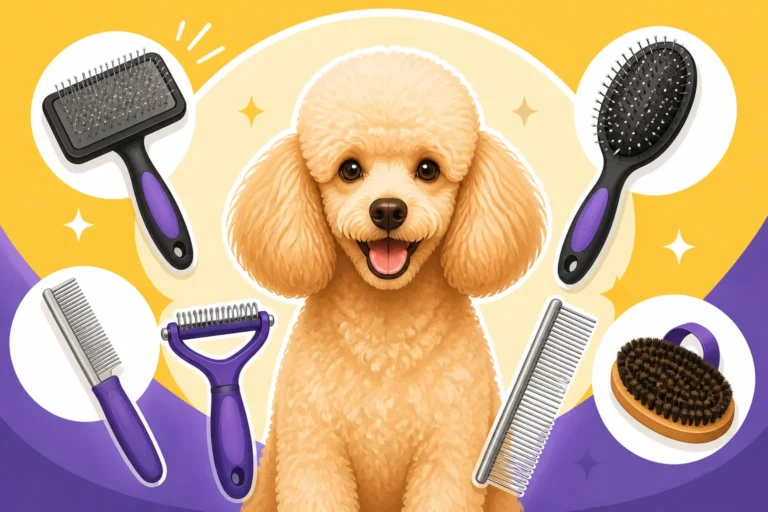
If there's one tool you absolutely cannot live without as a Poodle owner, it's a good quality slicker brush. These brushes feature fine, closely spaced wire bristles that are slightly bent at the ends. Their design is specifically engineered to penetrate the dense, curly Poodle coat, reaching down to the skin where mats often start. Many new owners make the mistake of only brushing the top layer, leaving the undercoat to felt and mat, especially during a Poodle's coat change in adolescence.
Using a slicker brush effectively means brushing in sections, always "to the skin" – meaning you should feel the bristles gently against your dog's skin. This technique, often called line brushing, ensures you're actually getting all the way through the coat. For a Standard Poodle, this can take a good 20-30 minutes every few days, depending on coat length and texture. For smaller varieties like Toys and Miniatures, it might be quicker but no less essential. Look for slickers with comfortable, ergonomic handles and durable pins that won't scratch your Poodle's skin. Brands like Chris Christensen's "Big G" or "Big K" slicker brushes are widely praised by professional groomers and experienced Poodle owners for their ability to glide through thick coats without causing static or breakage. Remember, this isn't just about beauty; it's about comfort and preventing painful, skin-tight mats. You can learn more about the crucial technique of Brushing a Poodle to the Skin.
The Indispensable Greyhound Comb
While the slicker brush does the heavy lifting, the Greyhound comb is its essential partner in crime. This metal comb typically has two sections: one with wider-spaced teeth and another with finer-spaced teeth. After you've gone through your Poodle's coat thoroughly with the slicker brush, the Greyhound comb is used to "test" your work. If the comb can pass smoothly from the tip of the hair all the way down to the skin without snagging, you've done a good job. If it catches, you know there's a mat forming, and you need to go back in with your slicker brush and gently work it out.
The wider teeth are excellent for initial detangling, especially on longer coats or areas prone to mats like behind the ears, armpits, and leg furnishings. The finer teeth are perfect for checking smaller, more delicate areas such as the face, topknot, and tail, or for ensuring absolute smoothness after a bath. A good quality, all-metal Greyhound comb with rounded teeth is crucial to avoid irritating your Poodle's skin. It’s a simple tool, but it's the ultimate gatekeeper for preventing future headaches and ensuring your Poodle is truly tangle-free. This combination of slicker and comb is what helps manage The Poodle Coat and Why It Never Stops Growing.
Pin Brushes and Rubber Brushes for Specific Needs
While slicker brushes and Greyhound combs are the mainstays, other brushes have their place in a comprehensive Poodle grooming kit. A pin brush, featuring widely spaced metal pins with rounded ends, can be useful for initial detangling on a very wet coat before drying, or for fluffing and styling on a clean, dry coat. It's generally gentler than a slicker and can be used for a quick brush-through between full grooming sessions, particularly on longer show coats.
Rubber curry brushes or grooming mitts, on the other hand, are fantastic for bath time. They help to work shampoo through the coat, create a good lather, and massage the skin, promoting blood flow. For Poodles, who don't have a traditional undercoat to "shed," these brushes primarily serve to stimulate the skin and thoroughly clean the coat. They're also excellent for removing loose hair that might be trapped deep within the curls. While not an everyday tool for a Poodle, a good rubber brush can significantly enhance the bathing experience and ensure a deeper clean.
The Clipping Conundrum: Shears and Clippers for Shaping
While daily brushing prevents mats, keeping a Poodle's coat at a manageable length requires more specialized tools: clippers and shears. Whether you're aiming for a simple, low-maintenance pet clip or something more elaborate, these tools are essential for keeping your Poodle comfortable, clean, and stylish. Many owners find that even if they rely on a professional groomer, having a basic set of clippers for emergencies or touch-ups between appointments is incredibly helpful.
Choosing the Right Clippers
Investing in a high-quality set of dog clippers is paramount for any Poodle owner, especially if you plan to do any clipping at home. Unlike human hair clippers, dog clippers are designed to handle dense, often curly, and sometimes matted coats without overheating or pulling. Professional-grade clippers, such as those from Andis, Wahl, or Oster, are a significant upfront investment but will last for years and provide a much better experience for both you and your Poodle. Look for clippers that are relatively quiet to minimize stress for your dog and that have good battery life if cordless.
A two-speed or variable-speed clipper is often ideal, allowing you to use a slower speed for delicate areas and a faster speed for the main bodywork. Remember that a good clipper is only as good as its blades. Always ensure your blades are sharp and properly lubricated to prevent painful snagging and clipper burn. Many owners opt for models like the Andis AGC Super 2-Speed or Wahl Bravura Lithium for their reliability and power. If you are learning how to manage that growing coat at home, taking a look at resources on Learning to Clip a Poodle at Home can provide invaluable tips.
Understanding Blades and Guard Combs
Clippers alone aren't enough; you'll need a selection of blades and/or guard combs to achieve different lengths and finishes. Clipper blades are numbered, with lower numbers corresponding to longer cuts (e.g., #3F leaves more hair than #10). The most common blade for an all-over pet clip on a Poodle is often a #7F or #5F for a slightly longer, plush look. A #10 blade is standard for sanitary areas (paws, belly, around the rectum) and the face. Blades can heat up quickly, so always have a coolant spray on hand and check the blade temperature frequently against your inner wrist to avoid Clipper Burn on a Closely Trimmed Poodle.
Guard combs (also known as snap-on combs) attach to a #30 or #10 blade and provide longer cut lengths than most individual blades. They are fantastic for achieving longer, fluffier looks without the need for multiple expensive blades. They come in various lengths, typically from 1/8 inch up to 1 inch or more. For a plush "teddy bear" look, many Poodle owners rely heavily on guard combs. Remember, the quality of your blades is crucial. Dull blades pull, cause discomfort, and can lead to uneven cuts. Investing in professional blade sharpening services or learning to sharpen them yourself is a wise decision.
Trimming Shears for Detail Work
Even with excellent clippers, you’ll still need a good set of grooming shears for precision work. Shears come in various types, each with a specific purpose:
- Straight Shears: These are your all-purpose workhorses, great for tidying up edges, creating clean lines, and overall shaping on longer coat areas like the legs, topknot, and tail. They range in length, with 7-8 inch shears being popular for Poodle grooming.
- Curved Shears: Perfect for creating rounded shapes, such as on the topknot, feet, or creating the iconic round Poodle face. They help you achieve a smooth, natural curve without having to contort your wrist.
- Thinning Shears (or Blenders): These have one serrated blade and one straight blade, designed to remove bulk from the coat without leaving harsh lines. They are invaluable for blending different lengths, softening harsh clipper lines, and giving a more natural, finished look to the topknot, ears, and leg furnishings.
Invest in sharp, stainless steel shears that fit comfortably in your hand. Brands like Geib, Kenchii, and Kamisori are favorites among professionals for their quality and edge retention. Shears should always be handled with care and kept exceptionally sharp for the cleanest cuts. When you're trying to perfect a particular style, whether it's the classic Continental or a practical sport clip, understanding Choosing a Clip for a Pet Poodle will guide your shear usage.
Bathing Essentials: Shampoos, Conditioners, and Drying Gear
A Poodle's coat doesn't just need brushing and clipping; it also requires regular bathing to stay clean, healthy, and manageable. Due to their non-shedding, constantly growing coat, Poodles can quickly become greasy, smelly, or develop skin issues if not properly bathed. The right products and drying techniques are crucial, not just for aesthetics but for overall skin health.
Selecting Poodle-Specific Shampoos and Conditioners
You wouldn't use dish soap on your own hair, and the same principle applies to your Poodle. Human shampoos are formulated for a different pH balance and skin type. For Poodles, choose professional-grade dog shampoos and conditioners that are specifically designed for their coat type. Look for moisturizing, clarifying, or deshedding (for removing trapped hair, not actual shedding) formulas. Hypoallergenic options are great for Poodles with sensitive skin or allergies. Many Poodles benefit from a deep-cleaning shampoo followed by a rich, moisturizing conditioner.
Conditioning is particularly important for Poodles to help detangle the coat, prevent static, and keep the hair hydrated, making it easier to brush and preventing breakage. Some popular brands include Chris Christensen, Isle of Dogs, and Espree. Always dilute shampoos and conditioners according to the manufacturer's instructions to ensure even distribution and thorough rinsing. Rinsing thoroughly is absolutely key; any residue left behind can irritate the skin and lead to matting. Understanding Bathing and Drying a Poodle is crucial for effective results.
The Power of a High-Velocity Dryer
This might be the most underestimated tool in a Poodle owner's arsenal. A high-velocity (HV) dryer is not just a glorified hairdryer; it's a powerful machine designed to blast water out of a dog's coat, significantly reducing drying time and helping to straighten the curls for easier brushing and clipping. Air-drying a Poodle is a recipe for disaster, as the curls will shrink, and the coat will become a matted mess almost instantly.
HV dryers come with different force settings and nozzles. Start with a lower setting and get your Poodle accustomed to the noise and sensation gradually. The forced air helps to separate the strands of hair, allowing you to brush and dry simultaneously, which is essential for achieving that beautifully fluffy, mat-free Poodle finish. Brands like K9-II, Metro Air Force, and B-Air Fido are highly recommended. While they can be a bit noisy, the efficiency and superior results they provide are well worth the investment. Many owners find great deals on grooming tables and high-velocity dryers through online retailers like Chewy, which often have a wide selection and competitive pricing.
Rinsing Aids and Drying Towels
Beyond the main shampoo and conditioner, a few other items can make bath time easier. A good spray nozzle for your hose or shower attachment can ensure you get deep into the coat for thorough rinsing. A rinsing aid or leave-in conditioner can also be beneficial, providing extra moisture and detangling power.
When it comes to towels, skip the old bath towels. Invest in super-absorbent microfiber towels designed for dogs. These towels can soak up a tremendous amount of water quickly, speeding up the initial drying process before you even bring out the HV dryer. Some Poodle owners also use a "happy hoodie" or snood to cover their Poodle's ears during drying, which helps muffle the sound of the HV dryer and can be particularly helpful for noise-sensitive dogs.
Nail, Ear, and Dental Care: Beyond the Coat
Grooming extends beyond just the hair. A Poodle's overall health and comfort are significantly impacted by the regular care of their nails, ears, and teeth. Neglecting these areas can lead to pain, infection, and expensive veterinary bills. Incorporating these tasks into your regular grooming routine is vital.
Nail Clippers or Grinders: Which is Best?
Keeping your Poodle's nails trimmed is crucial for their comfort and long-term joint health. Overgrown nails can cause pain, splay the toes, and even lead to skeletal problems over time. You have two main options for nail care:
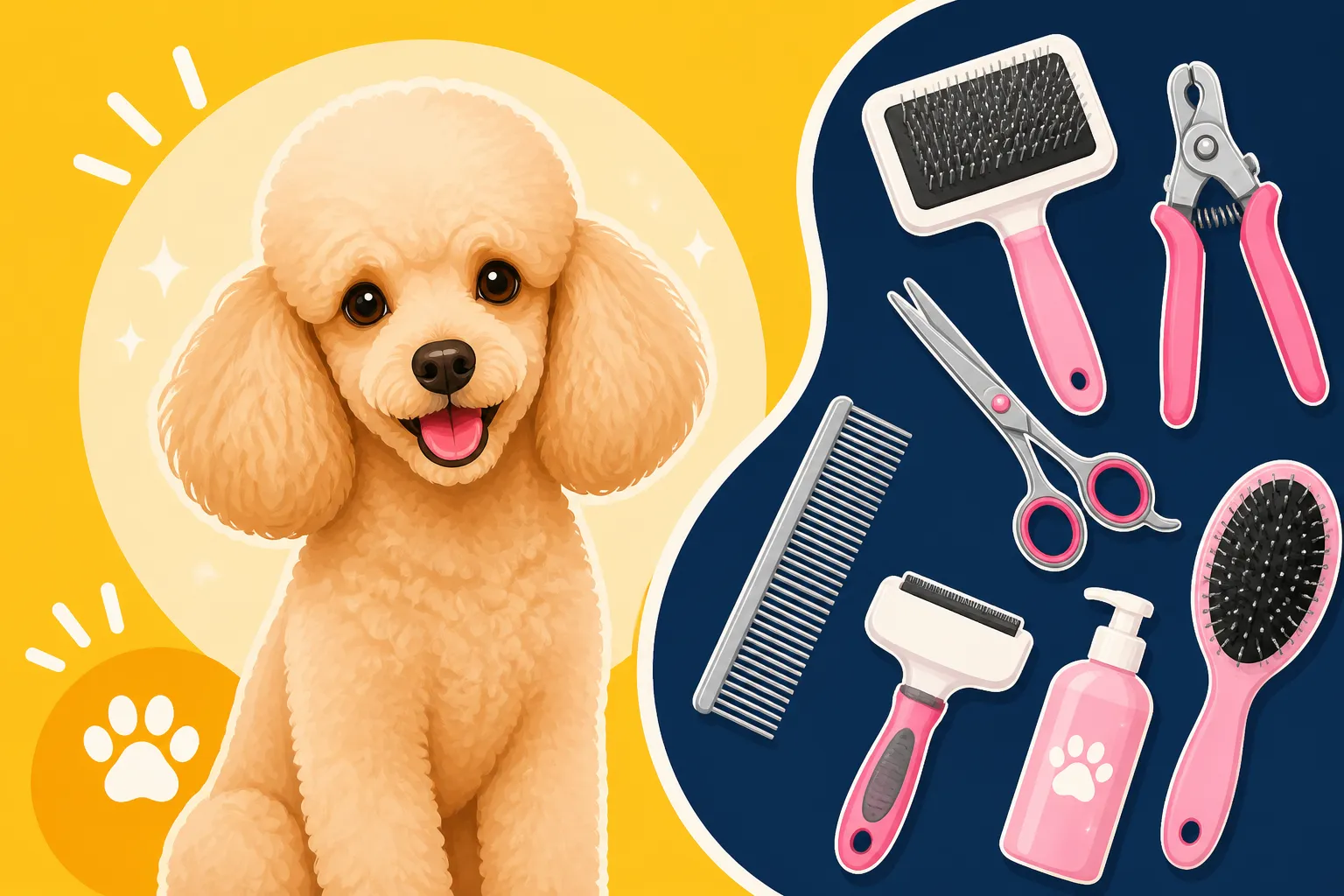
- Nail Clippers: These come in guillotine or scissor styles. Guillotine clippers are popular for larger breeds, while scissor-style clippers are often preferred for smaller Poodles or those with very hard nails. The key is to use sharp clippers to ensure a clean cut and avoid crushing the nail. Always be careful not to cut into the quick (the pink part of the nail containing blood vessels and nerves), which is painful and will bleed. Keeping styptic powder on hand is a good safety measure.
- Nail Grinders: Many owners prefer grinders for Poodles, especially those with black nails where the quick is hard to see. Grinders (like Dremel tools designed for pets) gradually file down the nail, allowing for more control and reducing the risk of hitting the quick. They also create a smoother, less sharp nail edge. Some Poodles are initially fearful of the sound and vibration, so gradual desensitization with treats and praise is essential.
Whichever method you choose, consistency is key. Nails should be trimmed every 2-4 weeks, or whenever you hear them clicking on hard floors. You can delve deeper into Nail Care for a Poodle to refine your technique.
Ear Cleaning Solutions and Powders
Poodles have drop ears, which, while elegant, can create a warm, moist environment perfect for yeast and bacterial infections. Combine this with the hair that grows inside their ear canals, and you have a recipe for potential trouble. Regular ear cleaning is not just recommended but necessary.
You'll need a good quality, vet-approved ear cleaning solution designed for dogs. Avoid using alcohol or hydrogen peroxide, as these can be irritating. Apply the solution liberally into the ear canal, massage the base of the ear to break up wax and debris, then allow your Poodle to shake their head. Finally, use a cotton ball or soft gauze to gently wipe away any visible debris from the outer ear and ear flap. Never insert anything into the ear canal itself, as you could damage the eardrum. For Poodles with excessive ear hair, your groomer might pluck it, but some owners opt to do this at home with ear powder and specialized forceps. Be cautious, as this can be uncomfortable for your Poodle. Learning about Plucking and Cleaning Poodle Ears can help you decide if it's right for you.
Dental Care Tools for Poodles
Dental health is often overlooked, but it's incredibly important for a Poodle's overall well-being. Small Poodles, in particular, are prone to early dental disease, which can lead to painful infections, tooth loss, and even systemic health problems. Brushing your Poodle's teeth daily or every other day is the gold standard.
Essential dental tools include a finger brush or a small, soft-bristled dog toothbrush and dog-specific toothpaste (never use human toothpaste, as it can contain xylitol, which is toxic to dogs). You might also consider dental chews or water additives, but these are supplements to brushing, not replacements. Start slowly, introducing the brush and toothpaste gradually, making it a positive experience with plenty of praise and treats. Regular grooming and tool maintenance also helps prevent skin issues or infections that might otherwise lead to expensive vet visits, which is where having good pet insurance, like a plan from Healthy Paws, can really offer peace of mind. For more insights on this specific issue, check out Poodle Dental Disease by Size.
Setting Up Your Grooming Space: Tables and Restraints
Grooming a Poodle can be physically demanding for both you and your dog, especially if you're working on the floor or a wobbly surface. Creating a dedicated, comfortable, and safe grooming space can dramatically improve the experience, making it more efficient and less stressful for everyone involved.
The Value of a Grooming Table
While not strictly a "tool" in the sense of a brush or clipper, a grooming table is an invaluable investment for any Poodle owner who plans to do regular home grooming. Trying to groom a Poodle on the floor or a regular kitchen counter is not only uncomfortable for you (think back pain!) but also unsafe for your dog, who might try to jump off. A stable, non-slip grooming table elevates your Poodle to a comfortable working height, making it easier to reach all parts of their body without strain.
Grooming tables come in various sizes and styles, from basic folding tables perfect for home use to professional hydraulic or electric tables. Look for a table with a non-slip surface and sturdy construction. Many also come with a grooming arm, which is essential for attaching a safety noose. Having a proper table allows you to maintain better control and focus on the task at hand, transforming grooming from a wrestling match into a more manageable routine. For more tips on creating an ideal space, consider reading Setting Up a Poodle Grooming Corner at Home.
Safety Restraints and Leads
Even the calmest Poodle can get squirmy or try to jump during a grooming session. Safety restraints are not about punishing your dog; they are about keeping them safe and still. A grooming arm attached to your table, combined with a grooming noose or belly band, prevents your Poodle from falling or jumping off the table, which could lead to serious injury.
A grooming noose typically loops around your Poodle's neck and attaches to the grooming arm. A belly band can be used in conjunction with the noose to provide additional stability, preventing your Poodle from sitting down or turning excessively. Always ensure the restraints are snug enough to keep your Poodle safely in place but never so tight that they restrict breathing or cause discomfort. Supervision is always required when using restraints. The goal is to create a secure environment where your Poodle feels supported, not trapped.
Treats and Rewards for Positive Experiences
While not a physical tool, high-value treats and a positive attitude are perhaps the most crucial elements in your grooming toolkit. Poodles are intelligent and sensitive dogs, and consistent, positive reinforcement can turn what could be a stressful experience into an enjoyable bonding time. Every grooming session, especially for puppies, should be filled with praise, gentle handling, and delicious rewards.
Break down grooming tasks into small, manageable steps and reward your Poodle for calm behavior at each stage. For instance, reward them just for getting on the table, for allowing you to brush a leg, or for tolerating the sound of the clippers. Having a stash of high-value, healthy treats, perhaps from a subscription service like Ollie, can make all the difference in keeping your Poodle engaged and cooperative. This positive association is key to building a Poodle that not only tolerates grooming but genuinely enjoys the attention.
Here's a quick reference table for your essential Poodle grooming toolkit:
| Tool | Primary Purpose | Frequency of Use | Key Considerations |
|---|---|---|---|
| Slicker Brush | Removing tangles and mats, line brushing to the skin | Daily or Every other Day | Firm pins, ergonomic handle, appropriate size for Poodle |
| Greyhound Comb | Checking for mats, detangling, finishing work | Daily or Every other Day | Metal, rounded teeth, fine and coarse sections |
| Dog Clippers | Cutting coat length, sanitary trims | Every 4-8 weeks, as needed | Quiet motor, durable, compatible with various blades |
| Clipper Blades (#10, #7F, #5F) | Specific coat lengths, sanitary work | As needed with clippers | Sharpness, heat management, specific cuts |
| Grooming Shears (Straight, Curved, Thinning) | Detail work, shaping, blending, tidying edges | As needed with clippers | Sharp, comfortable grip, stainless steel |
| Dog Shampoo | Cleaning coat and skin | Every 2-4 weeks | Poodle-specific, moisturizing, pH balanced |
| Dog Conditioner | Detangling, hydrating coat, preventing static | Every 2-4 weeks | Poodle-specific, rinse thoroughly |
| High-Velocity Dryer | Fast, thorough drying, straightening coat | Every 2-4 weeks | Powerful airflow, variable speed, noise level |
| Nail Clippers/Grinder | Trimming nails to prevent overgrowth | Every 2-4 weeks | Sharpness (clippers), low vibration (grinder), styptic powder |
| Ear Cleaner | Preventing ear infections | Weekly to Bi-weekly | Vet-approved, non-irritating, cotton balls |
| Dog Toothbrush & Paste | Maintaining dental hygiene, preventing disease | Daily or Every other Day | Soft bristles, dog-specific toothpaste, positive reinforcement |
| Grooming Table | Safe, elevated surface for grooming | As needed for grooming | Stable, non-slip surface, grooming arm |
| Grooming Noose/Leash | Securing Poodle safely on the table | As needed for grooming | Snug but not tight, prevents jumping |
Disclaimer
The information provided in this guide is for general educational purposes only and should not be considered a substitute for professional veterinary advice. Always consult with a qualified veterinarian or professional groomer regarding any specific health or grooming concerns for your Poodle.