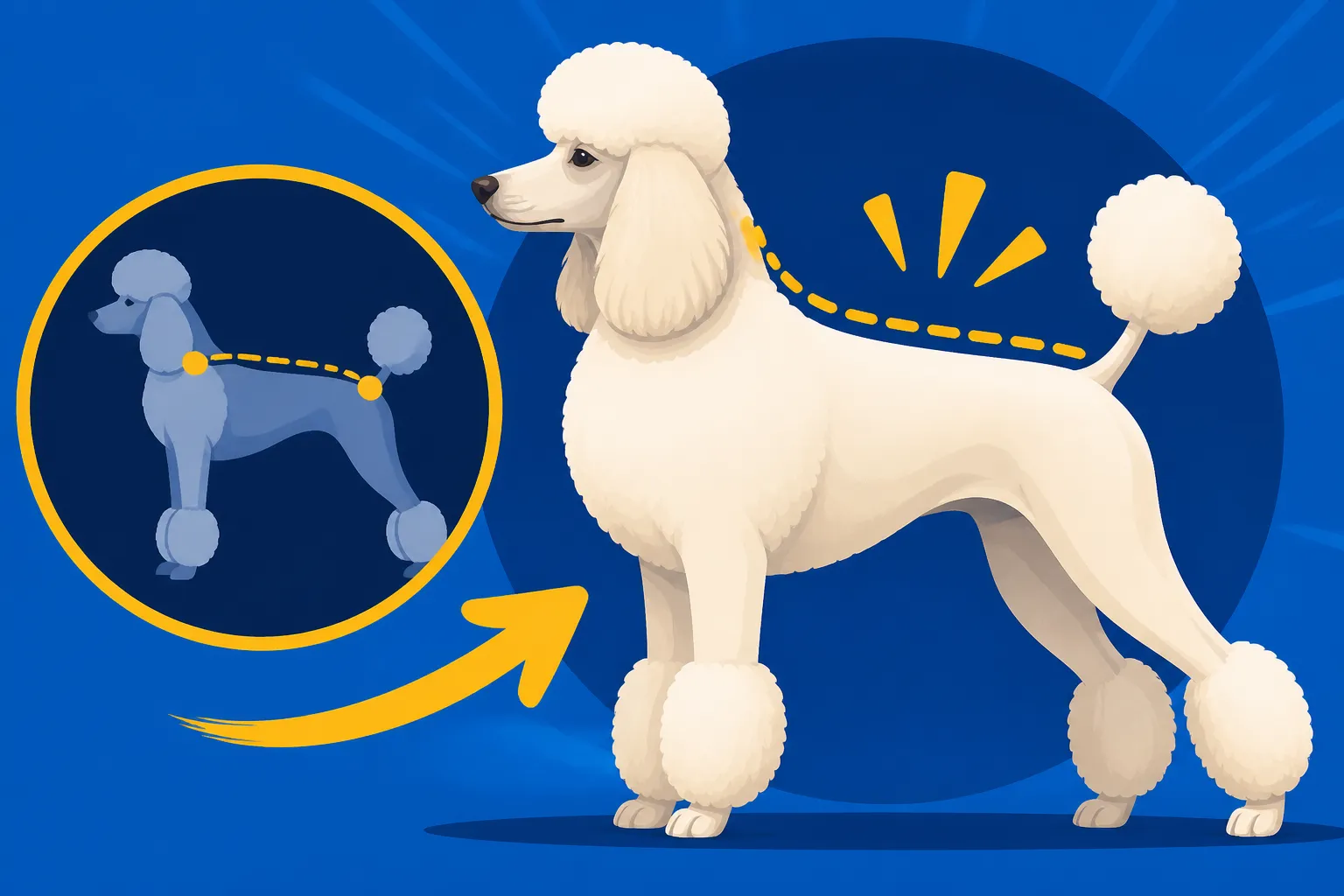
The Poodle Topline and Why It Matters
It can be incredibly disheartening to look at your beloved Poodle and notice their once elegant, straight back starting to dip or arch in an unusual way. This isn't just about looks; a change in your Poodle's topline can be a subtle but important indicator of their overall health, conditioning, and comfort. This guide will walk you through what the Poodle topline is, why it's so important, and how you can ensure your Poodle maintains that beautiful, strong silhouette throughout their life.
Understanding the Poodle Topline: More Than Just a Straight Back
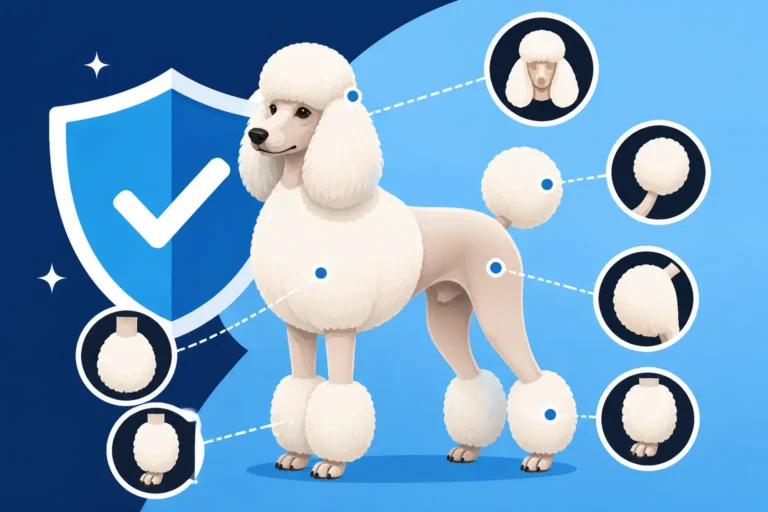
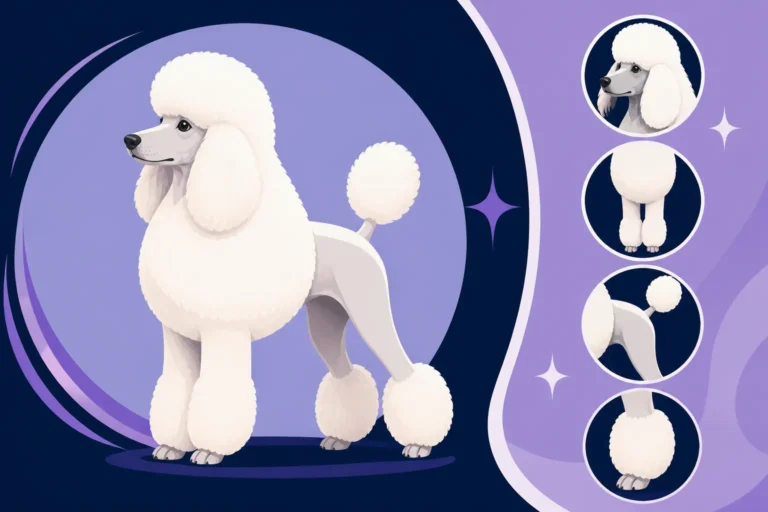
When we talk about a Poodle's topline, we're referring to the entire contour of their back, specifically from the top of their shoulder blades (the withers) all the way to the set of their tail. It's not just a superficial line; it's the visual representation of their spine, muscles, and underlying skeletal structure working in harmony. For Poodles, the breed standard calls for a strong, level topline, and there's a very good reason for this.
Imagine your Poodle, a dog historically bred for retrieving waterfowl, springing into action, leaping out of a boat, or swimming vigorously. A correct topline provides the foundational strength for all these movements. It allows for efficient transfer of power from the rear to the front, supports their organs, and helps them maintain balance and agility. A Poodle with a weak or incorrectly structured topline would struggle to perform these tasks effectively, leading to strain and potential injury. It’s a bit like the foundation of a house – if it’s off, everything else suffers.
What Constitutes an Ideal Poodle Topline?
An ideal Poodle topline, according to the breed standard, should be level. This means that if you draw an imaginary line from the highest point of their shoulders (the withers) back to the base of their tail, that line should be relatively flat and even. You shouldn't see any noticeable dips behind the shoulders (often called a "sway back") or a severe arch over the loin (a "roach back").
Think of it like this: when your Poodle stands naturally, their spine should appear strong and firm, not sagging or humped. The muscles along their back should feel firm and well-developed, creating a smooth, flowing line rather than a bony or angular appearance. This levelness isn't just for show; it's about efficient movement and proper load distribution across their back and limbs. When a Poodle moves, this levelness helps keep their gait smooth and powerful, allowing them to cover ground effortlessly whether they are trotting in a ring or romping in the park. Judges certainly pay close attention to this, as it's a critical part of What a Ring Judge Checks on a Poodle.
The Poodle's Unique Structure and Topline
While all dog breeds have a topline, the Poodle's specific structure, with its proud carriage and elegant proportions, makes the topline particularly prominent. Poodles are often described as square in proportion, meaning their body length (from breastbone to rump) is roughly equal to their height at the withers. This squareness, combined with good angulation in both the front and rear, contributes to the desired level topline.
A well-conditioned Poodle, regardless of whether it's a Standard, Miniature, or Toy, should exhibit this strong, level back. This is part of The Poodle the Standard Describes that defines the breed's functional beauty. You'll notice that even in smaller varieties like the Toy Poodle, the same principles apply. While their bone structure is more delicate, the ideal remains a solid, level line. This isn't something that happens by accident; it's the result of responsible breeding that focuses on sound structure and owners who prioritize proper care and conditioning.
Why a Healthy Topline is Crucial for Your Poodle
The importance of your Poodle's topline extends far beyond aesthetics, though it certainly contributes to their striking appearance. A healthy, well-supported topline is fundamental to their overall physical well-being, movement, and even their comfort as they age. Ignoring the condition of your Poodle's back can lead to a cascade of issues down the line.
Impact on Movement and Athleticism
A strong, level topline is the engine room of your Poodle's movement. It acts as a bridge, transferring the powerful drive generated by their hindquarters forward through their body and out to their front legs. When this bridge is stable and correctly aligned, your Poodle can run, jump, and turn with remarkable agility and grace. This is why Poodles excel in so many dog sports, from obedience to agility and even hunt tests – their structure allows them to be incredibly athletic.
Conversely, a compromised topline – perhaps one that sags in the middle or has an exaggerated arch – hinders this efficient transfer of energy. Imagine trying to run across a wobbly rope bridge; you lose speed and energy with every step. Similarly, a Poodle with a poor topline might develop an inefficient gait, appearing to struggle more, tiring faster, or even putting undue stress on their joints, hips, and shoulders. Over time, this chronic strain can exacerbate problems like Poodle Hip Dysplasia by Size or lead to early onset arthritis. It’s a vicious cycle where poor structure leads to poor movement, which then leads to more structural problems.
Indicators of Underlying Health
The topline can also be a silent messenger, giving you clues about your Poodle's general health. A sudden change in its appearance – a new dip, an increased arch, or a noticeable weakness – could signal a variety of underlying issues. It might be something as simple as poor muscle tone due to lack of exercise, or something more serious.
For example, a Poodle that is losing muscle mass along its back due to illness might develop a bony, less substantial topline. On the other hand, an overweight Poodle might have a topline that appears wider and softer, with the excess fat masking their true skeletal structure. Poodle Obesity and Its Consequences are far-reaching, and a compromised topline is just one visible sign. Certain spinal conditions or injuries could also manifest as changes in the topline, causing pain or discomfort. If you notice a significant or sudden alteration in your Poodle's topline, especially if accompanied by changes in gait, reluctance to move, or signs of pain, it's always best to consult your veterinarian. They can help rule out serious issues and suggest appropriate interventions.
Longevity and Quality of Life
As Poodles age, just like us, they can experience changes in their bodies. Muscle mass naturally decreases, and conditions like arthritis can set in. A Poodle with a strong, healthy topline maintained throughout its younger years is often better equipped to handle these natural changes. Strong core muscles and a well-supported spine provide a buffer against the wear and tear of time. This is a critical consideration in Caring for an Aging Poodle.
Conversely, a Poodle that starts with a weaker topline or develops issues early on may face more challenges as they get older. They might experience chronic back pain, reduced mobility, and a diminished quality of life. Maintaining a healthy topline contributes directly to their comfort and ability to enjoy their favorite activities – whether that's a vigorous game of fetch or simply a comfortable stroll around the block. It ensures they can move freely, without unnecessary pain, for as many years as possible.
Assessing Your Poodle's Topline: A Practical Guide
Observing and regularly feeling your Poodle's topline is an important part of their routine care. It helps you become familiar with what's normal for them and allows you to catch any potential issues early. This isn't just for show dogs; every Poodle owner should be comfortable with this basic assessment.
Visual Inspection: What to Look For
The first step is a simple visual inspection. Ask your Poodle to stand naturally, squarely on all four legs, preferably on a flat, even surface. Step back a few feet and observe their profile.
- From the Withers to the Tail: Look at the line that runs from the highest point of their shoulders (the withers) to the base of their tail. Ideally, this line should be level, with no significant dips or humps.
- The Loin: Pay particular attention to the loin, which is the area of the back between the last rib and the pelvis. This section should be well-muscled and firm, continuing the level line without any abrupt changes. Sometimes, a Poodle might appear slightly roached in the loin if their angulation is extreme or if they are "stacking" themselves in a show pose, but in a relaxed, natural stand, it should be level.
- Muscle Definition: You should see a smooth, even curve of muscles along their back. If you see prominent hip bones or spine, it could indicate they are underweight or lacking sufficient muscle mass. Conversely, if their back appears broad and soft with no visible muscle definition, they might be overweight. Consider consulting resources like Chewy for appropriate dog scales to monitor their weight.
Remember that Poodle puppies go through significant growth spurts. Their topline might appear a bit uneven or "gangly" during these phases, which is often normal. A Standard Poodle puppy, especially, will have periods where their front or rear appears higher as they grow. Growing Pains in a Standard Poodle Puppy can temporarily affect their overall silhouette. The key is to look for consistency in the general line and ensure there are no extreme or sudden changes.
Hands-On Assessment: Feeling for Form
After your visual check, it's time for a gentle hands-on assessment. This helps you feel what you might not clearly see and identifies muscle tone and any areas of sensitivity.
- Start at the Withers: Gently run your hands down your Poodle's back, starting at the withers. Your fingers should glide smoothly over their spine, feeling the firm muscles on either side. You shouldn't feel sharp bony protrusions or deep indentations.
- Palpate the Loin: As you move towards the loin, feel the thickness and firmness of the muscle. It should feel robust, not soft or squishy. If your Poodle flinches, tenses up, or shows any signs of discomfort when you touch a particular spot, make a mental note. This could indicate pain, muscle strain, or a spinal issue that warrants veterinary attention.
- Check for Symmetry: Run your hands down both sides of their spine simultaneously. Does one side feel more developed or tighter than the other? Asymmetry can sometimes point to an injury or a compensatory movement pattern where your Poodle is favoring one side.
- Tail Set: The tail should ideally be set high and carried up, completing the elegant line of the topline. While not directly part of the spinal line, the tail's carriage can give clues about underlying comfort or structural issues in the hindquarters.
It's important to approach this hands-on check with a calm, reassuring demeanor. Reward your Poodle with praise and treats, making it a positive experience. This is also a great opportunity to bond with your dog and to get them accustomed to being handled, which is helpful for both routine grooming and vet visits. Getting them used to this kind of handling as a puppy can make future interactions much smoother.
Maintaining a Strong, Healthy Topline Throughout Life
A healthy topline isn't just something a Poodle is born with; it's something that needs to be actively maintained throughout their life. From diet and exercise to regular care, several factors contribute to keeping their back strong and supported.
Nutrition and Weight Management
What your Poodle eats directly impacts their muscle development, bone strength, and overall body condition. A high-quality diet provides the essential nutrients needed to support a robust skeletal system and strong musculature. Look for dog foods with quality protein sources and balanced vitamins and minerals. Places like Chewy offer a vast selection of reputable brands that can cater to your Poodle's specific needs, whether they are a growing puppy or a senior dog.
Maintaining a healthy weight is paramount. Both underweight and overweight conditions can negatively affect the topline.
- Underweight Poodles may have a bony, poorly muscled back, making them more susceptible to injury and strain.
- Overweight Poodles carry excess load, which puts immense strain on their spine and joints, potentially causing the back to sag or become roached under the weight. You should be able to easily feel your Poodle's ribs without seeing them prominently, and they should have a discernible waist when viewed from above.
Regularly monitor your Poodle's weight and adjust their food intake and exercise as needed. Consult your vet for advice on appropriate portion sizes and caloric needs, especially as your Poodle moves through different life stages.
Exercise and Core Strength
Just like humans, Poodles need regular exercise to build and maintain strong core muscles, which are crucial for supporting the topline. Daily walks are good, but Poodles thrive on varied activity that engages their entire body.
- Varied Terrain: Walking on uneven surfaces, up and down gentle hills, or through shallow water (if your Poodle enjoys it!) can help strengthen core muscles and improve balance.
- Controlled Play: Games that involve controlled running, turning, and even light jumping (once they are fully grown and cleared by a vet) can contribute to a strong back. Avoid uncontrolled, frantic play that could lead to awkward landings or twists.
- Swimming: Poodles are natural swimmers, and it's an excellent low-impact exercise that builds muscle without stressing joints. Just be sure to rinse and dry their coat thoroughly afterwards to prevent skin issues. Swimming helps to develop the long, lean muscles along the spine that are key to a stable topline.
- Specific Exercises: There are specific exercises you can do with your Poodle to target core strength. These include "cavaletti" work (stepping over low poles), walking backwards, or controlled turns. Ask a certified professional dog trainer or canine physiotherapist for guidance on appropriate exercises for your Poodle's age and fitness level. Remember, activities like Daily Exercise for a Standard Poodle are vital for physical health.
Age-Related Changes and Supportive Care
As Poodles age, it's natural for their topline to change. Muscles may start to lose some tone, and conditions like arthritis can become more prevalent. However, proactive care can mitigate these effects and help maintain comfort.
- Joint Supplements: Many Poodle owners find that joint supplements containing glucosamine, chondroitin, or omega-3 fatty acids can be beneficial for supporting joint health. Always discuss these with your vet before introducing them to your Poodle's routine. You can often find a wide array of options at retailers like Chewy. These supplements can support cartilage health, which in turn helps keep the structural integrity that influences the topline.
- Comfortable Bedding: Ensure your senior Poodle has orthopedic bedding that provides excellent support for their joints and spine. This helps alleviate pressure points and ensures they get restful sleep.
- Regular Vet Check-ups: Senior Poodles should have regular veterinary check-ups to monitor for conditions that might affect their mobility or cause pain, such as arthritis or degenerative disc disease. Early diagnosis and management can significantly improve their quality of life. This ties into Caring for an Aging Poodle which emphasizes comprehensive care.
- Gentle Exercise: While intense exercise may no longer be appropriate, maintaining a routine of gentle walks and stretching can help keep muscles supple and prevent stiffness. Short, frequent walks are often better than one long, strenuous outing.
By paying close attention to your Poodle's topline and proactively addressing their nutritional, exercise, and age-related needs, you're not just ensuring they look their best, but you're also safeguarding their comfort, mobility, and overall quality of life for years to come.
Disclaimer
This article is for general informational purposes only and does not constitute professional advice. Laws, prices and regulations vary by location and change over time. Consult a qualified professional for guidance on your specific situation.