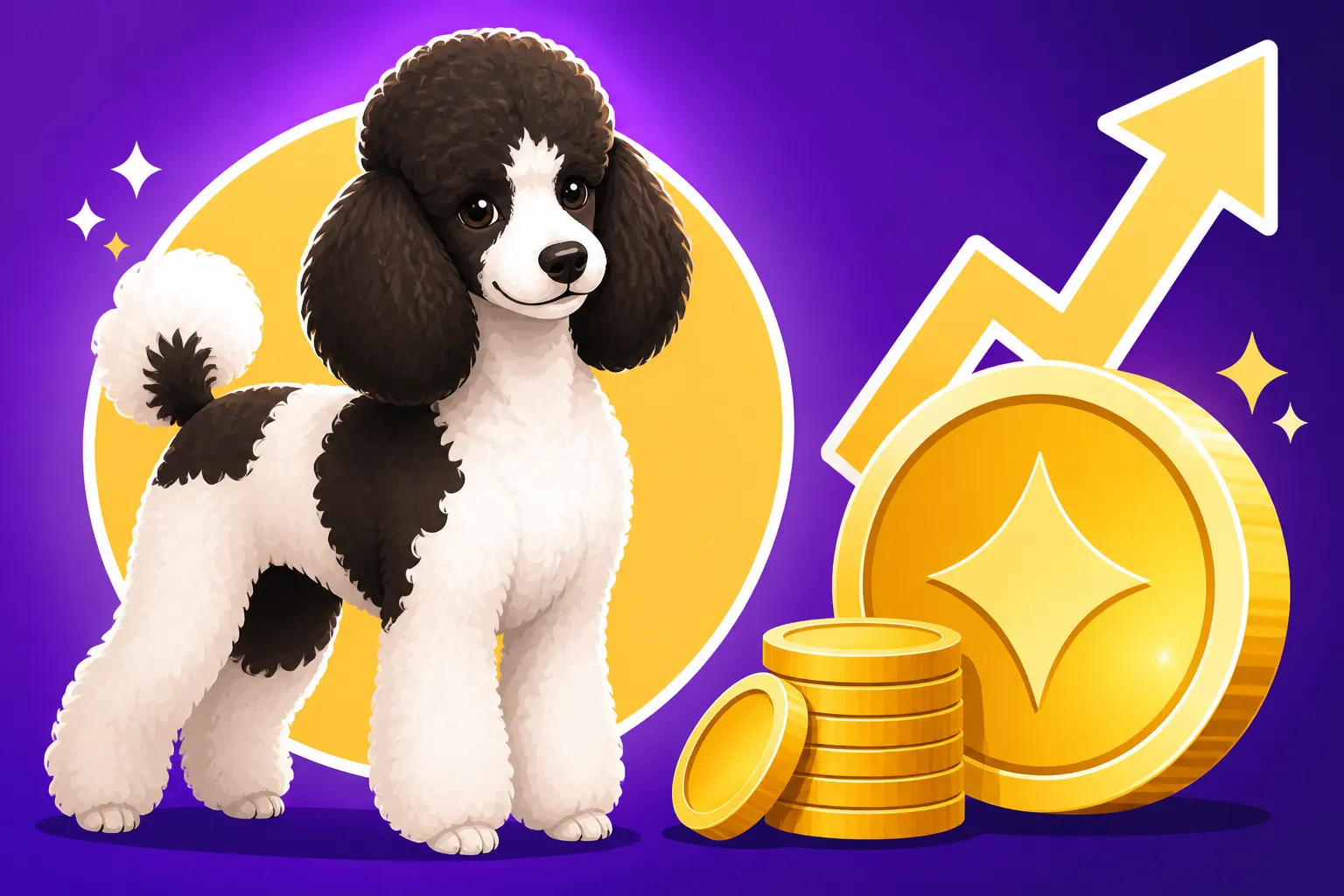
What a Parti Coat Adds to a Poodle’s Price
It's completely understandable to feel a bit lost in the sea of Poodle puppy prices, especially when terms like "parti coat" start entering the conversation. Many prospective owners assume a unique coat pattern automatically translates to a higher price, or conversely, that it might be a sign of something less "purebred." The truth is, the price of a parti Poodle, or any Poodle for that matter, is a complex equation influenced by much more than just color. This comprehensive guide will peel back the layers to reveal what genuinely dictates the cost of a parti Poodle, helping you make an informed decision for your next beloved family member.
Understanding Parti Poodles and Their Unique Appeal
The term "parti Poodle" often conjures images of dogs with striking white and colored patches, a stark contrast to the more commonly seen solid-colored Poodles. This distinctive appearance has certainly gained traction in recent years, but what exactly defines a parti coat, and why has it become such a talking point in Poodle circles?
What is a Parti Poodle?
A parti Poodle is simply a Poodle that has a white base coat with irregular patches of another solid color. These patches can be black, brown, red, apricot, silver, or blue – essentially any solid color recognized in Poodles. The name "parti" comes from the word "parti-colored," meaning having more than one color, usually in patches. It's a genetic trait, caused by a specific gene (the S locus) that restricts pigment to certain areas, resulting in the eye-catching patterns we see. This isn't a mixed breed; a parti Poodle is 100% purebred Poodle, just with a different coat pattern than the solid colors. The distribution of these patches can vary wildly, from mostly white with a few large spots to a dog that's nearly half-and-half in color. It’s this unpredictability and individuality that often makes them so appealing to those looking for a truly one-of-a-kind companion.
The Historical Context of Parti Colors
You might be surprised to learn that parti Poodles aren't a new phenomenon. In fact, they are thought to be part of the Poodle's original genetic makeup. Early Poodle artwork and historical records often depict Poodles with multi-colored coats, suggesting that solid colors only became the preferred standard much later, likely through selective breeding aimed at producing uniform appearances for show rings. For many decades, parti Poodles were largely excluded from show ring recognition in many countries, including the United States, by organizations like the American Kennel Club (AKC). This created a misconception that they were somehow "lesser" or not truly purebred, which simply isn't true. Breeders of parti Poodles often focused on performance sports, therapy work, or simply providing wonderful companions, operating outside the mainstream show community. This historical bias sometimes influenced pricing, making parti Poodles less expensive in some areas, as they didn't fit the dominant show ring aesthetic.
The Rise in Popularity and Modern Acceptance
In recent years, the tides have turned dramatically for parti Poodles. Their unique aesthetic, combined with a growing appreciation for diversity in purebred dogs, has led to a significant surge in demand. This rise in popularity has been fueled, in part, by the "doodle" craze, which introduced many people to the charm and intelligence of Poodle crosses, often featuring varied coat patterns. As people became more open to diverse appearances, the purebred parti Poodle also found its moment in the spotlight. Major kennel clubs have also adjusted their stances; for instance, the AKC now allows parti Poodles to be fully registered and compete in most events, though they are still not eligible for conformation showing. This recognition has further legitimized their place in the purebred world, leading to more breeders focusing on producing well-bred parti lines. This increased demand and acceptance naturally impacts their price, sometimes making them more sought after than certain solid colors.
Factors Beyond Color That Influence Poodle Pricing
While a parti coat is certainly distinctive, it's just one piece of a much larger puzzle when it comes to Poodle pricing. Many crucial factors, often overlooked by new buyers, have a far greater impact on the actual cost and, more importantly, the long-term health and well-being of your future companion. Understanding these elements is key to making a responsible choice.
Breeder Reputation and Health Testing
This is, without a doubt, the single most significant factor in a Poodle's price. A reputable breeder invests an enormous amount of time, effort, and money into their breeding program to ensure they are producing healthy, well-tempered puppies. This includes comprehensive genetic health testing on both parent dogs for conditions common in Poodles, such as hip and elbow dysplasia, eye diseases like Progressive Retinal Atrophy, and genetic markers for conditions like Von Willebrand disease or Addison's disease. These tests are expensive, but they are absolutely critical to minimize the risk of passing on debilitating hereditary conditions to puppies. For instance, a breeder screening for conditions like those mentioned in What a Poodle Breeder Must Test For is actively working to produce healthier puppies.
Think about it: a puppy from health-tested parents costs more initially, but it can save you thousands in vet bills and heartache down the road. Unfortunately, an eight hundred dollar Poodle is often a warning sign that corners were cut in health testing and responsible breeding practices, as detailed in Why a Cheap Poodle Usually Means No Testing. A responsible breeder will be transparent about their testing, readily share results, and offer a health guarantee. They won't hide crucial information, like the sire's background, as explored in What a Poodle Breeder Hiding the Sire Is Hiding.
Pedigree and Champion Lines
Another major price determinant is the dog's pedigree and whether its lineage includes champion show dogs or highly titled performance dogs. Poodles from lines with a history of success in conformation (dog shows), obedience, agility, or hunting tests are often priced higher. This isn't just about bragging rights; it indicates that the parent dogs exemplify the breed standard in terms of temperament, structure, and working ability. Breeders who campaign their dogs to titles invest a huge amount of time, training, and travel, and this investment is reflected in the price of their puppies.
A puppy from a breeding pair with excellent pedigrees and titles is more likely to inherit desirable traits and conform closely to the breed standard, whether you intend to show it or not. For pet buyers, this often translates to a dog with a predictable temperament and sound structure, which is invaluable. However, it's important to differentiate between a puppy with champion lines and one intended for show. A pet-quality puppy from champion lines might still be considerably less than a show-prospect puppy, even from the same litter. Always clarify your intentions with the breeder when discussing Poodle Puppy Prices Across the Three Sizes.
Rearing Costs and Socialization Efforts
The way a puppy is raised during its first eight to ten weeks of life has a profound impact on its future temperament and behavior. Responsible breeders invest heavily in providing an enriching environment for their puppies. This includes:
- Proper Nutrition for the Dam and Puppies: High-quality food for the mother during pregnancy and lactation, and premium puppy food as the little ones are weaned. Brands like Chewy offer a wide range of high-quality kibble and supplies, and for those considering fresh food, Ollie provides excellent, balanced options.
- Veterinary Care: Regular vet check-ups, deworming, initial vaccinations, and sometimes microchipping before the puppies go to their new homes.
- Early Socialization: Exposing puppies to various sights, sounds, textures, and people in a positive way. This might involve puppy culture protocols, handling exercises, and crate introduction. A well-socialized puppy is far less likely to develop fear-based behaviors or reactivity later in life.
- Clean and Safe Environment: Maintaining a meticulously clean whelping box and puppy area is labor-intensive but crucial for health.
- Time and Dedication: A good breeder spends countless hours with their puppies, observing them, interacting with them, and ensuring they receive individual attention. This hands-on approach is vital for their development.
All of these efforts add to the breeder's overhead and, consequently, to the price of the puppy. You're not just paying for a dog; you're paying for the foundation of a well-adjusted, confident, and healthy companion.
The Price Tag: Why Parti Coats Can Command a Premium or Be Less Expensive
The price of a parti Poodle isn't static; it fluctuates based on a confluence of factors, including specific market dynamics, historical perceptions, and even geographic location. It's a nuanced discussion, and what holds true in one region or for one breeder might not elsewhere.
Supply and Demand Dynamics
Currently, the demand for parti Poodles often outstrips the supply from reputable breeders. Their unique appearance has made them incredibly popular, especially with families looking for something a bit different from the classic solid Poodle. When demand is high and ethical breeders producing healthy, well-socialized parti Poodles are fewer in number compared to solid-color breeders, prices can indeed climb. Some breeders specialize in parti patterns, and if they have a reputation for producing dogs with particularly clear, desirable markings or specific color combinations (like phantom or abstract partis), they might charge a premium.
However, this isn't universally true. In some older, more traditional Poodle communities, solid colors may still be preferred, and a parti Poodle might be priced similarly or even slightly less due to historical bias. It truly depends on the specific niche and market within the Poodle world. If you're looking for Whether Parti and Phantom Poodles Cost More, the answer often hinges on current trends and breeder focus.
AKC Registration Status
The registration status with kennel clubs like the AKC can also play a role in pricing, particularly for specific coat patterns. While parti Poodles are now fully registrable with the AKC, meaning they can participate in performance events, they are still not eligible to compete in conformation (breed standard) shows. This distinction can sometimes lead to different pricing structures.
- Limited Registration: Most reputable breeders will sell pet-quality puppies, regardless of color, on a limited registration. This means the dog is purebred, but any offspring cannot be registered. This is done to protect the breeder's lines and discourage indiscriminate breeding. Puppies sold on limited registration are typically priced lower than those on full registration.
- Full Registration: Full registration allows the dog to be bred and its offspring registered. This is usually reserved for puppies identified as having strong show or breeding potential, and they command a significantly higher price. Since parti Poodles cannot compete in conformation, a breeder might be less inclined to sell a parti on full registration unless they intend for it to be part of a carefully managed parti breeding program focusing on other merits.
The inability to show in conformation can sometimes depress the price slightly compared to a show-prospect solid-colored Poodle from the same lines, simply because one avenue of "value" (the show ring) is closed off. However, this is largely overshadowed by demand and the overall quality of the breeding program. For further reading on this, you might explore Whether a Parti Poodle Can Be Registered.
Geographic Location and Local Market Trends
Just like real estate, the cost of a Poodle can vary significantly by location. What you pay for a parti Poodle in a bustling city like Los Angeles or New York might be considerably higher than in a more rural area in the Midwest. This is due to differences in cost of living, veterinary care expenses, and the general availability of reputable breeders in a given region.
Furthermore, local preferences can play a role. Some regions might have a stronger demand for specific Poodle varieties or colors. For example, if there are many breeders of show-quality solid Poodles in an area, a parti Poodle might stand out and command a premium, or it might be seen as less desirable if the local Poodle community is very traditional. Always research Where Standard Poodles Are Cheapest to Buy and understand that these trends can extend to all sizes and colors, including parti. It's always a good idea to research breeders in your general region and compare their pricing structures, focusing on their breeding practices rather than just the final price tag.
Finding Your Parti Poodle: What to Prioritize Over Price
When you're captivated by the striking beauty of a parti Poodle, it's easy to get caught up in the excitement of finding one. However, the initial price should always be secondary to the health, temperament, and responsible breeding practices behind that puppy. Prioritizing wisely will lead to a much happier and healthier long-term relationship with your Poodle.
Health and Temperament First
This cannot be stressed enough: the health and temperament of your Poodle should be your absolute top priority, far above coat color or initial cost. A cheap puppy from a questionable background can quickly become the most expensive dog you'll ever own due to chronic health issues, behavioral problems, and the emotional toll they take. Imagine the heartbreak of a Poodle suffering from inherited blindness in Poodles or the challenges of living with a dog whose temperament is unpredictable because its parents weren't screened.
When you bring a Poodle into your home, you're committing to a potential 10 to 18 years of companionship, as outlined in Poodle Lifespan Across the Three Sizes. During this time, you want a dog that is sound in body and mind. A reputable breeder will prioritize genetic health testing, early socialization, and matching the right puppy to the right family based on temperament. They understand that a beautiful coat is meaningless if the dog is constantly ill or has serious behavioral issues. Inquire about the parents' health clearances, vet checks, and how the puppies are raised. A healthy puppy is an investment in joy, not just money.
The Importance of a Reputable Breeder
Finding a reputable breeder is paramount, regardless of whether you're looking for a parti Poodle or a solid one. A good breeder is transparent, knowledgeable, and dedicated to the welfare of their dogs. Here’s what to look for:
- Transparency: They should openly discuss health testing results for the parents, allow you to meet the mother (and sometimes the father), and show you where the puppies are raised.
- Knowledge: They should be experts on the Poodle breed, their specific lines, and common health concerns. They should be able to answer all your questions thoroughly.
- Health Guarantees: Reputable breeders often offer a health guarantee, giving you peace of mind. Discuss the specifics of the Health Clauses in a Poodle Breeder Contract.
- Interview Process: Expect the breeder to ask you many questions. They want to ensure their puppies go to suitable homes, which is a sign of a responsible breeder.
- Lifetime Support: A good breeder will be a resource for you throughout your Poodle's life, offering advice and support.
- Waitlists: Don't be surprised if there's a waitlist for puppies, especially for specific colors like parti. This often indicates a reputable breeder with high demand. Patience is a virtue when seeking a well-bred companion, as discussed in Waitlists at Standard Poodle Kennels.
Avoid breeders who seem primarily interested in your money, have multiple breeds for sale, offer puppies "ready to go" without proper vetting, or seem reluctant to answer questions about health or lineage. These are red flags that could indicate a puppy mill or backyard breeder, often involved in the unregulated "doodle" trade, as highlighted in Poodle Mills and the Doodle Trade.
Beyond the Initial Cost: Lifetime Expenses
Remember that the purchase price of a Poodle puppy, whether parti-colored or solid, is just the beginning of your financial commitment. A Poodle's lifetime cost is substantial, and many new owners underestimate the ongoing expenses.
Consider these regular costs:
| Expense Category | Yearly Estimated Cost Range (Varies by size & location) | Common Items Included |
|---|---|---|
| Food | $300 – $1200+ | Premium kibble, wet food, fresh food (e.g., Ollie), treats |
| Grooming | $600 – $2000+ | Professional grooming every 4-8 weeks, shampoos, conditioners, brushes, home clipping supplies |
| Vet Care (Routine) | $200 – $800 | Annual check-ups, vaccinations, parasite preventatives (heartworm, flea/tick) |
| Pet Insurance | $300 – $1000+ | Monthly premiums for accident/illness coverage (e.g., Healthy Paws) |
| Supplies | $100 – $500 | Toys, beds, leashes, collars, crates, bowls (many available on Chewy) |
| Training/Enrichment | $0 – $500+ | Puppy classes, advanced training, dog sports, puzzle toys |
This table doesn't even account for unexpected veterinary emergencies, which can easily run into thousands of dollars. Having pet insurance, like a plan from Healthy Paws, can be a lifesaver for these unforeseen circumstances. Therefore, while a parti coat might influence the initial sticker price, it's the ongoing commitment to excellent nutrition, regular grooming, and comprehensive veterinary care that truly defines the financial responsibility of Poodle ownership. Budgeting for a Poodle coat that never stops is a crucial part of responsible ownership.
Disclaimer
This article is for general informational purposes only and does not constitute professional advice. Laws, prices and regulations vary by location and change over time. Consult a qualified professional for guidance on your specific situation.