Oil Soaks for a Poodle With Adenitis
Dealing with Sebaceous Adenitis (SA) in your beloved Poodle can be incredibly heartbreaking and frustrating. You watch their once magnificent, curly coat become dry, scaly, and thin, and it feels like you're fighting a losing battle against constant itching and discomfort. This guide is here to walk you through the therapeutic process of oil soaks, a powerful tool in managing this challenging autoimmune skin condition, offering practical, step-by-step advice to help restore comfort and health to your Poodle's skin and coat.
Understanding Sebaceous Adenitis in Poodles
Sebaceous Adenitis is one of those deeply unfair conditions that tends to target our Poodles, and it can leave owners feeling helpless. It’s an inherited autoimmune skin disease where the sebaceous glands, which are responsible for producing the natural oils (sebum) that keep the skin and coat healthy, become inflamed and are eventually destroyed. When these glands can't produce enough sebum, the skin becomes dry and flaky, and the coat loses its luster and eventually thins or falls out.
What is Sebaceous Adenitis (SA)?
At its core, SA is a progressive inflammatory disease. Think of it like this: your Poodle’s immune system, which is supposed to protect them from outside threats, mistakenly targets and attacks their own healthy sebaceous glands. These glands are crucial because they secrete sebum, which is a waxy, oily substance that waterproofs and lubricates the skin and hair, keeping it supple and protected. Without adequate sebum, the skin barrier function is severely compromised. It’s a bit like a dry, cracked riverbed – it just can’t hold moisture or repel irritants effectively anymore.
Poodles, especially Standard Poodles, are disproportionately affected by SA, suggesting a strong genetic component. While it can appear in any age, it often manifests in young to middle-aged adult dogs, typically between one and five years old. It's a chronic condition, meaning there's no cure, but it absolutely can be managed to improve your dog's quality of life significantly. Understanding that this isn't a simple allergy or grooming issue but a deep-seated autoimmune response is the first step toward effective management. Breeders committed to the health of the breed understand this, which is why screening for genetic conditions like this is so important. If you’re looking into getting a Poodle, make sure to ask What a Poodle Breeder Must Test For. In some Poodle lines, this specific autoimmune disorder, along with others like Addison's Disease, is quite prevalent, leading some to ask Why Standard Poodles Carry Two Autoimmune Diseases.
The Frustration of SA Symptoms
The outward signs of SA can be incredibly distressing for Poodle owners. One day you have a dog with a thick, vibrant coat, and the next you start noticing changes that are hard to ignore. The initial symptoms often include a dull coat, brittle hair, and excessive scaling or dandruff, especially along the back, ears, and tail. These scales can be greasy or dry, depending on the stage of the disease and any secondary infections. It might start subtly, with just a few flaky patches, perhaps on the topknot or along the spine. You might even mistake the Early Sebaceous Adenitis on a Poodle's Topknot for just dry skin or a bad grooming day at first.
As the disease progresses, you’ll notice significant hair loss, which can range from patches to widespread alopecia, making the coat appear moth-eaten or sparse. Sometimes, the hair loss is symmetrical, affecting both sides of the body equally. The skin underneath might become thickened, inflamed, and prone to secondary bacterial or yeast infections due to the compromised skin barrier. The constant itching and discomfort can lead to your Poodle scratching, rubbing, and biting at themselves, further damaging the skin and causing more irritation. It's a vicious cycle that leaves both you and your Poodle miserable. It’s easy to feel defeated when your beautiful dog is constantly uncomfortable, and their coat, which is so iconic for the breed, is suffering so much. This is a very different beast to manage than typical Poodle Allergies and Skin Reactions. If you're wondering How Adenitis Shows Up on a Poodle's Back, it's often with a distinctive scaly pattern and hair loss, but a vet will likely need Skin Biopsies That Confirm Poodle Adenitis to get a definitive diagnosis.
Why Oil Soaks Are a Game Changer for Poodle SA
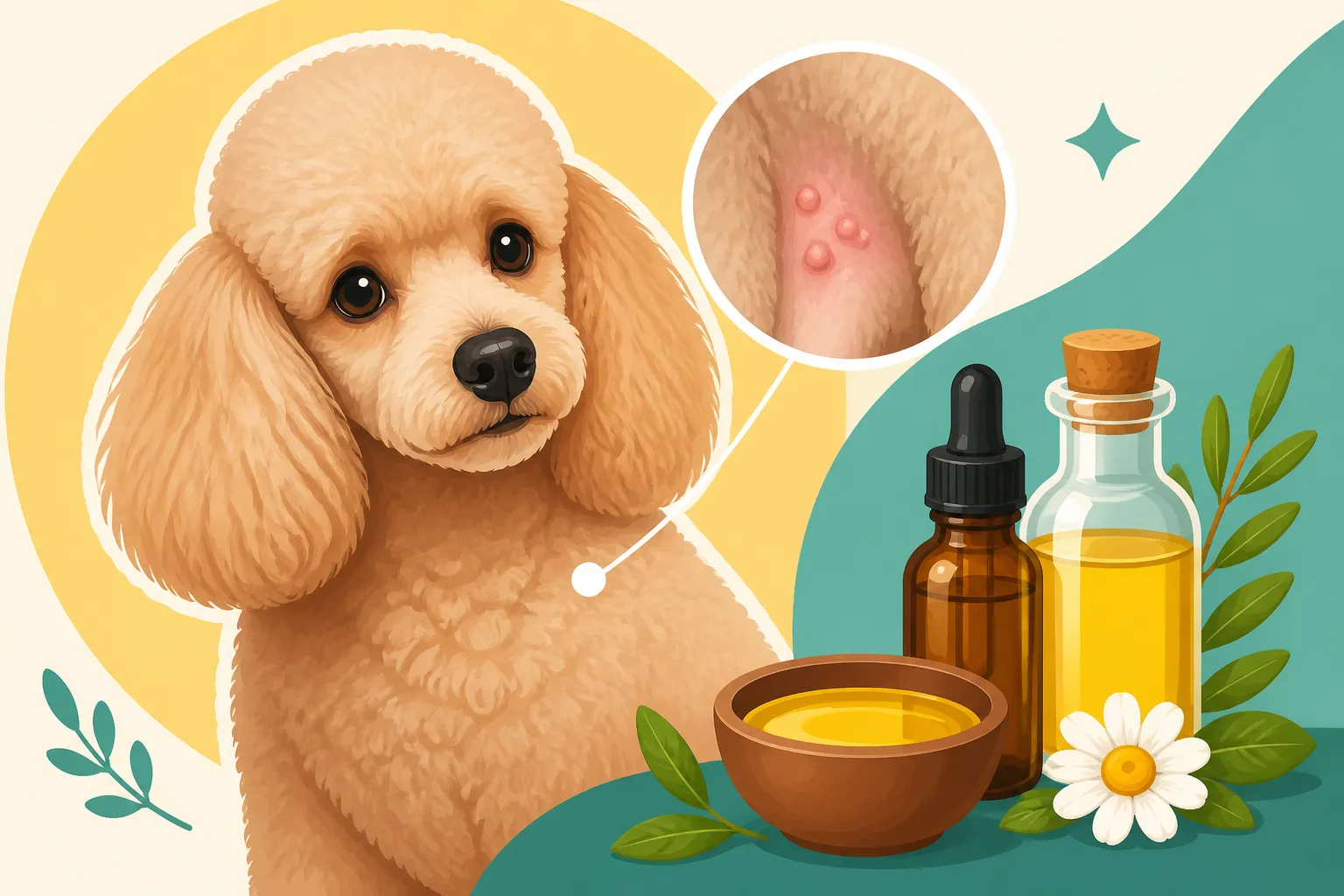
For Poodles suffering from Sebaceous Adenitis, oil soaks are more than just a luxurious spa treatment; they're a vital part of managing the condition. They directly address the primary issue: the lack of natural sebum. By supplementing the skin with much-needed lipids, these soaks help restore the skin's barrier function, reduce scaling, and promote healthier hair growth. It’s a proactive approach to a condition that often feels like it's constantly reacting to problems.
How Oil Soaks Address the Root Problem
The beauty of oil soaks lies in their simplicity and effectiveness. When your Poodle's sebaceous glands aren't producing sebum, the skin loses its natural moisture and protective barrier. This leads to that characteristic dry, flaky, and often tight-feeling skin, making the coat brittle and prone to breakage. Oil soaks essentially provide an external "sebum replacement."
The oil penetrates the hair follicles and the outer layers of the skin, hydrating deeply and softening the hardened scales and crusts that accumulate. This softening action makes it much easier to gently brush away dead skin and debris during the bathing process, preventing further blockages in the follicles that could exacerbate hair loss. Beyond just moisture, the right oils can have anti-inflammatory and antimicrobial properties, helping to calm irritated skin and prevent secondary infections that thrive on damaged skin. It's about rebuilding that vital skin barrier from the outside in, giving the skin the tools it needs to function as normally as possible. While we can’t Whether Poodle Adenitis Can Be Reversed, we can certainly manage the symptoms effectively.
Choosing the Right Oils for Your Poodle
The choice of oil matters significantly. You want something that is non-irritating, easily absorbed, and effective at penetrating the scales. Many vets often recommend a medical-grade mineral oil, but other options can also be very beneficial.
- Mineral Oil: This is often the first choice recommended by many veterinarians for SA soaks because it's non-comedogenic (won't clog pores), hypoallergenic, and forms a protective barrier on the skin to reduce moisture loss. It's incredibly effective at softening scales, making them easier to remove. It doesn't absorb deeply into the skin but rather sits on the surface, which is exactly what you want for maximum softening and barrier support.
- Jojoba Oil: Often lauded for its similarity to natural sebum, jojoba oil can be a fantastic option. It's technically a liquid wax, not an oil, and is lightweight, easily absorbed, and unlikely to clog pores. Its natural composition allows it to penetrate the skin and hair follicles effectively, providing deep moisture and helping to normalize skin function.
- Coconut Oil: While popular in many natural grooming routines, caution is advised with coconut oil for SA. It can be very moisturizing and has some antimicrobial properties, but it's also highly comedogenic for some dogs, meaning it can clog pores and potentially worsen follicular issues. If you choose to use it, opt for a high-quality, unrefined, virgin coconut oil and monitor your Poodle's skin closely for any signs of worsening congestion or irritation. A patch test is always a good idea.
- Argan Oil or Olive Oil: These can be used, but similar to coconut oil, they are heavier and can be more difficult to rinse out completely, potentially leaving a residue that might attract dirt or feel greasy. They don't typically offer the same level of scale-softening as mineral oil.
Always consult your veterinarian before starting any new treatment, including oil soaks, to ensure it’s appropriate for your Poodle's specific condition and to get guidance on the best type of oil and frequency.
A Step-by-Step Guide to Giving Your Poodle an Oil Soak
Giving your Poodle an oil soak for Sebaceous Adenitis is a commitment, both in time and effort, but the benefits for their comfort and coat health are truly worth it. This isn't a quick rinse; it's a deliberate, therapeutic process.
Preparation is Key
Before you even think about applying oil, gather all your supplies. Being prepared will make the process much smoother and less stressful for both you and your Poodle.
Here’s what you’ll need:
- Your Chosen Oil: Have plenty on hand. For a Standard Poodle, you might need a cup or more. For a Miniature or Toy, less, but always err on the side of having too much.
- Specialized SA Shampoo: Your vet will likely prescribe or recommend a medicated shampoo specifically for SA. These often contain ingredients like benzoyl peroxide, salicylic acid, or sulfur to help with scaling and folliculitis. For example, brands like Douxo or Malaseb are often recommended.
- Moisturizing Conditioner: Essential for rehydrating the skin and coat after the medicated shampoo.
- Several Old Towels: You’ll need these to soak up excess oil and for drying. Things will get oily!
- Rubber Gloves: Protect your hands from the oil, especially if you have sensitive skin or a Poodle with secondary infections.
- Non-Slip Mat: Crucial for safety in the tub or shower.
- Brush or Comb: A slicker brush and a greyhound comb are indispensable for Poodle grooming. The Tools That Reach a Poodle's Undercoat are essential here.
- Distraction/Treats: High-value treats or a lick mat smeared with peanut butter can make the experience more positive for your Poodle.
- Warm Water: Ensure your bathing area has easy access to warm water.
Prepare your Poodle by thoroughly brushing their coat to remove any loose hair and tangles. This helps the oil penetrate better and prevents mats from forming during the soak. Focus on line brushing to ensure you get right down to the skin. Remember, The Poodle Coat and Why It Never Stops Growing means it's constantly susceptible to matting, especially when compromised by SA. Ensure the environment is warm and calm. A cold, drafty bathroom will only add to your Poodle’s stress.
The Soaking Process
This is where the magic happens, but it requires patience.
- Initial Rinse (Optional, but Recommended): Some owners prefer to lightly dampen the coat first with warm water. This can help the oil spread more easily, especially if the coat is very dry. However, it's not strictly necessary.
- Apply the Oil Generously: Wearing your gloves, apply the chosen oil all over your Poodle's body, paying special attention to areas with heavy scaling, hair loss, or dryness. Start at the neck and work your way down, ensuring complete saturation. Don't be shy; you want the skin to be thoroughly coated. You should visibly see the oil on the skin and hair.
- Massage In: Gently massage the oil into your Poodle’s skin with your fingertips. This not only helps distribute the oil but also stimulates circulation and helps loosen scales. Be gentle, as their skin may be sensitive. Take your time, making this a relaxing experience for your Poodle if possible.
- The Wait (Crucial): This is the "soak" part. You need to leave the oil on for at least 30 minutes, but ideally for 1-2 hours. For severe cases, some vets might even recommend leaving it on for up to 6 hours or overnight (though this requires careful monitoring and a secure, warm space). This extended contact time allows the oil to deeply penetrate and soften the stubborn scales. During this time, keep your Poodle warm and contained. An old t-shirt or dog pajamas can help keep the oil from getting everywhere and provide extra warmth. A good time to do this might be when they're due for a nap or are generally relaxed.
- Re-brush (Optional, but Recommended): After the soaking period, some owners find a second, gentle brushing with a fine-toothed comb helps to lift and remove softened scales and loosened hair before the bath.
The Wash and Rinse Routine
Rinsing out all that oil without stripping the skin can be tricky, but it's vital for a successful soak.
- Lather with Specialized Shampoo: Get your Poodle back into the tub. Without wetting them further, apply the medicated shampoo directly to the oily coat. The oil repels water, so applying shampoo first allows it to emulsify the oil, making it easier to rinse out. Work the shampoo thoroughly into a lather over the entire body. You'll likely need to use more shampoo than usual for this first wash.
- First Rinse: Rinse thoroughly with warm water. This initial rinse will remove most of the oil and the first layer of scales. Be meticulous here; residual oil can make the coat feel heavy and attract dirt.
- Second Shampoo (and possibly a Third): Repeat the shampooing process. For severe cases or very oily coats, you might need a third shampoo application to ensure all the oil is removed. Again, rinse incredibly thoroughly after each shampoo. Pay attention to areas like the armpits, groin, and under the ears. If you need guidance on products, check out Shampoo and Conditioner for a Poodle Coat.
- Condition: After the final shampoo and rinse, apply a generous amount of moisturizing conditioner to your Poodle’s coat and skin. This helps replenish any moisture lost during the shampooing and further soothes the skin. Allow it to sit for 5-10 minutes before rinsing.
- Final Rinse: Rinse, rinse, rinse! This is arguably the most important step. Any shampoo or conditioner residue left on the skin can cause irritation and lead to new problems. The water should run completely clear, and you should feel no slippery or tacky residue on the coat or skin. Remember, a deep clean and thorough rinse are part of Bathing and Drying a Poodle.
Post-Soak Care and Maintenance
Once your Poodle is clean, the drying process is next.
- Towel Dry: Gently squeeze excess water from the coat, then use soft towels to blot dry. Avoid harsh rubbing, which can irritate sensitive skin and cause tangles.
- Blow Dry: Use a low-heat, high-velocity dryer to dry the coat completely. This helps to lift the coat, ensure the skin dries properly, and prevent matting. If your Poodle is sensitive to the dryer, slowly Desensitizing a Poodle to Clippers and other grooming tools will be beneficial. If you're Using a High Velocity Dryer on a Poodle, ensure you keep it moving to prevent heat spots. Air drying is generally not recommended for Poodles, especially those with SA, as it can encourage matting and bacterial growth in a damp coat.
- Gentle Brushing: Once mostly dry, use your slicker brush and comb to gently finish drying and fluff the coat. This also helps ensure any remaining loose scales are removed.
- Frequency: Initially, your vet might recommend oil soaks 1-2 times per week for several weeks until the skin and coat show improvement. As the condition stabilizes, you may be able to reduce the frequency to every 2-4 weeks for maintenance. Consistency is key with SA management.
Managing Expectations and Long-Term Care
Dealing with Sebaceous Adenitis is a marathon, not a sprint. It’s a chronic condition, and while oil soaks are incredibly effective, they are part of ongoing management. There will be good days and bad days, and patience, persistence, and close collaboration with your veterinarian will be your best tools.
Patience and Consistency are Paramount
It’s crucial to understand that SA is a lifelong condition. You won't see a miraculous overnight cure, and that can be disheartening, especially after investing so much time and effort into oil soaks. Improvement comes gradually. You might first notice less scaling, then softer skin, and eventually, some hair regrowth or a less brittle coat. It often takes several weeks or even months of consistent treatment to see significant, lasting improvement.
Missing treatments or not following the protocol strictly can set back progress. Think of it like managing a human chronic illness – consistency in medication and self-care is vital. Your Poodle relies on you to maintain this routine, even when it feels like a chore. Celebrate small victories, like a decrease in itching or a small patch of new, healthy hair. This dedication is what truly makes a difference in your Poodle's comfort and quality of life.
Combining Oil Soaks with Other Therapies
While oil soaks are a cornerstone of SA management, they are rarely the sole treatment. Your veterinarian will likely recommend a multi-faceted approach, tailored to your Poodle’s specific needs and the severity of their condition. This comprehensive strategy might include:
- Topical Treatments: In addition to medicated shampoos, your vet might prescribe leave-on conditioners, sprays, or mousses with ingredients like phytosphingosine, ceramides, or essential fatty acids to further support the skin barrier.
- Oral Medications: For more severe inflammation, secondary infections, or when symptoms are not adequately controlled by topical treatments alone, oral medications may be necessary. These can include antibiotics for bacterial infections, antifungals for yeast, or immunosuppressants (like cyclosporine or corticosteroids) to modify the immune response.
- Dietary Modifications: Some veterinarians recommend diets rich in essential fatty acids (Omega-3 and Omega-6) to support skin health from within. Supplements like fish oil are often beneficial. Always discuss dietary changes with your vet, as what works for one Poodle might not be ideal for another.
- Regular Grooming: Beyond the therapeutic soaks, regular brushing and maintenance grooming are crucial to prevent matting and keep the coat and skin clean. The Poodle Coat and Why It Never Stops Growing means matting can quickly turn a manageable condition into a painful crisis.
Working closely with your vet, who can conduct tests like repeat skin biopsies to monitor progress, is essential. They can help you navigate the various options and adjust the treatment plan as needed. The cost of managing a chronic condition like SA, including vet visits, specialized shampoos, and medications, can add up, making pet insurance a consideration. Providers like Healthy Paws can offer peace of mind by helping to cover eligible treatment costs.
Monitoring for Improvement and Adjusting the Routine
Effective management of SA requires vigilant monitoring. You need to become an expert in your Poodle’s skin and coat. Keep a journal to track symptoms (e.g., amount of scaling, hair loss, itching), treatment frequency, and any perceived improvements or setbacks. Take photos regularly to document changes, as gradual improvements can be hard to notice day-to-day.
Signs of improvement might include:
- Reduced scaling and flakiness
- Less itching and discomfort
- Softer, more supple skin
- Increased hair growth or a denser, healthier-looking coat
- Fewer secondary infections
If you notice your Poodle is getting worse, or not improving after consistent treatment, it’s time to consult your vet. They might suggest:
- Adjusting the type or concentration of oil.
- Changing the frequency of soaks.
- Adding or changing medicated shampoos or topical treatments.
- Re-evaluating oral medications.
- Considering further diagnostic tests if there are new symptoms or lack of response.
It's a process of trial and error sometimes, finding the perfect balance for your individual Poodle. Don't get discouraged if a particular treatment doesn't yield immediate results. Healthy Paws, for example, helps cover a wide range of treatments and diagnostics for chronic conditions like SA, which can make it easier to explore different options without the added financial stress. Your dedication to their care will greatly enhance their comfort and quality of life.
Comparing Common Oils for Poodle SA Soaks
| Oil Type | Key Properties | Pros | Cons | Vet Recommendation |
|---|---|---|---|---|
| Mineral Oil | Non-comedogenic, forms protective barrier, very effective at softening scales | Highly effective for scale removal, hypoallergenic, widely available. | Does not absorb into skin, can be messy. | Often first choice |
| Jojoba Oil | Liquid wax, mimics natural sebum, easily absorbed, non-comedogenic | Deeply moisturizing, excellent for skin barrier repair, gentle. | More expensive than mineral oil, less potent for initial heavy scale removal. | Good secondary option |
| Coconut Oil | Moisturizing, some antimicrobial properties | Pleasant scent, can be soothing, natural. | Can be comedogenic (clog pores) for some dogs, harder to rinse completely, may worsen SA if it clogs follicles. | Use with caution, monitor closely |
| Olive Oil | Moisturizing, rich in antioxidants | Readily available, cost-effective. | Heavier, can be very difficult to rinse out completely, may leave greasy residue, potential for pore clogging. | Generally not recommended for SA soaks |
Disclaimer
This article is intended for informational purposes only and does not constitute veterinary advice. Always consult with a qualified veterinarian for any health concerns or before making any decisions about your Poodle's care, especially concerning chronic conditions like Sebaceous Adenitis. Treatment protocols should be tailored to your individual dog's needs and supervised by a professional.