Whether Silver Poodles Are Born Silver
One of the most common surprises for new Poodle parents, especially those dreaming of a majestic silver companion, is discovering that their adorable new puppy isn't born the striking color they'll become. It's a widespread misconception that silver Poodles arrive in the world with their shimmering adult coat already in place. This guide will walk you through the fascinating journey of a silver Poodle's coat, explaining why they're born black and how their beautiful silver develops over time.
The Poodle Coat: A Canvas of Changing Hues
The world of Poodle colors is rich and varied, but it's also full of surprises, especially for those unfamiliar with how certain genetic traits express themselves. Many Poodle colors, particularly those derived from black, don't present in their final shade at birth. This clearing process is a hallmark of the breed and can lead to confusion if you're not expecting it.
Why Poodle Colors Aren't Always What They Seem
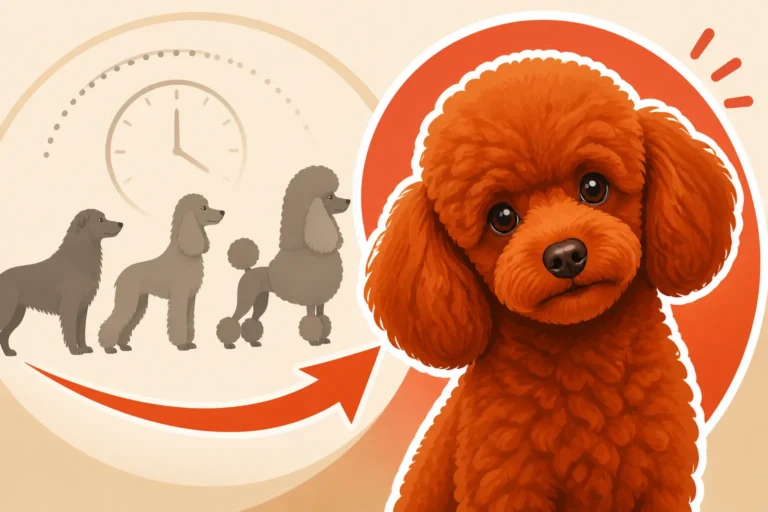
It’s easy to look at a vibrant red Poodle or a deep apricot and assume that's exactly how they looked as a tiny pup. But the reality is often different. Many Poodle colors, especially the "clearing" colors, undergo a significant transformation from puppyhood to maturity. Think of it like a beautiful painting slowly revealing its true depth of color as layers are added. A Poodle's coat is dynamic, and understanding this is key to appreciating its unique beauty. You might have seen discussions about How a Poodle Puppy's Color Fades or when A Poodle Puppy's Color Settles, which speaks to this very phenomenon. It's a journey, not a static destination, and it's part of what makes Poodles so endlessly fascinating.
The Genetics Behind Silver
To truly understand why a silver Poodle isn't born silver, we need to delve a little into genetics. Silver Poodles carry a dilution gene, often referred to as the "G locus" (for greying). This gene acts on black pigment, gradually diluting it over time. A puppy born black who is destined to become silver actually has black hair, but the genetic instruction is there to lighten that black to silver. This isn't fading in a negative sense; it's a programmed clearing. White Poodles, for instance, are a different genetic story altogether, being born white or cream because of entirely different genes. Silver is a specific and gorgeous dilution that results from the interplay of genes affecting pigment.
The Birth to Bloom Journey of a Silver Poodle
The transformation of a silver Poodle from a coal-black puppy to a shining adult is one of the most delightful experiences for their owners. It's a gradual unfolding that requires patience and keen observation.
Born Black
This is perhaps the biggest surprise for many: a silver Poodle puppy is born black. Not a hint of silver in sight, usually. They look like any other black Poodle puppy, with dark, dense coats and shiny black noses and paw pads. If you’re carefully examining a litter, a very experienced breeder might spot the faintest whisper of lighter hair right at the root, deep down, especially around the face or paw pads, but to the untrained eye, they are simply black. This initial black is often deep and rich, giving no immediate indication of the silvery future. It's truly a leap of faith for those who haven't seen the clearing process before!
The Clearing Process
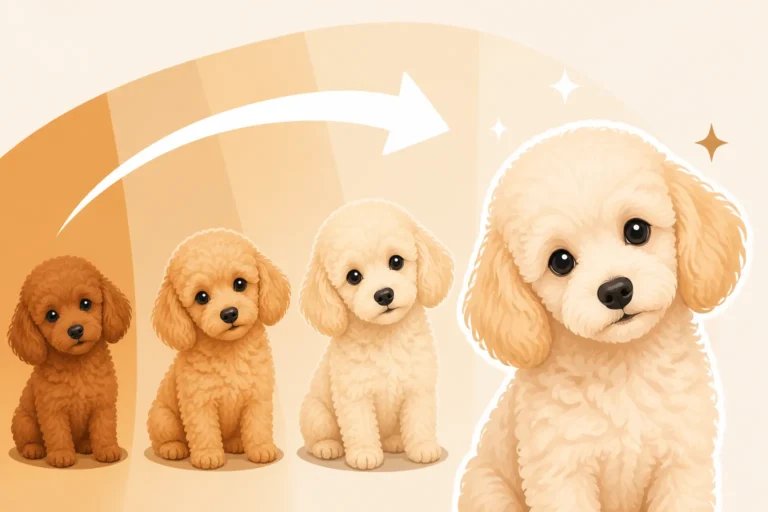
The magic of the silver Poodle really begins to unfold around 6 to 10 weeks of age, though it can start earlier or later and continue for up to two years. The first signs usually appear on the face – around the muzzle, eyes, and ears. You'll start to notice a fine, silvery mist or distinct lighter hairs emerging. Next, the paws and legs will often show signs of clearing. Gradually, this silvery growth will spread across the body, replacing the black puppy coat. It's not uncommon for a Poodle to look a bit "patchy" during this phase, with areas of black still visible as the new silver hair grows in. The clearing doesn't happen overnight; it’s a beautiful, slow reveal, like watching a photograph develop in an old darkroom.
Identifying a Future Silver
While they are born black, reputable breeders have ways to identify a future silver Poodle even in a litter of black puppies. One key indicator is the color of the paw pads and nose leather. In a puppy destined to be silver, these areas, while initially dark, may have a subtle bluish-grey cast or begin to lighten very early. The hair around the eyes and muzzle is often the first place to show faint silvery hairs peeking through. Sometimes, if you part the black puppy coat deeply, you might see the lighter roots of the new silver hair already coming in. Experienced eyes know what to look for, distinguishing a true silver from a plain black puppy who will remain black. This is part of the extensive knowledge good breeders possess, which is why finding a reputable one is so crucial when choosing a Poodle puppy.
Distinguishing Silver from Other Poodle Colors
Understanding the unique clearing process of a silver Poodle also helps clarify its distinction from other Poodle colors that might seem similar at first glance. It’s not just about the final color, but the journey to get there.
Silver vs. Blue
This is where things can get a little tricky, as both silver and blue Poodles are genetically black Poodles with a dilution gene. The key difference lies in the degree and speed of dilution. Silver Poodles have a more aggressive and complete dilution, clearing relatively quickly to a bright, shimmering silver. Blue Poodles, on the other hand, have a less intense dilution. They also clear from black, but the process is much slower, often taking years, and the resulting color is a darker, steel-grey or charcoal, rather than a light silver. A blue Poodle will never achieve that sparkling, almost white-silver hue of a true silver Poodle. Often, blue Poodles retain some black hairs, giving them a rich, deep grey tone. The difference is subtle in puppies but becomes distinct in adulthood.
Silver vs. White
It's important to clarify that silver Poodles are distinctly different from white Poodles. White Poodles are born white (or sometimes a very light cream that clears to white) and stay white. Their genetic makeup means they lack pigment from the start, or very little. Silver Poodles, however, are born black and then undergo a clearing process. They are a dilution of black pigment. You will never see a white Poodle that was born black, nor will a silver Poodle ever achieve the pure, snow-white color of a true white Poodle. They are beautiful in their own right, but genetically, they're playing on entirely different teams. You might be interested in The Colors a Poodle Comes In to understand the full spectrum of coat possibilities.
Understanding "Silver Beige"
Just to add another layer of fascinating complexity to Poodle colors, it's worth briefly mentioning "silver beige." While silver is a dilution of black, silver beige is a dilution of brown. A silver beige Poodle puppy is born brown (often a deep chocolate or cafe au lait) and then, similar to silver, clears to a lighter, silvery-tan or beige color. So, while both involve "silver" in their name and both clear, they originate from different base pigments – black for silver, and brown for silver beige. This really highlights the intricate genetic pathways that create the Poodle's stunning array of coat colors.
| Poodle Color | Born As | Clearing Process | Final Adult Color | Key Distinctions |
|---|---|---|---|---|
| Silver | Black | Starts around 6-10 weeks, can take up to 2 years. | Bright, shimmering silver | Fastest and most complete dilution of black. Pads/nose turn grey-black. |
| Blue | Black | Very slow clearing, often takes years. | Deep steel-grey/charcoal | Slower, less complete dilution of black than silver. Often retains some dark hairs. |
| White | White (or light cream) | No clearing; remains white. | Pure white | Born white, genetically different from diluted black. Never born black. |
| Silver Beige | Brown | Starts around 6-10 weeks, can take up to 2 years. | Silvery-tan/beige | Dilution of brown pigment, not black. Pads/nose turn grey-brown. |
Living with a Clearing Silver Poodle
Bringing a silver Poodle into your home means you get a front-row seat to a magnificent transformation. But it also comes with some practical considerations during this clearing period and beyond.
Grooming Considerations During Clearing
As your Poodle's coat clears, you might notice some interesting textures. The puppy coat is usually softer, while the incoming adult coat is denser and more structured. This can sometimes lead to a mix of textures that might be more prone to matting. Regular grooming is always essential for Poodles, but especially during this transition. You’ll want to be extra diligent with your brushing, using a good slicker brush and a metal comb, making sure to line brush all the way to the skin. Missing areas, especially around the ears, armpits, and behind the legs, can quickly lead to painful mats that might require professional intervention. Investing in quality grooming tools from a trusted supplier like Chewy can make a huge difference in keeping your Poodle comfortable and mat-free. Regular bathing and drying are also crucial; you can find great advice in Bathing and Drying a Poodle or Shampoo That Suits a Curly Poodle Coat.
Patience and Observation
The clearing process is unique to each individual Poodle. Some may clear quickly and uniformly, while others take their sweet time, exhibiting a patchwork of black and silver for months. It’s important to be patient and enjoy the journey. Documenting the changes with photos can be a fun way to track your Poodle's progress. Instead of wishing for the final silver coat to appear faster, try to appreciate each stage of their development. It's a testament to the Poodle's genetic diversity and beauty. If you're wondering When a Poodle Puppy's Color Settles, remember it's a marathon, not a sprint!
Coat Care for Silver Poodles
Once your Poodle has cleared to its stunning silver, ongoing coat care remains paramount. Silver coats, like all Poodle coats, require consistent brushing to prevent mats, which can be particularly challenging due to their dense, curly nature. Remember, Poodles have hair, not fur, which Why a Poodle Has Hair Rather Than Fur explains in detail, and this hair grows continuously. While they are often considered "non-shedding," they do still lose hair, it just gets caught in the curls, forming mats if not brushed out. Regular professional grooming appointments, perhaps every 4-6 weeks, are a must. Between visits, diligent home grooming, including thorough line brushing, is vital. Products designed for light-colored coats can help maintain brightness and prevent dullness. You can find excellent options for brushes, combs, and detangling sprays on platforms like Chewy, helping you keep that silver coat pristine. Also, be mindful of sun exposure, as prolonged time in strong sunlight can sometimes cause lighter coats to become slightly discolored or brassy.
Disclaimer
This article is for general informational purposes only and does not constitute professional advice. Laws, prices and regulations vary by location and change over time. Consult a qualified professional for guidance on your specific situation.