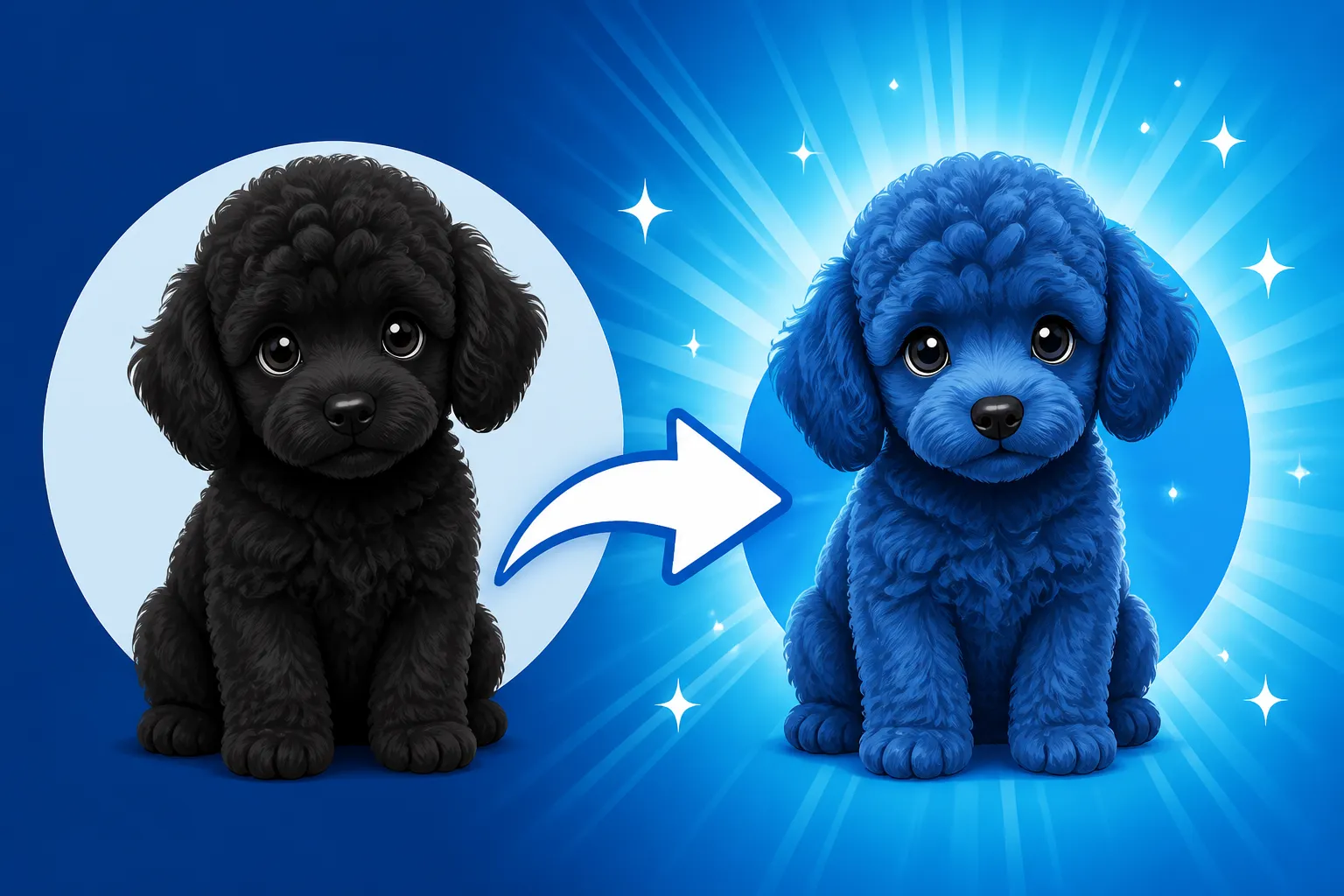
How a Black Poodle Puppy Turns Blue
You brought home that adorable little black Poodle puppy, envisioning a sleek, dark companion for life. Their coat was truly midnight black, gleaming with health and youth. But then, as the weeks turn into months, you start noticing something… different. A slight lightening around the muzzle, a subtle shift in the body coat that isn't quite black anymore, but not quite grey either. It's confusing, and can make you wonder if something is wrong with your beloved pup, or if they're simply getting dirty somehow. This guide is here to shed light on a common, yet often misunderstood, Poodle phenomenon: how a black Poodle puppy can transform into a beautiful blue Poodle. It's not a trick of the light, nor a health issue, but a fascinating genetic journey!
What 'Blue' Really Means in a Poodle Coat
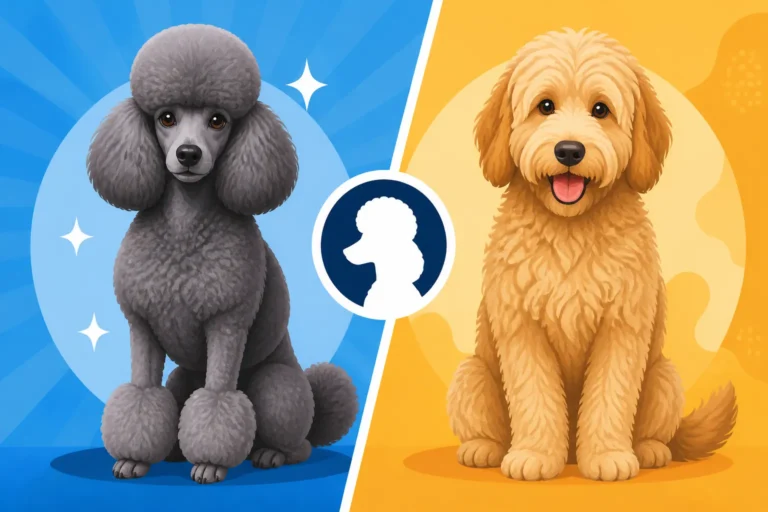
When we talk about a Poodle with a "blue" coat, it's important to clarify that we aren't talking about a bright, robin's egg blue or a cartoonish shade. Rather, a blue Poodle possesses a dilute shade of black. Think of it as a deep, smoky charcoal, a sophisticated slate, or an inky black that has had some of its intensity softened. It sits in a beautiful spectrum between a true, jet black and a bright, shimmering silver. The term "blue" perfectly captures the cool, muted undertones that distinguish it from a fading black that might take on reddish or brownish hues.
The way a blue coat looks can be quite dynamic. Indoors, or in lower light conditions, your blue Poodle might still appear almost black, giving you a glimpse of their puppy days. However, step out into natural sunlight, and those stunning blue-grey tones truly come alive, revealing the depth and complexity of their color. It's often when caught in bright outdoor light that owners first really notice the transformation from their original black Poodle puppy. This is vastly different from a Poodle with poor pigment, which might show up as streaky, brownish black or a coat that simply looks dull and lifeless, sometimes with rusty red tips from sun exposure or diet. True blue has a distinct coolness to its shade.
It's also crucial to distinguish "blue" from "silver." While both are stunning variations of the Poodle's black lineage, silver Poodles typically clear to a much lighter, often shimmering grey, and this clearing process tends to start earlier and be more pronounced. A silver Poodle might be born black but will often show signs of silvering on their face and paws by just a few weeks of age, eventually becoming a truly light, bright silver. Blue Poodles, on the other hand, retain more of the black pigment, resulting in that deeper, charcoal blue. They are both beautiful, but distinctly different.
The Genetics Behind a Poodle's Color Change
Understanding why a black Poodle puppy turns blue requires a little peek into the fascinating world of canine genetics. This color transformation isn't an anomaly or a fluke; it's the result of specific genes at play within the Poodle's genetic makeup. Specifically, the progressive graying gene, often referred to as the "G locus," is responsible for this gradual dilution of black pigment (eumelanin) over time.
Unlike some other breeds where a "dilute" gene (at the D locus) causes puppies to be born with a dilute color from day one, Poodles are unique. In Poodles, the G locus is the primary player in causing a black puppy to "clear" to either blue or silver. This gene doesn't change the color instantly; instead, it causes a progressive reduction in the intensity of the black pigment as the dog matures and new hair grows. It's a bit like watching a black and white photo slowly gain a sepia tone, but in reverse, with the black gently softening to a smoky blue.
Reputable Poodle breeders are intimately familiar with these genetic nuances. They often use genetic testing to understand the coat color possibilities within their breeding stock. A breeder who proudly offers "blue" Poodle puppies will typically have tested their breeding dogs for the progressive graying gene, ensuring that the puppies carry the necessary genetic markers to express this beautiful color. This isn't about creating designer colors; it's about understanding and preserving the breed's diverse and natural color palette. Genetic Panels for the Three Poodle Sizes can reveal a wealth of information about a puppy's potential adult coat color, among other important health traits. It's one of the many things What a Poodle Breeder Must Test For to make informed breeding decisions.
It's vital to remember that a blue coat is not a defect or a sign of poor health. On the contrary, it's a perfectly normal, and often highly desired, trait in the Poodle breed. It speaks to the intricate genetic tapestry that makes each Poodle unique and is a hallmark of certain well-established Poodle lines where these colors are understood, appreciated, and intentionally produced. This gradual clearing process is a natural part of their development, and it adds another layer of charm and individuality to these already magnificent dogs.
Watching for the Signs: When and How the Change Happens
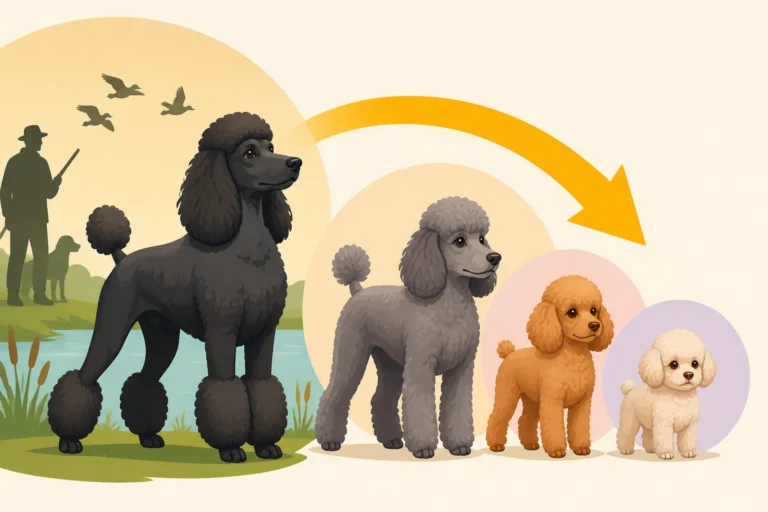
The transformation from a black Poodle puppy to a blue Poodle is a gradual process, often unfolding over several months, or even years, rather than an overnight switch. This is why the question of When a Poodle Puppy's Color Settles often has a complex answer for blue Poodles. You might notice the very first subtle changes around 6 to 8 weeks of age, but for many Poodles, the more noticeable clearing really picks up speed between 6 months and 2 years old. Some Poodles will even continue to lighten slightly until they're 3 or 4 years old, reaching their final, mature blue shade. It’s a journey, not a sprint!
The areas where you'll most likely spot these initial changes are typically the muzzle, around the eyes, and on the feet. These are regions where the hair tends to grow and be replaced more frequently, making the progressive graying more evident. You might start to see a softer, duller black in these areas compared to the deeper, more intense black on the rest of the body. It’s like the sun is gradually bleaching the tips of the hairs, but instead of bleaching, it's the genetic process causing less pigment to be deposited in the new growth.
The "clearing" itself isn't a sudden, uniform change across the entire coat. Instead, it’s a subtle, hair-by-hair process. As new hairs grow, they emerge with less black pigment than their predecessors. If you were to gently part your Poodle's coat, especially on the body, you might even be able to see the lighter, less pigmented roots of the new hair coming in, contrasting with the darker older hair shafts. This is the progressive graying gene doing its work, slowly but surely transforming the coat. It's a beautiful, intricate natural process that results in a uniquely shaded adult Poodle.
There's also quite a bit of variability in how blue Poodles clear. Some might clear relatively quickly and end up with a lighter, almost silver-blue shade, while others will maintain a very dark, smoky charcoal blue throughout their lives, only subtly different from their original black. Each blue Poodle is truly an individual masterpiece! It's important to understand that this natural clearing process is different from a Poodle whose Why Poodle Colors Fade With Age due to old age, which is a more general, overall lightening and often accompanies other signs of aging, such as a whitening muzzle. This is also different from environmental factors that can make a black coat appear dull or brassy due to sun exposure or improper grooming products. True blue Poodles have this distinct, cool undertone that signals their unique genetic heritage.
Caring for a Blue Poodle's Unique Coat
Caring for a blue Poodle's coat isn't dramatically different from caring for any other Poodle coat, but understanding its unique characteristics can help you maintain its stunning color and luxurious texture. The fundamental rule for all Poodles remains: their coat never stops growing, as explored in The Poodle Coat and Why It Never Stops Growing, and therefore requires consistent attention.
Regular grooming is absolutely crucial. A blue Poodle's coat, like all Poodle coats, is prone to matting if not properly maintained. You should aim for daily or every-other-day brushing to prevent tangles and mats and to distribute natural oils, keeping the coat healthy and vibrant. Learning How Often a Poodle Must Be Brushed thoroughly to the skin is key. A high-quality slicker brush and a sturdy metal comb are indispensable tools, and you can find excellent options on Chewy that are designed for dense, curly coats like the Poodle's.
Bathing should also be a regular part of your routine, typically every 2 to 4 weeks, depending on your Poodle's lifestyle and coat length. When selecting shampoos and conditioners, choose high-quality products that are formulated for dogs with sensitive skin or curly coats. While some owners of blue Poodles might be tempted to use color-enhancing shampoos, be cautious. Some can deposit artificial tints, which might not be the look you're going for. Instead, focus on shampoos that gently cleanse and moisturize, ensuring a healthy base for the natural blue pigment to shine. Shampoo That Suits a Curly Poodle Coat should prioritize hydration and gentle cleaning.
Sun exposure, while lovely for showing off that beautiful blue, can sometimes cause a reddish or brassy tint in some Poodle coats, particularly if they have underlying red genetic modifiers. It's not harmful, but if maintaining that true, cool blue is a priority, you might want to limit prolonged, intense sun exposure, especially if your Poodle has a very short clip. On the flip side, some blue Poodles actually look more blue after a bit of sun exposure, as the darker pigments fade subtly to reveal the underlying blue. It's a bit of a genetic lottery, so observe how your individual Poodle's coat reacts.
Finally, remember that a high-quality diet plays a significant role in coat health, texture, and color vibrancy. Ensure your blue Poodle is receiving a balanced diet rich in essential fatty acids and nutrients. These support overall skin and coat health, contributing to that beautiful, deep blue sheen. You can explore a wide range of nutritious dog foods on Chewy that are specifically formulated to support coat health, helping your Poodle look and feel their best.
Comparing Black, Blue, and Silver Poodle Coats
To help clarify the distinctions between these beautiful Poodle colors, here's a quick comparison:
| Feature | Black Poodle | Blue Poodle | Silver Poodle |
|---|---|---|---|
| Puppy Color at Birth | Jet black | Jet black | Jet black |
| Adult Color | Remains a true, deep, solid black | Dilute black; smoky charcoal, slate, or inky blue | Pale grey, shimmering silver |
| Genetic Basis | No progressive graying gene (G locus) | Carries progressive graying gene (G locus) | Carries progressive graying gene (G locus), often with additional modifiers or earlier clearing |
| Clearing Process | None (unless fading with age) | Gradual, typically starts 6 months to 2-3 years | Early and more pronounced, often by 6-8 weeks |
| First Signs of Change | None, unless pigment dulls or rusts due to sun | Muzzle, paws, around eyes lighten subtly | Muzzle, paws, around eyes turn distinctly silver |
| Primary Hue | Warm/Neutral dark | Cool, smoky dark grey with blue undertones | Cool, bright light grey |
| Maintenance | Standard Poodle coat care | Standard Poodle coat care, may consider sun protection for color | Standard Poodle coat care, may appear lighter if clipped short |
The journey of a black Poodle puppy turning blue is truly a wonderful example of canine genetics at its finest. It's a natural, healthy process that results in a uniquely beautiful companion. Enjoy watching your Poodle's coat transform, and cherish the stunning blue hue that emerges!
Disclaimer
This article is for general informational purposes only and does not constitute professional advice. Laws, prices and regulations vary by location and change over time. Consult a qualified professional for guidance on your specific situation.