Why a Tested Standard Poodle Reaches Five Thousand
The moment you start researching a Standard Poodle puppy, the price tag can feel like a punch to the gut. It's perfectly natural to wonder why some puppies are listed for a few hundred dollars, while others command upwards of five thousand. This guide aims to pull back the curtain on those seemingly steep prices, showing you exactly what goes into ethically and responsibly breeding a Standard Poodle, and why that upfront investment truly matters for your future companion's health and happiness.
The Foundation of a Healthy Standard Poodle: Parent Testing and Health Clearances
When you see a price tag of $5,000 for a Standard Poodle puppy, a significant portion of that cost reflects the breeder's commitment to extensive health testing of the parent dogs. This isn't just a casual vet check-up; it's a deep dive into genetic predispositions and physical soundness, specifically tailored to the Poodle breed. A responsible breeder isn't just hoping for the best; they are actively working to stack the odds in your puppy's favor against common, often devastating, health issues.
Genetic Panels and Early Disease Screening
One of the cornerstones of responsible Poodle breeding is comprehensive genetic testing. Poodles, like many purebreds, are prone to certain inherited diseases that can drastically impact their quality of life and your veterinary bills down the line. Breeders use specialized DNA tests to screen for conditions such as Von Willebrand Disease (vWD), a bleeding disorder; Progressive Retinal Atrophy (PRA), which causes blindness; Neonatal Encephalopathy (NE), a neurological condition; and Degenerative Myelopathy (DM), a progressive spinal cord disease. They also often screen for less common but equally serious conditions that might pop up in specific lines.
These genetic tests aren't cheap. Each parent dog typically undergoes a panel of tests that can easily run into several hundred dollars per dog. Beyond the initial cost, understanding these results requires a deep knowledge of genetics to avoid breeding carriers of recessive genes, ensuring that puppies are either clear or only carriers of a single gene, never affected. A breeder dedicated to transparency will openly share the genetic test results of both parents, sometimes even providing a link to their public database entries. This painstaking process is a core reason why a well-bred Poodle commands a higher price, but it's an investment that can save you heartache and thousands of dollars in vet bills later on. For a closer look at these essential screenings, you can read more about What a Poodle Breeder Must Test For.
Orthopedic Evaluations: Hips, Elbows, and Patellas
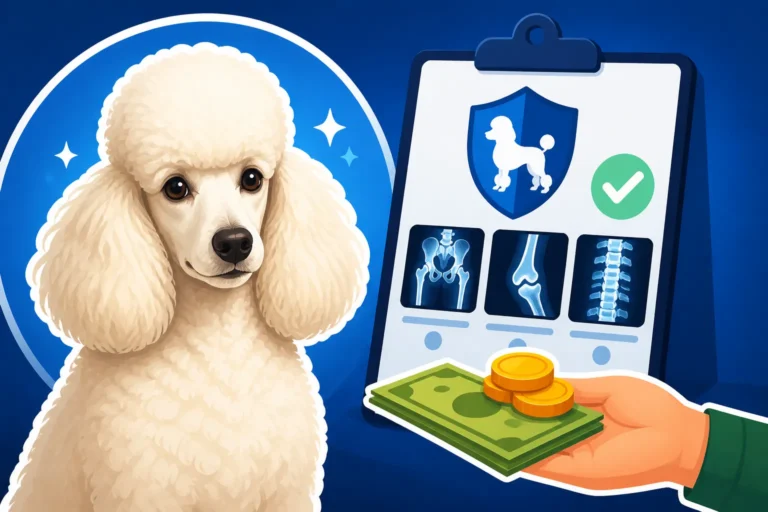
Standard Poodles, being a larger breed, are susceptible to orthopedic issues, particularly hip and elbow dysplasia. These conditions can cause chronic pain, lameness, and require expensive surgeries or lifelong medication. To combat this, reputable breeders ensure their breeding dogs undergo rigorous evaluations by organizations like the Orthopedic Foundation for Animals (OFA) or the University of Pennsylvania Hip Improvement Program (PennHIP). These involve specialized X-rays taken under sedation and reviewed by a panel of veterinary radiologists.
The process for obtaining these clearances is meticulous and costly. It includes veterinary fees for sedation and X-rays, plus the submission fees to the certifying body. Often, dogs must be a certain age (typically 2 years old for final OFA certifications) before these evaluations can be accurately performed, meaning breeders wait to breed their dogs until these critical clearances are obtained. This waiting period ties up potential breeding stock and increases the overall cost of raising and maintaining a breeding dog. When a breeder shows you excellent hip and elbow scores, they are demonstrating a tangible commitment to minimizing the risk of your puppy developing painful, expensive conditions like Poodle Hip Dysplasia by Size. It's a fundamental part of providing a solid, healthy foundation.
Eye Examinations and Cardiac Screenings
Beyond genetic and orthopedic health, responsible Standard Poodle breeders also pay close attention to eye and heart health. Annual eye examinations, performed by a board-certified veterinary ophthalmologist, are crucial to identify any inherited eye diseases that may not show up on genetic panels, such as certain forms of cataracts or progressive retinal atrophy. These exams, often called CERF (Canine Eye Registration Foundation) exams, are vital for tracking and avoiding inherited blindness in future generations. A breeder should be able to provide clear and current eye certificates for both parents.
Similarly, cardiac health is a concern for some larger breeds, and while Poodles are generally considered a healthy breed for heart issues, responsible breeders will still often perform cardiac screenings. These can range from a veterinarian auscultation (listening to the heart) to more advanced evaluations by a veterinary cardiologist, including echocardiograms. These specialized veterinary consultations add to the overall breeding costs but are essential in ensuring that the parents are truly sound before passing on any potential predispositions. Ignoring these screenings could lead to devastating conditions like Inherited Blindness in Poodles or severe heart disease in your future puppy, making the upfront investment in thorough testing a wise one.
The Investment in Time, Care, and Expertise
The price of a well-bred Standard Poodle puppy isn't just about the health tests; it's also a reflection of the immense time, dedicated care, and specialized expertise that goes into every single litter. This isn't a hobby for the faint of heart or the shallow of wallet; it's a passion that requires relentless effort, meticulous planning, and an unwavering commitment to the well-being of dogs.
Responsible Breeding Practices and Pedigree Research
Before a single puppy is even conceived, a reputable breeder has invested countless hours in researching pedigrees and understanding genetic lines. They're not simply breeding two Poodles because they happen to live in the same house. They are carefully selecting mates based on health clearances, temperament, conformation to the breed standard, and the genetic diversity they bring to the lineage. This involves attending dog shows, networking with other ethical breeders, and poring over databases to ensure that potential pairings minimize the risk of inherited diseases and maximize the potential for healthy, sound puppies. This intricate research helps prevent the unfortunate narrowing of the gene pool that can sometimes plague popular breeds.
This isn't a quick search on Google. It's a deep, ongoing education in canine genetics, veterinary science, and breed history. Finding the perfect sire for a dam can mean traveling across states or even internationally, incurring significant expenses for stud fees, shipping, and accommodation. The decision to breed is never taken lightly; it's a deliberate act aimed at improving the breed, not just producing puppies for profit. This level of dedication to the future of the breed is a core component of what a Standard Poodle breeder screens for and directly influences the puppy's ultimate cost.
Prenatal Care, Whelping, and Puppy Rearing
Once a breeding takes place and pregnancy is confirmed, the expenses continue to mount. The dam receives specialized prenatal care, including veterinary check-ups, high-quality nutrition designed for pregnant dogs (you might see breeders stocking up on top-tier foods from places like Chewy), and sometimes supplements to ensure a healthy pregnancy. Ultrasounds are often performed to confirm pregnancy and estimate litter size, providing crucial information for planning.
The whelping process itself can be intensive and unpredictable. While many dams deliver without major issues, a breeder must be prepared for potential complications, which could necessitate an emergency C-section, costing thousands of dollars. After birth, the real work begins. For the next 8-10 weeks, the puppies require round-the-clock care. This includes ensuring they're nursing properly, monitoring their growth, administering initial vaccinations and deworming treatments, and providing a clean, safe, and stimulating environment. The cost of premium puppy food, veterinary check-ups for the entire litter, and all necessary supplies during this critical growth period quickly adds up. This intensive early care is crucial for healthy development, especially to ensure that a Why a Standard Poodle Puppy Should Grow Slowly and avoid growth plate issues.
Temperament and Socialization Efforts
The early weeks of a puppy's life are critical for shaping its temperament and future behavior. A responsible breeder understands this implicitly and invests heavily in early socialization. This isn't just letting puppies play together; it involves carefully introducing them to a variety of sounds, textures, people (including children), and other animals in a positive, controlled manner. They implement structured programs like Puppy Culture or similar protocols, which involve early neurological stimulation, problem-solving games, and exposure to different environments.
This hands-on, intentional socialization process helps puppies develop into well-adjusted, confident adult dogs that are less prone to fear, anxiety, or aggression. It takes an incredible amount of time and effort from the breeder and their family, often requiring sacrifices to their own daily routines. They're laying the groundwork for a dog that will seamlessly integrate into your family and become a joy to live with, rather than a behavioral challenge. This early investment in temperament and exposure is fundamental to avoiding later issues and making sure you get a confident companion, addressing key aspects of Socializing a Poodle Before It Turns Wary.
The Value Proposition: Why the Price is Justified
Understanding the effort and expense behind a well-bred Standard Poodle puppy helps explain the higher price tag, but it’s also important to grasp the long-term value you receive for that investment. This isn’t just about getting a dog; it’s about bringing a meticulously cared-for, health-tested, and well-socialized companion into your home, which ultimately saves you money, stress, and heartache down the road.
Long-Term Health and Reduced Vet Bills
The most significant return on your investment in a high-priced, health-tested Standard Poodle is the likelihood of a healthier dog throughout its life. While no breeder can guarantee a dog will never have a health issue, responsible breeders drastically reduce the probability of common inherited diseases. Imagine avoiding expensive surgeries for hip dysplasia, the lifelong medication costs for Addison's disease, or the heartbreak of early blindness due to PRA. These conditions can easily cost thousands upon thousands of dollars in veterinary care over a dog's lifetime.
For example, a hip replacement surgery can run upwards of $5,000 to $7,000 per hip. Lifelong management of Addison's Disease in a Poodle, including monthly injections and regular bloodwork, can be hundreds of dollars every month. When you choose a puppy from parents with excellent health clearances, you’re essentially paying a premium to mitigate these risks. This foresight can lead to fewer emergency vet visits, less specialized care, and a more predictable budget for routine wellness. It also allows you to consider pet insurance from providers like Healthy Paws with more peace of mind, knowing you're less likely to claim for pre-existing conditions that a poorly bred dog might carry. Even if you consider Insuring a Poodle Against Addison's and Bloat, prevention through good breeding is always the first line of defense.
Predictable Temperament and Breed Conformation
Another invaluable aspect of a well-bred Standard Poodle is its predictable temperament and adherence to the breed standard. Responsible breeders focus not only on physical health but also on sound minds. They select breeding dogs known for their stable, intelligent, and friendly dispositions—traits that are hallmarks of The Poodle Character. This means you are far more likely to get a dog that embodies the wonderful qualities Poodles are known for: intelligence, trainability, loyalty, and a playful spirit.
Conversely, buying from an unknown source or a "backyard breeder" often means rolling the dice on temperament. You might end up with a shy, overly anxious, or even aggressive dog, which can lead to significant behavioral challenges, expensive training, or even the heartbreaking decision of rehoming. A breeder who carefully raises and socializes their puppies provides you with a strong head start, ensuring your Poodle is a joy to train and a pleasure to live with, rather than a constant source of frustration. This predictability is especially important for families with children or other pets, ensuring a harmonious household.
Breeder Support and Lifetime Guarantee
Finally, the price of a well-bred Standard Poodle includes something often overlooked: ongoing support and a lifetime commitment from your breeder. A reputable breeder doesn't just hand you a puppy and disappear. They become a lifelong resource, ready to answer questions, offer advice, and provide guidance on everything from training tips to grooming needs to dietary recommendations. They genuinely care about the well-being of every puppy they bring into the world.
Many ethical breeders also include a comprehensive health guarantee in their contracts, often covering genetic issues for a specified period. They stand behind their puppies and their breeding program. Should a severe, inherited health issue arise that was unforeseen despite all testing, a good breeder will often work with you, whether through offering a partial refund, a replacement puppy, or assistance with vet costs. This level of support and accountability is a stark contrast to casual breeders who disappear the moment you drive away with your puppy. They want you to succeed and will be there for you, perhaps even recommending specific high-quality foods, like Ollie, that align with their commitment to canine nutrition, or guiding you on where to buy reliable supplies from platforms like Chewy. This ongoing relationship and safety net, clearly outlined in Health Clauses in a Poodle Breeder Contract, offers immeasurable peace of mind.
Here’s a comparison of what you might encounter:
| Feature/Cost Aspect | Well-Bred Standard Poodle (Reputable Breeder) | Poorly-Bred Standard Poodle (Backyard/Puppy Mill) |
|---|---|---|
| Initial Puppy Price | $2,500 – $5,000+ | $800 – $2,000 |
| Parent Health Testing | Extensive genetic, orthopedic, eye, cardiac | Minimal to none; "vet checked" often misleading |
| Genetic Predisposition | Minimized risk of inherited diseases | High risk of inherited conditions |
| Temperament | Predictably stable, confident, well-socialized | Unpredictable, potential for fear/aggression |
| Lifetime Vet Bills | Potentially lower due to health clearances | Potentially very high for inherited diseases |
| Breeder Support | Lifelong resource, health guarantee | Little to no support after purchase |
| Time Investment (Breeder) | Years of research, 24/7 care, socialization | Minimal, often for profit |
| Peace of Mind | High | Low |
Disclaimer
The information provided in this article is for general educational purposes only and should not be considered a substitute for professional veterinary advice. Always consult with a qualified veterinarian regarding your Poodle's health and specific needs.