Waitlists at Standard Poodle Kennels
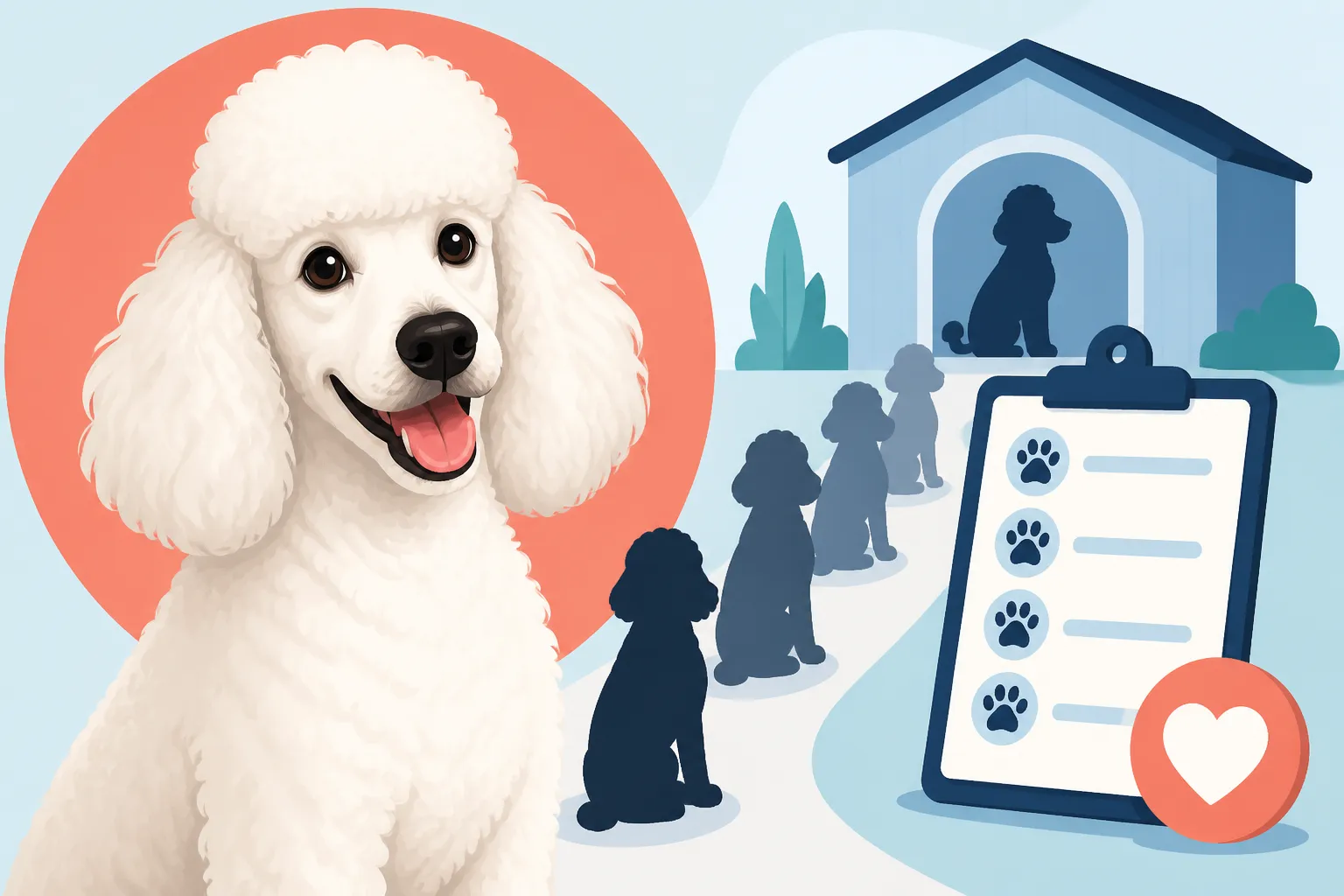
It can be incredibly disheartening to finally find that perfect, reputable Standard Poodle breeder—the one whose dogs are gorgeous, healthy, and have temperaments to die for—only to be told the waitlist is a year, sometimes even two years long. It feels like an eternity, and you might even question if it's worth it. But I'm here to tell you that these long waitlists are not a sign of a breeder playing hard to get; they're actually a strong indicator that you've found someone truly dedicated to the breed. This guide will walk you through why these lists are so common, how to navigate the waiting period, and what you can do to prepare for the arrival of your furry family member.
Why Reputable Standard Poodle Breeders Have Waitlists
The reality is, a truly exceptional Standard Poodle isn't just "produced." They are the result of years of careful planning, extensive health testing, and a profound commitment to the betterment of the breed. This isn't a factory, and patience is a virtue when you're seeking a well-adjusted, healthy companion.
Limited Litters and Focus on Quality
Responsible Standard Poodle breeders prioritize quality over quantity every single time. They aren't trying to churn out as many puppies as possible; instead, they are meticulously planning each litter with specific goals in mind. This means they often only breed their female poodles, or dams, once every 12 to 18 months, sometimes even longer, giving them ample time to recover between litters and ensuring they are in peak physical condition. They'll also carefully select a stud dog, or sire, that complements the dam in terms of temperament, conformation, and, most critically, health clearances.
These breeders invest heavily in comprehensive health testing for both parents. We're talking about genetic panels for conditions common in Standard Poodles, like Von Willebrand Disease in Poodles, along with hip and elbow evaluations, eye certifications, and thyroid screenings. This rigorous testing, which can be quite expensive, is done to minimize the risk of passing on genetic health issues to puppies. Because of this meticulous approach, they simply cannot produce puppies at the same rate as someone less scrupulous. They often have full-time jobs or other commitments, meaning the dogs are a beloved part of their family, not just a business venture. This dedication to health, temperament, and ethical breeding is what makes their puppies so sought after, naturally leading to a longer queue of eager prospective owners.
High Demand for Well-Bred Poodles
It's no secret that Poodles, especially Standard Poodles, have seen a surge in popularity. Their intelligence, elegant appearance, and reputation for being "hypoallergenic" make them incredibly attractive to a wide range of families. However, discerning buyers understand that not all Poodles are created equal. They specifically seek out breeders who are transparent about their practices, provide excellent care, and offer lifelong support.
This high demand for puppies from proven lines and health-tested parents naturally outstrips the limited supply. People are willing to wait because they know the investment of time and money upfront will likely save them heartache and significant veterinary bills down the road. They want the peace of mind that comes from knowing their puppy has the best possible start in life, both genetically and environmentally. This is particularly true given the prevalence of certain conditions in the breed; waiting for a puppy from parents screened for issues like Addison's Disease in Standard Poodles or bloat risk (which is often linked to genetics and conformation) becomes a critical factor for many.
Meticulous Matching of Puppies to Families
A good Standard Poodle breeder doesn't just hand out puppies on a first-come, first-served basis. They take their role as matchmakers very seriously. Their goal is to ensure each puppy goes to a home where it will thrive, and that means considering each puppy's individual personality and energy level, and aligning that with the prospective family's lifestyle, experience, and living situation.
Imagine a very calm, quiet puppy being placed in a high-energy, bustling household with young children, or a boisterous, confident puppy going to a quiet, elderly couple looking for a lapdog. Neither scenario is ideal for the dog or the family. Breeders spend weeks observing the puppies, assessing their temperaments, and often conducting temperament tests to understand their innate drives and personalities. They then compare this information with the detailed applications and conversations they've had with families on their waitlist. This process ensures the best possible lifelong fit, which is paramount for the well-being of the dog and the happiness of the family. It's a thoughtful, time-consuming process that cannot be rushed, contributing significantly to the overall wait time.
Navigating the Waitlist Process
Getting on a waitlist might seem like the finish line, but it’s actually just the beginning of your journey with a reputable breeder. This period is a valuable opportunity to build a relationship with your breeder and prepare for your puppy's arrival.
Initial Contact and Application
When you first reach out to a reputable Standard Poodle breeder, be prepared for a thorough vetting process. This isn't just a casual inquiry; they want to know everything about the home you can offer. You'll likely fill out a detailed application that delves into your living situation (do you own or rent? Is there a yard?), your family dynamics (any children or other pets? Their ages?), your previous dog experience, your work schedule, and your plans for the Poodle's training and care. They might ask about your grooming budget, knowing full well that a Poodle's coat is a serious commitment, or how you plan to manage their Daily Work for a Poodle's Body and Mind.
Be honest and open. This isn't an interrogation; it's a conversation to ensure you’re a good match for one of their puppies. The breeder may also ask what you're looking for in a Poodle – temperament, energy level, whether you plan on showing or just want a family companion. It's a red flag if a breeder doesn't seem interested in learning about you and your home, or if they seem too eager to simply take your money. They should be just as invested in finding the right home for their puppy as you are in finding the right puppy for your home.
The Deposit and Contract
Once you've passed the initial screening, a reputable breeder will typically require a deposit to secure your spot on the waitlist. This deposit signifies your serious commitment to a puppy from their kennel. The amount can vary widely, but it's usually non-refundable (or refundable under very specific, agreed-upon circumstances, like if the breeder can't provide a puppy within an agreed timeframe). Always ensure you receive a receipt for your deposit and understand the terms.
Even more importantly, you'll be presented with a comprehensive contract. This document is crucial and outlines everything from the health guarantee, spay/neuter clauses (often requiring you to desex your Poodle by a certain age or after specific health clearances, for example, Desexing Timing Across the Three Poodle Sizes), puppy pick-up procedures, and the breeder's return policy. A good contract protects both you and the breeder, and most importantly, the puppy. It should detail what health tests the parents have undergone, what health conditions are covered by the guarantee (and for how long), and what steps you need to take if an issue arises. Read every word carefully and don't hesitate to ask for clarification on anything you don't understand. A reputable breeder will welcome your questions and be transparent about all aspects of the contract.
Communication During the Wait
The waiting period can feel interminable, but it’s an active time for both you and your breeder. Maintain regular, respectful communication. You're not just waiting for a puppy; you're building a relationship with someone who will be a valuable resource throughout your Poodle’s life. Expect updates on potential breedings, confirmed pregnancies, and eventually, the birth of the litter. Most breeders will share photos and videos as the puppies grow, giving you a glimpse into their development.
This is also your opportunity to ask questions. You might inquire about specific training philosophies, recommended food brands (some breeders might recommend specific types of food or even fresh food options like those from Ollie), or even grooming schedules. Sharing updates about your own life, especially significant changes like moving or a change in work schedule, can also be helpful for the breeder in making the best match. Remember, while you're eager for a puppy, the breeder is managing multiple families and a litter of demanding youngsters. Be patient, appreciative, and enthusiastic, and you'll find the waiting period flies by with productive engagement.
Key Information Breeders Often Request
To give you a clearer idea of what breeders are looking for, here's a breakdown of common categories you'll encounter in an application or interview process.
| Category | Examples of Questions/Information Requested | Why It's Important to the Breeder |
|---|---|---|
| Household & Lifestyle | Do you own or rent? Is your yard fenced? How many hours will the puppy be alone? What's your daily routine? | To assess stability, safety, and available time for the puppy. |
| Family Dynamics | Who lives in the home? Ages of children? Any other pets (species, age, temperament)? | To ensure the puppy will integrate well and be safe with all family members. |
| Poodle Experience | Have you owned Poodles or other dogs before? What training methods do you prefer? | To gauge your understanding of the breed's needs and your training philosophy. |
| Care Commitment | How do you plan to handle grooming? What's your budget for vet care? Are you committed to training? | To ensure you understand the significant time and financial commitment of a Poodle. |
| Goals for the Poodle | Are you looking for a show dog, a performance dog, or a family companion? | To match a puppy with the right drive and temperament to your aspirations. |
| Veterinary Reference | Name and contact for your current/previous veterinarian. | To verify responsible pet ownership history. |
What to Do While You Wait for Your Poodle Puppy
The waiting period isn't just about biding your time; it's an incredibly important phase for preparation. Use these months to become the most informed, ready, and excited Poodle owner you can be.
Preparing Your Home and Supplies
Before your Standard Poodle puppy comes home, you'll want to make sure your living space is a safe and welcoming environment. Start with puppy-proofing: get down on your hands and knees and look for anything a curious puppy might chew or get into. This includes securing electrical cords, removing toxic plants, and putting away small objects that could be swallowed. Don't forget to designate a safe, quiet space for their crate – this will be their den and sanctuary.
Next, start gathering essential supplies. You'll need a appropriately sized crate (consider one with a divider that can grow with your puppy, especially for a Standard Poodle puppy that grows so fast), food and water bowls, a comfortable bed, a leash and collar (or a harness, which is often recommended for puppies to prevent strain on their developing neck and trachea), and a selection of puppy-safe toys. Think about a variety of textures for teething, like durable rubber toys and soft plushies. You might start browsing options on large pet supply retailers like Chewy or your local pet store. Stock up on puppy food that your breeder recommends, or research high-quality options suitable for a growing large breed puppy. Remember, preparation now makes the transition smoother for everyone.
Research and Education
This is perhaps the most valuable use of your waiting time. Dive deep into everything Poodle-related! Read books, watch reputable training videos, and explore breed-specific websites (like this one!). Learn about the nuances of the Poodle temperament, their incredible intelligence, and their need for mental stimulation to prevent boredom and destructive behaviors. Understanding Why a Clever Poodle Still Has Accidents or Poodle Barking and Alertness can help you proactively address common puppy challenges.
Education isn't just about training; it's about understanding the breed's unique needs. For instance, Poodles require consistent grooming to prevent matting. Researching topics like Line Brushing a Poodle Explained or Tools That Reach a Poodle's Undercoat will equip you with the knowledge to maintain their coat between professional grooms. Consider enrolling in a puppy class as soon as your veterinarian gives the all-clear after vaccinations. Early socialization is critical for a well-adjusted adult Poodle, helping them learn to interact appropriately with other dogs and people, much like in Socializing a Poodle Before It Turns Wary. The more you learn now, the more confident and prepared you’ll feel when your puppy finally arrives.
Financial Planning and Pet Insurance
Bringing a Standard Poodle into your life is a significant financial commitment, and it's crucial to budget accordingly. Beyond the initial purchase price, you'll have ongoing expenses for high-quality food, regular professional grooming (which can be substantial, as discussed in Professional Grooming Costs by Poodle Size), annual vet check-ups, vaccinations, parasite prevention, and training classes. Unexpected veterinary emergencies or chronic conditions can also arise, and these can be incredibly costly. Thinking about Saving Ahead for a Poodle Emergency during this waiting period is a smart move.
This is where pet insurance comes into play. Research different providers and policy options, such as those offered by Healthy Paws. Many owners choose to get pet insurance as soon as their puppy comes home, before any pre-existing conditions can be diagnosed. Understanding whether a policy excludes certain common Poodle ailments, like Whether a Poodle Policy Excludes Adenitis, is a vital part of this research. While pet insurance adds to your monthly expenses, it can provide immense peace of mind, knowing you won't have to make difficult financial decisions during a medical crisis. Some policies even offer wellness plans that cover routine care like dental cleanings or regular check-ups. Look into options that cover things like emergency bloat surgery, which can be devastatingly expensive for a Standard Poodle.
Understanding Breeder Ethics and Red Flags
While you're on a waitlist, continue to assess your breeder. A good breeder will always operate with transparency and integrity. Knowing what to look for and what to avoid can save you from potential heartache.
Transparency in Health Testing and Pedigrees
A highly ethical breeder will be completely transparent about the health testing performed on their breeding dogs. They should be able to provide verifiable proof of OFA (Orthopedic Foundation for Animals) clearances for hips, elbows, and patellas, as well as eye certifications from the OFA or Canine Eye Registry Foundation (CERF), and genetic test results for conditions like von Willebrand Disease, Neonatal Encephalopathy, and progressive retinal atrophy (PRA). They should also be open about testing for other conditions prevalent in Poodles, such as thyroid issues. You should be able to see the full names of the sire and dam and look up their results on public databases. A breeder who shows you only a "clear by parentage" certificate for a puppy but cannot produce actual test results for the parents is a red flag. Always ask to see the specific results, not just a verbal assurance. They should be proud to share What a Poodle Breeder Must Test For.
Furthermore, a reputable breeder will be knowledgeable about their dogs' pedigrees, understanding the genetic lines behind them and any potential health concerns within those lines. They should also be able to explain their breeding decisions and why they chose a particular pairing. A breeder who cannot or will not discuss these details, or who seems vague about their dogs' lineage or health history, is a cause for concern.
Visiting the Kennel or Home Environment
While on a waitlist, a responsible breeder will typically invite you to visit their facility, either before or after a litter is born (once puppies are old enough and vaccinated to protect their delicate immune systems). This visit is crucial. It allows you to see the living conditions of the breeding dogs and the puppies. Are the dogs kept in a clean, safe, and stimulating environment? Do they appear well-cared for, friendly, and healthy? You should observe puppies interacting happily with their littermates and mother.
A breeder who makes excuses or refuses visits should raise a serious red flag. You want to see that the dogs are part of the family, or at least in a home-like setting, not hidden away in outdoor kennels or unsanitary conditions. Seeing the dam (and ideally, the sire, if he lives on-site) will give you a good indication of the temperament and physical characteristics you can expect in your future puppy. It also gives you another opportunity to ask questions and solidify your trust in the breeder's practices.
Long-Term Support and Take-Back Clause
One of the hallmarks of a truly reputable Standard Poodle breeder is their commitment to their dogs for life. They don't just sell you a puppy and disappear. They should offer lifelong support, being available to answer questions and provide guidance as your Poodle grows. This might include advice on training, grooming tips, or even helping you understand complex health issues.
Crucially, a responsible breeder will always have a "take-back" clause in their contract. This means that if, for any reason, you are ever unable to keep your Poodle, they want the dog to come back to them, or they will assist in rehoming. This ensures their puppies never end up in shelters or with unknown owners. This unwavering commitment to the welfare of their dogs, from birth throughout their entire lives, is a strong indicator of an ethical and dedicated breeder. If a breeder isn't interested in the long-term well-being of their puppies once they leave their home, that's a significant warning sign that they may not be operating with the highest ethical standards.
Disclaimer
This article is for general informational purposes only and does not constitute professional advice. Laws, prices and regulations vary by location and change over time. Consult a qualified professional for guidance on your specific situation.