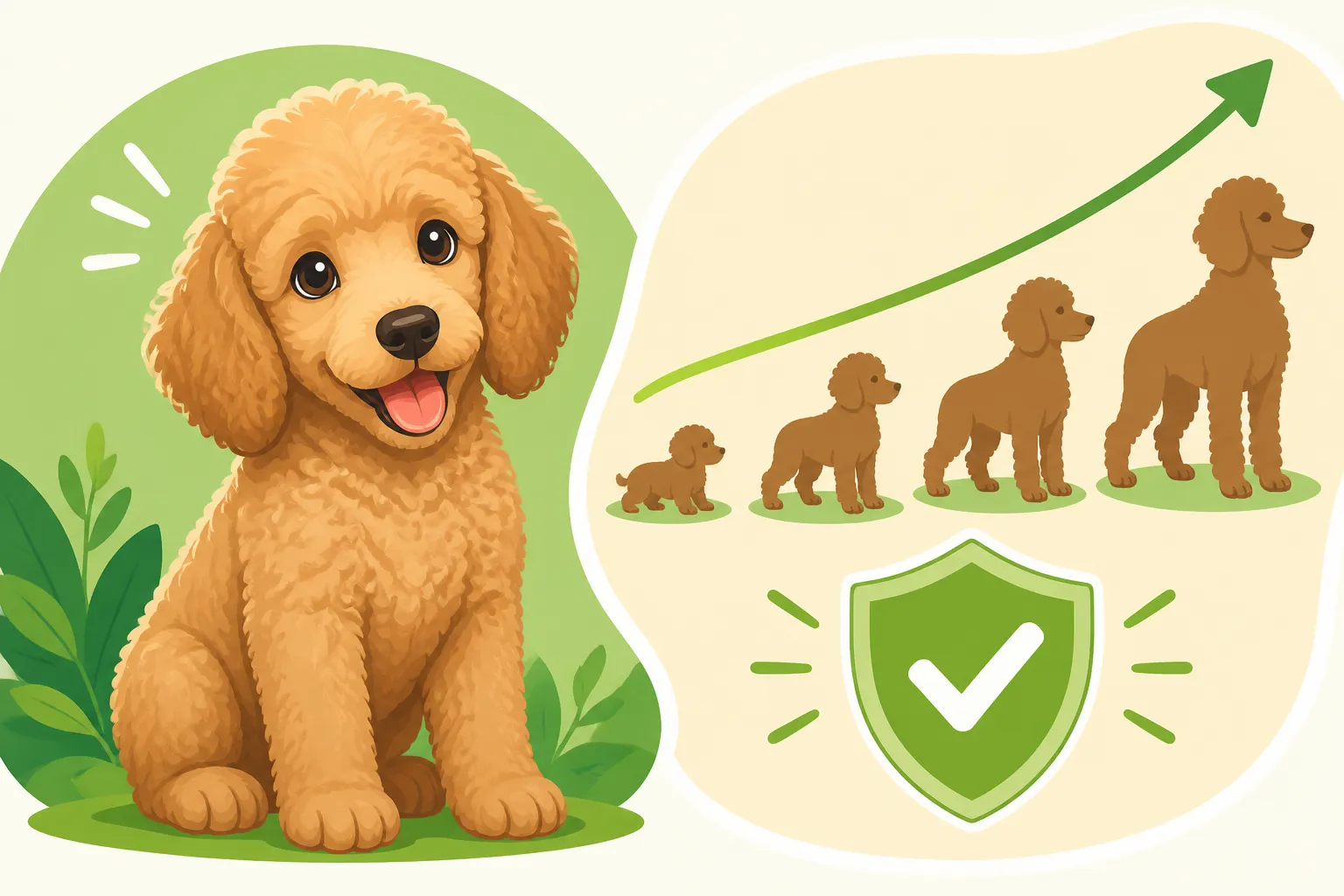
Why a Standard Poodle Puppy Should Grow Slowly
It’s a common sight for new Standard Poodle puppy parents to watch their adorable fluff ball grow at an astonishing rate. We all want our puppies to be big, strong, and healthy, and sometimes there's an instinct to encourage them to grow as fast as possible, perhaps by overfeeding or pushing them into intense exercise. However, for large and giant breeds like our beloved Standard Poodles, allowing them to grow too quickly can actually sow the seeds for significant health problems down the line. This guide will walk you through why a slow, steady growth rate is paramount for your Standard Poodle's long-term health and how you can achieve it.
The Hidden Risks of Rapid Growth in Standard Poodle Puppies
Watching a Standard Poodle puppy transform from a tiny, clumsy floof into a magnificent, leggy adolescent is one of life’s joys. They seem to sprout overnight! But beneath that rapid expansion, a lot of complex skeletal development is happening, and if it happens too fast, it can be incredibly detrimental. It's not about denying them nutrients, but rather ensuring they receive appropriate nutrients at a pace that their growing bodies can handle.
Skeletal Development and Growth Plates
Think of your puppy's bones as building blocks that are still being assembled. Throughout their long bones – those in the legs, for instance – are areas called growth plates (or physes). These are regions of cartilage where new bone tissue is produced, allowing the bone to lengthen. These plates are incredibly vulnerable because they haven't yet hardened into solid bone. They're literally the "soft spots" in their skeletal structure.
When a Standard Poodle puppy grows too rapidly, often fueled by excess calories, these growth plates are subjected to immense stress. The bones are trying to lengthen faster than the surrounding support structures, like muscles, tendons, and ligaments, can keep up. This can lead to a condition called osteochondrosis (OCD), where cartilage fails to develop into bone properly, creating flaps or lesions within the joint. These can be incredibly painful and often require costly surgeries to correct. The critical period for these issues is generally when they are rapidly growing, usually between four and eight months of age, but problems can manifest later too. Allowing for a slower, more controlled growth trajectory gives those growth plates the time they need to mature and ossify correctly, leading to stronger, healthier bones. You might be surprised to learn about Why Size Changes Which Diseases a Poodle Gets because of these differences in growth rates and ultimate size.
Joint Health: Dysplasia and Arthritis
The relationship between rapid growth and joint health, particularly hip and elbow dysplasia, is well-established in large breeds. Hip and elbow dysplasia are complex conditions influenced by genetics, but environmental factors, especially nutrition and exercise during growth, play a huge role in how severely these conditions manifest. When a Standard Poodle puppy grows too quickly, they often put on weight at an accelerated rate. This increased body mass exerts greater force on their still-developing joints.
Imagine a construction project where the foundation isn't fully set, but you're rapidly adding heavy stories on top. The structure will inevitably become unstable. Similarly, rapid weight gain and bone growth can cause the bones within a joint (like the femur head in the hip socket, or the bones of the elbow) to not fit together perfectly. This incongruence leads to abnormal wear and tear, inflammation, and eventual degeneration of the joint cartilage. This process is the hallmark of dysplasia, which can range from mild to severely debilitating, often leading to painful arthritis later in life. A slower growth rate helps ensure that the skeletal system matures at a more harmonious pace, giving all components of the joints a better chance to develop properly and remain stable, reducing the risk of these painful and often irreversible conditions. You can read more about Poodle Hip Dysplasia by Size and how it differs across the varieties.
| Growth Rate | Typical Outcome | Joint Health Impact | Energy Levels |
|---|---|---|---|
| Rapid Growth | Larger faster, heavier | Higher risk of hip/elbow dysplasia, OCD, early arthritis | Can lead to bursts of growth-related discomfort, reluctance to exercise |
| Slow, Steady Growth | Reaches adult size over appropriate timeline, healthier weight | Lower risk of developmental orthopedic diseases, better long-term joint health | Consistent, moderate energy suitable for age |
Understanding "Slow Growth" Nutrition for Your Standard Poodle
It's natural to want to give your puppy the best, and sometimes that translates into believing more is always better. However, when it comes to nutrition for growing Standard Poodles, "more" can actually be detrimental. The key isn't necessarily restricting food, but rather ensuring the right balance of nutrients that support gradual, healthy development.
The Protein and Calcium Conundrum
Many new puppy owners mistakenly believe that high protein or extra calcium will build stronger bones faster. While protein is essential for muscle development and calcium is critical for bone formation, it's the excess of certain nutrients, particularly calcium, that can cause problems for large breed puppies. A diet too high in calcium can disrupt the delicate balance of calcium and phosphorus in the body, leading to skeletal abnormalities.
When there's too much calcium, the body tries to absorb and process it all, which can interfere with bone remodeling and calcification processes. This can result in bones becoming overly dense in some areas, while other areas remain underdeveloped or prone to issues like OCD. It’s not that a Standard Poodle puppy needs less protein than other breeds, but rather the right amount in relation to calorie density. Most premium large breed puppy foods are formulated with this balance in mind. Over-supplementing with calcium or feeding adult dog food that might have an inappropriate calcium-to-phosphorus ratio for a growing puppy are common pitfalls that should be avoided. Instead, focus on a high-quality, complete, and balanced puppy food specifically designed for large breeds. You can often find a great selection of these on sites like Chewy, which makes comparing ingredients easy.
Balanced Large Breed Puppy Formulas
This is where specialized large breed puppy foods truly shine. Reputable dog food manufacturers formulate these diets with careful consideration for the unique growth needs of breeds like Standard Poodles. The primary difference often lies in a slightly lower calorie density and, crucially, controlled levels of calcium and phosphorus. The goal is to provide sufficient nutrients for growth without accelerating it unnaturally.
These formulas aim for a moderate protein level, typically around 23-26%, and a calcium percentage generally between 0.9% and 1.2% (on a dry matter basis), with a calcium-to-phosphorus ratio of roughly 1.1:1 to 1.4:1. These seemingly small differences are vital. By managing calorie intake, these foods help prevent the rapid weight gain that stresses developing joints. They provide the building blocks for strong bones and muscles, but at a pace that allows the growth plates and joints to mature correctly. Always check the guaranteed analysis on the food bag, and if you're unsure, ask your veterinarian for recommendations. Brands like Ollie often provide fresh, balanced options that can be tailored to your puppy's specific needs, but always verify they meet large breed puppy guidelines. You also want to make sure your Large Breed Formula for a Standard Poodle Puppy is appropriate for their expected adult size.
Practical Strategies for Managing Your Standard Poodle's Growth Rate
Knowing why slow growth is important is the first step, but implementing it can feel a bit daunting. The good news is that managing your Standard Poodle's growth rate involves practical, everyday decisions that are well within your control. It's about consistency and making informed choices about food and activity.
Portion Control and Feeding Schedule
This is arguably the most critical aspect of managing your Standard Poodle puppy's growth. Puppy food bags provide feeding guidelines, but these are just starting points. They don't account for individual metabolism, activity level, or genetics. Your goal should be to feed enough to maintain a lean body condition, where you can easily feel their ribs but not see them, and they have a discernible waist when viewed from above.
Instead of free-feeding, which can lead to overconsumption, establish a consistent feeding schedule. For young Standard Poodle puppies, this often means three meals a day. As they get older, around 6-12 months, you might transition to two meals a day, always with their designated large breed puppy formula. Weighing your puppy's food with a kitchen scale is far more accurate than using measuring cups and helps prevent accidental overfeeding. Remember that training treats add to their daily calorie intake, so factor those in. If you use a lot of treats, consider reducing their meal portions slightly, or opt for very small, low-calorie treats. Regularly assessing your puppy's body condition and adjusting their food intake accordingly is key. Don't let your puppy get chunky; a lean puppy is a healthy puppy when it comes to bone and joint development.
Controlled Exercise and Avoiding Overexertion
While regular exercise is vital for a Standard Poodle's mental and physical well-being, controlled exercise is the mantra for puppies. Their developing joints and growth plates are incredibly susceptible to injury from high-impact activities or prolonged strenuous exercise. Think quality over quantity.
For puppies, short, frequent walks on soft surfaces are ideal. A good rule of thumb is five minutes of structured exercise per month of age, twice a day. So, a four-month-old puppy would get two 20-minute walks. This isn't rigid, but it gives you an idea of moderation. Avoid forced running, jumping from heights (like off furniture or out of the car), or prolonged intense play with older, larger dogs that might be too rough. Playing fetch in the yard for short bursts is fine, but don't let them go full-speed for extended periods. Allow your puppy to self-regulate during play sessions. If they flop down, they're done. Introducing them to water for swimming can be a great, low-impact exercise once they are old enough and fully vaccinated, but again, keep sessions short. Protecting those delicate joints during their formative months will pay dividends in their adult life, allowing them to enjoy activities like Agility Club Fees for a Poodle without pain.
Monitoring Growth and Consulting Your Veterinarian
Being proactive in monitoring your Standard Poodle puppy's growth is just as important as the feeding and exercise strategies. Regular checks and knowing when to call your vet can prevent minor issues from becoming major problems. You are their first line of defense!
Regular Weight Checks and Body Condition Scoring
While your vet will weigh your puppy at appointments, it's a good idea to monitor their weight at home every few weeks, especially during their peak growth phase. However, a number on the scale doesn't tell the whole story. Body Condition Scoring (BCS) is a more accurate way to assess if your puppy is at a healthy weight.
You should be able to easily feel your Standard Poodle's ribs without pressing hard, like feeling the back of your hand. Their waist should be evident when you look down on them from above, and they should have an abdominal tuck when viewed from the side. If you can't feel their ribs, or if they look round or barrel-chested, they are likely overweight and need their food adjusted. Conversely, if their ribs are visibly prominent, they might not be getting enough. These checks are simple to do at home and become second nature over time. Keeping a log of their weight and body condition can be helpful to spot trends and discuss with your vet. This diligent monitoring helps ensure they stay within that healthy growth curve.
When to Consult Your Vet
Even with the best care, sometimes issues can arise, or you might simply have questions about your puppy's development. Your veterinarian is your most valuable partner in navigating your Standard Poodle's growth. Don't hesitate to reach out if you notice anything unusual.
Signs that warrant a vet visit include any lameness or limping, reluctance to play or exercise, swelling in joints, an unusual gait, or any signs of pain when they move. If your puppy seems lethargic or displays changes in appetite or mood that accompany their growth, it’s worth a call. It's also wise to discuss your puppy's specific diet and exercise plan with your vet at their routine check-ups. They can confirm if your chosen large breed puppy food is appropriate, help you refine portion sizes, and offer personalized advice based on your puppy's individual growth rate and overall health. Remember, a vet visit is always better than worrying alone, and early intervention for any growth-related issues can make a huge difference in outcomes. This careful approach also ensures you're on top of their Poodle Vaccination and Preventive Schedule and other routine health care.
Disclaimer
This article is for general informational purposes only and does not constitute professional advice. Laws, prices and regulations vary by location and change over time. Consult a qualified professional for guidance on your specific situation.