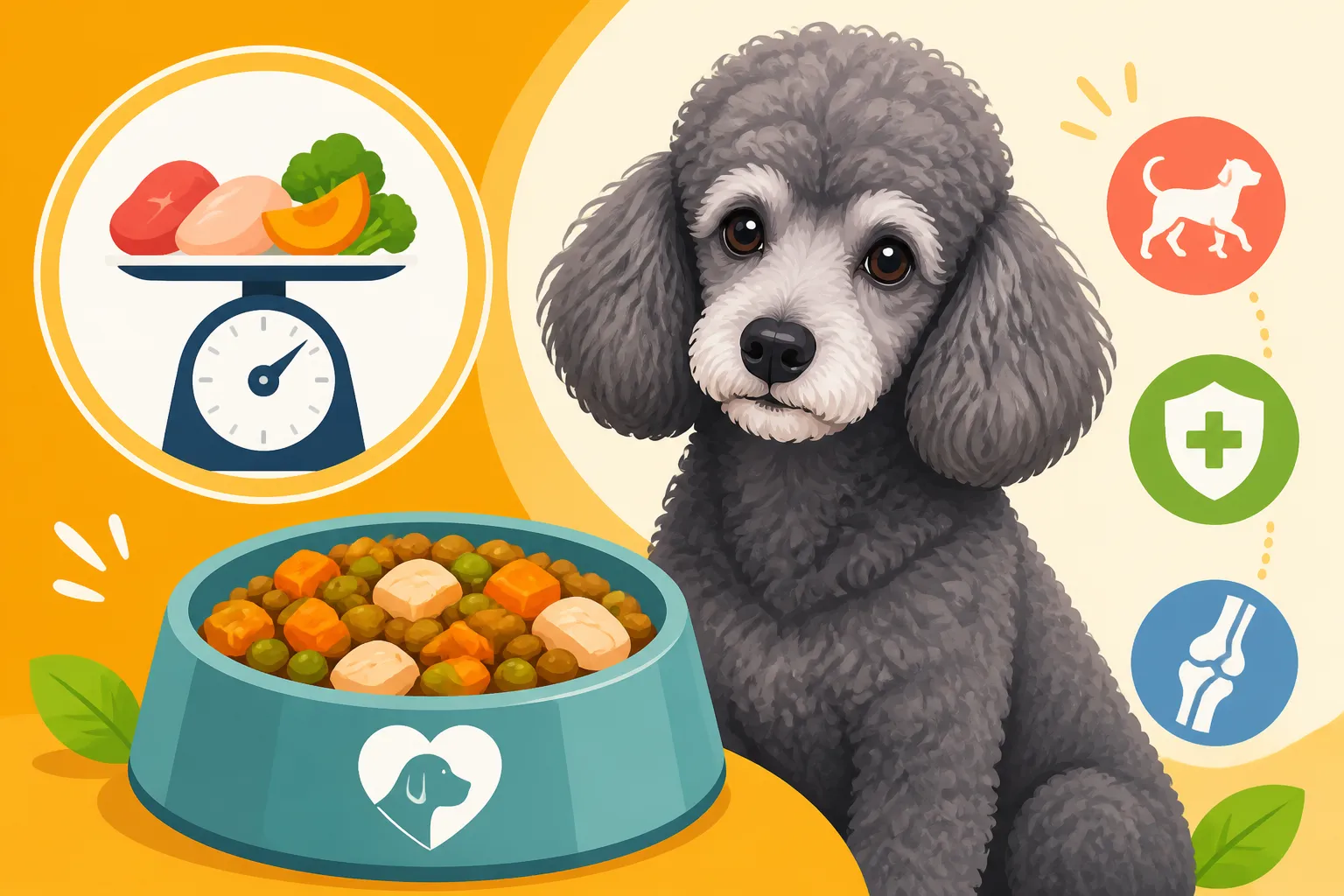
Calorie Needs of a Senior Poodle
It's heartbreaking to see our beloved Poodles slow down as they age, and often, one of the trickiest changes to navigate is their metabolism. You might find your senior Poodle gaining weight despite no change in their food, or perhaps they're losing weight and muscle, leaving you wondering how much to feed them to keep them healthy. This guide is here to walk you through the evolving calorie needs of senior Poodles, helping you understand these changes and adjust their diet to support their golden years.
Why Your Senior Poodle's Calorie Needs Change
As our Poodles gracefully enter their senior years, typically around seven to ten years old for Standard Poodles, and a bit later for Miniatures and Toys, their bodies undergo a lot of subtle shifts. These changes directly impact how many calories they need to stay healthy, and it's something many Poodle parents grapple with. It’s not just about a slower pace; it's a whole metabolic recalibration.
The Slowdown: How Metabolism Shifts with Age
Think about how your own energy levels change as you get older. It’s similar for our Poodles. Their metabolic rate, which is the speed at which their body converts food into energy, naturally slows down. This means they simply don't burn calories as quickly as they did in their younger, more boisterous days. You might be feeding the exact same amount of food that kept them trim for years, only to find them starting to put on a few extra pounds. This isn't a reflection on your care; it's just biology doing its thing. Their bodies become more efficient at storing energy, and less efficient at burning it off.
This metabolic shift is one of the biggest reasons why a senior Poodle's diet needs careful adjustment. Continuing to feed a high-calorie adult formula in the same quantities can quickly lead to weight gain, which exacerbates other age-related issues. It’s a common frustration, feeling like you’re doing everything the same but getting different results, but understanding the underlying physiological change is the first step in addressing it.
Muscle Loss and Its Impact
Another significant factor affecting calorie needs in older Poodles is sarcopenia, the age-related loss of muscle mass. Even if your Poodle maintains their weight, they might be losing muscle and gaining fat, which is a less metabolically active tissue. Muscle requires more calories to maintain than fat, so as muscle mass declines, so does the overall caloric requirement. This is especially noticeable in active breeds like Poodles, who might have been muscular and lean for years.
This muscle loss isn't just about aesthetics; it impacts their strength, mobility, and overall quality of life. Maintaining as much muscle as possible is crucial for supporting their joints and keeping them active. Therefore, while total calories might decrease, the quality of those calories, particularly protein content, becomes even more important. A diet rich in high-quality protein can help slow down muscle wasting, even if the total caloric intake is lower. We want to nourish their bodies to preserve that lean mass as much as we can.
Activity Levels and Energy Expenditure
Let's be honest: while Poodles are generally active dogs throughout their lives, a senior Poodle typically isn't doing zoomies around the house for hours a day or spending as much time fetching as they once did. Their activity levels naturally decrease due to various factors like arthritis, Cognitive Decline in an Old Poodle, or just a general reduction in stamina. Fewer walks, shorter play sessions, and more time spent napping directly translate to fewer calories burned.
This reduced energy expenditure means the "energy in" (food) needs to be carefully balanced with the "energy out" (activity). If your Poodle's daily strolls have turned into leisurely sniff-fests, or their intense games of tug have become gentle chew sessions, their caloric intake needs to reflect that change. It’s about meeting them where they are now, not where they were five years ago. Ignoring this shift is a primary cause of unwanted weight gain in senior dogs, which then places extra strain on their aging joints and organs.
How to Estimate Your Senior Poodle's Daily Calories
Once you understand why your Poodle's calorie needs are changing, the next step is figuring out how much to feed them. This isn't an exact science without a veterinary professional, but you can certainly make informed adjustments at home.
Basal Metabolic Rate and Beyond
The true scientific calculation for a dog's caloric needs starts with their Basal Metabolic Rate (BMR) – the energy their body needs just to function at rest. From there, activity multipliers are applied. For us pet parents, diving into complex formulas can be overwhelming. Instead, we typically rely on recommendations from veterinary experts and reputable pet food manufacturers, which often provide guidelines based on weight, age, and activity level.
The key is to remember that these are starting points. Every Poodle is an individual. A ten-year-old Toy Poodle who still loves chasing squirrels in the yard will likely need more calories than a ten-year-old Standard Poodle who prefers to nap all day. It’s about a careful balance and observation, rather than a rigid number. Think of it as a dynamic target that will adjust over time.
Factors Influencing Individual Needs
While there are general guidelines, several factors will finetune your Poodle's specific calorie requirements:
- Size: A Standard Poodle, even a senior one, will naturally need more calories than a Toy or Miniature Poodle due to their larger body mass. The sheer volume of tissue to maintain is different.
- Current Weight: Is your Poodle already overweight, underweight, or at an ideal body condition? If they are carrying extra pounds, their initial calorie intake might need to be lower to promote healthy weight loss. If they are underweight, a slight increase might be warranted. Feel for their ribs; you should be able to feel them easily but not see them protruding. You can also refer to guides like Feeling Ribs Under a Thick Poodle Coat for more detailed advice on assessing body condition.
- Activity Level: Even within "senior," there's a spectrum. A Poodle with mild arthritis might still enjoy a brisk walk, while another might be limited to short potty breaks.
- Health Conditions: Certain medical conditions can drastically alter metabolic needs. For instance, a Poodle with Hypothyroid Symptoms in a Poodle might have a significantly slower metabolism and gain weight easily, requiring a much lower caloric intake. Conversely, a Poodle battling a chronic illness might need more calories to maintain weight. Always discuss any health concerns with your vet, as they can guide you on specific dietary adjustments.
- Medications: Some medications can affect appetite or metabolism. If your Poodle is on long-term medication, ask your vet if it impacts their dietary needs.
Considering all these individual nuances is why a "one-size-fits-all" approach simply doesn't work for senior Poodles. A personalized approach, ideally developed with your veterinarian, is always best.
Here's a general guideline for senior Poodle calorie ranges, but please consult your veterinarian for precise recommendations:
| Poodle Size | Approximate Weight Range | Estimated Daily Calorie Needs (Sedentary Senior) | Estimated Daily Calorie Needs (Active Senior) |
|---|---|---|---|
| Toy Poodle | 4-10 lbs (1.8-4.5 kg) | 120-250 calories | 150-300 calories |
| Miniature Poodle | 10-15 lbs (4.5-6.8 kg) | 250-350 calories | 300-450 calories |
| Standard Poodle | 40-70 lbs (18-32 kg) | 600-900 calories | 800-1100+ calories |
This table provides very rough estimates. Individual needs vary widely. Factors like specific health conditions (e.g., diabetes, kidney disease), climate, and precise activity levels will all influence the actual daily requirement. Always consult your veterinarian for a personalized feeding plan.
Adjusting Your Senior Poodle's Diet for Optimal Health
Once you have a better idea of the calorie range, it's time to translate that into practical feeding strategies. This isn't just about cutting back; it's about optimizing their nutrition for longevity and comfort.
Choosing the Right Senior Formula
This is where the rubber meets the road. Most reputable pet food brands offer "senior" or "senior weight management" formulas, and for good reason. These diets are specifically formulated to address the unique needs of aging dogs. Look for:
- Lower Calorie Density: This is crucial. Senior foods are designed to be less caloric per cup or can, allowing you to feed a satisfying portion without overdoing the calories.
- Higher Protein Content: Despite needing fewer total calories, senior Poodles benefit from higher quality, easily digestible protein to help combat muscle loss (sarcopenia).
- Joint Support Ingredients: Many senior formulas include glucosamine and chondroitin, Omega-3 fatty acids (like EPA and DHA), and other ingredients to support joint health and reduce inflammation, which is vital for Poodles who may be developing arthritis.
- Digestibility: Older dogs can have more sensitive digestive systems. Look for ingredients that are easy to digest to ensure they're absorbing nutrients efficiently.
- Fiber: A moderate amount of fiber can help promote satiety and maintain healthy bowel function.
When selecting a food, consider the wide range available from retailers like Chewy, which carries a vast selection of senior-specific kibbles, wet foods, and even prescription diets if your vet recommends one. If you're considering fresh food options, services like Ollie are becoming increasingly popular for their tailored, human-grade meals which can be excellent for palatability and digestion in older Poodles. Always introduce new foods gradually over several days to avoid upsetting their stomach.
Portion Control and Meal Frequency
This might sound obvious, but accurate portion control is absolutely critical for senior Poodles. Eyeballing food portions is a recipe for weight gain. Invest in a proper measuring cup and use it for every meal. Even better, a small kitchen scale can provide the most accurate measurements, especially for dense kibbles. If your Poodle needs to lose weight, your vet might recommend reducing their current intake by a small percentage (e.g., 10-20%) rather than drastically cutting it, as this can be too sudden.
Consider dividing their daily caloric intake into two or even three smaller meals throughout the day, rather than one large one. This can aid digestion, help stabilize blood sugar, and reduce feelings of hunger. For Toy Poodles, especially, small frequent meals can be beneficial.
And let's talk about treats – those irresistible little rewards. It's so easy to shower our senior Poodles with treats out of love, but those calories add up! Account for treats in their daily caloric budget. Choose low-calorie options like small pieces of cooked chicken, carrots, or green beans, or look for commercially available low-calorie senior treats. Puzzle feeders, easily found on Amazon, can also slow down mealtime and provide mental stimulation without adding extra calories. For more on this, you might find Portion Control for a Poodle helpful.
Monitoring Weight and Health
Dietary adjustments for a senior Poodle are an ongoing process, not a one-time fix. Regular monitoring is essential to ensure your Poodle is thriving.
- Weekly Weight Checks: Invest in a pet scale (for smaller Poodles) or use your own bathroom scale to weigh yourself, then weigh yourself holding your Poodle, and subtract the difference. Record their weight weekly. Consistent weight is a good sign. Unexplained weight loss or gain should always prompt a vet visit.
- Body Condition Scoring: Beyond the number on the scale, regularly assess their body condition. Can you easily feel their ribs without seeing them? Do they have a clear waist when viewed from above? Is their tummy tucked up when viewed from the side? These visual and tactile cues are often more important than the exact weight number.
- Regular Veterinary Check-ups: Senior Poodles should ideally have vet check-ups every six months, not just annually. These visits allow your vet to monitor their weight, conduct blood work to check organ function (like thyroid, kidney, and liver, which can impact metabolism), and assess for developing conditions like arthritis or Cataracts in a Diabetic Poodle. Catching issues early can prevent them from becoming serious and ensure their diet is always appropriate. This kind of proactive care is a sound investment, as discussed in Yearly Routine Vet Spend for a Poodle.
By meticulously monitoring their weight and overall health, you can make timely, informed adjustments to their diet, ensuring they receive precisely the right amount of nutrition to support their senior years.
Common Pitfalls and How to Avoid Them
Even with the best intentions, it's easy to fall into common traps when managing a senior Poodle's diet. Being aware of these can help you sidestep them and keep your Poodle healthy and happy.
Overfeeding Out of Love
This is perhaps the biggest and most understandable pitfall. We love our Poodles fiercely, and as they age, we want to comfort them, spoil them, and make their golden years as pleasant as possible. This often translates into extra treats, larger portions, or sharing more human food. However, this well-meaning generosity can inadvertently lead to Poodle Obesity and Its Consequences, which then exacerbates issues like arthritis, heart disease, and diabetes. It's a tough balance between showing affection and maintaining health.
Instead of food, lavish your senior Poodle with extra gentle grooming sessions (they often enjoy the calm attention), comfortable naps on your lap, or short, enjoyable walks tailored to their comfort level. A kind word and a belly rub mean just as much as a treat, if not more. If you struggle with this, try pre-portioning their daily treat allowance in a separate container each morning so you know exactly how much you have left to give.
Ignoring Dental Health
A Poodle's ability to eat comfortably and digest their food efficiently is heavily reliant on good dental health. As dogs age, dental disease becomes increasingly common. Plaque and tartar buildup can lead to gum inflammation, pain, and even tooth loss. A Poodle with painful teeth might refuse to eat, struggle with hard kibble, or swallow food whole, all of which can affect their nutrient intake. Why Small Poodles Lose Teeth Early is a common issue for smaller Poodles, but it affects all sizes.
Regular dental care, including brushing their teeth at home with dog-specific toothpaste and regular professional dental cleanings under anesthesia, is paramount. If your senior Poodle has significant dental issues, your vet might recommend a softer diet, such as wet food or kibble moistened with warm water, to make eating more comfortable. Never underestimate the impact of a healthy mouth on overall well-being and appetite. You can find more comprehensive advice on Dental Care for a Small Poodle.
Lack of Regular Veterinary Oversight
While we’ve touched on it already, the importance of regular veterinary check-ups for senior Poodles cannot be stressed enough. It’s a common mistake to think that if your Poodle seems okay, an annual visit is sufficient. However, things can change quickly in their senior years. A subtle symptom you might dismiss as "just old age" could be the early sign of a treatable condition. For instance, a small change in appetite or thirst could signal kidney issues, or a decrease in activity might point to an undiagnosed joint problem.
Your vet is your most valuable partner in navigating your Poodle's senior years. They can perform diagnostic tests, assess their overall health, and make specific recommendations for diet, supplements (like those mentioned in Joint Supplements Worth Giving a Poodle), and exercise. They can also help you develop a Caring for an Aging Poodle plan that evolves as your Poodle does. Investing in these routine checks is the best way to ensure your senior Poodle receives the best possible care and enjoys their golden years to the fullest.
Disclaimer
This article is for general informational purposes only and does not constitute professional advice. Laws, prices and regulations vary by location and change over time. Consult a qualified professional for guidance on your specific situation.