Using a High Velocity Dryer on a Poodle
One of the most common frustrations Poodle owners face after a bath is that their dog’s beautiful, curly coat seems to take an eternity to dry. And if you don't dry it properly, the next thing you know, you're battling a matting nightmare. This guide is all about mastering the high-velocity dryer, your secret weapon against wet, matted Poodle hair, ensuring a perfectly fluffy, healthy coat every time.
Why a High-Velocity Dryer is Non-Negotiable for Poodle Owners
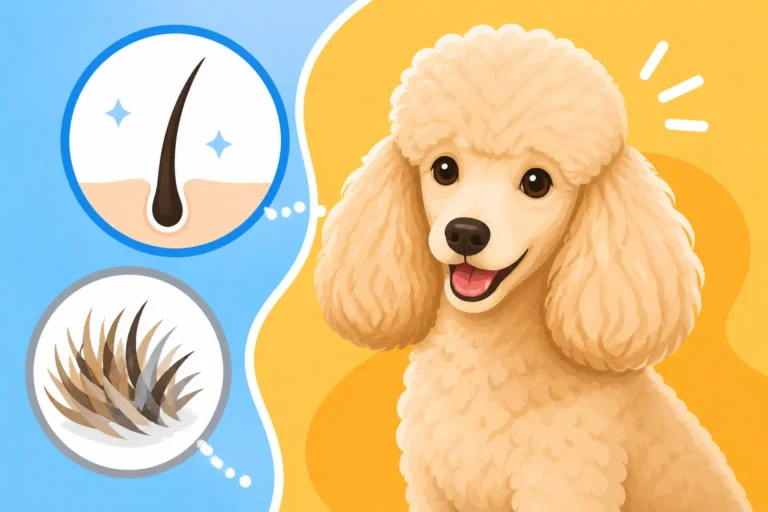
Let's be real, the Poodle coat isn't just "fur" – it's hair, and it behaves much more like human hair than the typical double coat of many other breeds. This unique characteristic, while wonderful for allergy sufferers and those who don't want shedding tumbleweeds, also comes with its own set of care demands. Trying to air dry a Poodle is like trying to air dry a thick, curly human wig after a wash; it's just not going to end well.
The Problem with Air Drying a Poodle
Imagine washing your own long, thick, curly hair and then just letting it air dry without brushing or styling. What happens? It clumps, it frizzes, and it might even develop knots. Now, magnify that by a thousand for your Poodle, whose hair grows continuously and is dense right down to the skin. If you allow a Poodle's coat to air dry, especially without thorough line brushing, what you'll get is a disaster waiting to happen. The curls naturally coil up, trapping moisture close to the skin. As the water evaporates slowly, these tight coils intertwine with each other and the loose hair that would normally shed (but stays trapped in the curls), forming incredibly stubborn mats. These aren't just surface mats; they can be deep, painful mats that pull on your dog’s skin, restrict movement, and lead to skin infections due to lack of air circulation. It's a prime reason many Poodles end up being shaved down at the groomer, which is heartbreaking when you want to maintain a specific style. This is why understanding Why a Poodle Coat Mats Instead of Shedding is so crucial.
The Benefits Beyond Just Drying
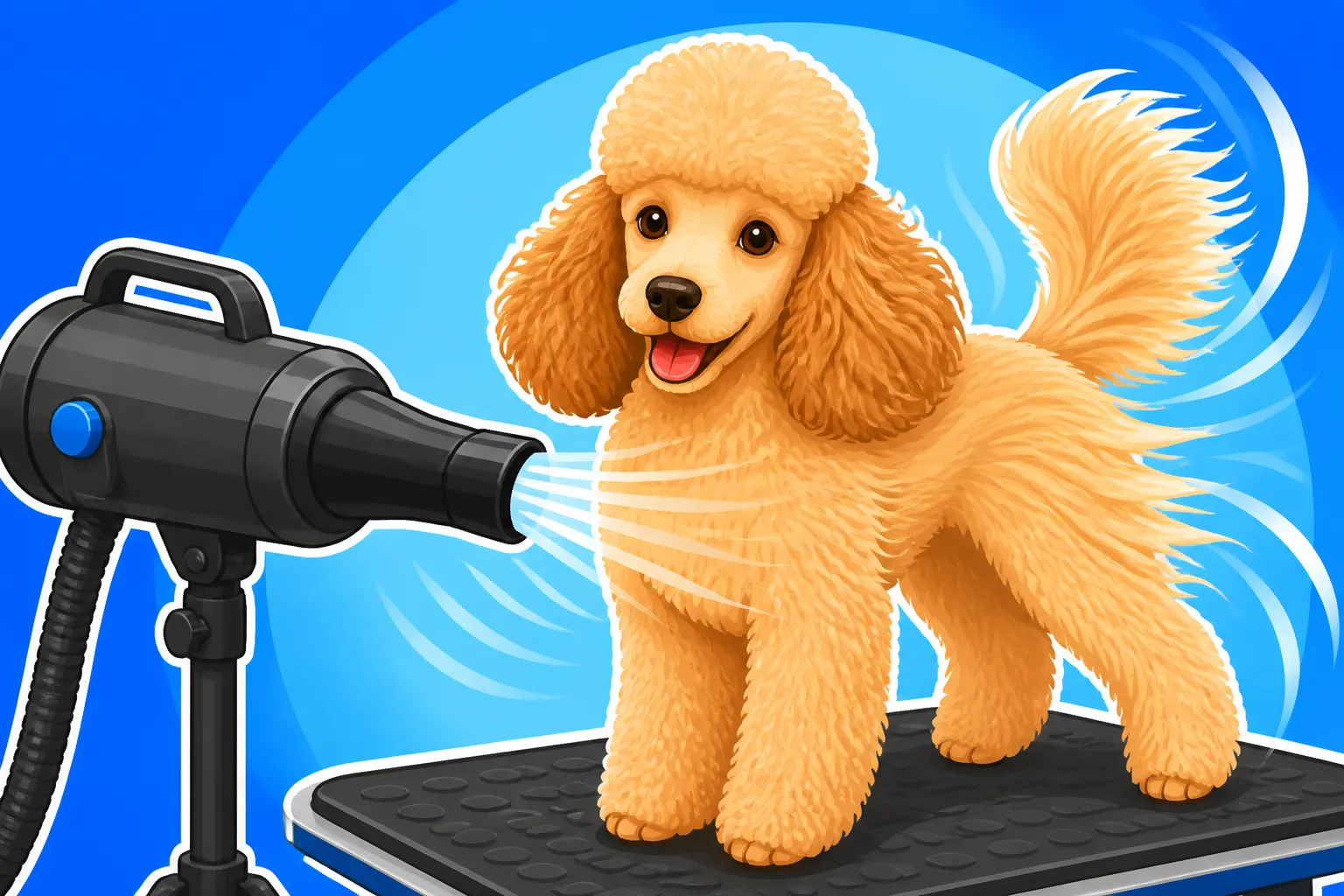
A high-velocity dryer, often called a force dryer, doesn't just dry your Poodle faster; it actively prevents matting and promotes coat health. These dryers don't use heat as their primary drying mechanism (though some produce a little warmth from the motor); instead, they rely on powerful, concentrated airflow. This force literally blasts water off the hair shaft and separates individual strands. As you work the dryer through the coat while brushing, it helps to straighten the curls, allowing for proper line brushing right down to the skin. This action effectively "blows out" any loose hair and prevents the curls from forming those tight, mat-prone coils. It also stimulates blood flow to the skin, which can contribute to a healthier, shinier coat over time. Think of it as a crucial step in maintaining The Poodle Coat and Why It Never Stops Growing in its best condition.
Saving Time and Money in the Long Run
While the initial investment in a good high-velocity dryer might seem like a lot, it pays for itself many times over. Without one, you're either spending hours trying to towel dry (ineffectively) and then painstakingly brush out mats, or you're paying a professional groomer every few weeks. Grooming costs for Poodles can add up quickly, especially for larger Standards or those in complex clips. By learning to properly use a high-velocity dryer at home, you can significantly extend the time between professional grooming appointments, saving you a substantial amount of money. More importantly, it saves your Poodle from the discomfort and stress of having painful mats removed or the necessity of a full shave-down. It also makes your regular at-home grooming routine – which should include regular brushing – much more effective and less frustrating. You'll spend less time fighting tangles and more time enjoying your beautifully groomed companion.
| Drying Method | Speed of Drying | Mat Prevention | Coat Health Impact | User Effort | Cost (Initial) | Poodle Suitability |
|---|---|---|---|---|---|---|
| Air Drying | Very Slow | Poor | Leads to skin issues | Low | Free | Not Recommended |
| Standard Human Hair Dryer | Slow | Poor | Frizz, heat damage | High | Low | Not Recommended |
| High-Velocity Dryer | Fast | Excellent | Promotes healthy coat | Moderate | Moderate-High | Essential |
| Professional Groomer | Very Fast | Excellent | Best overall | Low | High (per visit) | Recommended |
Getting Your Poodle Acclimated to the High-Velocity Dryer
The sound and force of a high-velocity dryer can be quite startling for a Poodle, especially if they haven't been introduced to it properly. It's loud, it's powerful, and for a sensitive Poodle, it can feel like a monster. The key here is patience, positive reinforcement, and a gradual approach. Don't rush it, or you risk creating a Poodle who dreads bath time. Just as you would with Desensitizing a Poodle to Clippers, a slow, steady approach is your best friend.
Starting Early and Making it Positive
If you have a Poodle puppy, you're in an ideal position to introduce the dryer from a young age. Their critical socialization window is typically before 16 weeks, meaning they are more open to new experiences during this time. Start with the dryer turned off, simply letting them sniff it. Give treats. Then, turn it on in another room or far away on a low setting, associating the distant hum with positive things like their favorite toys or high-value treats. Keep sessions short, positive, and always end on a good note. Even for an adult Poodle, this same principle applies. You're trying to build a positive association, not force compliance.
Once your Poodle tolerates the sound, even from a distance, gradually bring the dryer closer while it's running on a low setting. Don't point the nozzle directly at them yet. Just let them get used to the noise and vibration in proximity. Use a calm, reassuring voice. Shower them with praise and small, tasty treats. The goal is for them to see the dryer as a source of good things, not something to fear. Many Poodles are incredibly sensitive, and forcing the issue will only make them Why a Poodle Fears the High Velocity Dryer even more.
Essential Gear for a Smooth Introduction
Beyond the high-velocity dryer itself, there are a few other items that will make this process smoother for both you and your Poodle.
- Noise-Reducing Ear Protection: This is absolutely critical. Poodles have sensitive hearing, and the high-pitched whine of a powerful dryer can be overwhelming. Ear muffs or snoods designed for dogs can make a huge difference in their comfort level. Many options are available on marketplaces like Amazon or specialized pet retailers like Chewy.
- Grooming Table with Arm: This elevates your Poodle, making it easier to work on them without bending over constantly. The arm allows you to secure them safely with a grooming loop, preventing them from jumping off or squirming too much. Safety is paramount, especially when handling a powerful piece of equipment.
- Slicker Brush and Greyhound Comb: You'll need these to line brush as you dry. A good quality slicker brush will help detangle and separate the coat, while a metal comb (often called a Greyhound comb) will ensure you're getting right down to the skin.
- High-Value Treats: Keep a steady supply of their absolute favorite treats on hand. Small, soft, and easy-to-chew treats are best for quick rewards.
- Towel: Always start by towel-drying your Poodle thoroughly to remove excess water before the force dryer comes out. This reduces drying time and makes the process more efficient. A good absorbent towel from Ollie or other brands can cut down on drying time significantly.
The Gradual Desensitization Process
Once your Poodle is comfortable with the dryer's sound and presence, you can start introducing the airflow.
- Start with the least sensitive areas: Begin with the dryer on the lowest setting, holding the nozzle several inches away from your Poodle's body. Direct the air towards their back or hindquarters first, areas where they are typically less sensitive. Avoid the face, ears, and genitals initially.
- Short bursts: Use very short bursts of air, immediately followed by praise and a treat. Turn the dryer off, let them relax, then repeat. Gradually increase the duration of the bursts as they become more comfortable.
- Introduce the brush: Once they tolerate the air, begin to incorporate your slicker brush. As you dry a small section, brush through it simultaneously. This teaches them to associate the dryer with the brushing process, which is essential for mat prevention. Remember to always Brush a Poodle to the Skin.
- Gradually increase power and duration: Over multiple sessions, slowly increase the dryer's power setting and the length of time you're drying each area. Always watch your Poodle's body language for signs of stress (tail tucked, ears back, lip licking, panting). If they show discomfort, back off and go back to a level they were comfortable with.
- Work sensitive areas last: The face, ears, and paws are often the most sensitive. Save these for when your Poodle is completely relaxed with the rest of the body drying. Use the lowest setting possible for these areas and consider cupping your hand over their ears or eyes for extra protection.
- Consistency is key: Regular, short, positive drying sessions, even when they don't need a full bath, can help reinforce the positive association. A quick blow-dry of the paws after a rainy walk can be a great way to practice.
Mastering the Art of High-Velocity Drying Your Poodle
Now that your Poodle is getting comfortable with the dryer, it’s time to learn the techniques that will give you that professional-looking finish and keep their coat healthy and mat-free. This isn't just about blowing air; it's about strategic drying and brushing.
Pre-Drying Prep: The Importance of a Clean Coat
Before you even think about the high-velocity dryer, proper bathing is paramount. You can't effectively dry a dirty or poorly rinsed Poodle.
- Thorough Bathing: Use a good quality shampoo and conditioner designed for dogs. Lather up well, ensuring the product gets right down to the skin. Bathing Frequency for a Poodle depends on lifestyle, but each bath must be thorough.
- Rinsing, Rinsing, Rinsing: This is where many owners fall short. Shampoo and conditioner residue left in the coat can lead to skin irritation and can actually make the coat feel sticky and prone to matting. Rinse until the water runs completely clear and the coat feels squeaky clean. Then rinse again for good measure. Check out Rinsing Product Out of a Poodle Coat for more details.
- Towel Dry Vigorously: Before turning on the force dryer, use super absorbent towels to soak up as much water as possible. Blot and squeeze the coat gently, rather than rubbing, which can create tangles. The less water in the coat, the faster and easier the force drying process will be.
Technique for Straightening and De-shedding
The goal with a high-velocity dryer is not just to get the coat dry, but to straighten each strand of hair, making it fluffy and easy to comb, while also blowing out any dead undercoat or loose hair.
- Section by Section: Just like a human hairdresser, you'll want to work in sections. Start with one leg, or a portion of the body. Pin up or clip back the hair you're not currently working on.
- Angle the Nozzle: Hold the nozzle close to the coat, pointing it against the direction of hair growth. This helps lift the hair from the skin, ensuring you dry right down to the root, which is essential for preventing mats. You're effectively "stretching" the hair straight with the force of the air.
- Simultaneous Brushing: As you dry a section, use your slicker brush to constantly brush that section. You're trying to achieve a "line brush" effect, where you brush down to the skin, separating the hair layer by layer. The dryer helps to open up the coat, making the brushing much more effective. Continue brushing and drying until that section is completely dry and feels light and fluffy.
- Check with a Comb: After you believe a section is dry and brushed, take your metal comb and try to comb through it from root to tip. If the comb snags, it means there's still moisture or a tangle. Go back with the dryer and slicker brush until the comb glides through smoothly. This is the gold standard for knowing your Poodle is truly dry and mat-free. This process is similar to Straightening a Poodle Coat for Clipping.
- Move Systematically: Work your way across your Poodle's body, section by section. Don't jump around. A common mistake is to dry the surface of the coat, leaving the hair closest to the skin damp, which inevitably leads to matting later.
- De-Shedding Action: The force of the dryer will literally blast out any loose hair from the undercoat. You'll see a surprising amount of hair flying off, especially if your Poodle is blowing coat. This is a good thing – it's hair that won't end up as mats!
Tackling Different Poodle Clips and Areas
The basic technique remains the same, but you might adjust your approach slightly depending on your Poodle's clip and sensitive areas.
- Longer Clips (e.g., show clips, longer pet clips): These require even more meticulous sectioning and line brushing. The longer the hair, the more crucial it is to ensure every strand is dry and straight to prevent matting. For areas with pom-poms or bracelets, you'll still need to dry and brush these thoroughly, focusing on the hair at the base of the pom-pom.
- Shorter Clips (e.g., Kennel clip, Puppy clip): While shorter hair is less prone to matting, it's still important to dry thoroughly to the skin to prevent skin issues and ensure a uniform, fluffy finish. The process will simply be quicker. If you're wondering about Choosing a Clip for a Pet Poodle, consider how much drying time you're willing to commit.
- Face and Head: This is often the most challenging area. Use the lowest setting on your dryer. You can direct the air away from the eyes and nose. Many Poodles will tolerate the chin and neck area first. Use your free hand to gently hold their muzzle if needed, and give constant praise and treats. Ear protection is a must here.
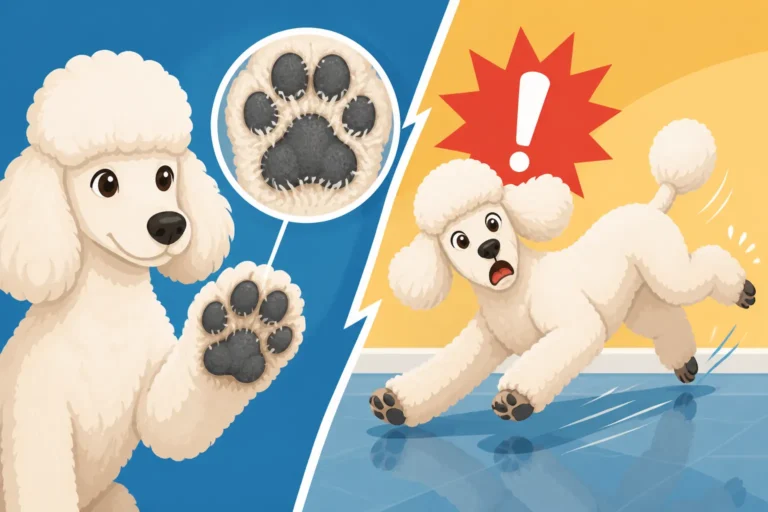
- Paws and Feet: These areas can be tricky because Poodles are often sensitive about their feet. Again, low setting, short bursts. Fan the toes out and make sure the hair between the paw pads is dry. Matted paw pad hair can be uncomfortable and cause slipping.
- Tail: The tail hair often gets overlooked but can mat easily. Dry it thoroughly, brushing out the plume until it's light and airy.
Safety First: Tips and Troubleshooting for Poodle Drying
While high-velocity dryers are incredibly effective, they are powerful tools, and safety should always be your top priority. Accidents can happen, and you want to ensure your Poodle's comfort and well-being throughout the process.
Protecting Ears and Eyes
As mentioned earlier, Poodles have very sensitive hearing. The roar of a high-velocity dryer can be distressing and potentially damaging to their ears without protection.
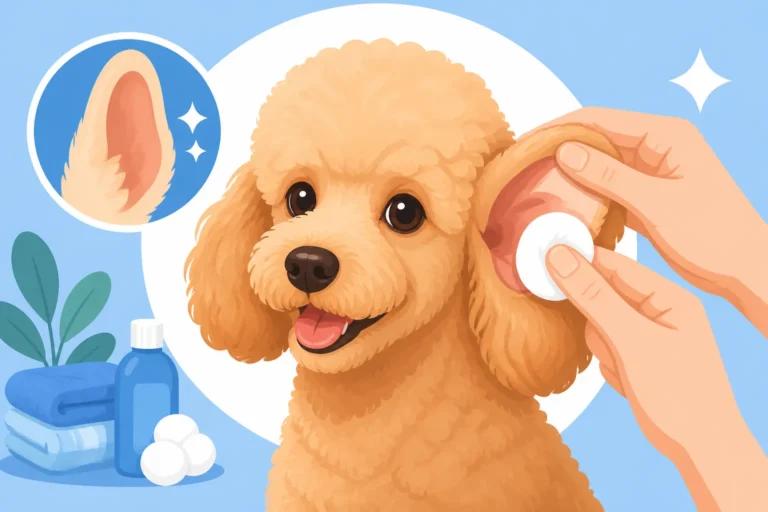
- Ear Protection is a Must: Always use dog-specific ear muffs or a snood that covers their ears. These are readily available from pet supply stores or online retailers like Amazon. Make sure they fit snugly but comfortably. Even with protection, some Poodles might still be bothered by the vibration, so be observant.
- Eye Protection (Optional but Recommended): While less common than ear protection, some owners use dog goggles, especially for Poodles with particularly prominent eyes, to protect them from the forceful air or any debris that might be dislodged from the coat. At the very least, always angle the nozzle away from their face and avoid direct blasts into their eyes. The force of the air can also dry out their eyes quickly, causing discomfort.
Avoiding Overheating and Skin Irritation
While most high-velocity dryers are designed to use airflow rather than direct heat, the motor can generate some warmth, and prolonged drying in one spot can still cause issues.
- Keep the Nozzle Moving: Never hold the dryer in one spot for an extended period. Continuously move the nozzle back and forth, allowing the air to circulate. This prevents any single area from getting too warm and avoids "hot spots" on the skin.
- Monitor Skin Temperature: Periodically touch your Poodle's skin (not just the top of the coat) to ensure it's not getting too warm. If it feels hot, take a break or reduce the dryer's power.
- Watch for Redness: After drying, inspect your Poodle's skin for any redness or irritation, especially in sensitive areas like armpits, groin, or behind the ears. Clipper burn can happen from improper clipping, but dryer irritation can also occur if too much heat or force is applied to one spot.
- Adequate Ventilation: Ensure you're drying your Poodle in a well-ventilated area. This helps dissipate any heat and keeps you both more comfortable.
- Hydration: Make sure your Poodle has access to fresh water before and after their bath and drying session, as the process can be tiring.
Common Challenges and How to Overcome Them
Even with the best intentions, you might run into some bumps in the road.
- Fearful or Anxious Poodles: If your Poodle is highly anxious, refer back to the desensitization steps and be extra patient. Consider shorter sessions, more frequent breaks, and even enlist the help of a second person to distract with treats while you dry. For extreme cases, consulting with a professional positive reinforcement trainer or a veterinary behaviorist might be beneficial. Sometimes, a calming vest or a quick calming supplement (vet-approved, of course) can help take the edge off for extremely stressed dogs.
- Mats You Missed: Despite your best efforts, sometimes a small mat escapes detection during the bath or initial towel dry. If you hit a mat with the high-velocity dryer, stop immediately. The force of the air can tighten the mat further and make it impossible to brush out, pulling painfully on the skin. Use a detangling spray and carefully work the mat out with your comb and slicker brush before resuming the dryer. Remember, How Often a Poodle Must Be Brushed between baths is key to preventing these surprises.
- Static Electricity: Especially in dry climates or during winter, static electricity can be an issue, making the hair fly and difficult to manage. A common trick is to lightly mist the coat with a diluted conditioning spray or an anti-static spray while drying. You can also ground yourself by touching a metal object (if safe to do so) before touching your Poodle.
- Fatigue (Yours and Theirs!): Drying a Poodle, especially a Standard Poodle in a longer clip, can be a workout. Both you and your dog might get tired. Don't be afraid to take breaks. Let your Poodle get down, stretch, have a drink, and then resume. It's better to have a slightly longer, pleasant session than a rushed, stressful one. Bathing and Drying a Poodle should be a bonding experience, not a wrestling match.
By understanding the unique needs of the Poodle coat and applying these techniques with patience and care, you'll soon become a pro at using a high-velocity dryer, ensuring your Poodle always looks and feels their best!
Disclaimer
This article is for general informational purposes only and does not constitute professional advice. Laws, prices and regulations vary by location and change over time. Consult a qualified professional for guidance on your specific situation.