Coats and Sweaters for a Clipped Poodle
It's a common dilemma for Poodle owners who love to keep their furry friends in a shorter clip: when the weather turns cold or the sun beats down, a sudden wave of worry can wash over you. You might find yourself wondering if your once-fluffy Poodle is now shivering, or if their freshly shaven skin is at risk of a nasty sunburn. This guide is all about equipping you with the knowledge to comfortably and confidently dress your clipped Poodle for any condition, ensuring their comfort and safety year-round.
Why a Clipped Poodle Needs Extra Protection
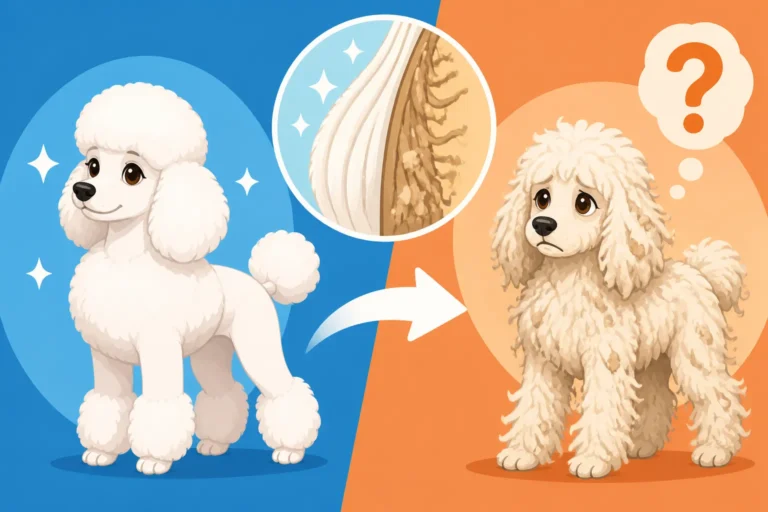
Poodles, with their glorious, continuously growing hair, are truly unique in the canine world. This amazing coat, when kept long, actually serves as a fantastic insulator, trapping air and regulating their body temperature, whether it's cold or warm. But when you opt for a shorter, more practical clip, you're essentially removing that natural shield. This isn't a problem, of course, but it does mean a little extra consideration on our part to keep them happy and healthy.
The Poodle's Natural Insulation (or lack thereof, when clipped)
Think of it like this: imagine having a magnificent head of thick hair that keeps your scalp protected from the elements. Now, picture yourself with a buzz cut. While both are perfectly fine hairstyles, the buzz cut offers significantly less natural protection against a chilly breeze or the direct glare of the sun. The Poodle's coat, often referred to as hair rather than fur, behaves much the same way. When it's long, it forms a dense, curly barrier. The individual hairs, though single-layered and without a true undercoat in the traditional sense, interlock and create a loft that traps warmth in winter and allows air circulation in summer. This is part of The Poodle Coat and Why It Never Stops Growing and why it's so different from other breeds.
However, when that hair is clipped short, say to a half-inch or less, you've essentially removed that insulating layer. The skin is now much closer to the surface, and direct exposure to ambient temperatures becomes a factor. This is particularly noticeable in cooler climates or during colder seasons. A Poodle with a short puppy clip or a shaved-down body might feel the cold much more acutely than one sporting a fuller, longer coat. You might also notice that after a professional groom, when their coat is meticulously scissored and dried, they can look surprisingly slender, which can make them seem more vulnerable to the cold. This optical illusion is part of Why a Groomed Poodle Looks Thinner.
Understanding Environmental Risks for a Shorter Coat
Beyond just feeling a bit chilly, a Poodle with a significantly shortened coat faces a few genuine environmental risks that owners should be aware of. It's not about being overly dramatic, but rather about being realistic about their vulnerability once that protective hair is gone.
Cold Weather Vulnerability
When winter winds howl or the temperature dips, a clipped Poodle can get cold very quickly. Their skin, now exposed, loses heat faster. This is especially true for Toy Poodles, who have less body mass to begin with, but even a Standard Poodle can feel the chill if their coat is taken down significantly. Factors like dampness from rain or snow, and even just the humidity in the air, can exacerbate the feeling of cold. Left unprotected, a clipped Poodle can be at risk of hypothermia, which is a serious medical emergency. Signs might include shivering, lethargy, cold ears, or even difficulty moving. A simple sweater or coat can make a world of difference for their comfort and health during walks or playtime in cooler temperatures.
Sun Exposure and Skin Damage
Just as humans can get sunburned, so too can dogs, particularly those with fair skin and short or light-colored coats. Many Poodles have pink skin underneath their dense hair, and when that hair is removed, their skin is directly exposed to harmful UV rays. This risk isn't just for blistering burns; prolonged or repeated sun exposure can increase the risk of skin cancer over time. This is especially important for areas like the back, ears, and belly where the hair might be thinnest after a clip. If you've ever wondered Whether a Short Clip Keeps a Poodle Cooler in intense heat, remember that while it feels cooler, it doesn't offer sun protection. Protecting their skin from the sun is just as vital as protecting it from the cold, and you can learn more about specific precautions in Sun Protection for a Shaved Poodle.
Minor Scrapes and Irritation
A longer coat isn't just for insulation; it also acts as a physical barrier. It can deflect minor scratches from overgrown bushes, provide a cushion against rough play, and even offer some protection against insect bites. When a Poodle is clipped very short, their delicate skin loses this natural armor. They might be more prone to skin irritation from rubbing against certain fabrics, getting scraped by brambles on a walk, or experiencing more intense itching from an insect bite. This isn't a life-threatening risk, but it can certainly lead to discomfort and potential skin issues that could otherwise be avoided with appropriate clothing.
Choosing the Right Apparel for Cold Weather
Selecting the perfect cold-weather gear for your clipped Poodle isn't just about aesthetics; it's about providing genuine comfort and warmth. With so many options available, it can feel a little overwhelming, but focusing on material, fit, and intended use will guide you.
Material Matters: Warmth and Breathability
The fabric of your Poodle's apparel is paramount. You want something that provides warmth without causing overheating or excessive sweating, especially if they'll be active.
- Fleece: This is a fantastic option for Poodles, particularly for everyday wear in chilly conditions or as an indoor layer. Fleece is lightweight, soft, and excellent at trapping body heat. It's also typically easy to wash and dries relatively quickly. Many Poodle owners find fleece sweaters or lined coats to be ideal for keeping their dogs cozy without adding too much bulk. You can find a huge variety of fleece options on platforms like Amazon and Chewy, often with detailed size charts.
- Wool/Wool Blends: Natural wool is an incredible insulator, known for its warmth even when damp. Merino wool, in particular, is soft and less prone to itching. Wool blends offer the benefits of wool with added durability or stretch from synthetic fibers. These are excellent choices for very cold climates or Poodles who spend extended time outdoors. However, wool can be more expensive and may require specific washing instructions.
- Synthetic Blends (e.g., Polyester, Nylon): These are common in dog coats and jackets, often offering water resistance, durability, and wind-blocking properties. Many winter coats feature an outer shell of a synthetic material with a fleece or down-alternative lining. They're often easy to clean and can stand up to rougher outdoor conditions. The key is to look for breathable options to prevent moisture buildup underneath the coat.
Regardless of the material, ensure the garment fits snugly but doesn't restrict movement in the shoulders or legs. Your Poodle needs to be able to walk, run, and relieve themselves comfortably.
Style and Function: Sweaters, Coats, and Jackets
The type of apparel you choose will depend on the weather conditions and your Poodle's activity level.
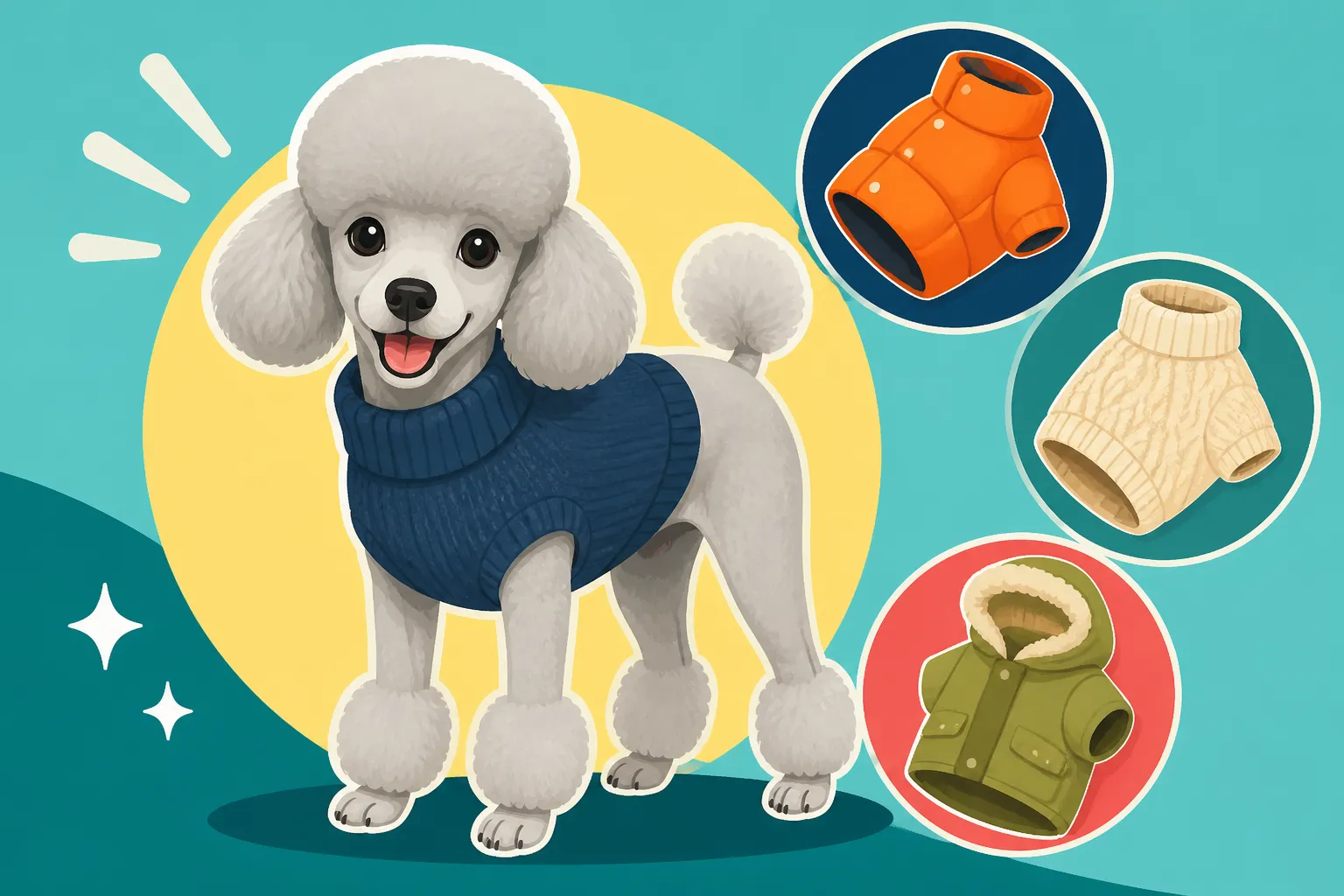
- Sweaters: Perfect for indoor use in a drafty home, a quick trip outside on a crisp day, or as an added layer under a more robust coat. Sweaters are generally softer and offer less protection from wind and rain. Look for sweaters that cover a good portion of your Poodle's back and ideally extend down to cover their belly, as this area is often less protected by hair and close to the ground. A Poodle's long, elegant neck can benefit from a sweater with a turtle-neck style for extra warmth.
- Coats and Jackets: These are your go-to for more serious outdoor protection.
- Lightweight Raincoats: Essential for wet weather, keeping your clipped Poodle dry and preventing chilling. Look for waterproof rather than just water-resistant if you live in a rainy climate.
- Winter Coats/Parkas: These offer significant warmth, often with insulation like fleece lining or synthetic fill, and an outer shell that's wind and water-resistant. They're designed for colder temperatures and longer outdoor excursions.
- Consider Neck and Leg Coverage: Many Poodles, especially Standards, have relatively long, lean necks and legs. A coat with a high collar or even a hood can provide crucial protection for the neck. For very cold conditions, some brands offer full-body suits or leg warmers, though these might be more than the average pet Poodle needs.
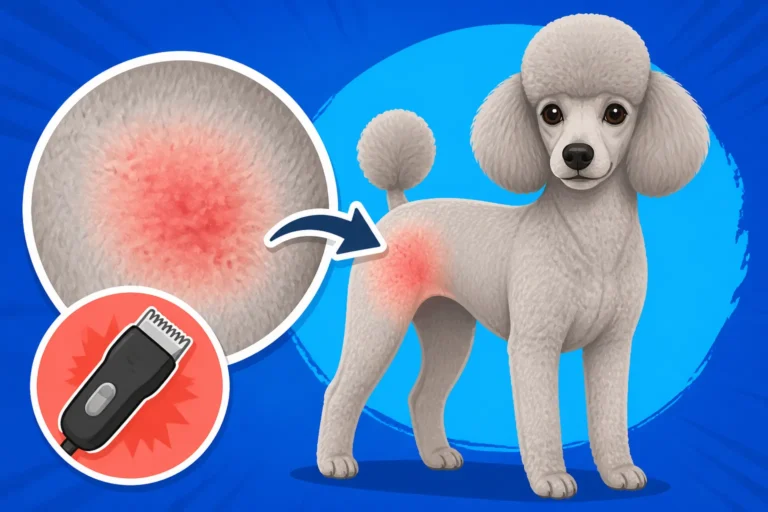
When considering which style, think about your daily routine. If you're Clipping a Poodle at Home regularly for practicality, you'll likely use these items frequently. You'll want garments that are easy to put on and take off, and that don't chafe or pull at their skin, especially if your Poodle has sensitive skin or has experienced something like Clipper Burn on a Closely Trimmed Poodle.
Protecting Against Sun and Skin Irritation
While we often associate dog clothing with keeping warm, it's just as vital for protecting your clipped Poodle from the sun's harsh rays and preventing general skin irritation, especially for those with very short clips.
Lightweight Fabrics for Sun Protection
Just like humans wear sun-protective clothing, your Poodle can benefit from it too. When their natural coat is significantly shortened, their skin becomes a target for UV radiation, which can lead to sunburn and long-term skin damage.
- UV-Protective Fabrics: Look for garments specifically marketed as having UPF (Ultraviolet Protection Factor) ratings. These fabrics are designed to block a significant percentage of UV rays. They are typically lightweight and breathable, making them comfortable even on warmer days. This isn't just for scorching summer afternoons; even on a cloudy day, UV rays can penetrate, causing harm.
- Light Colors vs. Dark Colors: While dark colors absorb more heat, they can offer better UV protection if the fabric is dense. However, for a Poodle in the sun, especially if they are playing or active, light-colored, breathable fabrics are generally preferred as they reflect more sunlight and help prevent overheating. The goal is to create a barrier without turning your dog into a little oven.
- Full Coverage is Key: For sun protection, you want a garment that covers as much of your Poodle's exposed skin as possible. This includes the back, sides, and ideally the top of the head if they don't have a robust topknot. Remember, the areas with less hair, like the belly, can be particularly vulnerable when they lie down.
Full-Body Suits and Rash Guards
For situations demanding maximum protection, full-body suits or rash guards are an excellent solution. These aren't just for fashion; they serve a very practical purpose.
- Comprehensive Sun Protection: If you're spending a long day at the beach, hiking open trails, or engaging in prolonged outdoor activities where direct sun exposure is unavoidable, a full-body sun suit or rash guard can be invaluable. These garments typically cover the Poodle's entire back, sides, and often extend down their legs, leaving only their paws and head exposed. This ensures that almost all of their delicate, clipped skin is shielded from the sun.
- Preventing Irritation from Allergens or Rough Play: Beyond sun protection, these suits can act as a barrier against environmental irritants. For Poodles with allergies, a lightweight suit can help prevent direct contact with pollens, grasses, or other allergens that might cause skin reactions. Similarly, for energetic dogs who love to wrestle or run through brush, these suits can offer a layer of protection against minor scrapes, nicks, and sticker burrs that a short coat no longer defends against. They essentially mimic the protective role a longer coat would naturally provide.
- Ensuring Comfort and Freedom of Movement: When choosing a full-body suit, it's crucial to select one made from stretchy, breathable fabric. Your Poodle needs to be able to move freely, run, jump, and perform all their natural movements without feeling constricted. Brands available on Chewy or Amazon often offer detailed measurements and customer reviews that can help you gauge the flexibility and fit for a Poodle's unique physique. It's not about making them feel confined, but rather giving them an extra layer of comfort and safety so they can enjoy their activities without concern. You might also want to look into Seasonal Care for a Poodle Coat as part of a holistic approach to their skin and coat health.
Practical Considerations for Poodle Apparel
Once you understand why your clipped Poodle needs apparel and what types are available, it's time to consider the practicalities of buying and maintaining these items. Getting the right fit and caring for their wardrobe properly will ensure both comfort for your Poodle and longevity for the garments.
Sizing and Fit for Poodles
This is perhaps the most crucial step. A poorly fitting coat or sweater is not only uncomfortable but can also be ineffective. Too tight, and it restricts movement and can chafe. Too loose, and it can get caught on things, trip your Poodle, or simply fail to provide warmth or protection. Poodles, across their three sizes, have rather distinct and often elegant physiques, which means "standard" sizing guides sometimes need extra attention.
- Measure, Measure, Measure: Never guess your Poodle's size based solely on weight or breed. Always take these three key measurements:
- Neck Girth: Measure around the base of the neck where a collar would naturally sit.
- Chest Girth: Measure around the widest part of their rib cage, typically just behind the front legs. This is often the most important measurement for a good fit, especially for Standard Poodles with their deeper chests.
- Back Length: Measure from the base of the neck (where it joins the shoulders) to the base of the tail. This determines how much of their back will be covered.
- Consider Poodle Proportions:
- Long Necks: Many Poodles have graceful, long necks. If you're looking for extra warmth, a sweater or coat with a high collar or turtle-neck design is beneficial.
- Slender Builds: While Standards can be quite robust, Toy and Miniature Poodles are often quite slender. Ensure the chest area isn't gaping, which would allow cold air in.
- Freedom of Movement: Once you have the measurements, check the product's sizing chart carefully. When trying on the garment, ensure your Poodle can walk, sit, lie down, and relieve themselves without anything pulling, chafing, or getting soiled. Pay particular attention to the armholes – they should not be tight or rub behind the elbows.
- Online Retailers and Sizing Guides: Reputable online pet retailers like Chewy and Amazon are excellent resources. They often provide detailed sizing charts specific to each brand they carry, sometimes even including breed-specific recommendations or images of dogs wearing the clothing. Always compare your Poodle's measurements to that specific product's chart, as sizes can vary wildly between manufacturers. Don't be afraid to return something if the fit isn't quite right; your Poodle's comfort is paramount.
Maintenance and Care of Dog Clothing
Just like your own clothes, your Poodle's sweaters and coats need proper care to stay effective and hygienic. This isn't just about making them last longer; it's about preventing skin irritation and odors.
- Regular Cleaning: Dog clothing, especially items worn outdoors, can quickly accumulate dirt, mud, pet dander, and even environmental allergens. Regular washing is essential. Follow the care instructions on the garment's label carefully. Most dog apparel is machine washable on a gentle cycle with cold water.
- Detergent Choice: Opt for a mild, unscented, hypoallergenic laundry detergent. Strong perfumes or harsh chemicals can irritate your Poodle's sensitive skin, especially if they are clipped short and the fabric is in direct contact with their skin.
- Drying: Air drying is often best for dog clothing, as it helps preserve the fabric, elastic, and any waterproof coatings. If you must use a dryer, use a low heat setting. Avoid high heat, which can shrink items, damage waterproof layers, or melt synthetic fibers.
- Checking for Wear and Tear: Before each use, quickly inspect the garment. Look for loose threads, torn seams, broken zippers, or stretched-out elastic. These issues can become safety hazards (e.g., your Poodle getting tangled) or simply reduce the effectiveness of the item. Repair minor damage promptly or replace the garment if it's beyond repair.
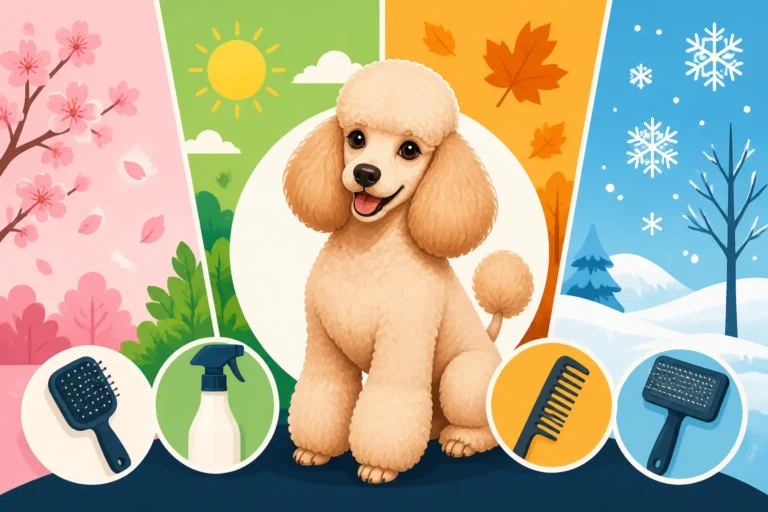
- Seasonal Storage: At the end of a season, wash and thoroughly dry all items before storing them. Keeping them in a clean, dry place will prevent mildew and ensure they're ready for use next year. For Poodles, whose coats are hair rather than fur and constantly growing, the need for these protective layers can change with their clip length, so consider your grooming schedule when thinking about seasonal needs. Why a Poodle Has Hair Rather Than Fur makes their coat unique, but when it's short, it needs external help.
By taking a little extra time to measure accurately and maintain their wardrobe, you'll ensure your clipped Poodle is always comfortable, protected, and looking their best, no matter what the weather throws at them or how long it takes for How Long Until a Shaved Poodle Looks Right.
Disclaimer
This article is for general informational purposes only and does not constitute professional advice. Laws, prices and regulations vary by location and change over time. Consult a qualified professional for guidance on your specific situation.