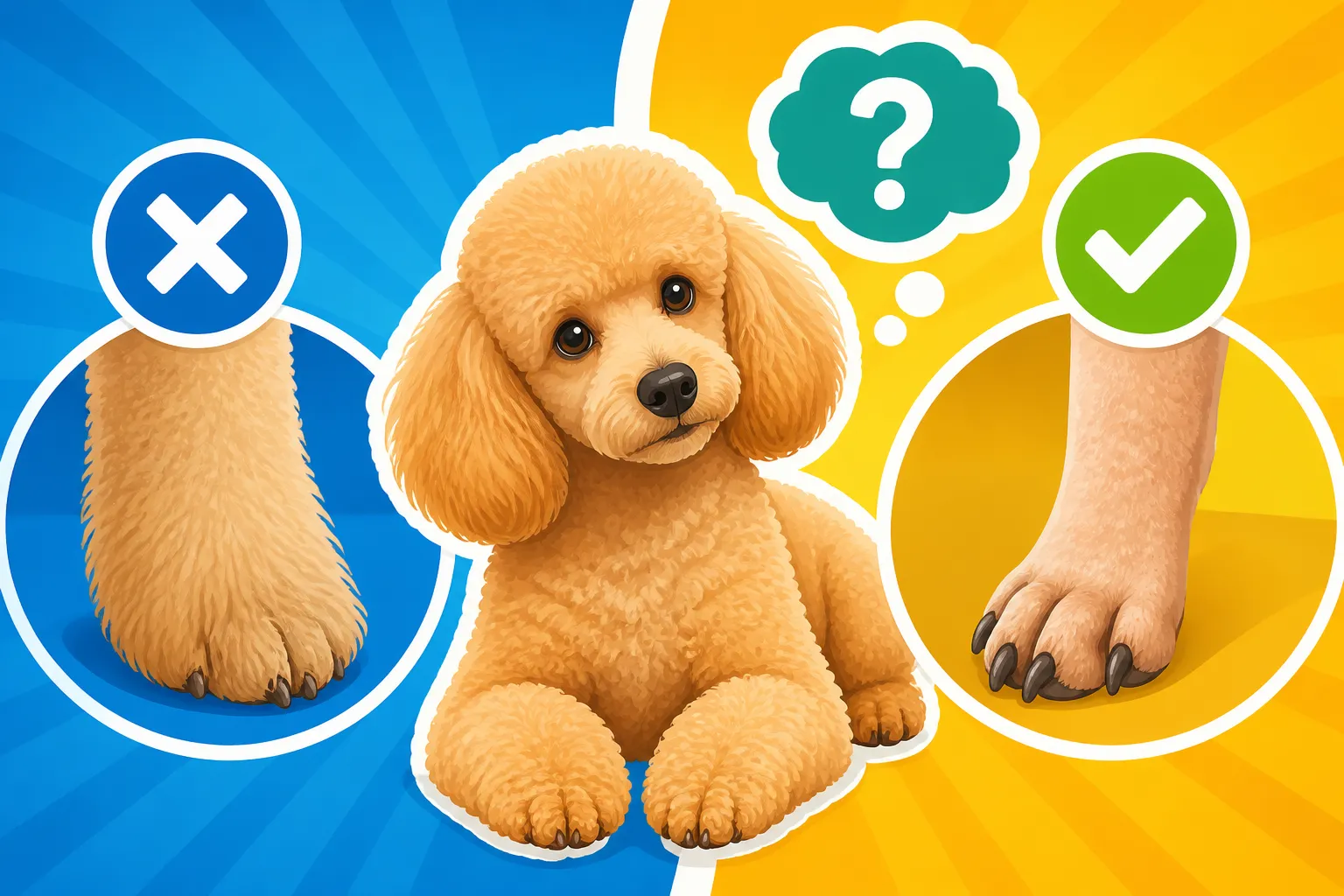
Whether a Poodle Must Have Shaved Feet
The iconic Poodle often conjures images of perfectly coiffed coats, often including those distinctive, neatly shaved feet. For many new Poodle owners, or those just considering bringing one of these intelligent dogs into their lives, seeing those clean feet can be a bit intimidating, leading to the question: is this a mandatory part of Poodle care, or just a showring fancy? This guide will dive into the history, practicality, and personal choices behind Poodle foot grooming, helping you understand why this practice is so common and if it's right for your Poodle.
The Roots of the Shaved Poodle Foot: More Than Just Fashion
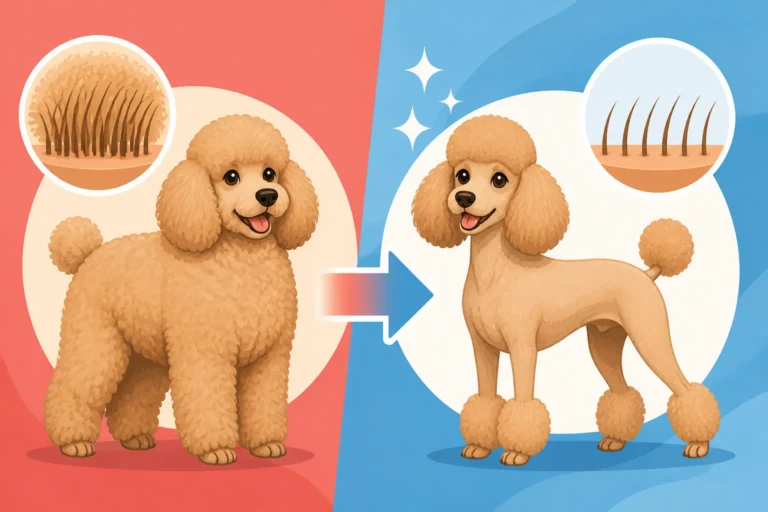
When you think of a Poodle, especially one in a traditional show clip, the shaved feet are almost as characteristic as the topknot or the pom-poms. It looks incredibly stylish, of course, but historically, this wasn't about aesthetics. It was all about practicality for a working dog. Poodles, after all, were originally water retrievers, bred to plunge into icy European waters to fetch game for hunters.
A Working Dog's Necessity
Imagine a Poodle, built for retrieving waterfowl, slogging through marshes and ponds. Their dense, curly coat, while fantastic for insulation, would quickly become waterlogged and heavy, especially around their paws. Long hair between the paw pads would trap mud, burrs, and debris, making it incredibly uncomfortable and inefficient for the dog to swim and move. It would also lead to painful matting, especially when wet, which could then freeze in colder temperatures. Shaving the feet, along with other areas like the base of the tail and parts of the legs, allowed for better maneuverability in water, prevented the accumulation of muck, and reduced the risk of painful mats and ice balls.
The Evolution from Function to Form
As Poodles transitioned from dedicated working dogs to beloved companions and showring stars, many of the traditional clips, including the shaved feet, were retained. What started as a functional necessity gradually became a hallmark of the breed's elegant appearance. Judges in conformation shows look for the clean, sculpted lines that a shaved foot provides, accentuating the breed's refined bone structure and compact, well-arched toes. So, while your pet Poodle might not be retrieving ducks in a marsh, the look persists due to its historical significance and current aesthetic appeal in the breed standard.
The Practical Perks of Clean Poodle Feet
Beyond tradition and showring elegance, keeping your Poodle's feet neatly trimmed, whether shaved entirely or just closely clipped, offers a wealth of practical benefits for their health, comfort, and your home environment. Many Poodle owners, once they experience these advantages, find it hard to go back to letting their Poodle's paw hair grow wild.
Hygiene and Cleanliness for Your Home
Let's face it, Poodles are active dogs, and their feet are always on the go. When the hair between their paw pads is allowed to grow long, it acts like a miniature mop, picking up everything from dirt, mud, and grass to dust bunnies, crumbs, and whatever else might be lurking on your floors. After a walk, especially on a wet day, your Poodle's paws can track a surprising amount of grime into your house. A quick wipe-down might not even penetrate all that fur. With closely trimmed or shaved feet, there's simply less surface area for dirt to cling to. A quick rinse or wipe is often all it takes to get them clean, significantly reducing the amount of mess brought indoors. This is particularly noticeable if you have a white or light-colored Poodle, whose dirty paws become painfully obvious.
Enhanced Grip and Mobility
Long hair between a Poodle's paw pads can actually hinder their natural grip. Their paw pads are designed to make direct contact with surfaces, providing traction and stability. When a thick layer of hair covers these pads, it can be like walking on tiny rugs. This is especially true on smooth surfaces like hardwood floors, tile, or laminate, where dogs can slip and slide, potentially leading to injuries. It’s a common problem that can escalate into real fear for some dogs. Why Pad Hair Makes a Poodle Slip explores this in more detail. By keeping the hair trimmed short or shaved, you allow their paw pads to do their job, giving them better traction, more confidence in their movements, and reducing the risk of accidental slips and falls, especially important for playful puppies and Caring for an Aging Poodle who may already have compromised mobility.
Preventing Painful Matting and Skin Issues
The Poodle's dense, curly coat is prone to matting if not meticulously maintained. This includes the hair between their paw pads, which can become a breeding ground for mats. These mats aren't just unsightly; they can be incredibly painful. They pull on the skin, restrict movement, and can even hide skin infections, parasites, or foreign objects. Moisture trapped in matted paw hair, combined with warmth, creates an ideal environment for yeast and bacterial infections to flourish, leading to itchy, red, and irritated skin. Regular trimming, whether a full shave or a very close clip, prevents these mats from forming and allows for better air circulation, keeping the skin healthier. This preventative measure can save you and your Poodle a lot of discomfort and potentially costly vet visits down the line. It's an important part of understanding The Poodle Coat and Why It Never Stops Growing.
Easier Inspection and Early Detection
With clean, trimmed feet, it's much easier to inspect your Poodle's paws regularly. You can quickly check for cuts, abrasions, splinters, thorns, ticks, or any other foreign objects that might have become lodged between their toes. You can also monitor the condition of their paw pads, checking for dryness, cracking, or any unusual lumps or bumps. Early detection of any issues means you can address them promptly, often preventing minor problems from escalating into more serious conditions. It also makes routine tasks like nail trims significantly easier, as you have clear visibility of the quick. This is an often-overlooked aspect of holistic Poodle Vaccination and Preventive Schedule care.
| Feature | Shaved Poodle Feet | Natural, Untrimmed Poodle Feet |
|---|---|---|
| Hygiene | Significantly cleaner, less tracking of dirt, easier to wipe | Traps dirt, mud, and debris; difficult to keep clean |
| Grip & Mobility | Enhanced traction on smooth surfaces, reduced slipping risk | Reduced grip, potential for slipping and discomfort |
| Matting Risk | Virtually eliminated between pads, preventing pain | High risk of painful matting, especially when wet |
| Skin Health | Better air circulation, reduces yeast/bacterial infections | Traps moisture, prone to skin irritation and infections |
| Inspection | Easy to check for injuries, foreign objects, and pad health | Difficult to inspect, may hide issues |
| Comfort | Generally more comfortable, especially in hot weather | Can feel heavy, hot, and cause discomfort with debris |
| Maintenance | Requires regular clipping/shaving every few weeks | Requires less frequent trimming, but more brushing/detangling |
Are Shaved Feet Absolutely Essential for Every Poodle?
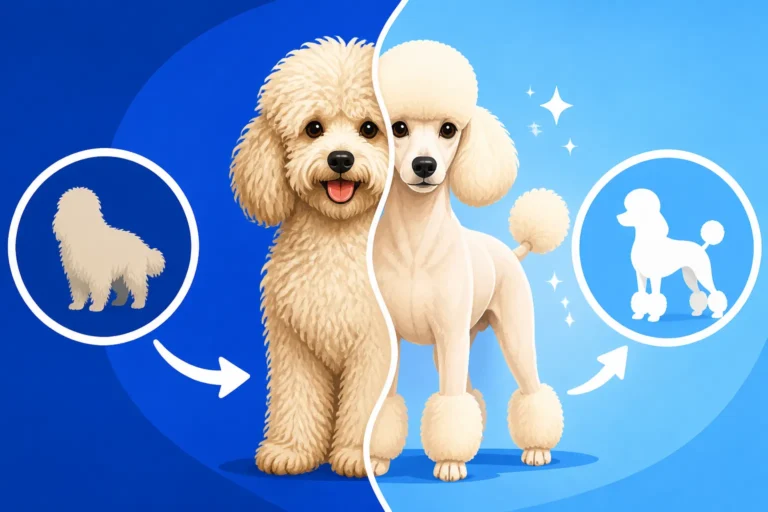
So, back to the core question: does a Poodle must have shaved feet? The short answer is no, not strictly. For a pet Poodle that isn't competing in conformation shows, you have more flexibility with grooming styles. However, while a full shave might not be strictly necessary, keeping the hair between their paw pads very short is highly recommended for all the practical reasons we've just discussed.
The Pet Clip Alternative: Closely Clipped Pads
Many pet Poodle owners opt for a compromise: they don't shave the feet down to the skin but keep the hair very closely clipped with short clipper blades or scissors. This still provides most of the practical benefits – improved hygiene, better grip, and reduced matting – without the stark, "naked" look that some owners dislike. This is often part of what's called a "pet clip" or "teddy bear clip," where the overall coat is kept at a more uniform, often longer length, but functional areas like feet, sanitary, and sometimes the face, are kept short.
This style still requires regular maintenance. You'll need to trim the hair between the pads every 2-4 weeks, depending on how fast your Poodle's hair grows. If you're doing this at home, a small, quiet trimmer or even blunt-nosed grooming scissors (used with extreme caution) can work wonders. Many pet owners find a small, cordless trimmer, available on platforms like Amazon or Chewy, to be invaluable for this task.
Factors Influencing Your Choice
Ultimately, the decision of whether to fully shave or closely clip your Poodle's feet comes down to a few factors:
- Your Poodle's Lifestyle: If your Poodle is an active outdoor enthusiast who loves mud, water, or hiking, then a closer shave will be far more practical for cleanliness and comfort. If your Poodle is more of a couch potato with indoor-only excursions, a slightly longer trim might be manageable.
- Your Grooming Dedication: Keeping feet neatly trimmed, whether shaved or closely clipped, requires consistency. If you're willing to commit to regular at-home maintenance or frequent professional grooming appointments, you have more options. If grooming is a challenge, leaning towards a shorter, lower-maintenance style like fully shaved feet might be best. What Grooming Adds to a Poodle's Lifetime Cost is a good read if you're weighing professional grooming versus DIY.
- Aesthetics: Some owners simply prefer the look of shaved feet, while others prefer a softer, more natural appearance. It's a personal preference, and as long as your Poodle's comfort and hygiene aren't compromised, either can be fine.
- Poodle Size: While the principle applies to all Poodle sizes, smaller Poodles like Toys and Miniatures might accumulate less debris than a Standard Poodle simply due to their lower stature. However, their smaller paws can be even more prone to painful matting if ignored.
Maintaining Your Poodle's Paws: Shaved or Closely Clipped
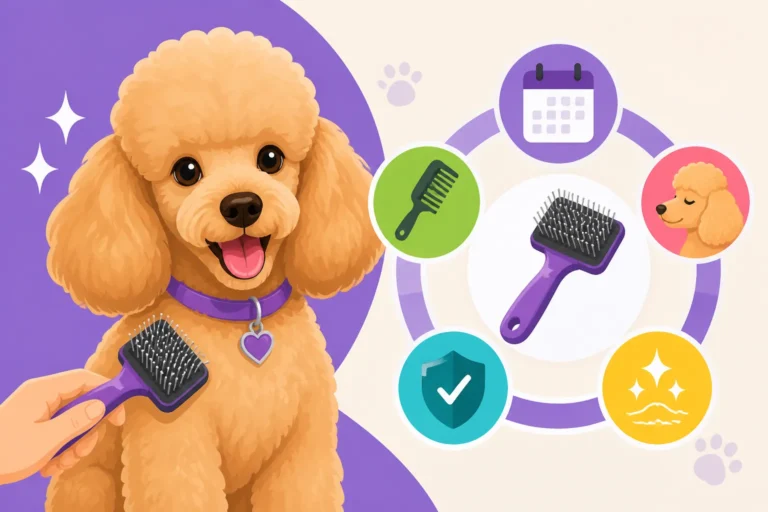
Regardless of whether you go for a full shave or a close trim, consistent paw maintenance is key to a happy, healthy Poodle. This isn't a one-and-done job; a Poodle's hair grows continuously, so regular attention is required.
Tools of the Trade for Poodle Paws
To keep those Poodle paws looking great and feeling comfortable, you'll need a few essential tools. Don't worry, you don't need a professional grooming salon set-up, but good quality tools make a huge difference.
- Small, Quiet Clippers or Trimmers: For getting between the pads and around the toes. Look for models designed for delicate areas or for face/foot/sanitary work. Cordless options are often easier to maneuver. Brands like Wahl or Andis offer smaller, ergonomic options. You can find these on Chewy or Amazon.
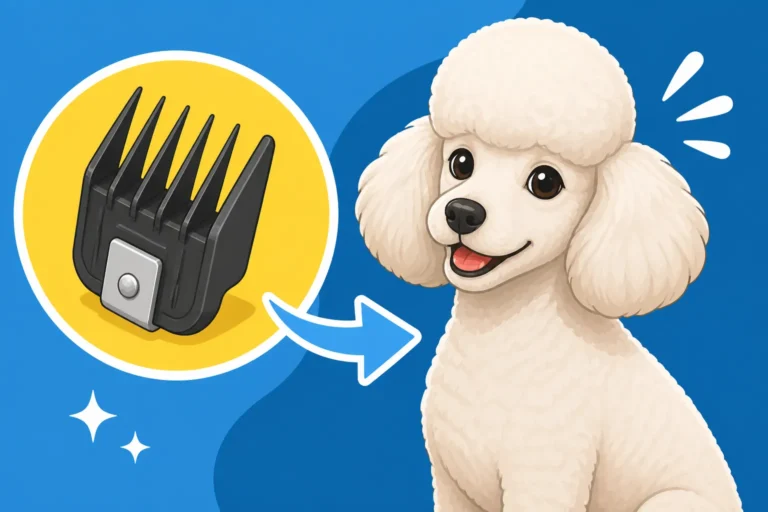
- Blades: For shaved feet, a #10 blade is commonly used. For a slightly longer, but still very short, trim, you might use a #7F or #5F (the "F" means finish, for a smoother cut). Always use blades designed for pets, and ensure they are sharp and clean.
- Grooming Shears: Small, blunt-nosed scissors can be useful for trimming stray hairs around the edges of the paw or between toes if you're comfortable and careful. Never use sharp-pointed scissors for this delicate area, especially if your Poodle is wiggly.
- Nail Clippers or Grinder: Keeping nails short is paramount, especially with trimmed paw pads, as long nails can push the toes apart and affect gait. Check out Nail Trims Between Poodle Grooms for more specific advice.
- Paw Balm: After trimming, especially if the skin is exposed, a good paw balm can help protect and moisturize the pads. This is particularly useful in extreme weather or if your Poodle walks on rough terrain.
Step-by-Step for DIY Paw Trims
If you decide to take on paw trimming yourself, here's a basic rundown, but always prioritize safety and your Poodle's comfort. If you're unsure, ask your professional groomer to show you, or consult a detailed guide like Clipping a Poodle at Home.
- Gather Your Tools: Have everything ready before you start, so you don't have to leave your Poodle unattended.
- Ensure Your Poodle is Clean and Dry: Dirt and oil can dull clipper blades quickly, and wet hair will not cut cleanly. Bathing and Drying a Poodle before a trim is ideal.
- Position Your Poodle Safely: A grooming table with a noose or a non-slip surface is best. If on the floor, ensure they are calm and you have good leverage. Treat training helps immensely for getting them to hold still.
- Lift the Paw: Gently hold your Poodle's paw in your non-dominant hand. Spread the paw pads slightly to expose the hair between them.
- Start Trimming Between the Pads: Using your clippers with a short blade (e.g., #10), carefully work between the main paw pads, moving in the direction of hair growth or against it for a closer cut, depending on your desired length. Be extremely cautious not to nick the pads themselves or the delicate skin. The skin between the pads is very thin and folds easily.
- Move to the Toes: Gently separate the toes and carefully clip the hair between them and on top of them. You want a clean, neat appearance.
- Trim Around the Edges: Use your clippers or blunt-nosed scissors to trim the hair that extends beyond the paw pads, creating a neat, rounded or straight line around the paw. The goal is for no hair to touch the ground when your Poodle is standing.
- Repeat for All Four Paws: Take breaks if your Poodle gets restless. Make it a positive experience with praise and treats.
- Finish with Nail Care: Once the hair is trimmed, it's the perfect time to clip or grind their nails.
- Inspect and Pamper: Check for any irritation or missed spots. Apply paw balm if needed.
Remember, patience is key. If your Poodle is new to paw trims, start with very short sessions and build up their tolerance. If you're not comfortable doing it yourself, a professional groomer can easily maintain their feet for you, as they have the expertise and specialized equipment to do it safely and efficiently. Many groomers offer "face, feet, and sanitary" touch-up appointments between full grooms, which can be a cost-effective way to keep these crucial areas tidy.
Disclaimer
This article is for general informational purposes only and does not constitute professional advice. Laws, prices and regulations vary by location and change over time. Consult a qualified professional for guidance on your specific situation.