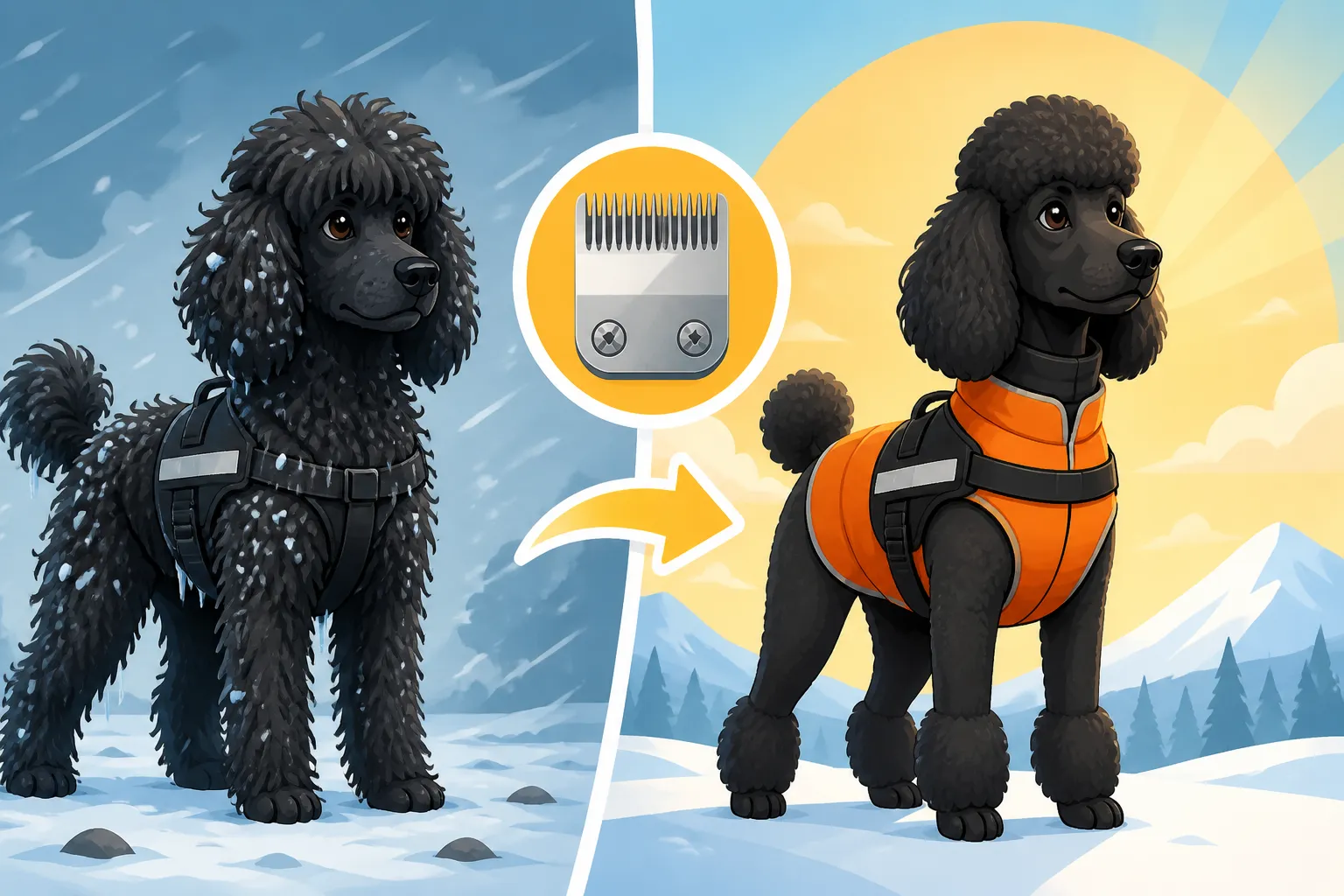
How the Clip Kept a Working Poodle Warm
Many people look at a Poodle in its classic show clip, with all those carefully sculpted puffs and pom-poms, and imagine it's purely for aesthetics or, perhaps, a bit of vanity. But if you've ever wondered about the origins of this distinctive look, you're not alone. The truth is, the Poodle's iconic haircut isn't just about looking fancy; it’s a direct link to their rugged working past as an efficient and adaptable water retriever, designed specifically to keep them warm and agile in freezing cold waters. This guide will take you through the incredible history and practical genius behind the Poodle's traditional clip, proving that sometimes, the most elegant solutions are born from necessity.
The Poodle's Ancestral Role: A Water Retriever
To truly understand the Poodle's clip, we have to travel back in time, long before they were gracing show rings or lounging on velvet cushions. These weren't always the sophisticated companions we know today; they were, first and foremost, tough, intelligent working dogs built for the demanding task of retrieving waterfowl from icy lakes and rivers.
Tracing the Poodle's Working Heritage
The Poodle's story is deeply rooted in Europe, with strong claims from both Germany and France. In Germany, they were known as "Pudel," a word derived from "pudeln," which means "to splash in water." This gives us a huge clue about their original purpose. Think about it – a dog named after splashing isn immediately tells you where its talents truly lie. Similarly, in France, they were known as "Caniche," stemming from "chien canard," meaning "duck dog." Regardless of which country you credit more, the consistent thread is their undeniable connection to waterfowling.
These dogs weren't just splashing around for fun; they were vital partners for hunters. Imagine a hunter needing to retrieve a fallen bird from a marshy, reed-filled lake on a freezing autumn morning. They needed a dog with incredible drive, a keen nose, and the stamina to navigate challenging terrain and cold water repeatedly. The Poodle, with its dense, curly coat and robust build, was perfectly suited for this. They had to be athletic, smart enough to follow complex commands, and resilient to the elements. The modern Poodle's intelligence, often ranked among the highest of all breeds, is a direct inheritance from these highly capable working ancestors. Why the Poodle's Name Means to Splash delves deeper into this fascinating etymology.
Challenges of Cold Water Retrieval
Hunting waterfowl is no leisurely stroll. It often involves long hours exposed to the elements, dealing with harsh winds, biting cold, and, most critically, frigid water. A dog plunging repeatedly into near-freezing water faces significant risks, the most immediate being hypothermia. Water saps body heat much faster than air, and a thick, uniformly dense coat, while great for warmth on land, becomes a huge liability when soaked.
A long, wet coat would become incredibly heavy, making swimming strenuous and inefficient. Picture trying to swim with a sodden wool blanket wrapped around you – it's exhausting, slows you down, and makes you much colder because of the sheer volume of cold water clinging to you. For a working Poodle, this meant wasted energy, slower retrieval times, and a dangerous drop in core body temperature. Furthermore, dense fur could easily get snagged on underwater debris or thick reeds, hindering the dog's movement and potentially causing injury. The stakes were high for these dogs, and their survival and effectiveness directly impacted the hunter's success.
The Practicality Behind the Poodle Clip's Design
So, how did our clever ancestors solve the problem of a heavy, water-logged coat on their prized retrievers? They innovated with scissors and shears. The Poodle clip, far from being a whimsical style, was a brilliant feat of functional design, tailored to enhance the dog's performance and protect its health in the field.
Strategic Hair Removal for Buoyancy and Mobility
The core idea behind the working clip was simple: remove hair where it impeded movement and added unnecessary weight when wet, but keep it where crucial protection was needed. Imagine a Poodle in the prime of its working life, not a show dog. Their legs, hindquarters, and often a portion of their back would be shaven down. Why these areas?
Firstly, shaving the legs drastically reduced drag in the water. Less hair meant less surface area for water to cling to, allowing the Poodle to cut through the water more efficiently and swim faster with less effort. This improved buoyancy, making them less likely to tire quickly in strong currents or over long distances. Secondly, removing hair from the hindquarters was crucial for powerful propulsion. The Poodle uses its strong back legs to propel itself through water, and excess, heavy fur here would hinder that powerful kick. By shaving these areas, they maintained maximum agility and speed, turning the dog into a streamlined, efficient swimming machine. The article Which Parts of a Poodle the Clip Protected goes into even more detail about these specific areas.
Insulating Puffs and Pom-Poms
While strategic shaving was key, completely stripping the Poodle of its coat wasn't an option; they still needed protection from the cold. This is where those famous puffs and pom-poms come into play. These weren't just decorative; they were carefully placed insulation and padding.
The most common areas where hair was left longer were:
- On the chest: A significant patch of hair over the chest and ribcage protected vital organs like the heart and lungs from the chilling effects of cold water. This acted as a natural "wet suit," keeping the core body temperature stable.
- Around the joints: Puffs were left around the ankles (known as "bracelets") and hips to protect the joints from cold and potential injury. When a dog jumps into icy water or navigates rough terrain, these joints are vulnerable. The hair provided a buffer, much like a modern athlete might wear knee or elbow pads.
- On the topknot: The hair on the head, or topknot, was often left long and sometimes tied up. This protected the skull and ears from cold water and spray, helping to prevent ear infections in a breed already prone to them due to their drop ears.
These insulating patches were strategically designed to mimic the benefits of a wetsuit, keeping critical areas warm while allowing for maximum freedom of movement elsewhere. It was a testament to observing animal physiology and adapting grooming practices to optimize performance and health in challenging environments. So, the next time you see a Poodle with its elegant puffs, remember it's a living echo of a hardy working dog, a practical design refined over centuries. Whether Poodle Pompoms Had a Purpose offers more insights into their functional role.
Evolution of the Working Clip to the Show Ring
As the Poodle's role evolved from a purely utilitarian working dog to a more esteemed companion and show animal, so too did its iconic clip. The functional design, born from necessity in the field, began its transformation into the stylized art form we often associate with the breed today.
From Field to Fashion: The Clip's Aesthetic Shift
The transition wasn't sudden, but gradual. As European nobility and wealthy urban dwellers began to appreciate the Poodle's intelligence, trainability, and distinctive appearance, they adopted them as pets and companions. With less time spent retrieving ducks in freezing marshes, the practical needs of the clip began to intertwine with burgeoning aesthetic preferences. Groomers and owners started to exaggerate the existing puffs and rosettes, transforming functional patches of hair into more elaborate decorative elements.
The "Continental Clip," with its dramatic shave-downs and prominent pom-poms, became the ultimate expression of this aesthetic evolution. The specific parts that were once left to protect joints and vital organs were retained, but their size and shape were exaggerated for dramatic effect in the show ring. The lion-like mane over the chest became more voluminous, the bracelets on the legs more distinct, and the single pom-pom on the tail became a signature flourish. This clip, while still echoing its working origins, became a symbol of elegance and sophistication, defining the Poodle's aristocratic image. When the Continental Became a Poodle Show Clip provides a deeper dive into this historical shift.
Modern Interpretations and Pet Clips
Today, while the elaborate Continental Clip is still seen in the show ring, most pet Poodles sport more practical and manageable clips. The good news is that these everyday styles still pay homage to the breed's heritage, often simplifying the functional aspects for ease of maintenance.
Common pet clips include:
- The Puppy Clip: Often kept on younger Poodles and some adults, this clip leaves the entire body in a relatively even, medium length. It's soft, cuddly, and relatively low-maintenance, though still requiring regular brushing to prevent mats.
- The Sporting Clip (or Kennel Clip): This is perhaps the most direct descendant of the original working clip for pet owners. It involves shaving the face, feet, and tail base, and keeping the body hair at a uniform, shorter length. Sometimes, a small topknot or tail pom-pom is retained. This clip is fantastic for active dogs, easy to care for, and prevents the coat from dragging in dirt or water. It's truly practical. The Sporting Poodle Clip for a Busy House explores this popular option.
- The Lamb Clip: Similar to the sporting clip, but often with slightly longer hair on the legs and body, creating a softer, more rounded appearance.
The beauty of the Poodle's coat is its versatility. Owners can choose a clip that suits their lifestyle, whether it’s a high-fashion show look or a no-fuss practical trim. Regardless of the style, the underlying principles of keeping the coat healthy and manageable remain paramount for the Poodle's comfort and well-being.
Understanding the Poodle Coat's Unique Properties
The Poodle's coat isn't just distinctive in its styling possibilities; it's fundamentally different from most other dog breeds, and these unique properties are precisely why the traditional clip was so ingenious and why modern grooming is so essential.
The Non-Shedding, Continuously Growing Coat
Unlike dogs with fur, which typically have a double coat and shed seasonally, Poodles have hair. This "hair-like" coat is a single layer, dense, and continuously growing, much like human hair. It doesn't go through the same shedding cycle as fur, meaning dead hairs get trapped within the curls rather than falling out and scattering everywhere. This is why Poodles are often lauded as "hypoallergenic" – they shed minimal dander and loose hair into the environment. Why a Poodle Has Hair Rather Than Fur explains these differences in more detail.
However, this unique property comes with a significant responsibility: regular grooming. Because the dead hair doesn't fall out, it stays intertwined with the live growing hair. If not brushed out frequently and thoroughly, these trapped hairs quickly form mats. A small mat can grow into a dense, painful pelt that pulls on the skin, restricts movement, and can lead to skin infections and discomfort. For a working Poodle, a matted coat would have been catastrophic, severely impacting its ability to swim and move freely, and becoming an incubator for skin problems.
Maintaining Coat Health for Function and Comfort
Given its continuous growth and matting propensity, maintaining a Poodle's coat health is non-negotiable. This involves a consistent routine of brushing, bathing, and clipping.
- Brushing: Daily or every-other-day brushing, even for Poodles in shorter clips, is critical. You need to "line brush" down to the skin, separating the hair in sections to ensure no mats are forming at the base of the coat. A good slicker brush and a metal greyhound comb are indispensable tools. Brands like Chewy offer a wide range of high-quality grooming tools that are perfect for Poodle owners, from durable slicker brushes to fine-toothed combs for those tricky areas. Brushing a Poodle to the Skin is a must-read for mastering this technique.
- Bathing: Regular bathing (every 2-4 weeks, depending on lifestyle) is also important to keep the coat clean and free of debris that can contribute to matting. Always ensure you thoroughly rinse all shampoo and conditioner out and dry the coat completely and straight using a high-velocity dryer and brush, to prevent mats from forming as the hair dries curly.
- Clipping: Whether you do it yourself or use a professional groomer, regular clipping (every 4-8 weeks) is essential to manage the length and keep the Poodle comfortable and healthy. A shorter clip generally requires less frequent intense brushing, but no clip completely eliminates the need for grooming.
A healthy, well-maintained coat is not just about looks; it's about the Poodle's overall comfort, skin health, and ability to move and play without pain. Neglecting grooming can lead to severe matting, requiring a complete shave-down, which can be stressful for the dog and costly for the owner.
| Grooming Aspect | Poodle Coat Characteristic | Impact on Working Poodle (Historical) | Impact on Pet Poodle (Modern) |
|---|---|---|---|
| Growth | Continuous, non-shedding | Traps dead hair, heavy when wet | Requires regular clipping |
| Texture | Dense, curly, hair-like | Excellent insulation when dry | Prone to matting without care |
| Wet Weight | Absorbs and holds water | Impedes swimming, causes hypothermia | Can be uncomfortable, takes long to dry |
| Mats | Forms easily if neglected | Painful, restricts movement, skin issues | Requires frequent brushing, can lead to shave-downs |
| Strategic Clipping | Removes bulk, protects joints | Enhances buoyancy, mobility, prevents cold | Chosen for style, hygiene, or ease of care |
Why the Clip Still Matters (Even for Pet Poodles)
Even if your Poodle's biggest adventure is a trip to the local dog park or a cuddle session on the sofa, the lessons learned from their working past and the care associated with their unique coat still hold immense value. The legacy of the Poodle clip isn't just an historical footnote; it translates into tangible benefits for every Poodle living today.
Health and Hygiene Benefits
Beyond aesthetics, the practical aspects of the Poodle clip, even in its simplified modern forms, contribute significantly to a Poodle's health and hygiene. This isn't just about looking neat; it's about preventing discomfort, pain, and potential medical issues.
- Preventing Matting: As we've discussed, the Poodle's continuously growing coat is a mat magnet. Regular clipping, even a short overall "kennel clip" or "lamb clip," dramatically reduces the likelihood of severe matting. Mats are not just unsightly; they pull on the skin, restrict blood flow, and can hide skin infections, parasites, and even injuries. Keeping the coat at a manageable length, combined with consistent brushing, ensures your Poodle can move freely and comfortably.
- Ear Health: Poodles have drop ears, which, combined with hair growing inside the ear canal, create a warm, moist environment ripe for yeast and bacterial infections. Trimming or gently plucking the hair from inside the ear canal, as part of a regular grooming routine, allows for better air circulation and easier cleaning, significantly reducing the risk of painful ear infections. Plucking and Cleaning Poodle Ears offers essential guidance on this critical task.
- Eye Health: Hair around the eyes can irritate them, leading to excessive tearing and tear stains. Keeping this area neatly trimmed not only improves your Poodle's vision but also helps prevent moisture and bacteria buildup, promoting overall eye health.
- Sanitary Grooming: Trimming the hair around the sanitary areas and paw pads is crucial for hygiene. It prevents fecal matter from clinging to the coat, reduces the tracking of dirt, and prevents matting between the toes, which can make walking painful.
- Temperature Regulation: While the original clip helped with cold water, modern shorter clips can also help with heat regulation in warmer climates or during intense exercise, preventing your Poodle from overheating under a thick, long coat.
Preserving a Piece of Poodle History
For many Poodle enthusiasts, maintaining an understanding of the breed's historical grooming practices is also about preserving a piece of its rich heritage. The deliberate decisions made centuries ago to ensure the Poodle's effectiveness and comfort in its working role speak volumes about the ingenuity of early breeders and handlers.
When you see a Poodle, whether it's in a full show clip or a simple pet trim, you're looking at a dog whose entire existence has been shaped by its interaction with water and the needs of a working life. The clip, in its various forms, is a visible testament to that past. It's a reminder that beneath the elegant exterior lies a robust, intelligent, and highly capable dog. By understanding the practical reasons behind the clip, we gain a deeper appreciation for the breed's origins and the careful consideration that went into making the Poodle the extraordinary companion it is today. Even if your Poodle gets its daily brush-out with a tool you bought from Chewy, you're participating in a tradition of care that spans centuries.
Disclaimer
This article is for general informational purposes only and does not constitute professional advice. Laws, prices and regulations vary by location and change over time. Consult a qualified professional for guidance on your specific situation.