Plucking and Cleaning Poodle Ears
Poodles, with their distinctive drop ears and abundant coat, are unfortunately prone to ear issues that can quickly turn uncomfortable, even painful, if not managed proactively. The hair that grows inside their ear canals, while part of their unique charm, can become a real problem, trapping moisture, dirt, and yeast, leading to stubborn infections. This comprehensive guide is here to walk you through the essential steps of plucking and cleaning your Poodle's ears safely and effectively, helping you keep those sensitive auditory canals clear and healthy, and heading off potential problems before they become full-blown vet visits.
Why Poodle Ears Are Prone to Trouble
The very characteristics that make Poodles so beloved—their luxurious, non-shedding coats and those wonderfully expressive drop ears—are also the reasons their ears require diligent attention. It's not just a cosmetic concern; it's a matter of preventing discomfort and serious health issues for our sensitive companions.
The Unique Poodle Ear Canal
Imagine trying to ventilate a deep, narrow cave. That's essentially what your Poodle's ear canal is like. Unlike some breeds with erect ears that allow for plenty of airflow, a Poodle's long, floppy ears hang down, creating a warm, dark, and often humid environment. This lack of air circulation means that any moisture that gets in, whether from bathing, swimming, or even just humidity in the air, tends to stay trapped. And what thrives in warm, dark, moist conditions? You guessed it: yeast and bacteria. This anatomical design is a primary reason why Poodles are often seen at the vet for ear-related complaints, a frustrating but manageable reality for Poodle owners.
Many owners don't realize just how much this ear structure impacts their dog's health until they've had a few rounds of ear infections. It’s a design flaw, almost, from a health perspective, but it's part of what makes them Poodles! This makes preventative care not just a good idea, but an absolute necessity for their well-being. Understanding this basic physiology is the first step in being a responsible Poodle parent. For more on this, you might find Why Drop Ears Trap Moisture in Poodles helpful.
Hair Growth and Its Role in Issues
Now, add the Poodle's signature curly coat to that warm, moist environment. Poodles have hair that grows inside their ear canals, not just around the entrance. This hair, unlike fur, continues to grow and doesn't shed. While it might sound innocuous, this internal ear hair acts like a tiny, furry filter, effectively trapping earwax, debris, and any foreign particles that try to make their way out. Instead of naturally migrating out of the ear, these elements get tangled and accumulate.
This buildup creates a perfect breeding ground for microorganisms. The trapped debris and wax create a nutrient-rich environment for yeast and bacteria, which then multiply rapidly. The hair itself can also become matted with wax, forming a dense plug that further blocks airflow and exacerbates the problem. It’s a vicious cycle where the hair, meant to protect, instead contributes to the very issues we’re trying to prevent.
Trapped Moisture and Warmth
As we've touched upon, the lack of airflow combined with the internal ear hair makes Poodle ears exceptional at trapping moisture. Whether your Poodle loves to swim, enjoys a good bath, or even just rolls in dewy grass, any water that enters the ear canal struggles to evaporate. This constant dampness creates the ideal humid climate for pathogens to flourish. Think of it like a mini-greenhouse for yeast and bacteria, right there in your Poodle's head.
The warmth of the Poodle's body only adds to this "greenhouse" effect. This continuous state of warmth and moisture weakens the natural defenses of the ear canal's delicate skin, making it more susceptible to inflammation and infection. It's a key factor contributing to recurrent ear infections in Poodles, making vigilance with drying and cleaning absolutely critical. This constant battle against moisture is why even the most meticulously groomed Poodles can still experience ear issues if their internal ear care is neglected.
Recognizing the Need for Ear Maintenance
It's easy to overlook what's going on under those long, floppy ears, but your Poodle will often give you subtle, and not-so-subtle, clues that their ears need attention. Early detection is key to preventing minor irritation from escalating into a full-blown, painful infection.
Visible Signs of Concern
The first step in knowing when to intervene is a quick visual inspection. Lift those ears up! What do you see? Healthy Poodle ears should appear clean, pale pink, and free of discharge. If you notice any redness, swelling, or excessive wax, it's a red flag. A dark brown or black waxy discharge often indicates a yeast infection, while a yellow or green discharge can point to a bacterial infection. You might also spot crusting around the ear opening or within the folds of the pinna (the floppy part of the ear).
Another common visible sign is hair matting at the entrance of the ear canal, or even deeper inside, coated with waxy residue. This matting is a clear indicator that the hair needs to be addressed. It's also important to check for any visible cuts, scratches, or sores, which could be self-inflicted from scratching or indicative of a more serious underlying issue. Don't ignore these visual cues; they are your Poodle's way of telling you something isn't quite right.
Behavioral Clues Your Poodle Gives
Beyond what you can see, your Poodle's behavior will often be the loudest alarm bell. If your dog is shaking their head more frequently than usual, scratching at their ears with a paw, or rubbing their head against furniture or the carpet, it's a strong sign of ear irritation. They might even whine or cry when you touch their head or ears, indicating pain or tenderness. Sometimes, the irritation is so intense that they will hold one ear lower than the other, or tilt their head to one side persistently.
A usually calm Poodle might become restless, irritable, or even snap if their ears are bothering them significantly. They might also shy away when you try to pet their head, something they usually love. These behavioral changes aren't just quirks; they are direct communications about their discomfort. Observing these changes promptly can save your Poodle from prolonged suffering and help you address the issue before it becomes severely inflamed. A sensitive Poodle will definitely let you know if they're in pain, even subtly. For more on understanding discomfort, consider Reading Pain in a Sensitive Poodle.
The Smell Test
This might sound a little unconventional, but your nose can be a powerful diagnostic tool when it comes to Poodle ears. Healthy ears typically have a very mild, almost neutral scent. However, if you lift your Poodle's ear flap and are met with a strong, yeasty, or foul odor, it’s a clear indication of an underlying problem, most often a yeast or bacterial infection.
A yeasty smell is often described as sweet, bread-like, or even like corn chips. This is a classic sign of a Malassezia yeast infection, which thrives in those warm, moist environments we discussed. A more putrid or cheesy smell usually points to a bacterial infection. Trust your sense of smell; it's a surprisingly reliable indicator that your Poodle's ears need immediate attention. If the smell is strong, persistent, and accompanied by other signs, a vet visit is probably in order before you attempt any home care beyond a gentle surface wipe.
The Art of Plucking Poodle Ear Hair
Plucking ear hair is perhaps the most debated aspect of Poodle ear care, but when done correctly and judiciously, it's a vital preventative measure for many Poodles. The goal is to clear the canal without causing trauma or irritation.
Choosing the Right Tools for the Job
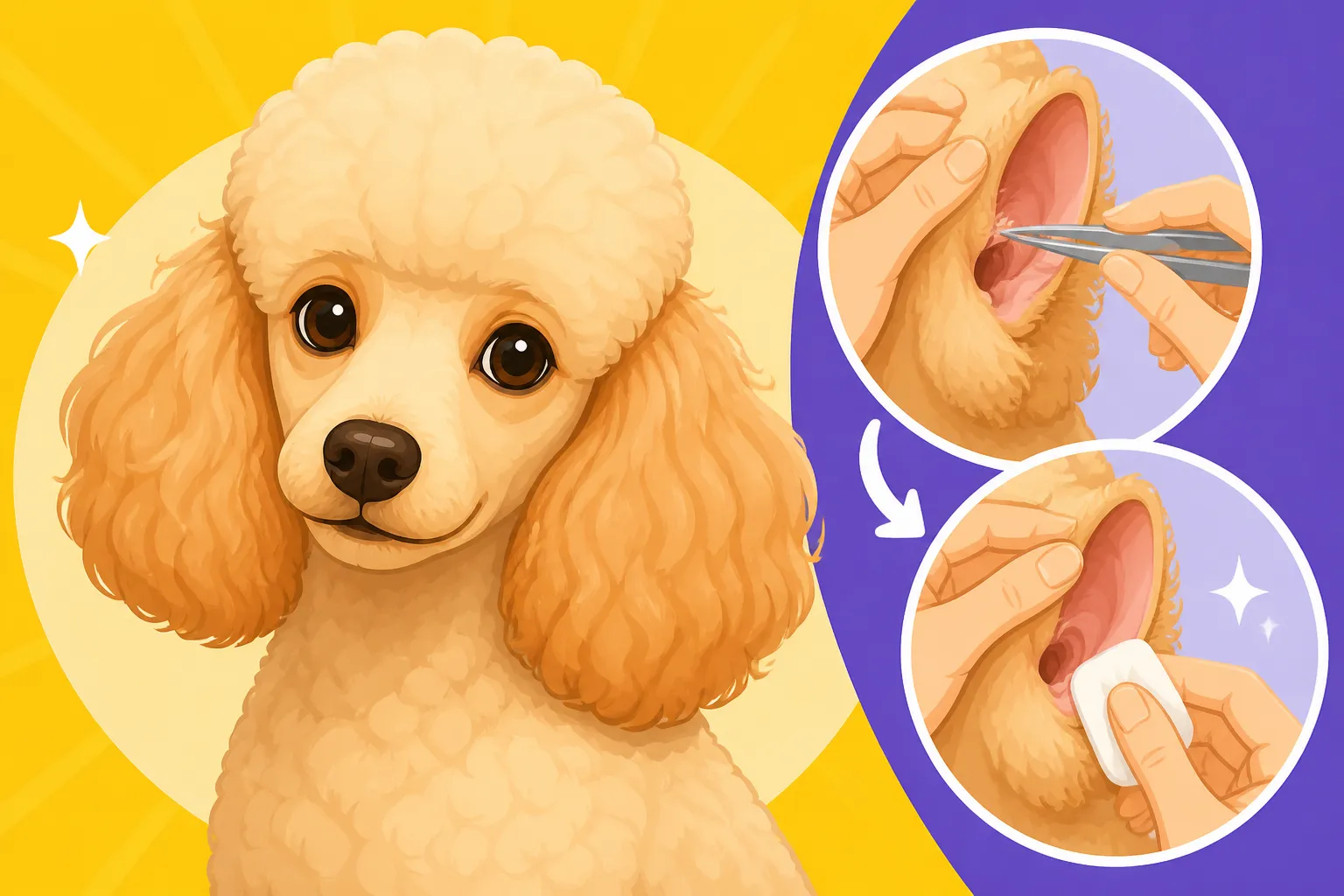
Before you begin, gather your tools. You'll need a good quality pair of hemostats (locking forceps) with serrated tips for a firm grip, designed for ear hair removal. These are specifically made to grasp small tufts of hair without pinching the skin. You might also want some ear powder, which helps to dry any moisture, provides a better grip on the hair, and can offer a mild numbing effect. Some owners opt for rubber finger cots or specialized ear hair pullers, but hemostats are generally the most effective for reaching deeper into the canal.
Ensure your hemostats are clean and sterilized. You can often find suitable tools at pet supply stores or online retailers like Chewy or Amazon. Having a bright light source, like a headlamp, can also be incredibly helpful to clearly see what you're doing inside the ear canal. Always make sure you have everything ready before you start, so you don't have to scramble mid-process, which can stress out your Poodle. Having a designated grooming corner will make this much easier, as discussed in Setting Up a Poodle Grooming Corner at Home.
Gentle Plucking Techniques
The key word here is "gentle." Never try to pluck large clumps of hair at once, as this can be painful and cause irritation or even bleeding. Instead, grasp only a few strands of hair at a time with the hemostats, close to the skin but without pulling the skin itself. Hold the hemostats firmly, then pull quickly and cleanly in the direction of hair growth. This minimizes discomfort for your Poodle.
Start with the hair visible at the entrance of the canal, gradually working your way deeper only as far as you can comfortably see and reach. If your Poodle shows signs of pain or extreme discomfort, stop immediately. It's often better to do a little bit at a time, perhaps over a few days, rather than overwhelming them with a single long session. Some owners find that applying a small amount of ear powder first helps to absorb oils, giving the hemostats a better grip on the hair, making the plucking process more efficient and less traumatic. Consistency is more important than speed.
When to Pluck Less or Not at All
While plucking is beneficial for many Poodles, it's not always necessary, nor is it a one-size-fits-all solution. Some Poodles naturally have very little hair growth inside their ears, or their ear canals are more open, allowing for better ventilation. For these dogs, excessive plucking can actually be counterproductive, irritating the delicate skin and potentially leading to inflammation or infection. It's crucial to assess your individual Poodle's needs.
If your Poodle consistently has clean, healthy ears without much hair, or if you notice irritation after plucking, it might be a sign that less is more, or that plucking isn't needed at all. In cases where the ear is already red, inflamed, or showing signs of infection, absolutely do not pluck. Plucking in an already compromised ear can introduce bacteria deeper, cause more pain, and worsen the condition. In such scenarios, a visit to the veterinarian is the first course of action. They can advise whether plucking is appropriate for your Poodle and demonstrate the correct technique if you're unsure. Keep in mind that How Often a Plucked Poodle Ear Still Infects might depend on many factors beyond just the plucking itself.
Thoroughly Cleaning Poodle Ears
Once the hair is managed (or if plucking isn't needed), thorough cleaning is the next critical step in maintaining healthy Poodle ears. This helps remove debris, excess wax, and keeps the ear canal hygienic.
Selecting a Safe Ear Cleaning Solution
Choosing the right ear cleaning solution is paramount. Avoid using harsh chemicals, alcohol, or hydrogen peroxide, as these can irritate the delicate lining of the ear canal and cause further problems. Look for veterinary-approved ear cleansers specifically formulated for dogs. These solutions are typically pH-balanced and contain ingredients that help break down wax, dry the ear canal, and some even have antiseptic or antifungal properties.
Many effective ear cleaners are available from your vet or pet stores and online platforms like Chewy or Amazon. Some popular choices contain witch hazel, salicylic acid, or boric acid, often combined with soothing agents like aloe vera. If your Poodle is prone to yeast infections, a solution with antifungal properties can be particularly beneficial. Always check the ingredients and, if in doubt, consult your veterinarian for a recommendation tailored to your Poodle's specific ear health needs.
The Step-by-Step Cleaning Process
Once you have your chosen solution, it's time for the cleaning itself. First, position your Poodle comfortably. A grooming table or even just on your lap can work, depending on their size and temperament. Gently lift the ear flap to expose the ear canal. Carefully insert the nozzle of the ear cleaner bottle into the ear canal, aiming towards the back of the head, not directly down. Squeeze a generous amount of solution into the ear until the canal is full. You should hear a squishing sound as you do this.
Now, gently massage the base of your Poodle's ear for about 30 seconds. This helps the solution penetrate the folds and crevices of the ear canal and break down any wax or debris. You'll likely hear more squishing noises. After massaging, allow your Poodle to shake their head. This is a natural and important step, as it helps dislodge the loosened debris and pushes the cleaning solution out. Have a towel ready for this part!
Proper Drying Prevents Problems
After your Poodle has shaken their head, use soft cotton balls or gauze pads to gently wipe out any visible solution and debris from the outer ear canal and the inside of the ear flap. Do not use cotton swabs (Q-tips) to go deep into the ear canal, as this can push debris further in, potentially damage the eardrum, or compact wax. Stick to cleaning only what you can see.
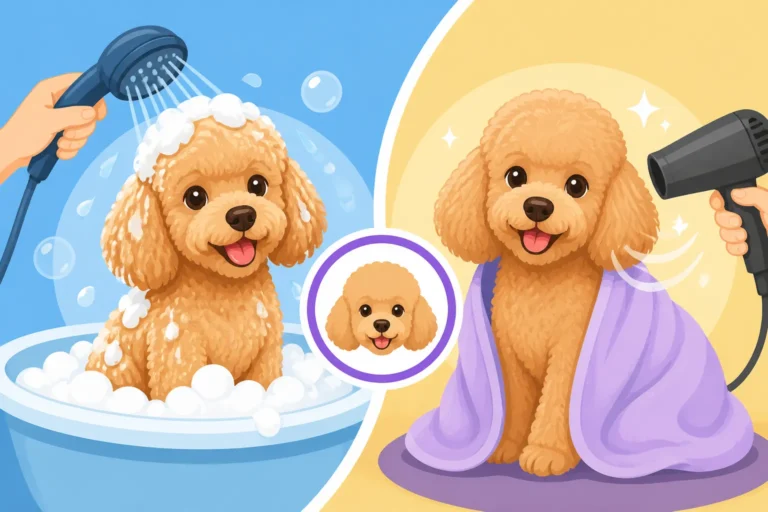
It is absolutely crucial to ensure the ear canal is as dry as possible after cleaning. Remember, moisture is the enemy in Poodle ears. You can use fresh, dry cotton balls or gauze, and allow plenty of air circulation. If your Poodle has just had a bath or a swim, a gentle wipe with an appropriate solution and thorough drying are even more important. Some owners use a very low, cool setting on a hairdryer, held at a safe distance, to aid in drying, but be extremely careful not to burn the delicate skin or frighten your Poodle. Ensuring dryness is a critical step in preventing Ear Infections Under a Poodle's Drop Ears.
Maintaining Ear Health Between Deep Cleans
Regular maintenance is the bedrock of good Poodle ear health. It’s not just about addressing problems when they arise, but actively preventing them with a consistent routine.
Weekly Checks and Light Maintenance
Make a habit of performing quick weekly ear checks. This involves lifting your Poodle's ear flaps, taking a sniff, and visually inspecting the ear canal. Look for any redness, unusual discharge, or excessive wax buildup. If you see just a little bit of debris or light wax, a quick wipe with a cotton ball dampened with a mild, vet-approved ear cleaner can often be enough. This proactive approach allows you to catch minor issues before they escalate.
Don't wait until you see obvious signs of discomfort or smell something off. A routine check should be a part of your regular grooming schedule, perhaps when you're doing a quick brush out. This also helps your Poodle get accustomed to having their ears handled, making deeper cleaning or vet examinations less stressful for them. Consistency truly pays off in the long run for Poodle ear health.
| Aspect to Check | Healthy Ear | Signs of Concern | Action Required |
|---|---|---|---|
| Appearance | Pale pink, no redness/swelling | Redness, swelling, crusting | Vet visit if severe; gentle wipe if mild |
| Smell | Neutral or very faint | Yeasty, foul, cheesy odor | Vet visit |
| Discharge | Minimal, light brown wax (normal) | Dark brown/black, yellow/green, excessive wax | Vet visit if severe; gentle wipe if mild |
| Behavior | No head shaking, scratching, sensitivity | Head shaking, scratching, pawing at ears, pain | Observe closely; vet visit if persistent/painful |
| Internal Hair Growth | Manageable, not matted or obstructing | Matted, dense growth, trapping debris | Gentle plucking (if ear is healthy) |
The Importance of a Clean Environment
Your Poodle's living environment also plays a role in ear health. Regularly cleaning their bedding, dog crates, and any areas where they spend a lot of time can help reduce exposure to environmental allergens, dust, and molds that might irritate their ears. Think about the surfaces your Poodle rubs their head on – if these are dirty, they can introduce irritants or pathogens to the ear area.
Furthermore, if your Poodle spends time outdoors, especially in tall grass or wooded areas, check their ears more frequently for grass seeds or other foreign bodies that could work their way into the ear canal. While Poodles are often indoor dogs, even a short walk can expose them to allergens or irritants. A clean home environment complements your direct ear care efforts, creating fewer opportunities for problems to arise.
Diet and Allergy Considerations
Sometimes, ear issues aren't just about hygiene but are symptoms of a larger underlying problem, such as allergies. Many Poodles suffer from environmental or food allergies that manifest as skin irritation, itching, and recurrent ear infections. If your Poodle experiences chronic ear problems despite diligent cleaning, it's worth exploring potential allergies with your vet. Poodle Allergies and Skin Reactions often show up in the ears.
A change in diet, specifically switching to a limited ingredient or novel protein diet, might be recommended by your vet if food allergies are suspected. Certain foods can trigger inflammatory responses in some dogs, leading to chronic ear inflammation. While a food brand like Ollie might offer fresh food options, the key is to work with your vet to identify specific allergens through elimination diets or allergy testing, rather than just guessing. Addressing the root cause of allergies can significantly reduce the frequency and severity of ear infections, making your Poodle much more comfortable.
Common Pitfalls and When to See a Vet
Even with the best intentions, it's possible to make mistakes or encounter situations where home care simply isn't enough. Knowing when to stop and seek professional help is crucial for your Poodle's well-being.
The Risks of Over-Plucking
While plucking is often necessary, over-plucking or plucking too aggressively can do more harm than good. Each time hair is pulled out, it can create microscopic tears in the delicate skin lining the ear canal. These tiny wounds become entry points for bacteria, and the resulting inflammation can actually lead to an infection, rather than preventing one. The ear canal is incredibly sensitive, and repeated trauma can cause chronic irritation, thickening of the skin, and increased wax production as the body tries to protect itself.
Signs of over-plucking include excessive redness, swelling, or pain immediately after plucking, or if your Poodle seems more reluctant than usual during subsequent ear care sessions. If you notice persistent irritation despite careful plucking, it's time to re-evaluate your technique or consult with your vet or a professional groomer. Sometimes, less frequent or lighter plucking is all that's needed, or perhaps even a complete cessation if your Poodle's ears thrive without it. Remember, the goal is health, not just hair removal.
Identifying an Active Ear Infection
It’s vital to distinguish between routine ear maintenance and dealing with an active ear infection. If your Poodle's ear is already red, swollen, intensely itchy, painful to the touch, or producing a strong odor and discharge (especially yellow, green, or dark brown/black), it likely has an active infection. In this scenario, do not attempt to pluck hair or use over-the-counter ear cleaners without veterinary guidance.
Introducing solutions into an already inflamed ear can be excruciating for your Poodle and may push the infection deeper or irritate it further. Plucking an infected ear is also extremely painful and carries a high risk of worsening the condition. An active infection requires professional diagnosis and treatment, which often involves prescription ear drops or oral medications from your veterinarian. Trying to treat a full-blown infection at home can lead to chronic issues, hearing loss, or even spread to the middle or inner ear. Your vet can take samples to determine if it's bacterial, yeast, or both, ensuring the correct medication is prescribed.
When Home Care Isn't Enough
Despite your best efforts with plucking and cleaning, there will be times when home care simply isn't sufficient. If your Poodle's ear issues are chronic, recurrent, or don't respond to routine maintenance, it's a clear signal to seek professional veterinary help. Persistent head shaking, scratching, pain, strong odors, or discharge are all reasons for a vet visit. Your veterinarian has specialized tools, like an otoscope, to look deep into the ear canal, assess the eardrum, and identify any underlying issues you can't see.
They can also perform cytology (examining a sample under a microscope) to identify the specific type of bacteria or yeast causing the infection, ensuring the right medication is prescribed. Furthermore, conditions like ear mites, foreign bodies lodged deep in the canal, or even tumors require veterinary intervention. Don't hesitate to consult your vet; early and accurate diagnosis is essential for effective treatment and preventing long-term complications. Regular check-ups, which form part of Yearly Routine Vet Spend for a Poodle, are key to catching these issues early.
Disclaimer
This article is for general informational purposes only and does not constitute professional advice. Laws, prices and regulations vary by location and change over time. Consult a qualified professional for guidance on your specific situation.