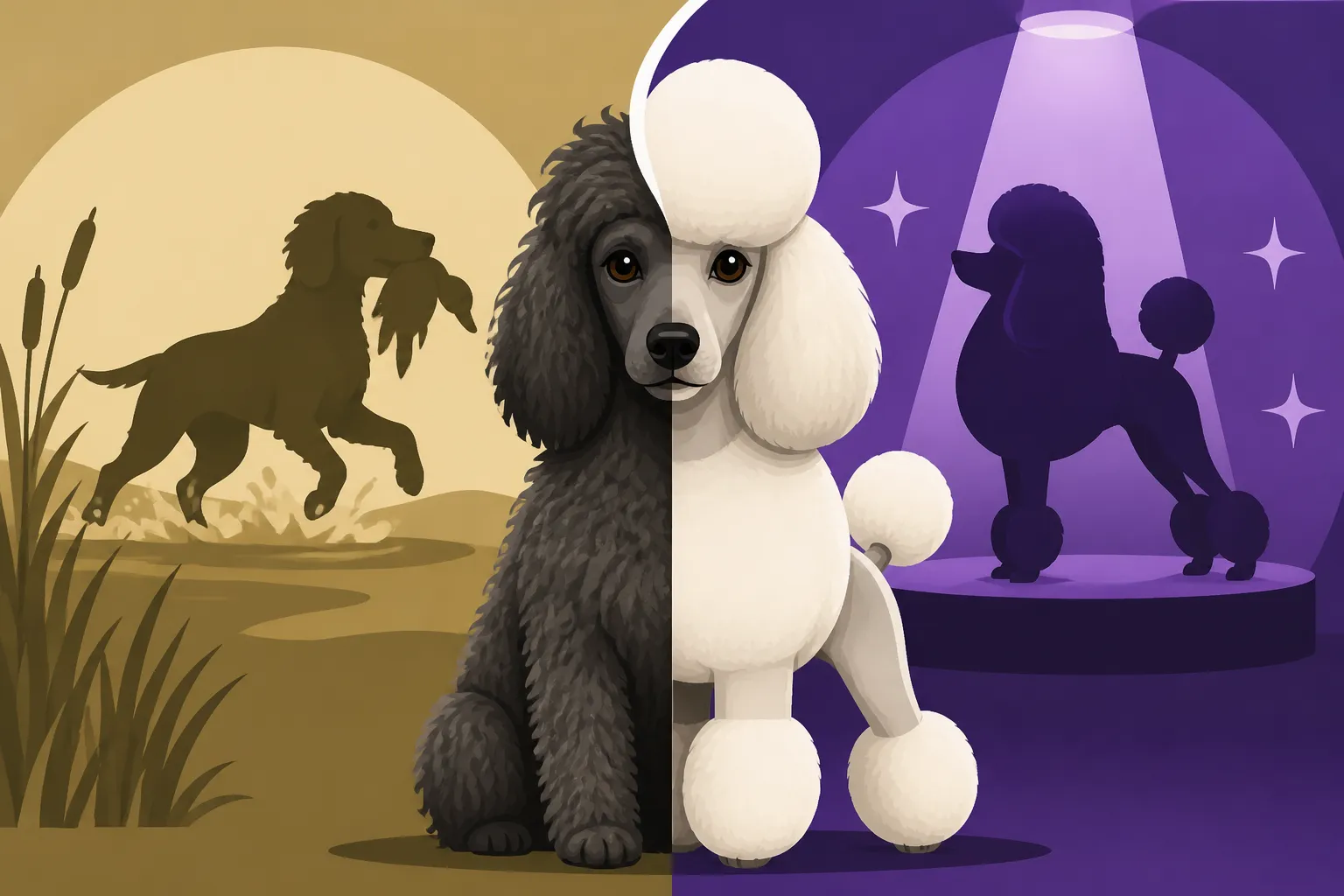
Whether the Show Ring Reshaped the Poodle
It's easy to look at a Poodle in a grand, elaborate show clip and wonder if this magnificent breed was always destined for such an ornamental existence. Many folks assume the Poodle's entire being has been molded by the glitz and glamour of the show ring, often obscuring their robust, working past. This comprehensive guide will unravel the fascinating journey of how the show ring, and the desire for breed standardization, truly reshaped the Poodle's appearance, purpose, and even perception over centuries.
The Poodle's Original Purpose and Functional Appearance
Before the velvet ropes and sparkling lights of the show ring, Poodles were hardy, intelligent working dogs. Their name, in fact, comes from the German word "Pudel," meaning "to splash in water." They were bred primarily for retrieving waterfowl, often in cold, harsh conditions. This demanding job heavily influenced their natural coat and the earliest forms of grooming.
Water Retriever Roots and the Poodle's Coat
Imagine a hunter in marshy wetlands, needing a dog that could plunge into icy water, retrieve ducks, and return without succumbing to hypothermia. The Poodle's dense, curly, single-layered coat was perfect for this. It’s not fur that sheds seasonally, but rather hair that grows continuously, acting like a natural wetsuit. When wet, it clumps together, trapping air and providing insulation. This unique coat meant the Poodle could spend extended periods in cold water, remaining relatively warm and buoyant. This inherent characteristic of their coat – its non-shedding, insulating, and water-resistant qualities – is what made them so valuable to hunters and, ironically, what later made them so appealing to groomers and the show circuit. Why a Poodle Has Hair Rather Than Fur
Early "Working" Clips: Form Follows Function
The very first Poodle clips weren't about looking fancy; they were about efficiency and health in the field. Hunters quickly realized that a full, shaggy coat, while warm, would become heavy and waterlogged, hindering the dog's swimming ability and slowing them down considerably. It could also snag on underwater debris, potentially injuring the dog.
To combat this, hunters began strategically shaving areas of the Poodle's body. They would clip off the bulk of the coat from the legs, hindquarters, and often the tail, reducing drag and making movement easier in the water and on land. However, they'd leave specific sections of hair longer, particularly around vital organs like the chest and kidneys, and over major joints such as the hips and hocks. These patches, known as "rosettes" or "pom-poms," provided crucial insulation and protection from the cold water and icy temperatures. It's a stark contrast to the modern perception, where these same adornments might be seen as purely decorative. These functional clips also allowed for greater agility and stamina during long hunts, proving that the Poodle's iconic look began with practicality, not pampering.
The Evolution of the Show Clip and Breed Standardization
As dog ownership evolved from purely utilitarian purposes to companionship and sport, so too did the Poodle's appearance. The advent of formal dog shows in the 19th century became a pivotal moment, shifting the focus from working utility to aesthetic conformity and breed ideals.
The Rise of Dog Shows and Aesthetic Influence
When dog shows became popular, especially in Victorian England and later across Europe and America, breeders and enthusiasts began to define what an "ideal" Poodle should look like. No longer was the primary concern how well the dog could retrieve a duck; now it was about conformation to a written standard, elegance, and presence in the show ring. Judges weren't evaluating hunting prowess, but rather structure, gait, and presentation.
This shift naturally led to a greater emphasis on grooming as an art form. The Poodle's unique coat, which had once been a practical asset, became a blank canvas for intricate styling. Groomers and handlers realized that strategic clipping could highlight desirable features, such as a strong topline, well-angulated hindquarters, or a proud neck set, while camouflaging minor imperfections. This era saw the beginnings of more stylized clips designed to make the Poodle stand out in a competitive lineup, moving beyond simple functional trimming.
Standardization and Extreme Styling: The Continental Clip
The development of the breed standard cemented many of these aesthetic choices. The "Continental Clip," perhaps the most recognizable Poodle show clip, is a prime example of this evolution. While its precise origins are debated, it certainly has roots in those functional hunting clips, with the pom-poms on the hips and hocks originally serving as joint protection. However, in the show ring, these features were exaggerated and stylized.
The Continental clip dictates precise areas to be shaved – the face, throat, feet, and a portion of the tail base – leaving specific patches of full coat on the chest (the "mane"), hindquarters (the "rosettes"), and a pom-pom on the tail tip. The leg hair is left long, often shaped into "bracelets" or "cuffs." This clip is not only a nod to their heritage but also a highly skilled piece of artistry that takes hours of meticulous grooming to achieve and maintain. It's designed to give the Poodle a look of refined elegance, accentuating their athletic build and noble posture. This highly specific look became synonymous with the breed in the public eye, often leading to the misconception that all Poodles must be groomed this way, or that such elaborate grooming is natural or easy. The Continental Poodle Clip and Its Upkeep
Did the Show Ring Influence Poodle Conformation?
Beyond just the clip, the show ring can, over generations, subtly influence the physical conformation of a breed. While the Poodle breed standard still emphasizes an athletic, well-muscled dog, selective breeding for traits that look good in the ring can sometimes lead to an exaggeration of certain features or a neglect of others. For instance, judges often favor a long, elegant neck and a proud head carriage, which Poodles naturally possess. However, breeders focusing solely on these "pretty" traits might, inadvertently, place less emphasis on other aspects like overall bone structure or joint health, if those aren't as visually apparent or rewarded in the ring.
This doesn't mean Poodles have become inherently unhealthy due to show breeding, but it does mean that conscientious breeders must actively strive to maintain the breed's sound structure and working heritage, rather than just chasing ribbons. The focus remains on breeding a Poodle that is true to its standard, which describes a balanced, athletic dog, regardless of the haircut it sports. What the Standard Says About Poodle Proportion
Beyond the Bling: Function vs. Fashion in Poodle Breeding
The tension between the Poodle's historical function and its modern show ring presentation has always been present. For dedicated breeders, maintaining health, temperament, and true Poodle type is paramount, often transcending the fleeting trends of show fashion.
Maintaining the Working Spirit in Modern Poodles
Despite the elaborate grooming, many Poodles today still possess their ancestral retrieving drive and keen intelligence. You might not see many Poodles actively hunting ducks in the wild anymore, but their innate abilities shine in various canine sports and activities. Many excel in obedience, agility, rally, and even scent work. Their natural athleticism and eagerness to please are still very much a part of their genetic makeup.
For a responsible Poodle breeder, the show ring is not just about looks; it's a platform to demonstrate that their Poodles conform to the breed standard, which describes an active, intelligent, and well-structured dog. A Poodle that cannot move freely, or lacks the keen intellect to learn, wouldn't represent the breed well, no matter how perfect its groom. While the clip itself has become highly stylized, the underlying dog should still be capable of fulfilling its historical role. This is why you'll often see show Poodles being trained for other disciplines or participating in performance events. It’s a way to prove they are more than just a pretty face.
Health and Structure: The Breeder's Ethical Dilemma
One of the biggest concerns with any breed heavily involved in the show ring is the potential for an overemphasis on aesthetics to the detriment of health or structural soundness. Thankfully, for the Poodle, the breed standard generally promotes a healthy, functional dog. However, like any purebred, Poodles are susceptible to certain genetic health conditions, regardless of whether their parents were champions.
Responsible breeders understand that a beautiful Poodle is also a healthy Poodle. They invest in extensive health testing for their breeding stock, screening for conditions common in Poodles such as hip dysplasia, eye diseases like PRA, von Willebrand's disease, and Addison's disease. The show ring, when used responsibly, can actually be a valuable tool for assessing a dog's overall structure and gait – crucial indicators of long-term health and soundness. A dog with poor movement or an unsound structure, even if exquisitely groomed, will not fare well in the ring over time. So, while the show clip might seem like pure fashion, for ethical breeders, it's often a stage upon which to present a dog that is structurally robust and genetically sound. What a Poodle Breeder Must Test For and Genetic Panels for the Three Poodle Sizes
The Pet Poodle's Reality: Comfort Over Showmanship
For the vast majority of Poodle owners, those intricate show clips are simply not practical for everyday life. Imagine trying to maintain a Continental clip on a dog that loves to roll in mud, swim in the lake, or wrestle with other dogs at the park! The reality for most pet Poodles is a much more functional and comfortable "pet clip."
These clips, often called a "kennel clip," "sporting clip," or even a "lamb clip," involve keeping the coat relatively short and even all over the body, with perhaps a slightly longer topknot and tail pom. These cuts are much easier to maintain, prevent matting, and allow the Poodle to live a full, active life without requiring hours of daily grooming. Many owners choose to learn basic grooming themselves, opting for clippers and brushes they can find readily on platforms like Chewy, to keep their Poodle tidy between professional visits. Clipping a Poodle at Home This doesn't make their Poodle any less of a Poodle; it simply means their grooming choice prioritizes comfort and practicality over the demands of the show ring.
Modern Poodles: Balancing Tradition and Practicality
Today's Poodle stands as a testament to both its working heritage and its refined elegance. The show ring has undoubtedly shaped its public image and the aesthetics of its presentation, but it hasn't erased the intelligent, athletic dog underneath.
Diversity in Clipping: A Poodle for Every Lifestyle
One of the wonderful things about the Poodle's coat is its versatility. While the Continental clip remains the gold standard for show Poodles, pet owners have a plethora of choices that suit their lifestyle and their dog's comfort. Whether it's a short, sporty clip that requires minimal daily brushing, or a slightly longer "teddy bear" cut that gives a softer look, Poodles can adapt to almost any aesthetic preference.
This flexibility allows owners to enjoy the breed's fantastic personality and intelligence without being slaves to an overly demanding grooming routine. Many people are surprised to learn that their Poodle can look completely different from the image they have in their head of a show dog, simply by choosing a different haircut. You can find all the necessary grooming supplies, from various blade lengths for clippers to specialized shampoos and conditioners, readily available from online retailers like Chewy. This choice empowers owners to groom for practicality, ensuring their Poodle is comfortable and clean, while still enjoying the unique beauty of the breed. The Poodle Puppy Clip and Who It Suits
Breed Preservation vs. Public Perception
The show ring plays a vital role in breed preservation by providing a forum for breeders to compare their dogs against the breed standard. This helps ensure that Poodles maintain their distinctive physical and temperamental traits over generations. However, the highly stylized show clips can sometimes create a public perception that Poodles are "fussy," "delicate," or "high-maintenance" dogs, which can deter potential owners who might otherwise be a perfect match for the breed. Whether a Poodle Deserves Its Fussy Reputation
It's a delicate balance. The show ring helps maintain the integrity of the breed, but it also creates an image that doesn't fully represent the everyday pet Poodle. Educating the public about the Poodle's true history, temperament, and the various practical grooming options is essential to ensure this magnificent breed continues to thrive and find loving homes outside of the show circuit. The enduring popularity of Poodle mixes, often called "doodles," is partly due to a desire for the Poodle's non-shedding coat and intelligence without the perceived grooming demands of a purebred Poodle, highlighting this perception gap. How the Doodle Boom Affected Poodle Breeding
The Enduring Poodle: More Than Just a Haircut
Ultimately, the Poodle is far more than its haircut. The show ring has certainly refined its appearance and standardized certain features, transforming its functional working clip into an art form. But beneath the meticulously sculpted coat is the same intelligent, athletic, and loyal companion that once retrieved ducks from icy waters.
The Poodle's wit, its joyful personality, and its deep connection with its human family are traits that the show ring has never, and could never, reshape. These are the core elements of the Poodle character that have endured through centuries, proving that while fashion may dictate outward appearance, the heart and soul of the Poodle remain gloriously unchanged. Whether your Poodle is sporting a shaved-down kennel cut or a full Continental, the same brilliant, loving dog looks up at you.
| Aspect | Early Working Poodle | Modern Show Poodle | Pet Poodle (Common Clips) |
|---|---|---|---|
| Primary Driver for Clip | Function (hunting) | Aesthetics (show ring) | Practicality & Comfort |
| Typical Clip Style | "Hunter's Clip" – shaved body, protective pom-poms on joints/chest | "Continental," "English Saddle" – highly stylized, exaggerated rosettes, full mane | "Kennel," "Sporting," "Lamb," "Teddy Bear" – shorter, even, easier maintenance |
| Grooming Frequency | As needed for hunting season, less intensive | Daily brushing, professional grooming every 4-6 weeks (intense) | Regular brushing (several times a week), professional grooming every 6-8 weeks (moderate) |
| Purpose of Hair Left Long | Insulation for vital organs, joint protection | To accentuate conformation, artistic expression | Aesthetic preference, warmth in cold climates |
| Public Perception | Hardy, working dog | Elegant, sophisticated, "fussy" | Friendly, intelligent companion |
| Impact on Breed | Enhanced working efficiency | Standardized appearance, high maintenance image | Increased accessibility for diverse owners |
Disclaimer
This article is for general informational purposes only and does not constitute professional advice. Laws, prices and regulations vary by location and change over time. Consult a qualified professional for guidance on your specific situation.