Poodle Versus Doodle Crosses
It’s a tale as old as time, or at least as old as the last couple of decades in the dog world: the rise of the "Doodle." Everywhere you look, there’s a Goldendoodle, a Labradoodle, a Bernedoodle, each one seemingly more adorable than the last. But if you're a prospective dog owner, the sheer volume of options can be overwhelming, leaving you scratching your head and wondering, "What's the real difference between a purebred Poodle and one of these popular Doodle crosses?" This guide will clear up the confusion, helping you understand the key distinctions, advantages, and challenges of each so you can make an informed decision for your family.
The Poodle: A Foundation of History and Purpose
Before we dive into the fascinating world of Doodle crosses, it's crucial to understand the magnificent breed that makes them possible: the Poodle. Often misunderstood as merely a "frou-frou" show dog, the Poodle is, in fact, a highly intelligent, athletic, and robust companion with a rich history rooted in working dog traditions. You might be surprised to learn just how much goes into The Poodle as a Breed itself.
A Legacy of Intelligence and Work Ethic
Poodles were originally bred in Germany as water retrievers, hence their name, which comes from the German word "Pudel" meaning "to splash in water." Their dense, curly coats were perfect for repelling water, and their sharp minds made them adept at learning complex tasks. These dogs weren't just pretty faces; they were workers, retrieving ducks and other game for hunters. This working background imbues Poodles with an incredible drive to learn and a keen desire to have a "job."
This historical context explains why Poodles consistently rank among the most intelligent dog breeds. They are quick learners, often picking up new commands in just a few repetitions. This intelligence, while a huge advantage in training, also means they require significant mental stimulation. A bored Poodle is a mischievous Poodle, often inventing its own entertainment if not given appropriate outlets. Their problem-solving abilities are truly impressive, and they thrive when challenged with puzzle toys, obedience work, or canine sports. Many people are surprised to learn about Poodle Intelligence and Coren's Ranking when they first encounter the breed.
The Poodle's Distinct Sizes and Standards
One of the unique aspects of the Poodle breed is its division into three distinct sizes: Standard, Miniature, and Toy. While they vary greatly in stature, they are all the same breed, sharing the same breed standard, temperament traits, and iconic curly coat. The Standard Poodle is the largest, typically over 15 inches at the shoulder, while the Miniature is between 10 and 15 inches, and the Toy Poodle stands under 10 inches. This range in size allows Poodles to fit into a variety of lifestyles, from active outdoor companions to cozy lapdogs.
Each size retains the core Poodle characteristics, but there can be subtle differences in energy levels and common health concerns due to their size. For example, Standard, Miniature and Toy Poodles all share a penchant for intelligence, but a Standard Poodle will require more extensive physical exercise than a Toy. Despite the size differences, all Poodles require consistent grooming and mental engagement to thrive. Their predictable nature within their size varieties is a huge draw for many owners looking for specific traits.
Why the Poodle Deserves Its Fussy Reputation
Let's address the elephant in the room: the Poodle's reputation for being "fussy" or "high-maintenance." While it’s true that their coat requires significant care, this reputation often overshadows their robust nature and joyful personality. Poodles are not delicate creatures; they are hearty, active dogs who love to play, explore, and be part of the family. The "fussiness" often comes from the elaborate show clips, but a pet Poodle can be kept in a much simpler, easy-to-manage "kennel clip" or "sporting clip."
The reality is, their elegant appearance is just one facet of a deeply loyal, affectionate, and sometimes goofy companion. They are incredibly people-oriented dogs who form strong bonds with their families, often described as "Velcro dogs" because they love to be close. Their sensitivity, another trait sometimes mistaken for fussiness, means they respond best to positive reinforcement training and gentle handling. If you've ever heard stereotypes about the breed, you'll want to read about Why the Poodle Deserves Its Fussy Reputation to set the record straight.
Understanding Doodle Crosses: The Blend of Breeds
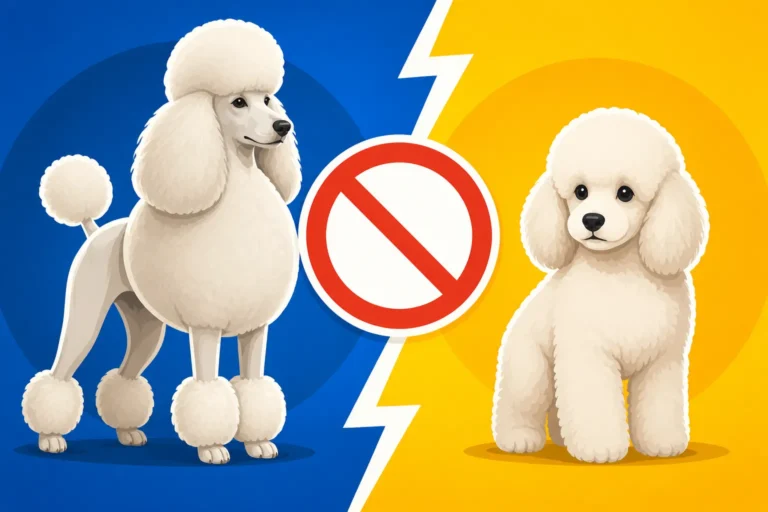
Now that we appreciate the Poodle, let's turn our attention to the popular crosses that have captured so many hearts. "Doodle" is a blanket term for any dog bred by crossing a Poodle with another breed, aiming to combine the Poodle's non-shedding coat and intelligence with desirable traits from the other parent breed.
The Rise of the Designer Dog Trend
The concept of "designer dogs" truly took off with the Labradoodle in the late 1980s, initially bred to be a guide dog for a visually impaired woman whose husband had allergies. The goal was to create a dog with the Labrador's trainability and gentle nature, combined with the Poodle's hypoallergenic coat. This successful pairing paved the way for countless other Poodle crosses, each promising a blend of the best traits from two different breeds.
The appeal is obvious: people love the idea of a dog that combines the intelligence and low-shedding qualities of a Poodle with the perceived friendliness of a Labrador, the calm nature of a Bernese Mountain Dog, or the compact size of a Cavalier King Charles Spaniel. The marketing often highlights "hybrid vigor," suggesting that crossbreeds are inherently healthier due to their diverse gene pool. However, as we'll explore, the reality of genetics is a bit more nuanced than that.
Common Poodle Crosses and Their Parent Breeds
Today, the list of Doodle crosses seems endless. Some of the most popular include:
- Goldendoodle: Poodle x Golden Retriever. Known for their friendly, outgoing nature.
- Labradoodle: Poodle x Labrador Retriever. Often praised for their family-friendly temperament and intelligence.
- Bernedoodle: Poodle x Bernese Mountain Dog. Valued for their sweet disposition and striking tri-color coats.
- Aussiedoodle: Poodle x Australian Shepherd. Active, intelligent, and often sporting beautiful merle coats.
- Cockapoo: Poodle x Cocker Spaniel. A smaller, often lively companion.
- Maltipoo: Poodle x Maltese. A very small, gentle lapdog.
Each of these crosses aims to take the best from both worlds, but the outcome can be quite varied. It's this variety that makes Doodles both exciting and, at times, unpredictable. This popularity is largely due to Why Doodles Use Poodles as a Parent, making them a foundational component of these crossbreeds.
The Unpredictability of First-Generation Crosses
One of the biggest differences between a purebred Poodle and a Doodle cross, especially a first-generation (F1) cross, is the predictability of traits. With a purebred Poodle, you generally know what you're getting in terms of size, coat type, temperament, and potential health predispositions. Years of selective breeding have established these consistent characteristics.
With a Doodle, however, you're essentially flipping a coin. A first-generation Labradoodle, for instance, could inherit a Poodle's curly, low-shedding coat, or it could inherit a Labrador's shedding double coat. It might have the Poodle's lean build or the Labrador's blockier frame. The same goes for temperament; you might get the best of both, or you might get a mix of less desirable traits from each parent. This genetic lottery means that even within the same litter, puppies can look, act, and shed very differently. This lack of consistency is a major factor in Whether Doodle Coats Are Predictable, and it's something every prospective owner should consider.
Health and Genetics: Unpacking the "Hybrid Vigor" Myth
Many people are drawn to Doodle crosses with the belief that they are inherently healthier than purebred dogs due to "hybrid vigor." While there's a kernel of truth to the idea that a wider gene pool can be beneficial, it's not a guarantee of health and can often be a misconception when applied to specific crossbreeds.
Genetic Diversity vs. Responsible Breeding
"Hybrid vigor," or heterosis, refers to the increased strength, growth, or health of hybrid offspring compared to the purebred parents. In theory, by mixing two distinct breeds, you dilute the risk of genetic diseases common to a single breed. However, this benefit is maximized when the parent breeds have genuinely different genetic predispositions and when both parents are screened for common diseases. If both parent breeds share a common genetic illness, or if the parents are not health tested, you could actually double the risk.
Responsible breeding, whether of purebreds or crossbreeds, is the true determinant of health. A reputable Poodle breeder invests heavily in health testing their breeding stock for conditions like hip dysplasia, eye diseases, and Addison's disease. Similarly, a responsible Doodle breeder should health test both parent breeds for their respective common ailments. Skipping health tests on either parent, regardless of breed purity, significantly increases the risk of passing on genetic problems. This makes understanding Genetic Panels for the Three Poodle Sizes critically important for any potential Poodle owner, and by extension, for anyone considering a Doodle.
Inherited Conditions in Poodles and Their Crosses
Poodles, like all breeds, are predisposed to certain genetic health conditions. These can include:
- Addison's Disease: An autoimmune disorder affecting the adrenal glands, particularly common in Standard Poodles.
- Sebaceous Adenitis: A skin condition that affects the hair follicles.
- Hip Dysplasia: A malformation of the hip joint.
- Progressive Retinal Atrophy (PRA): A group of degenerative eye diseases that can lead to blindness.
- Bloat (Gastric Dilatation-Volvulus): A life-threatening condition where the stomach twists, especially in Standard Poodles.
When a Poodle is crossed with another breed, the resulting offspring can potentially inherit genetic conditions from either parent breed. For example, a Goldendoodle could inherit hip and elbow dysplasia from both the Golden Retriever and Poodle lines, or it could inherit eye conditions common to both. The idea that crossing breeds automatically eliminates these risks is simply untrue. In fact, many people overlook Whether Doodles Inherit Poodle Health Problems when they decide on a mixed breed.
Why a Doodle Isn't Automatically Healthier
The belief that Doodles are inherently healthier is a significant pitfall for many prospective owners. Without responsible breeding practices and comprehensive health testing of both parent dogs, a Doodle puppy is just as susceptible to genetic diseases as a poorly bred purebred, if not more so, because you're now dealing with the potential issues of two breeds. A Doodle from untested parents carries the genetic baggage of two potentially unhealthy lines.
A truly responsible breeder, whether for purebred Poodles or Doodle crosses, will be transparent about the health testing performed on the sire and dam. They will provide verifiable results for conditions relevant to both breeds involved. Do not assume "hybrid" means "healthy" without proof. Ask to see OFA (Orthopedic Foundation for Animals) clearances for hips and elbows, CERF (Canine Eye Registry Foundation) certifications, and genetic testing results for breed-specific conditions. If a breeder cannot provide these, regardless of whether they are selling a Poodle or a Doodle, walk away.
Coat Care and Grooming: What You're Really Signing Up For
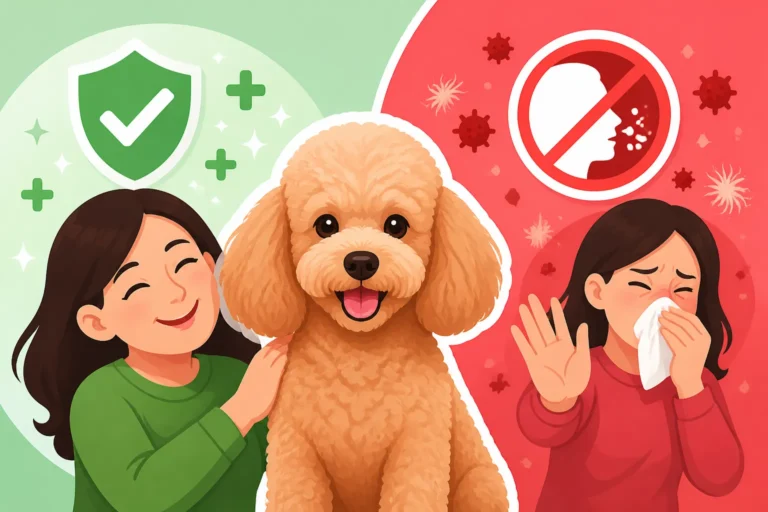
One of the primary reasons Poodles are chosen for crosses is their "hypoallergenic," non-shedding coat. While this is a huge benefit for allergy sufferers and those who dislike dog hair around the house, it comes with a significant trade-off: intensive grooming requirements.
The Poodle's Non-Shedding, High-Maintenance Coat
A purebred Poodle's coat is single-layered and grows continuously, much like human hair. Instead of shedding, loose hairs get caught in the surrounding curls, which is why they don't leave hair all over your furniture. However, these trapped hairs, combined with the continuous growth, mean the coat will quickly form dense mats if not regularly brushed and trimmed.
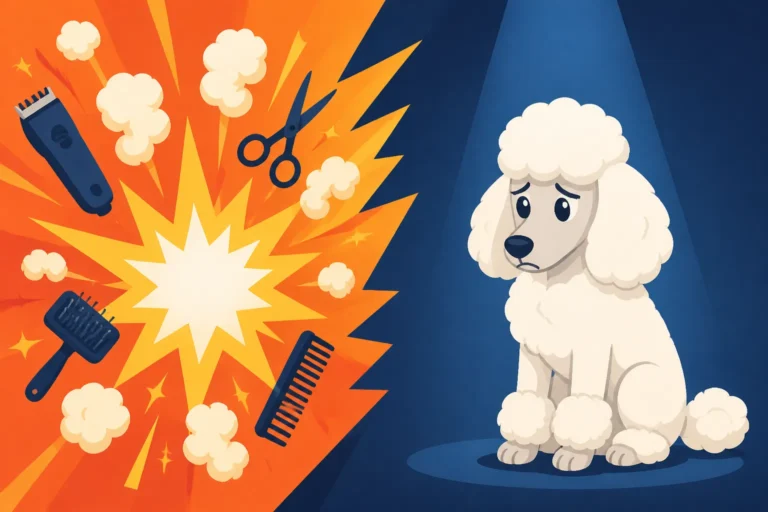
A Poodle needs brushing to the skin several times a week, if not daily, depending on the length of its coat. Professional grooming appointments are typically required every 4-8 weeks, where the dog is bathed, dried, and clipped. Skipping these appointments or neglecting home brushing will inevitably lead to painful matting that can only be resolved by shaving the dog down to the skin. This isn't just cosmetic; severe matting can cause skin infections, discomfort, and restrict movement. This intensive care is precisely What Grooming Adds to a Poodle's Lifetime Cost, and it's a non-negotiable part of Poodle ownership.
The Varied Coats of Doodles
Here's where the unpredictability of Doodles really shines (or doesn't). Because they are crossbreeds, Doodles can inherit a range of coat types, not just the low-shedding Poodle coat. You might see:
- Hair Coat: Similar to the non-Poodle parent, shedding significantly (e.g., Labrador-like fur).
- Fleece Coat: Wavy or shaggy, often soft and low-shedding, but still prone to matting. This is often the most desired coat type.
- Wool Coat: Very similar to a Poodle coat, tightly curled and non-shedding, requiring the same intensive grooming.
The "holy grail" for many Doodle owners is the fleece coat – low-shedding but not quite as demanding as a Poodle's wool coat. However, there's no guarantee a puppy will inherit this. A first-generation Doodle might shed heavily, completely defeating the purpose for allergy sufferers. Even if they get a low-shedding coat, all Doodle coat types, with the exception of a true shedding hair coat, require substantial grooming to prevent matting. They still have that continuously growing hair that purebred Poodles possess.
Grooming Challenges for Doodle Owners
Many Doodle owners, especially those new to the world of Poodle crosses, are often unprepared for the grooming demands. They might assume "low-shedding" means "low-maintenance," which couldn't be further from the truth. The diverse coat textures in Doodles can actually be more challenging to groom than a purebred Poodle's consistent wool coat. A wavy, dense fleece coat can mat deeply and quickly, particularly during "coat change" as the puppy fur transitions to adult fur, usually between 6-12 months of age.
Groomers often see Doodles arrive in severely matted conditions because owners underestimate the brushing required. Finding brushes and combs that can effectively penetrate the dense, sometimes cotton-like coats of Doodles is essential. Brands like Chewy offer a wide selection of grooming tools, from slicker brushes to greyhound combs, specifically designed for thick, curly coats, which are absolutely vital for a Doodle owner. Failing to brush through to the skin will lead to mats that gather near the skin, forming a solid felted layer. Regular professional grooming every 4-6 weeks is often a necessity, and this cost should be factored into the decision to bring a Doodle home.
Temperament, Training, and Predictability
Beyond health and grooming, temperament is a critical factor in choosing a canine companion. Here too, Poodles and Doodles present distinct profiles.
The Poodle's Consistent Character
One of the great advantages of a purebred Poodle is the predictability of its temperament. While individual personalities will always vary, the breed standard describes a dog that is intelligent, eager to please, loyal, active, and often quite sensitive. Poodles are known for their lively and affectionate nature, forming strong bonds with their families. They are generally good with children and other pets when properly socialized.
Their intelligence makes them highly trainable, but also means they require mental engagement to prevent boredom and destructive behaviors. They thrive on routine, consistency, and positive reinforcement. A Poodle's sensitivity means they do not respond well to harsh training methods; these can cause them to shut down or become fearful. If you're looking for a dog with a well-established, generally reliable set of temperament traits, a Poodle is a solid choice. They are keen observers and often develop a deep understanding of their family's routines and emotions.
The Personality Lottery of a Doodle
Just as with coat type, a Doodle's temperament can be a mix of traits from both parent breeds. This means there's less predictability compared to a purebred Poodle. A Goldendoodle, for instance, might inherit the Poodle's alertness and sensitivity, combined with the Golden Retriever's boisterous enthusiasm. Or it might lean more heavily on one side. While many Doodles are indeed wonderful, friendly dogs, there's no guarantee you'll get the "best of both worlds." You could end up with a shy Labradoodle or an overly energetic Bernedoodle, depending on the genetic lottery.
Breeders of Doodles often try to "stabilize" temperament over generations (F1b, F2, etc.), but even then, perfect predictability is hard to achieve without the hundreds of years of selective breeding that have gone into purebred lines. It's crucial for prospective Doodle owners to meet both parent dogs if possible, and to understand the typical temperaments of both parent breeds, rather than assuming a "Doodle" personality.
Training Considerations for Both
Both Poodles and Doodles are intelligent dogs that generally respond well to training. Their desire to please, combined with their sharp minds, makes them excellent candidates for obedience, agility, and other dog sports. However, their intelligence also means they can be adept at outsmarting their owners if training is not consistent and engaging.
For Poodles, consistency is key, and they thrive on positive reinforcement. They pick up cues quickly, but can also anticipate them or get bored if training is repetitive. For Doodles, the approach will depend more on the specific mix of traits. A more confident, driven Doodle might handle a slightly more rigorous training schedule, while a sensitive one will need the same gentle, positive methods as a Poodle. Regardless of whether you choose a Poodle or a Doodle, early socialization and puppy classes are essential. These experiences help shape a well-adjusted adult dog, and can provide valuable insights into your particular dog's personality and learning style.
The True Cost of Poodles vs. Doodles
Cost is always a factor in bringing a new dog into your life, and the initial purchase price is just the tip of the iceberg. Looking at Poodles versus Doodles, you'll find variations in upfront costs, but often surprising similarities in long-term expenses.
Initial Purchase Price and Breeder Practices
The initial purchase price for a Poodle puppy from a reputable breeder typically reflects the extensive health testing, quality care, and ethical breeding practices involved. Reputable Poodle breeders invest significant time and resources into ensuring the health and temperament of their breeding stock. They will usually provide health clearances for the parents (OFA, CERF, genetic testing for PRA, vWD, Addison's, etc.), offer a health guarantee, and often have a waiting list. These thorough practices contribute to a higher, but justifiable, puppy price. For a deeper look, check out Poodle Puppy Prices Across the Three Sizes.
Doodle puppy prices can vary wildly. Some Doodle breeders charge as much, if not more, than reputable purebred Poodle breeders, capitalizing on the "designer dog" trend. However, many Doodle breeders, unfortunately, do not engage in the same level of health testing or responsible breeding practices as established purebred kennels. This means you might pay a premium price for a puppy without the assurance of health screenings that should accompany such a cost. It's vital to research any breeder thoroughly, whether they breed Poodles or Doodles, to ensure you're supporting ethical practices. Ask for health certificates and vet references.
Lifetime Grooming and Vet Expenses
Regardless of whether you choose a Poodle or a Doodle with a low-shedding coat, you are committing to a significant lifetime expense for grooming. As discussed, these coats mat easily and require regular professional attention. Expect to budget for professional grooming every 4-8 weeks, which can add up quickly over a dog's lifespan. You'll also need to invest in quality grooming tools for home maintenance, like slicker brushes, combs, and appropriate shampoos and conditioners, many of which can be found conveniently on Chewy.
When it comes to vet expenses, both Poodles and Doodles can incur significant costs throughout their lives. Routine check-ups, vaccinations, and parasite prevention are standard for any dog. However, if you've chosen a dog from untested lines (either purebred Poodle or Doodle), you run a higher risk of unexpected vet bills for genetic conditions. For instance, addressing conditions like hip dysplasia or Addison's disease can be very expensive. Pet insurance is often recommended for both breeds to help manage these potential costs.
The Value of a Reputable Breeder
The common thread in all these considerations is the absolute importance of finding a reputable breeder. For purebred Poodles, this means a breeder who adheres to the breed standard, performs comprehensive health testing, raises puppies in a stimulating environment, and provides lifetime support. They will be transparent about their practices and eager to educate you about the breed.
For Doodle crosses, a reputable breeder will apply the same rigorous standards to both parent breeds. They will health test both the Poodle parent and the other breed parent for all relevant genetic conditions. They will not make exaggerated claims about "100% hypoallergenic" or "guaranteed health." They will be honest about the variability in coat and temperament in their crosses and prioritize the health and well-being of their dogs over profit. Ultimately, the quality of the breeder—not the "purebred" or "crossbred" label—is the most reliable indicator of a healthy, well-adjusted dog that will bring joy to your life for years to come.
| Feature | Purebred Poodle | Doodle Cross (F1 Generation) |
|---|---|---|
| Coat Predictability | Highly predictable (non-shedding, wool/curly) | Unpredictable (can be shedding fur, wavy fleece, or wool) |
| Grooming Needs | High: Requires frequent brushing & professional grooming | High: Often requires frequent brushing & professional grooming |
| Temperament Predictability | High: Consistent breed characteristics | Moderate to Low: Mix of traits from both parent breeds |
| Health Predictability | High: Known breed-specific risks, testable | Moderate: Risks from both parent breeds, testing crucial |
| Allergy Friendliness | Generally excellent (when well-groomed) | Variable: Depends on coat inheritance, can still shed |
| Initial Cost | Varies by size and breeder, reflects health testing | Varies wildly, may or may not reflect health testing |
| Breeding Standards | Established breed club standards (AKC, UKC) | No overarching breed standards for crosses |
Disclaimer
This article is for general informational purposes only and does not constitute professional advice. Laws, prices and regulations vary by location and change over time. Consult a qualified professional for guidance on your specific situation.