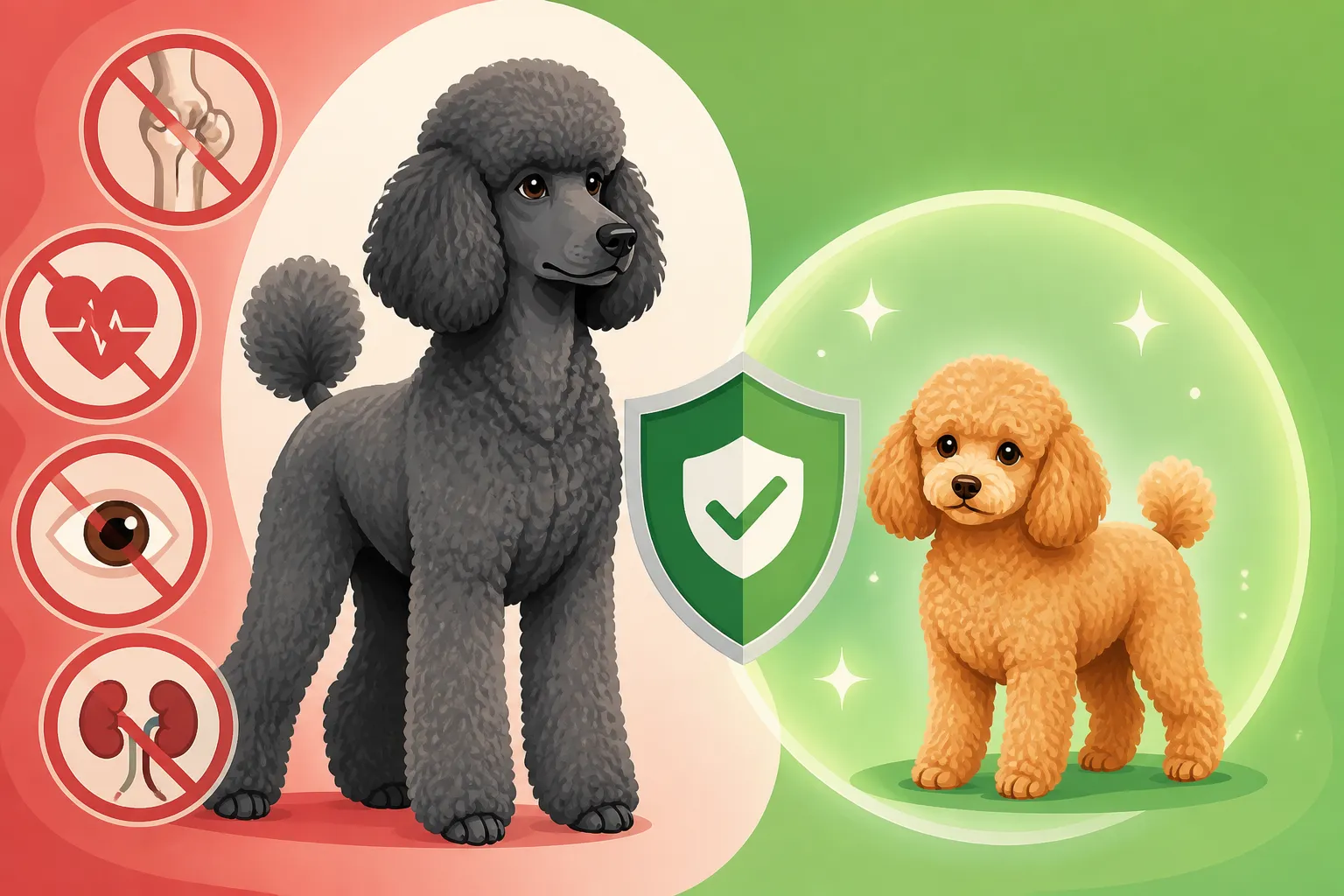
Standard Poodle Diseases Miniatures Rarely Get
It's a common misconception that all Poodles are created equal when it comes to their health. While they share the same elegant lineage and incredible intelligence, the truth is, a Standard Poodle's body works very differently from that of a tiny Miniature. This often means they face entirely distinct health challenges, and understanding these size-specific predispositions is crucial for every Poodle parent. This guide will walk you through the serious conditions that disproportionately affect Standard Poodles, shedding light on why these magnificent dogs have their own unique set of health concerns that their smaller counterparts rarely encounter.
The Unique Health Challenges of the Standard Poodle
Many Poodle enthusiasts often wonder, "Why Size Changes Which Diseases a Poodle Gets?" The answer lies deep within their genetics, their physical conformation, and even their sheer size and growth rate. Standard Poodles, with their impressive stature and lean build, have certain vulnerabilities that are almost unheard of in Miniature or Toy Poodles. It's not just about bigger bones; it's about the intricate ways their bodies are put together and the genetic legacies they carry.
Genetic Bottlenecks and Autoimmune Susceptibility
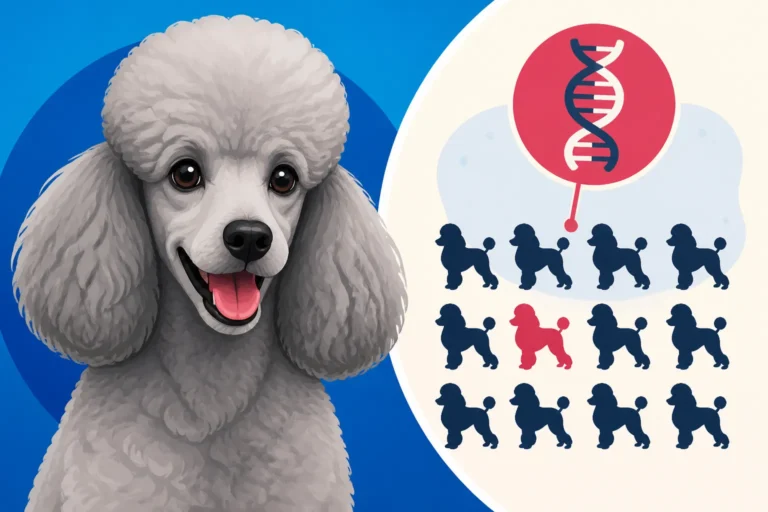
The history of the Standard Poodle, like many purebred dogs, involves periods of intense line breeding and selection for desirable traits. While this helped solidify their regal appearance and intelligent temperament, it also inadvertently narrowed their gene pool. This reduction in genetic diversity can increase the prevalence of certain inherited conditions, particularly autoimmune diseases. For Standard Poodles, this has unfortunately led to a heightened susceptibility to conditions where the immune system mistakenly attacks the body's own tissues. It’s a frustrating reality for many owners who discover that their beloved companion is battling an invisible enemy within. This is a topic often explored when considering "Why the Standard Poodle Gene Pool Narrowed."
Consider, for example, the complex interplay of genes that regulate the immune system. If a specific gene variant that predisposes a dog to an autoimmune condition becomes more common within a smaller gene pool, then the incidence of that disease will naturally rise in that population. This is precisely what has happened with certain conditions in Standard Poodles, making them a breed where vigilance for autoimmune issues is paramount. Contrast this with Miniature Poodles, which, while not immune to all health issues, tend to have a different set of genetic predispositions and often a broader genetic base for some traits, leading to a lower incidence of these specific autoimmune challenges.
Why Size Matters in Disease Expression
Beyond genetics, the sheer physical attributes of a Standard Poodle play a significant role in their health profile. Their large size means more tissue, more organs, and different biomechanical stresses on their joints compared to a Miniature Poodle. Furthermore, their rapid growth from a puppy to a mature adult puts immense strain on their developing skeletal system and organs. This rapid development phase can exacerbate certain genetic predispositions and create opportunities for conditions that are less likely to manifest in smaller, slower-growing breeds.
Take, for instance, the way gravity and mass interact with joint development. A Standard Poodle puppy, growing to over 22 inches at the shoulder, undergoes a tremendous amount of change in a short period. This rapid increase in weight and size means their joints must develop robustly and correctly under significant load. Any slight deviation or genetic flaw in this process can lead to serious orthopedic issues that might be less severe or even non-existent in a Miniature Poodle carrying the same genetic predisposition, simply because the miniature dog's smaller size places less stress on its developing frame. It's a cruel irony that their magnificent stature can contribute to some of their most significant health woes.
Addison's Disease: A Standard Poodle Predominance
When discussing serious health concerns unique to Standard Poodles, Addison's Disease often tops the list. Also known as hypoadrenocorticism, it's an insidious condition where the adrenal glands don't produce enough hormones, primarily cortisol and aldosterone. While it can occur in any dog breed, Standard Poodles are disproportionately affected, making it a critical health consideration for owners and breeders alike. This is a stark contrast to Miniature Poodles, where it is far less common.
Understanding Addison's in Standard Poodles
Addison's disease is an autoimmune condition where the body's immune system attacks and destroys the adrenal glands. These tiny glands, located near the kidneys, are vital for producing hormones that regulate metabolism, blood pressure, stress response, and electrolyte balance. Without sufficient production of these hormones, a dog's body essentially enters a slow decline, leading to a wide array of vague symptoms. For Standard Poodles, the genetic predisposition to this particular autoimmune disorder is well-documented. It's a frustrating situation because the onset can be so gradual, making it difficult for even the most observant owner to pinpoint something is seriously wrong. It's something many concerned owners look into when asking "How Common Addison's Is in Standard Poodles."
The genetic component is significant, highlighting the importance of responsible breeding practices and genetic testing in Standard Poodle lines. While not all Standard Poodles will develop Addison's, the elevated risk means owners need to be acutely aware of its potential and the subtle "First Signs of Addison's in a Poodle." In Miniature Poodles, while still possible, the genetic link is not as strong, and therefore, it's not a primary concern for the breed as a whole. This difference underscores how genetic bottlenecks have carved unique health paths for the different Poodle sizes.
The 'Great Pretender' Symptoms
One of the most challenging aspects of Addison's disease, especially in Standard Poodles, is its nickname: "The Great Pretender." The symptoms are notoriously vague and can mimic a host of other conditions, including simple gastrointestinal upsets, kidney disease, or even behavioral issues. A dog might experience intermittent vomiting, diarrhea, lethargy, loss of appetite, increased thirst, or weight loss. These signs often wax and wane, making it easy to dismiss them as a passing upset stomach or a dog having an "off day." Owners might mistakenly think their Poodle is just sulking, a common misinterpretation, as discussed in "Poodle Addison's Mistaken for Sulking."
The fluctuating nature of these symptoms can delay diagnosis for months, or even years, until a severe "Addisonian crisis" occurs. This crisis is a life-threatening emergency characterized by sudden, profound weakness, collapse, severe vomiting, diarrhea, and shock. At this point, immediate veterinary intervention is required. Because Miniature Poodles rarely get Addison's, these vague symptoms in a smaller Poodle might lead a vet to consider many other common small-breed ailments first, whereas in a Standard Poodle, Addison's should always be on the differential list given the breed's known predisposition.
Diagnosis and Management Differences
Diagnosing Addison's in a Standard Poodle involves specific blood tests, primarily an ACTH stimulation test, which is the definitive diagnostic tool. This test measures the adrenal glands' response to a synthetic hormone. Once diagnosed, the management of Addison's is lifelong. Most dogs require daily oral corticosteroids (like prednisone) and monthly injections of desoxycorticosterone pivalate (DOCP), such as Zycortal or Percorten-V, to replace the missing mineralocorticoids. The goal is to stabilize electrolyte levels and manage symptoms, allowing the dog to lead a normal, active life. Detailed information can be found in "Lifelong Treatment for an Addisonian Poodle."
The cost of these medications and regular vet check-ups can be substantial. This is where a robust pet insurance policy, like one from Healthy Paws, can be an absolute lifesaver. Knowing that a significant portion of the ongoing medical expenses for Addison's treatment will be covered can alleviate immense financial stress for owners, allowing them to focus on providing the best care for their Poodle. Furthermore, owners of Addisonian Poodles must be trained in "Stress Dosing a Poodle With Addison's," which means temporarily increasing medication during times of physical or emotional stress (like travel, surgery, or even a severe thunderstorm) to prevent a crisis. This level of specialized, ongoing care is a unique aspect of owning a Standard Poodle with Addison's, and it's a commitment that Miniature Poodle owners are far less likely to face.
Gastric Dilatation-Volvulus (Bloat): A Standard Poodle Emergency
Bloat, scientifically known as Gastric Dilatation-Volvulus (GDV), is arguably one of the most terrifying and rapidly fatal conditions a dog owner can face. And for Standard Poodles, it is a risk that looms large, largely due to their specific physical conformation. It's a condition that Miniature Poodles, with their compact chests, almost never experience, making it a distinctly Standard Poodle concern.
The High-Risk Standard Poodle Chest
The primary anatomical reason Standard Poodles are so susceptible to bloat is their deep, narrow chest. This distinctive conformation, which contributes to their elegant silhouette, also creates a dangerous environment within their abdomen. When bloat occurs, the stomach first fills with gas (dilatation), causing it to expand like a balloon. In GDV, this gas-filled stomach then twists on its axis (volvulus), cutting off blood flow to the stomach and often the spleen, and trapping the gas and food inside. This twisting action is much more likely to happen in a spacious abdominal cavity that allows the stomach to "swing" freely, which is exactly what a deep, narrow chest provides.
A Standard Poodle's chest acts almost like a bell, allowing the stomach to distend and then rotate. Contrast this with the broad, shallow chest of a Miniature Poodle, where there's simply less room for the stomach to expand significantly or to perform a full rotation. This anatomical difference fundamentally shifts the risk profile, making GDV a specific concern that Standard Poodle owners must always be aware of, while Miniature Poodle owners can typically breathe easier regarding this particular emergency. Owners often search for "Bloat and the Deep Standard Poodle Chest" to understand this risk.
Recognizing the Critical Signs
The onset of bloat is terrifyingly rapid, and the window for successful intervention is incredibly small. Time is of the essence, as every minute counts. Owners of Standard Poodles must be intimately familiar with the symptoms of bloat because waiting even an hour can drastically reduce survival chances. The key signs include unproductive retching (trying to vomit but nothing comes up), a distended or swollen abdomen (which may be subtle at first), restlessness, pacing, excessive drooling, pain when the abdomen is touched, and signs of shock like pale gums, rapid heart rate, and collapse. For detailed information, refer to "Emergency Signs of Poodle Bloat."
If you suspect bloat, you absolutely cannot wait; your dog needs emergency veterinary care immediately. This isn't a situation for "let's wait and see" – it's a dash to the nearest emergency clinic. For Miniature Poodle owners, if their dog exhibits similar symptoms like unproductive retching, it's far more likely to be a simple upset stomach, foreign body obstruction, or pancreatitis, still serious but generally not the immediate, life-or-death emergency that bloat represents for a Standard Poodle. This acute distinction in emergency management highlights the vast difference in health risks between the sizes.
Preventive Measures and Gastropexy
While bloat cannot be entirely prevented, several strategies can help reduce the risk in Standard Poodles. These include feeding multiple small meals instead of one large one, using slow-feeder bowls, avoiding vigorous exercise immediately before and after meals, and managing stress. However, for many Standard Poodle owners, the most significant preventive measure is a prophylactic gastropexy. This surgical procedure involves tacking the stomach to the abdominal wall, preventing it from twisting. While it doesn't prevent the stomach from dilating with gas, it eliminates the deadly volvulus component.
Gastropexy is almost exclusively recommended for large, deep-chested breeds like Standard Poodles, especially those with a family history of bloat. The surgery can be performed conventionally or laparoscopically, often at the same time as spaying or neutering. The cost of a prophylactic gastropexy, and certainly emergency bloat surgery, can be substantial. A typical emergency bloat surgery can easily run into several thousands of dollars, a figure that can financially devastate a family without warning. Again, this is where pet insurance, such as Healthy Paws, proves invaluable, offering financial protection against such unforeseen, costly, and critical emergencies. Information like "Gastropexy Surgery Costs for a Standard Poodle" helps owners prepare. For Miniature Poodle owners, considering a gastropexy would be highly unusual, as their risk profile does not warrant such an invasive preventive measure.
Sebaceous Adenitis (SA): A Skin Condition with Standard Poodle Roots
Beyond internal organs and acute emergencies, Standard Poodles also have a pronounced predisposition to certain skin conditions that are less common in their smaller relatives. One such condition is Sebaceous Adenitis (SA), a frustrating and often misunderstood dermatological disease.
What is Sebaceous Adenitis?
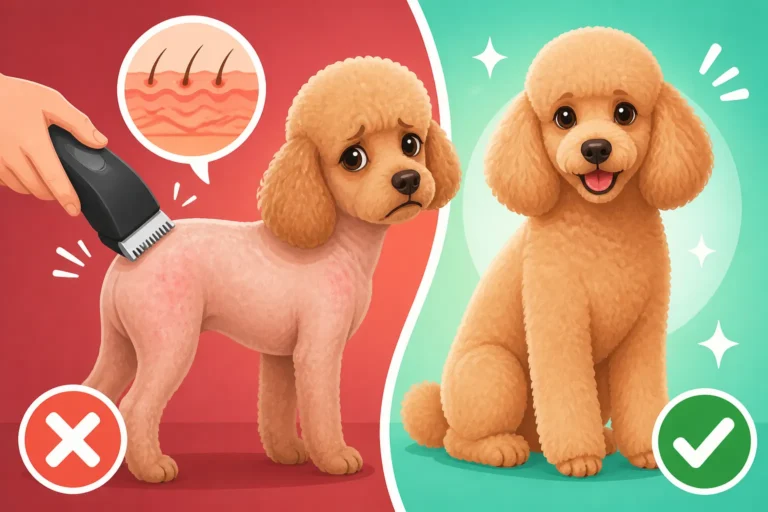
Sebaceous Adenitis is an inflammatory autoimmune disease that affects the sebaceous glands in the skin. These glands produce sebum, an oily substance that lubricates the skin and hair. In dogs with SA, the immune system mistakenly attacks and destroys these glands. When the glands are destroyed, the skin loses its natural lubrication, leading to dry, scaly skin and brittle, sparse hair. Standard Poodles, particularly, have a strong genetic predisposition to SA, making it a breed-specific concern that is rarely seen in Miniature Poodles. It is one of the conditions that truly differentiates the health landscape across the Poodle varieties.
The hereditary nature of SA means that it's often passed down through generations, making it a crucial consideration for responsible breeders to screen their breeding stock. While its exact mode of inheritance can be complex, avoiding affected or carrier dogs in breeding programs is essential to reduce its prevalence. For owners, understanding this genetic link helps contextualize why their beautiful Poodle might be facing such a challenging skin issue.
Symptoms and Progression
The symptoms of Sebaceous Adenitis typically begin with scaly skin, dandruff, and a dull, brittle coat. As the disease progresses, owners may notice patches of hair loss, particularly along the back, top of the head (including the topknot), ears, and tail. The skin underneath can become thickened, discolored, and develop secondary bacterial or yeast infections due to the impaired skin barrier. This can lead to itching, odor, and further discomfort for the dog. Owners often first notice "Early Sebaceous Adenitis on a Poodle's Topknot" or along the spine.
Because the symptoms can resemble other common skin conditions like allergies, hypothyroidism, or even just dry skin, diagnosis often requires a skin biopsy performed by a veterinary dermatologist. This is a significant difference from Miniature Poodles, where a dry coat and flaky skin would typically point towards environmental allergies, dietary deficiencies, or hormonal imbalances rather than a rare autoimmune condition like SA. The diagnostic journey for a Standard Poodle often has SA on the differential list much earlier than for a Miniature.
Managing SA in Standard Poodles
Managing Sebaceous Adenitis in Standard Poodles is a lifelong commitment, as there is currently no cure. The goal of treatment is to alleviate symptoms, reduce inflammation, and restore skin health. This often involves a multi-pronged approach:
- Topical Therapies: Regular bathing with specialized shampoos (e.g., degreasing or medicated shampoos) and conditioning rinses is crucial. "Oil Soaks for a Poodle With Adenitis" using mineral oil or essential fatty acid preparations can help rehydrate the skin and loosen scales.
- Oral Medications: In some cases, oral supplements like essential fatty acids or vitamin A derivatives might be used. For more severe cases, immunosuppressive drugs such as cyclosporine (Atopica) may be prescribed to calm the immune system's attack on the glands.
- Addressing Secondary Infections: Antibiotics or antifungals are often necessary to clear up secondary bacterial or yeast infections that commonly occur with SA.
The dedication required for managing SA can be considerable, involving frequent baths, meticulous coat care, and ongoing veterinary supervision. This intensive care, while rewarding, highlights another distinct health challenge more prevalent in Standard Poodles than in their smaller kin.
Orthopedic Concerns More Common in Larger Poodles
While all Poodles can be susceptible to some orthopedic issues, the larger size and faster growth rate of Standard Poodles mean they are more prone to certain conditions, or experience them with greater severity, than Miniature Poodles. Their skeletal structure bears more weight and stress, making robust bone and joint health paramount.
Hip Dysplasia
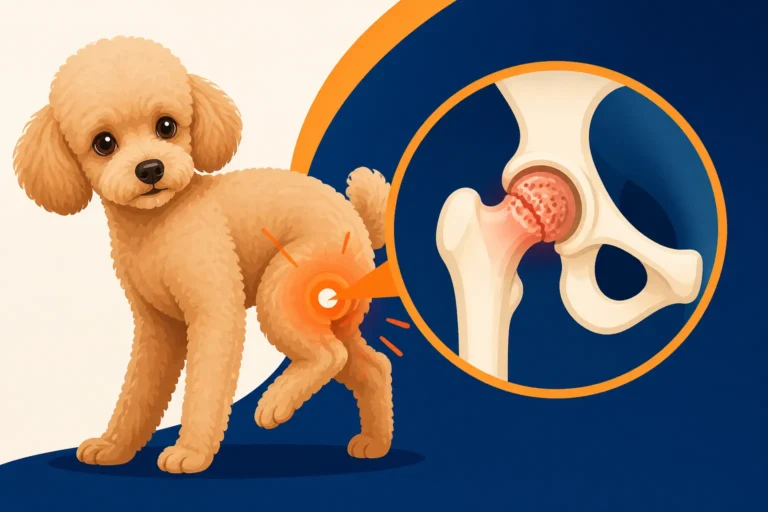
Hip dysplasia is a malformation of the hip joint where the ball and socket don't fit together properly. This leads to instability, wear and tear, and eventually debilitating arthritis. While it's a common orthopedic issue across many dog breeds, large and giant breeds are particularly susceptible, and Standard Poodles fall squarely into this category. The sheer body mass and the forces exerted on their hip joints make proper development critical. A slight laxity in a Miniature Poodle's hip might not cause significant clinical signs for years, but in a Standard Poodle, that same degree of laxity can lead to severe pain and lameness much earlier in life.
Reputable Standard Poodle breeders meticulously screen their breeding dogs for hip dysplasia using evaluations from organizations like the Orthopedic Foundation for Animals (OFA) or PennHIP. These "Hip Scores Standard Poodle Breeders Publish" are vital for ensuring that puppies are born with the best possible genetic start. However, even with careful breeding, environmental factors like rapid growth from overfeeding or excessive strenuous exercise during puppyhood can exacerbate a predisposition. In contrast, while Miniature Poodles can technically get hip dysplasia, it's far less common and generally less severe than the forms seen in Standard Poodles; their smaller frame simply places less stress on the joint.
Elbow Dysplasia
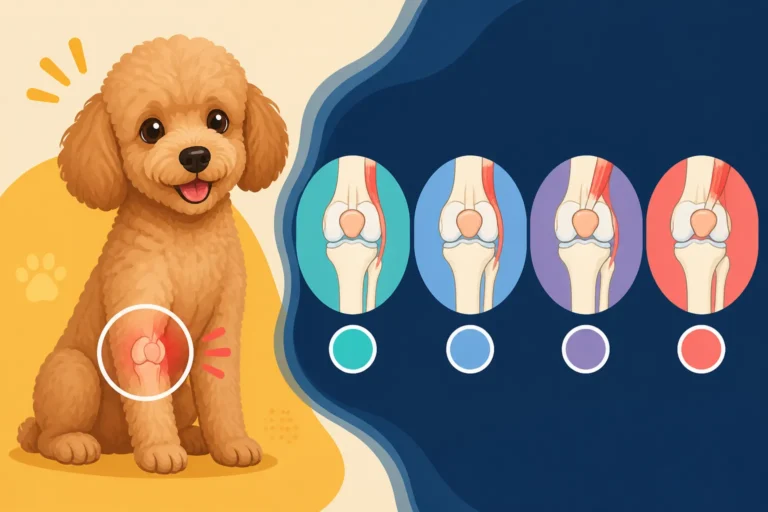
Similar to hip dysplasia, elbow dysplasia is a complex condition involving abnormal development of the elbow joint. It encompasses several specific developmental abnormalities that lead to joint incongruity, pain, and arthritis. This condition is also predominantly seen in larger, fast-growing breeds, including Standard Poodles. The rapid growth of bones in their forelegs means that even minor discrepancies in bone growth rates can lead to significant problems in the tightly fitting elbow joint.
Symptoms often include forelimb lameness, stiffness, and reluctance to exercise. Like hip dysplasia, ethical Standard Poodle breeders will screen their breeding stock for elbow dysplasia to minimize its occurrence in their lines. These screenings are a critical part of a comprehensive health testing panel that breeders should perform. For owners, understanding the potential for these conditions means being attentive to any signs of lameness and ensuring their growing puppy receives appropriate nutrition and exercise to support healthy joint development. The incidence and severity of elbow dysplasia are significantly lower in Miniature Poodles, again underscoring the size-dependent nature of certain orthopedic risks.
Comparing Standard and Miniature Poodle Health
To put it all into perspective, here's a table summarizing the key health differences discussed, highlighting why these conditions are predominantly a Standard Poodle concern compared to their Miniature counterparts.
| Disease / Condition | Standard Poodle Predisposition | Miniature Poodle Predisposition | Key Reason for Difference |
|---|---|---|---|
| Addison's Disease | High genetic predisposition due to narrowed gene pool. Common autoimmune disorder. | Rare, not a breed-specific concern. | Genetic heritage and specific autoimmune genetic markers. |
| Gastric Dilatation-Volvulus (Bloat) | High risk due to deep, narrow chest conformation. Life-threatening emergency. | Extremely rare; chest conformation does not predispose to it. | Anatomical structure of the chest cavity. |
| Sebaceous Adenitis (SA) | Significant genetic predisposition; a primary autoimmune skin disease. | Rare; other skin issues (allergies) are more common. | Genetic heritage and specific autoimmune genetic markers affecting skin. |
| Hip Dysplasia | Higher incidence and severity due to larger size, rapid growth, and weight bearing. | Less common and typically less severe due to smaller size and less stress on joints. | Body size, weight, and biomechanical stress on joints. |
| Elbow Dysplasia | More common due to rapid growth of long bones and increased stress on elbow joints. | Significantly less common due to smaller size and reduced stress during development. | Rapid growth rate and weight bearing in developing joints. |
| Thyroid Disease | Hypothyroidism is common across Poodles but can be more prevalent/severe in Standards. | Hypothyroidism is common, but other autoimmune conditions are less pronounced. | While common to both, genetic predispositions can vary in prevalence. |
| Von Willebrand Disease | Can occur in Standard Poodles, though less common than some other large breeds. Hereditary. | More prevalent in some Miniature Poodle lines (Type I is a concern). | Specific genetic mutations vary in prevalence by Poodle size. |
This table helps illustrate that while there can be some overlap, the health landscape for Standard Poodles is uniquely shaped by their size, conformation, and specific genetic predispositions, making it vital for owners to be aware of these particular challenges. Understanding "Why Poodle Health Splits by Size" is truly key.
Disclaimer
Please remember that this article is intended for informational purposes only and should not be considered a substitute for professional veterinary advice. Always consult with a qualified veterinarian for any health concerns or before making any decisions about your Poodle's medical care.