Poodle Addison’s Mistaken for Sulking
It's incredibly frustrating, isn't it? One minute your Poodle is their usual vibrant, playful self, and the next they're withdrawn, refusing to eat, or just generally "off." As a Poodle parent, you know they're sensitive souls, and it's easy to dismiss these changes as a bad mood, a sulk after you left for work, or simply being particular. But what if it's something more serious? This guide will help you understand why Poodle Addison's disease is so often mistaken for sulking and how to tell the difference between a mood and a medical emergency.
The Deceptive Nature of Addison's Disease in Poodles
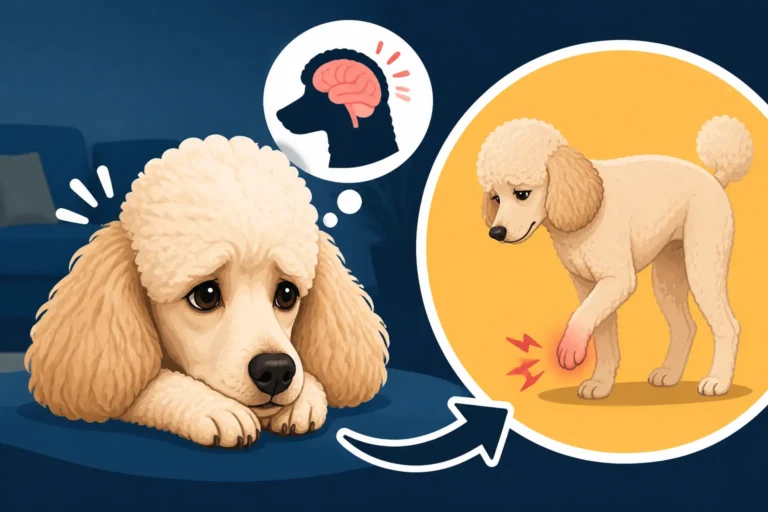
Poodles, with their inherent intelligence and sometimes almost human-like emotional responses, can make deciphering their moods a real challenge. They're known for being sensitive, and if they feel ignored or perceive a slight, they might indeed act distant or refuse to engage. This very trait, however, can tragically mask the early signs of a serious illness like Addison's disease, leading many well-meaning owners to assume their beloved companion is merely having a "Poodle moment." It's a cruel trick of nature, turning their endearing sensitivity against them.
Why Poodles Mask Their Pain
It's a common characteristic among many dog breeds, Poodles included, to instinctively hide signs of pain or weakness. In the wild, showing vulnerability can make an animal a target. While our pampered Poodles aren't fending off predators, this deeply ingrained instinct persists. They might retreat to a quiet corner, become less interactive, or simply try to act "normal" even when they feel quite unwell. This stoicism, combined with their emotional intelligence, means that overt symptoms often only appear once the disease has progressed significantly, making early detection difficult without a keen eye and deep understanding of your Poodle's baseline behavior.
For instance, you might notice your Poodle, usually enthusiastic about their morning walk, is now lagging behind or showing less interest in chasing a ball. Instead of immediately thinking "pain," your mind might jump to "they're just being lazy today" or "they're still grumpy from being woken up early." It takes a conscious effort to consider that these subtle shifts could be more than just a passing mood. Understanding Why a Sensitive Poodle Hides Illness is crucial for every Poodle owner, as it highlights the need for vigilance even when symptoms seem minor.
Initial Signs That Mimic Behavior Issues
The initial signs of Addison's disease are notoriously vague and non-specific, often making them seem like typical behavioral quirks. A Poodle who is usually a "velcro dog" might suddenly prefer to be alone, or one who normally greets you with boundless energy might offer a subdued tail wag. Changes in appetite can be mistaken for pickiness, especially if your Poodle has always been somewhat finicky. Perhaps they're usually a champion counter-surfer but now ignore a dropped crumb – you might think they're "being good" rather than feeling nauseous.
This mimicry makes it particularly challenging for owners to connect the dots. A Poodle's refusal to eat their favorite treat could be attributed to a change in their taste buds, or a sudden lethargy could be written off as a long night of dreaming. It's often only in retrospect, after an Addisonian crisis has occurred, that owners realize these seemingly minor behavioral deviations were actually early warning signs. This is why paying close attention to any deviation from your Poodle's normal routine, no matter how small, is incredibly important.
The "Great Pretender" in Poodle Health
Addison's disease has earned the nickname "The Great Pretender" among veterinarians because its symptoms can masquerade as so many other conditions – from gastrointestinal upset to kidney disease, and yes, even behavioral issues. This makes diagnosis particularly tricky, as vets often have to rule out a host of other common ailments before Addison's comes into sharper focus. For Poodle owners, this means enduring a period of uncertainty, multiple vet visits, and often a growing sense of frustration as their dog's condition remains a mystery.
The insidious nature of Addison's means symptoms can wax and wane. Your Poodle might seem perfectly fine one day, full of bounce and joy, only to crash the next. This intermittent nature further reinforces the idea that it's a "mood swing" rather than a consistent illness. It's a truly heartbreaking situation when owners attribute their Poodle's declining health to a character flaw, only to discover later that a serious, treatable condition was at play. This reinforces the need for deep dives into specific health concerns like Why Poodle Addison's Is the Great Pretender, which thoroughly explains these deceptive patterns.
Understanding Addison's Disease in Poodles
Addison's disease, or hypoadrenocorticism, is a serious condition that results from the adrenal glands not producing enough hormones, specifically cortisol and aldosterone. These hormones are vital for regulating a huge range of bodily functions, including metabolism, stress response, and electrolyte balance. When their production is compromised, the effects on a Poodle's health can be widespread and severe, eventually leading to a life-threatening "Addisonian crisis" if left untreated.
What Exactly is Addison's Disease?
At its core, Addison's disease is an endocrine disorder. The adrenal glands, located near the kidneys, are responsible for producing several hormones. In dogs, Addison's most commonly occurs when the immune system mistakenly attacks and destroys the adrenal cortex, the outer part of the adrenal glands. This is known as primary Addison's. Less commonly, secondary Addison's can occur due to a problem with the pituitary gland, which controls the adrenal glands, or as a side effect of certain medications. Without sufficient cortisol, the body struggles to cope with stress, regulate blood sugar, and maintain proper immune function. Without enough aldosterone, critical electrolytes like sodium and potassium become imbalanced, affecting heart and kidney function.
Imagine your Poodle's body is a finely tuned orchestra, and the adrenal glands are the conductor. When the conductor is ill, the entire orchestra starts playing out of tune, leading to widespread disharmony. This hormonal imbalance manifests in the various non-specific symptoms we often see. Because these hormones are involved in so many processes, the symptoms can literally affect every system in the body, which is why it's so hard to pin down initially.
Why Poodles Are Prone to Addison's
While any dog can develop Addison's disease, Poodles, particularly Standard Poodles, are disproportionately affected, indicating a strong genetic predisposition. It's one of the more common inherited diseases in the breed. This genetic link suggests that careful breeding practices, including screening potential breeding dogs, are essential for reducing the incidence of this condition. Reputable breeders are keenly aware of this and often include Addison's on their list of health clearances, alongside hip and eye examinations.
The exact genetic mechanism is complex and not fully understood, but it is clear that Poodles are overrepresented in cases of Addison's. This increased risk places a greater responsibility on Poodle owners to be vigilant about the symptoms. If you own a Standard Poodle, the possibility of Addison's should always be on your radar, especially if you notice unexplained changes in their energy, appetite, or overall demeanor. For those considering getting a Poodle, inquiring about the prevalence of Addison's in the specific lines is crucial, as discussed in How Common Addison's Is in Standard Poodles.
The Difference Between Atypical and Typical Addison's
Understanding the two main forms of Addison's disease – typical and atypical – can be helpful, though both present diagnostic challenges.
Typical Addison's Disease (Primary Hypoadrenocorticism):
This is the more common and often more severe form. In typical Addison's, both mineralocorticoids (like aldosterone) and glucocorticoids (like cortisol) are deficient. The lack of aldosterone leads to dangerous electrolyte imbalances, particularly high potassium and low sodium, which can cause life-threatening cardiac issues and kidney problems. This form is usually what leads to an Addisonian crisis, where the dog collapses, goes into shock, and requires immediate emergency treatment. The symptoms are often more pronounced and can include vomiting, diarrhea, profound lethargy, and weakness.
Atypical Addison's Disease:
In atypical Addison's, only the glucocorticoids (cortisol) are deficient, while mineralocorticoid production (aldosterone) remains relatively normal. This means that the critical electrolyte imbalances seen in typical Addison's might not be present, making diagnosis even harder. Dogs with atypical Addison's often present with more vague symptoms like intermittent lethargy, poor appetite, weight loss, and general malaise. They may not experience the severe, life-threatening crises associated with typical Addison's, but their quality of life can still be significantly impacted. The absence of electrolyte abnormalities means that routine blood work might not flag the condition, necessitating more specific diagnostic tests. This distinction is important because the treatment approach can vary slightly, especially regarding mineralocorticoid replacement.
Differentiating Addison's from Typical Poodle 'Sulking'
This is where the rubber meets the road for many Poodle owners. How do you tell if your Poodle is truly feeling unwell or just being dramatic because you looked at them funny? It's not always easy, but understanding your Poodle's individual personality and carefully observing changes can provide vital clues. Remember, while Poodles can sulk, prolonged or severe changes are almost always a red flag.
Poodle Sensitivity and Emotional Responses
Poodles are renowned for their intelligence and sensitivity. They can pick up on subtle changes in your mood, the household routine, or even the weather. A Poodle might genuinely "sulk" if they feel left out, if a new pet arrives, or if their favorite person goes on vacation. They might become withdrawn, refuse to make eye contact, or even ignore commands they usually obey perfectly. This isn't necessarily malicious; it's often their way of expressing discontent or anxiety.
However, a Poodle's emotional responses, even when they seem dramatic, rarely involve severe physical symptoms. A sulking Poodle might refuse a treat out of spite for a moment, but they'll likely still eat their dinner later. They might avoid you, but they won't typically exhibit profound weakness, shivering, or vomiting. The key is to look beyond the initial emotional display and assess the underlying physical state. If the "sulking" seems disproportionate, prolonged, or accompanied by any physical symptoms, it’s time to be concerned. This is especially true when considering Reading Pain in a Sensitive Poodle, as Poodles have unique ways of communicating discomfort.
Key Behavioral Indicators of Illness vs. Mood
To help distinguish between a temporary mood and a genuine health issue, it's useful to consider a matrix of behaviors. A sulking Poodle might choose not to engage, but they still could if coaxed. An ill Poodle cannot engage, even if they want to.
Here’s a breakdown of indicators:
| Behavior | Poodle 'Sulking' (Behavioral) | Addison's Disease (Medical) |
|---|---|---|
| Appetite | May initially refuse favorite treat, but eventually eats. | Persistent poor appetite, skips meals, refuses favorite foods. |
| Energy Level | Appears withdrawn, but can perk up with attention/play. | Profound lethargy, weakness, unwillingness to move. |
| Interaction | Avoids eye contact, seeks solitude, but not in distress. | Disinterested, dull, unable to respond to usual stimuli. |
| Vomiting/Diarrhea | Rare, unless accompanied by anxiety-induced GI upset. | Common, intermittent or persistent, can be severe. |
| Drinking Habits | Normal or slightly less if anxious. | Increased thirst (polydipsia) or decreased due to nausea. |
| Tremors/Shaking | Absent. | May occur, especially with weakness or stress. |
| Response to coaxing | May eventually respond to favorite toy or activity. | Often unresponsive or weakly responsive, even to high-value items. |
| Duration | Usually resolves within hours, maybe a day. | Persists, recurs, or worsens over days/weeks. |
| Gum Color | Normal pink. | Pale, indicating anemia or poor circulation. |
| Weight | Stable. | May experience unexplained weight loss. |
This table isn't exhaustive, but it provides a framework. The key is the combination of symptoms and their persistence. One or two minor behavioral shifts could be a mood, but several combined physical and behavioral changes, especially if they last more than a day, warrant concern.
Tracking Changes for a Clearer Picture
The best way to differentiate is to become an expert observer of your own Poodle. Start by knowing their normal baseline: how much do they eat daily? How active are they? What's their usual demeanor when you come home? Keep a small journal or use a note on your phone to track any changes. Note the date, the specific behavior, its duration, and any accompanying physical symptoms.
For example, "Tuesday, Nov 7: Fifi refused breakfast, then vomited once. Seemed subdued all day, didn't want to play. Usually eats everything. Still seemed 'off' but ate dinner later." Or, "Friday, Nov 10: Fifi very quiet, didn't greet me at the door. Drank a lot of water. Refused dinner completely. Shivering intermittently. This isn't like her." This kind of detailed record will be invaluable when you speak to your veterinarian. It prevents you from relying solely on memory and helps you present a clear, objective picture of what's happening. Many Poodle owners have found that having a pet insurance plan like Healthy Paws can alleviate some of the financial stress associated with these investigative vet visits, encouraging prompt action without hesitation.
Recognizing the Early, Subtle Physical Symptoms
Beyond the behavioral changes that mimic sulking, Addison's disease often presents with subtle physical symptoms that are easily overlooked or attributed to other minor ailments. These can build up over time, and recognizing them early can literally be life-saving. Don't wait for a crisis to connect the dots.
Gastrointestinal Upset and Appetite Changes
One of the most common early indicators of Addison's is intermittent or chronic gastrointestinal upset. This can manifest as:
- Vomiting: Not necessarily severe, projectile vomiting, but it might be occasional regurgitation, dry heaving, or throwing up bile. It might happen after meals or seemingly at random. A Poodle might have a sensitive stomach sometimes, but persistent or recurring vomiting is a major red flag.
- Diarrhea: Again, it might not be continuous explosive diarrhea. It could be loose stools, soft stools, or occasional bouts of diarrhea that come and go. Many owners might attribute this to a dietary indiscretion or stress, which can delay recognizing the underlying cause.
- Decreased Appetite (Anorexia): This is where it really blends with "sulking." Your Poodle might just pick at their food, or flat-out refuse meals. They might turn their nose up at treats they usually adore. This isn't just being finicky; it's often a sign of nausea or a general feeling of malaise that accompanies low cortisol levels.
- Weight Loss: Over time, if appetite is consistently poor and the body isn't processing nutrients effectively, weight loss will occur. This can be hard to spot in a fluffy Poodle, whose coat can hide a lot, so regular weighing is important.
If you observe these GI symptoms, especially if they are recurrent or accompanied by other changes, it’s imperative to take them seriously. This is often among the First Signs of Addison's in a Poodle.
Lethargy and Weakness Beyond Laziness
Another hallmark symptom that can be confused with simply being "tired" or "lazy" is lethargy and generalized weakness. Your Poodle might:
- Be less active: They might not want to go on walks, play their favorite games, or engage in their usual zoomies. They might prefer to lie down more often. This isn't just about refusing to obey a command; it's a lack of genuine energy.
- Exhibit generalized weakness: They might struggle to climb stairs, jump onto the couch, or even stand up quickly. Their movements might seem less coordinated or more deliberate.
- Spend more time sleeping: While Poodles love their naps, an Addisonian Poodle might sleep excessively or seem unable to fully "wake up" and be alert even when roused.
This lethargy can be subtle at first, especially in older Poodles who naturally slow down, or in Toy Poodles who have lower energy needs than a Standard. However, if your Poodle's energy level takes a noticeable dip that isn't explained by extreme heat, recent intense exercise, or old age, it's a symptom that demands attention. A conversation with your vet about these subtle changes can make all the difference, and a good insurance provider like Healthy Paws can help cover the cost of diagnostic tests.
Shivering, Shaking, and Muscle Tremors
While not always present, shivering, shaking, or muscle tremors can occur in Poodles suffering from Addison's disease. These are often signs of electrolyte imbalances or the body struggling under stress due to insufficient cortisol.
- Shivering: This might happen even in a warm environment, suggesting it's not due to cold. It can be generalized or localized to certain muscle groups.
- Shaking: Similar to shivering, but often more pronounced, particularly when the dog is trying to exert itself or is under any kind of stress.
- Muscle Tremors: You might notice fine tremors in their legs or other body parts. This is a more concerning sign, indicating a deeper physiological issue.
It's easy to dismiss a little shiver as "being cold" or "being nervous," especially since Poodles can be sensitive. However, if your Poodle is shivering or shaking without a clear external reason, or if it's persistent, it should be investigated. These signs often point to the body's inability to regulate itself properly, a key feature of Addison's disease.
When to Seek Veterinary Attention for Suspected Addison's
Knowing when to transition from observing to acting is critical. Given the insidious nature of Addison's, and its potential to lead to a life-threatening crisis, it's always better to err on the side of caution. If you have any doubt, a vet visit is the safest course of action.
The Critical Role of Early Diagnosis
Early diagnosis of Addison's disease is paramount. The longer the condition goes undiagnosed, the more damage it can inflict on the body, and the higher the risk of an Addisonian crisis. An Addisonian crisis is a medical emergency where the body essentially goes into shock due to extreme hormonal deficiency. Symptoms can include collapse, severe vomiting and diarrhea, dehydration, and a dangerously low heart rate. Without immediate veterinary intervention, an Addisonian crisis can be fatal.
Catching Addison's early, even in its milder, atypical forms, allows for proper management and can significantly improve your Poodle's quality of life and prognosis. It also spares your Poodle from prolonged periods of feeling unwell and you, as an owner, from the emotional toll of seeing your dog decline without understanding why. This often means running specific tests, detailed in Diagnosing Addison's in a Standard Poodle, which go beyond routine bloodwork.
Communicating Your Concerns to the Vet
When you bring your Poodle to the vet with vague symptoms, clear and comprehensive communication is essential. Don't just say, "My Poodle is sulking." Instead:
- Provide a detailed history: Mention all the subtle changes you've observed, both behavioral and physical, and how long they've been occurring. Refer to your notes if you've been keeping them.
- Emphasize the pattern: Highlight if symptoms are intermittent, worsening, or occurring at specific times.
- Mention breed predisposition: Remind your vet (though they should know) that Poodles are prone to Addison's. This can help prompt them to include it in their differential diagnoses earlier.
- Don't dismiss your gut feeling: You know your Poodle best. If something feels truly "off" and beyond their usual personality, convey that strong intuition to your vet.
It's not uncommon for vets to initially pursue other, more common diagnoses, especially since Addison's is rare enough that it might not be the first thing that comes to mind. Your detailed observations can help guide them towards the correct path. Be prepared for a thorough physical exam and initial blood work. If the suspicion of Addison's remains, specific tests will be required, as outlined in How a Vet Confirms Poodle Addison's.
Preparing for Diagnostic Tests
If Addison's is suspected, your veterinarian will likely recommend specific diagnostic tests to confirm or rule out the condition. The gold standard for diagnosis is the ACTH (adrenocorticotropic hormone) stimulation test.
The ACTH Stimulation Test:
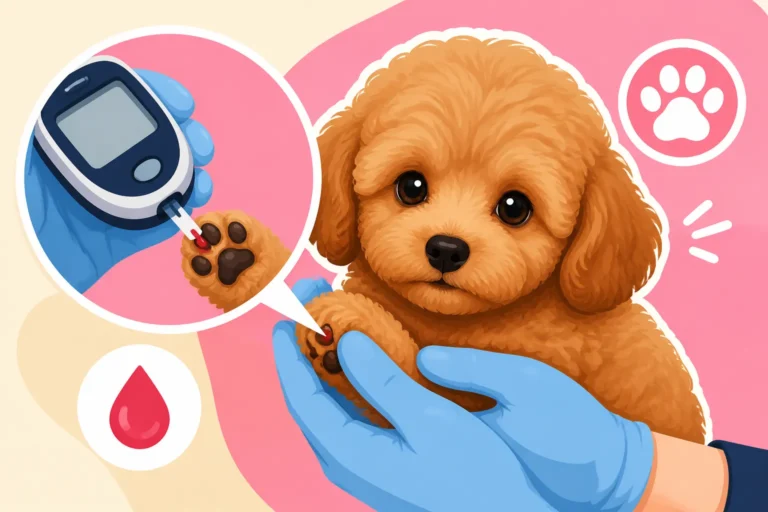
This test involves two blood samples. First, a baseline blood sample is taken to measure your Poodle's initial cortisol level. Then, your Poodle is given a synthetic ACTH injection. ACTH is the hormone that normally stimulates the adrenal glands to produce cortisol. After a specific time (usually 60-90 minutes), a second blood sample is taken to measure the cortisol level post-stimulation.
- If your Poodle has Addison's: Their adrenal glands will not be able to produce enough cortisol in response to the ACTH, so their cortisol levels will remain low in both samples.
- If your Poodle does not have Addison's: Their cortisol levels should rise significantly after the ACTH injection.
Other tests that might be run include:
- Routine Blood Work (CBC and Chemistry Panel): While not diagnostic for Addison's alone, these can show electrolyte imbalances (high potassium, low sodium) characteristic of typical Addison's, as well as kidney values, blood sugar, and red blood cell count abnormalities.
- Urinalysis: May show dilute urine, but again, not specific to Addison's.
It's important to discuss the costs of these tests with your vet. This is another area where pet insurance, such as through Healthy Paws, can be incredibly beneficial, helping to cover the often significant expenses associated with diagnosing chronic conditions. Early investment in a comprehensive plan can make a world of difference when faced with unexpected health challenges.
Living with an Addisonian Poodle
Receiving an Addison's diagnosis for your Poodle can feel overwhelming, but it's important to remember that it's a manageable condition. With proper treatment and vigilant care, Poodles with Addison's can live long, happy, and fulfilling lives. The key is consistent, lifelong management and a close partnership with your veterinarian.
Lifelong Management and Medication
Once Addison's disease is diagnosed, treatment involves lifelong hormone replacement therapy. This typically means administering medications to replace the deficient hormones.
- Mineralocorticoid Replacement: For typical Addison's, this usually involves an injectable medication called desoxycorticosterone pivalate (DOCP), often administered every 25-30 days. Common brands include Percorten-V or Zycortal. This hormone helps regulate electrolytes. Alternatively, some dogs can be managed with oral fludrocortisone acetate (Florinef), which has both mineralocorticoid and glucocorticoid effects, but dosage can be trickier to manage. How Often an Addisonian Poodle Is Injected delves deeper into the specifics of this regular treatment.
- Glucocorticoid Replacement: For both typical and atypical Addison's, a daily oral glucocorticoid, like prednisone, is usually prescribed. The dose is often very low for daily maintenance, but it's crucial for stress management.
It's vital that you never abruptly stop or alter your Poodle's medication without veterinary guidance, as this can lead to a crisis. Adhering strictly to the prescribed schedule is non-negotiable for their health and well-being.
The Importance of Stress Dosing
One of the most critical aspects of managing an Addisonian Poodle is "stress dosing" their glucocorticoid medication. Cortisol, the hormone replaced by prednisone, is naturally produced in higher amounts during stressful situations. Since an Addisonian Poodle cannot produce this surge on their own, you must provide extra medication during times of stress.
Stressful situations for a Poodle can include:
- Vet visits or vaccinations
- Grooming appointments
- Travel
- Boarding
- New visitors or household changes
- Minor illnesses or injuries
- Surgery
Your vet will provide specific instructions on how and when to increase your Poodle's prednisone dose during these times. Failing to stress dose can precipitate an Addisonian crisis. Always discuss upcoming stressful events with your vet well in advance to ensure you have a plan. This proactive approach is fully detailed in Stress Dosing a Poodle With Addison's.
Monitoring and Regular Check-ups
Even with medication, an Addisonian Poodle requires regular monitoring. This typically involves:
- Follow-up blood tests: After starting medication, your vet will want to check electrolyte levels (sodium and potassium) and potentially kidney values to ensure the mineralocorticoid dosage is correct. Initially, these checks might be frequent, then less often once stable.
- Clinical observation: You, as the owner, are the first line of defense. Continue to monitor your Poodle's appetite, energy level, thirst, and overall demeanor. Any changes should be reported to your vet.
- Adjusting medication: Doses may need to be adjusted over time based on blood test results, your Poodle's clinical signs, or changes in their health status.
With consistent care, most Poodles with Addison's disease can lead full, active lives, making it truly a triumph of modern veterinary medicine. The relief that comes with a diagnosis and effective treatment, after fearing your Poodle was simply "sulking," is immense. This reassurance is often explored in Whether an Addisonian Poodle Lives Normally, offering hope and practical advice.
Disclaimer
The information provided in this article is for educational and informational purposes only and does not constitute veterinary advice. Always consult with a qualified veterinarian for any health concerns or before making any decisions related to your Poodle's health or treatment.