Whether a Parti Poodle Can Be Registered
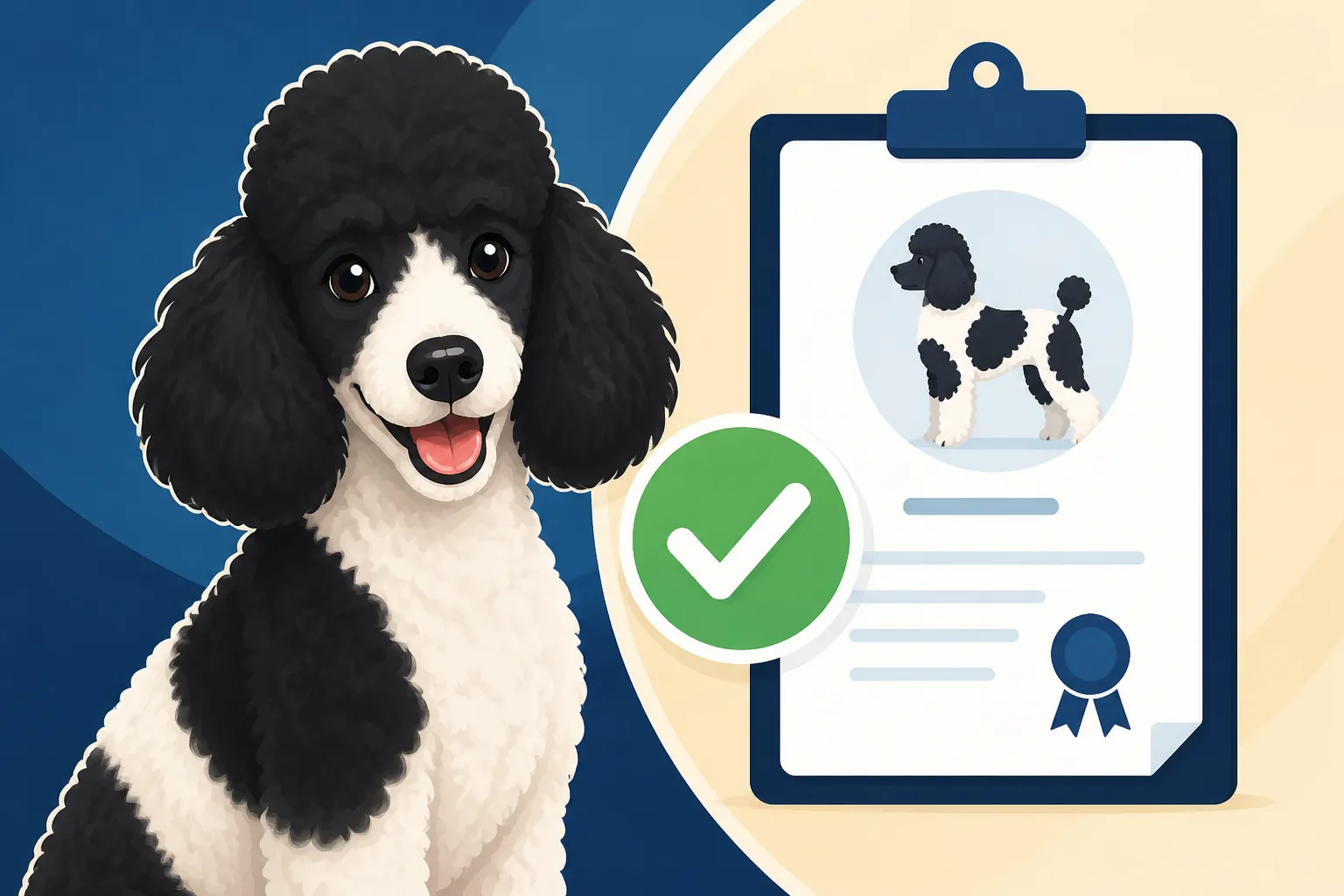
There's a common misconception among many Poodle lovers that if a Poodle isn't a solid color, it somehow isn't a "real" Poodle, or that its unique markings might prevent it from being officially recognized. This can be incredibly frustrating when you've fallen in love with a beautiful parti Poodle, only to wonder if it can be registered or participate in activities beyond being a beloved family pet. This guide aims to clear up all that confusion, diving deep into the world of Poodle registration and shedding light on where parti Poodles stand with major kennel clubs.
Understanding Poodle Registration What Does It Mean
When we talk about registering a Poodle, we're usually referring to official recognition by a national kennel club. This isn't just a piece of paper; it's a way to track lineage, ensure breed standards are upheld, and allow dogs to participate in various competitive events. For new Poodle owners, or even seasoned ones venturing into less common color patterns, the rules can feel like a labyrinth.
The Role of Kennel Clubs
Kennel clubs like the American Kennel Club (AKC) in the United States or The Kennel Club (KC) in the UK serve as custodians of breed standards. They define what a purebred Poodle should look and act like, from its ear set to its coat texture, and yes, its color. Their primary role is to maintain the integrity of each breed. When you register a dog, you're essentially getting an official stamp of approval that your Poodle comes from documented purebred parents and adheres to the breed's lineage. This system helps breeders make informed choices and helps puppy buyers verify a dog's heritage. Without this framework, it would be much harder to trace lines or ensure healthy breeding practices.
Solid Colors versus Patterned Coats in Breed Standards
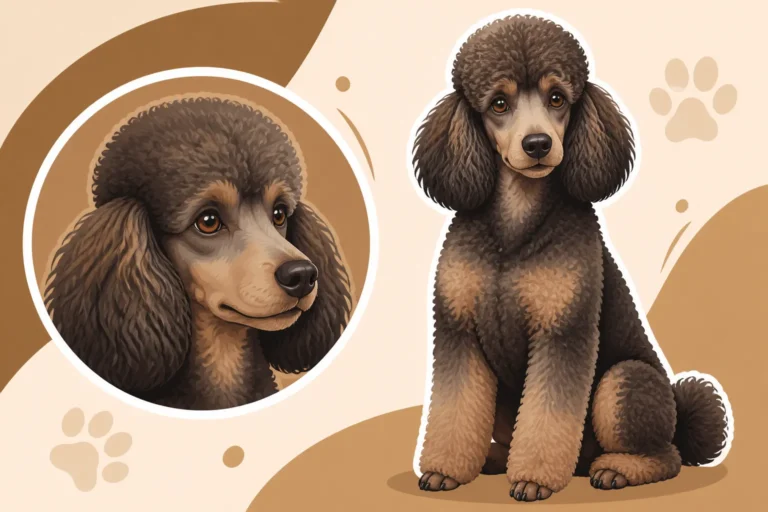
For decades, the standard for Poodles, particularly in the conformation show ring, heavily favored solid-colored dogs. This meant that if your Poodle had white feet and a white chest, even if it was otherwise black, it might have been considered "disqualified" or simply not shown. This preference isn't about the dog being less of a Poodle inherently; it's about a specific aesthetic choice made by those who penned the breed standards. The belief was that solid colors presented a more uniform and elegant appearance. However, as Poodle enthusiasts know, Poodles come in a glorious array of colors and patterns, and many of these beautiful variations have always been part of the breed's history, even if they weren't highlighted in the show ring. The tide has been slowly turning, and many clubs are beginning to recognize the historical reality and popularity of patterned Poodles. You might hear people debate Solid Poodle Colors the AKC Recognizes against the beauty of a parti, and it really comes down to what the individual club deems acceptable for certain types of competition.
The Parti Poodle A History and a Debate
Parti Poodles, with their striking two-tone coats, have a rich and somewhat contentious history within the Poodle world. Their journey from historical presence to periods of exclusion and eventual re-acceptance is fascinating and crucial for understanding their current registration status.
Historical Presence of Parti Poodles
Believe it or not, parti Poodles aren't a new "designer" trend; they were among the original Poodles depicted in historical artwork and records, long before rigid breed standards took hold. Think about those old paintings and tapestries featuring Poodles—many show dogs with patches of color, not just solid coats. These dogs were valued for their intelligence and retrieving abilities, often working alongside hunters, and their coat pattern was simply part of their natural variation. The term "parti" simply refers to a Poodle with a base color and clearly defined white areas. Historically, Poodles came in all sorts of patterns, including parti, phantom, and sable, and they were all considered Poodles. It's really important to remember that the Poodle's origins are as a The Water Dog Behind the Poodle, a capable and intelligent hunting companion, and their coat pattern didn't dictate their ability to do their job.
Why Parti Poodles Faced Exclusion and Then Inclusion
The move towards solid-colored Poodles as the "ideal" began in the late 19th and early 20th centuries, as dog shows gained popularity and breed standards became more formalized. Breeders often aimed for uniformity, and solid colors were easier to standardize. Parti Poodles, along with other patterned varieties, were often deemed "undesirable" or "non-standard" for the conformation ring. This didn't mean they weren't purebred, but rather that they didn't fit the aesthetic preference for show dogs. This led to a period where many reputable breeders focused exclusively on solid colors, and parti Poodles became less common, often bred by those outside the mainstream show circuit.
However, the pendulum began to swing back. Dedicated breeders and enthusiasts never gave up on the parti Poodle, understanding their deep roots in the breed's history. As genetic understanding improved and the public's appreciation for diversity grew, major kennel clubs faced increasing pressure to re-evaluate their stance. The United Kennel Club (UKC) was among the first to fully embrace all historically correct Poodle colors and patterns in all events, including conformation. The American Kennel Club (AKC) also made significant changes, allowing parti Poodles to be fully registered, though with some distinctions for the conformation show ring itself. This inclusion reflects a broader understanding that a dog's color doesn't diminish its Poodle heritage, its health, or its wonderful The Poodle Character.
Registering a Parti Poodle With Major Kennel Clubs
Navigating the registration process for a parti Poodle can be a bit tricky because different kennel clubs have different rules, especially concerning what is allowed in the conformation show ring. It's vital to understand these distinctions to make the best choices for your parti Poodle.
AKC and UKC Different Approaches
Let's look at the two big players in the United States: the AKC and the UKC. They have taken notably different paths when it comes to patterned Poodles.
The United Kennel Club (UKC) has a very inclusive approach. They recognize all Poodle colors and patterns, including parti, in their breed standard, and parti Poodles can compete in all UKC events, including conformation shows, just like a solid-colored Poodle. This makes UKC a popular choice for many parti Poodle owners who wish to explore showing their dogs in a venue that fully embraces their unique beauty. UKC's philosophy often centers on the working dog, valuing soundness and temperament over strict adherence to color aesthetics.
The American Kennel Club (AKC) recognizes parti Poodles for full registration. This means your parti Poodle can have official AKC papers, proving its purebred lineage and allowing it to participate in a vast array of AKC performance events such as agility, obedience, rally, and trick titles. However, the AKC's conformation show ring has historically been a different story. While they can be fully registered, parti Poodles are not currently eligible to compete in AKC conformation shows. This distinction is important for prospective owners: while your parti Poodle is 100% purebred and AKC registered, it won't be competing for "Best in Show" at Westminster under current rules. This is a common point of confusion, and it's why many owners seeking to show their parti Poodles in conformation often turn to UKC or other rare breed clubs. The details of Whether a Parti Poodle Can Compete at All often boil down to which registry you are aiming for.
Limited versus Full Registration for Parti Poodles
When you register a Poodle with the AKC, there are two primary types of registration you might encounter: Full Registration and Limited Registration. This is crucial for parti Poodles.
Full Registration means the dog can be bred, and its offspring can also be registered with the AKC. It also means the dog can compete in all AKC events for which it is eligible, including conformation (if its color meets the standard, which parti Poodles generally do not). For a parti Poodle, full registration confirms its purebred status and allows for its progeny to be registered. This is what you want if you are considering ethical breeding with your parti Poodle, though you'll still face the conformation show restrictions.
Limited Registration means the dog is registered as purebred, can compete in all AKC performance events (agility, obedience, etc.), but cannot be bred for registered offspring. Its puppies would not be eligible for AKC registration. Furthermore, a dog on limited registration cannot compete in conformation events. Many responsible breeders place puppies on limited registration as a standard practice for pet homes, regardless of color, to protect their breeding program and ensure only the best examples of the breed are used for future generations.
It's common for breeders to offer parti Poodles with limited registration if they are going to pet homes, to prevent indiscriminate breeding. If you're buying a parti Poodle puppy, especially from a reputable breeder, ensure you understand the terms of your puppy's registration. Always discuss whether the puppy will come with full or limited registration before you make a commitment. This often clarifies Why a Parti Poodle Gets Limited Registration, as breeders are typically very particular about maintaining health and temperament standards, especially with unique color patterns.
| Feature | AKC Registration (Parti Poodle) | UKC Registration (Parti Poodle) |
|---|---|---|
| Purebred Status | Yes, fully recognized as purebred | Yes, fully recognized as purebred |
| Eligibility for Breeding | Yes, with Full Registration; offspring can be registered | Yes, offspring can be registered |
| Conformation Shows | No, currently not eligible to compete in AKC conformation | Yes, fully eligible to compete in UKC conformation |
| Performance Events | Yes, fully eligible (agility, obedience, rally, etc.) | Yes, fully eligible (agility, obedience, rally, etc.) |
| Limited Registration Option | Yes, common for pet homes (prevents breeding registered litters) | Less common, but at breeder's discretion for pet homes |
| Historical Recognition | Recently recognized for full registration, historically excluded from conformation | Always recognized and accepted in all events since breed founding |
Beyond the Conformation Ring Other Avenues for Parti Poodles
Even if your parti Poodle isn't destined for the glitz of the AKC conformation ring, there's a whole world of activities and joys waiting for them. The beauty of the Poodle breed, regardless of color, lies in its incredible intelligence, athleticism, and loving nature.
Performance and Companion Events
This is where parti Poodles truly shine and can compete on an equal footing with their solid-colored counterparts, even in the AKC. Poodles are renowned for their smarts, often ranking high on intelligence scales, which makes them exceptional in various dog sports. Your parti Poodle can excel in:
- Agility: Navigating obstacle courses with speed and precision. Poodles love to jump, tunnel, and weave!
- Obedience and Rally: Demonstrating command execution and teamwork with their handler. Poodles are quick learners, often picking up new cues in just a few repetitions.
- Scent Work/Nose Work: Using their keen sense of smell to locate hidden target odors. This is fantastic mental exercise for any Poodle.
- Dock Diving: Leaping into water to retrieve a toy, embracing their water dog heritage.
- Therapy Dog Work: Their gentle nature and intelligence make them wonderful companions for those in hospitals or nursing homes.
These events are not only incredibly fun for both dog and owner, but they also highlight the Poodle's innate talents. Many owners find immense satisfaction in earning titles and accolades in these areas, proving that a Poodle's worth goes far beyond its coat color. You'll find everything you need, from training tools to special treats for these activities, available through retailers like Chewy. Getting involved in these sports can also be a great way to bond with your Poodle and satisfy their need for mental stimulation, which is crucial for a breed as smart as the Poodle. They are truly Dog Sports a Poodle Excels At.
The Importance of Health and Temperament Regardless of Color
Above all else, whether your Poodle is solid, parti, phantom, or sable, the most important aspects are health and temperament. A dog's color is purely aesthetic; it has no bearing on its loving disposition, its intelligence, or its potential lifespan. When choosing any Poodle puppy, focus on finding a reputable breeder who prioritizes these fundamental qualities.
A responsible breeder will:
- Perform extensive health testing on their breeding stock to screen for common Poodle ailments, regardless of coat color. This includes tests for conditions like hip dysplasia, eye diseases such as Progressive Retinal Atrophy in Miniature Poodles, and conditions like Addison's disease. You should always ask What a Poodle Breeder Must Test For.
- Be transparent about the health history of their lines.
- Socialize their puppies from a young age to ensure they develop into confident, well-adjusted adults.
- Be willing to answer all your questions and provide references.
A healthy, well-socialized parti Poodle, with its unique and beautiful coat, will bring just as much joy and companionship into your home as any solid-colored Poodle. They are all, at their core, the same wonderful breed: intelligent, elegant, and deeply devoted to their families. And equipping them for a happy, healthy life means having access to quality food, toys, and supplies—something Chewy makes incredibly easy to ensure your Poodle always has what it needs. Don't let misconceptions about color deter you from embracing the stunning individuality of a parti Poodle.
Disclaimer
This article is for general informational purposes only and does not constitute professional advice. Laws, prices and regulations vary by location and change over time. Consult a qualified professional for guidance on your specific situation.