Whether Size Changes a Poodle’s Character
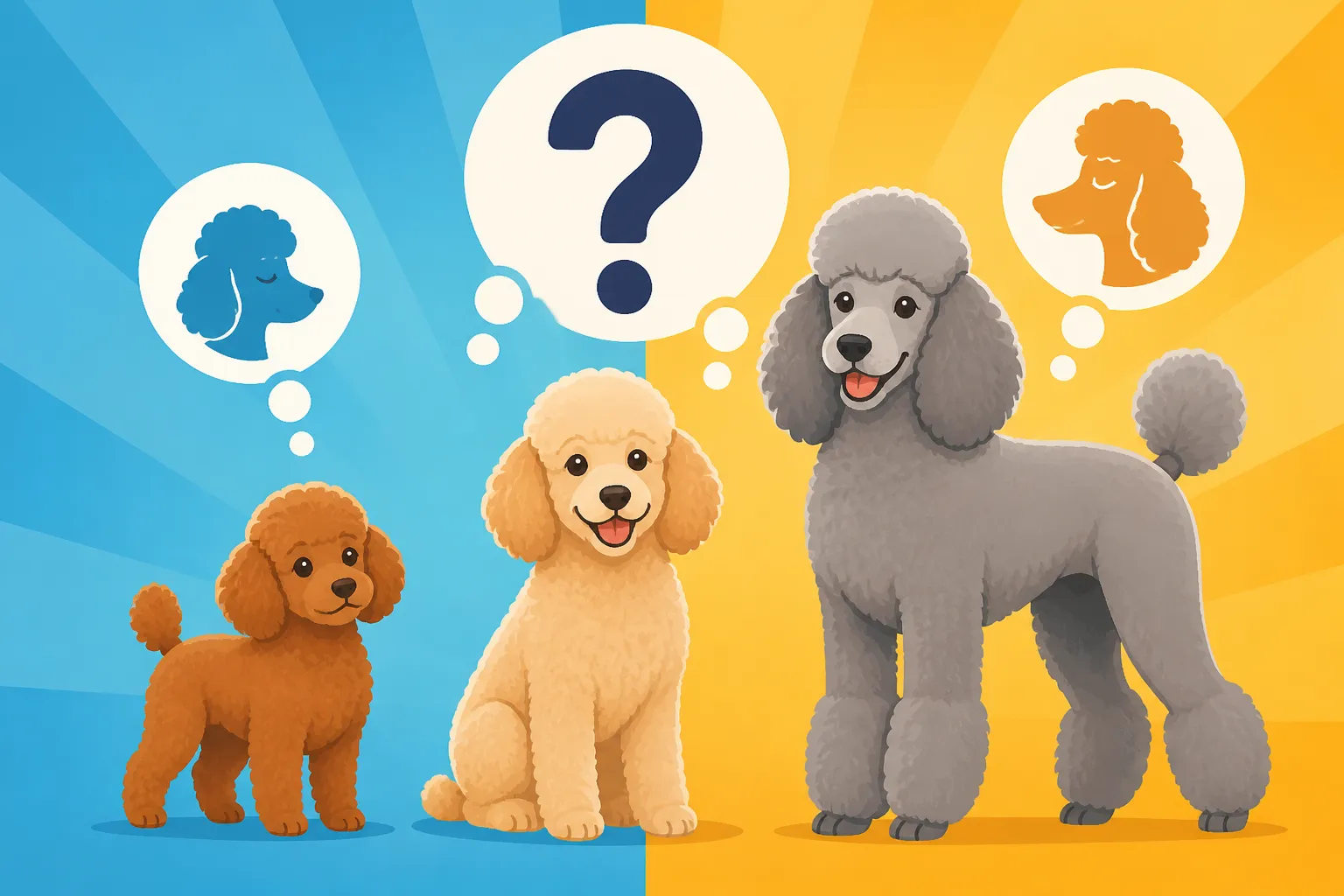
It's a common thought for anyone considering a Poodle: do the smaller ones act completely different from the larger ones? You see a majestic Standard Poodle striding confidently, and then a tiny Toy Poodle yapping from a purse, and it's easy to assume they're almost different breeds entirely when it comes to personality. But the truth is, while size can influence how a Poodle expresses its traits and interacts with the world, the fundamental Poodle character largely remains consistent across all three sizes. This guide will help you understand the core Poodle temperament and how specific characteristics might manifest uniquely in Standards, Miniatures, and Toys, helping you choose the best fit for your life.
The Unifying Poodle Spirit: Core Temperament Regardless of Size
Let's get one thing straight: a Poodle is a Poodle, no matter how tall or small they are. The breed standard, the history, and the genetic blueprint that makes a Poodle so unique are shared across the Standard, Miniature, and Toy varieties. This means that if you're drawn to the Poodle's intelligence, their often goofy charm, or their deep connection to their people, you'll find these traits in all sizes. It's truly The Poodle Character that defines them.
Think about that famously high intelligence. Poodles consistently rank among the smartest dog breeds, able to pick up new commands with astounding speed and often anticipate what you're going to ask next. This isn't exclusive to the brainy Standard; Toy and Miniature Poodles are just as sharp, sometimes even more so because they often live in closer quarters with their humans, making observation a key skill. This intelligence is a double-edged sword: it makes them incredibly trainable and fun to live with, but it also means they get bored easily. A bored Poodle, regardless of its size, will find its own entertainment, and trust me, that's rarely something you'll appreciate. Whether it's a Standard systematically emptying the toy box or a Toy meticulously unraveling the fringe on your rug, an idle Poodle brain means mischief. Providing plenty of mental stimulation is key.
Another hallmark of the Poodle is their sensitivity and their desire for companionship. Poodles are often described as "Velcro dogs" because they love to be close to their people. This isn't just about physical proximity; it's about emotional connection. They are deeply empathetic, often picking up on their owner's moods and reacting accordingly. A Standard Poodle might rest its head on your lap during a sad moment, while a Toy Poodle might climb onto your chest and lick away your tears. This sensitivity also means they don't respond well to harsh training methods. A Poodle, irrespective of its size, will shut down if treated harshly or yelled at. They thrive on positive reinforcement and gentle guidance. Understanding Poodle Temperament and Sensitivity is crucial for any Poodle owner, as it dictates how you interact with them and build a lasting bond.
How Size Nudges Temperament: Distinctive Traits of Each Variety
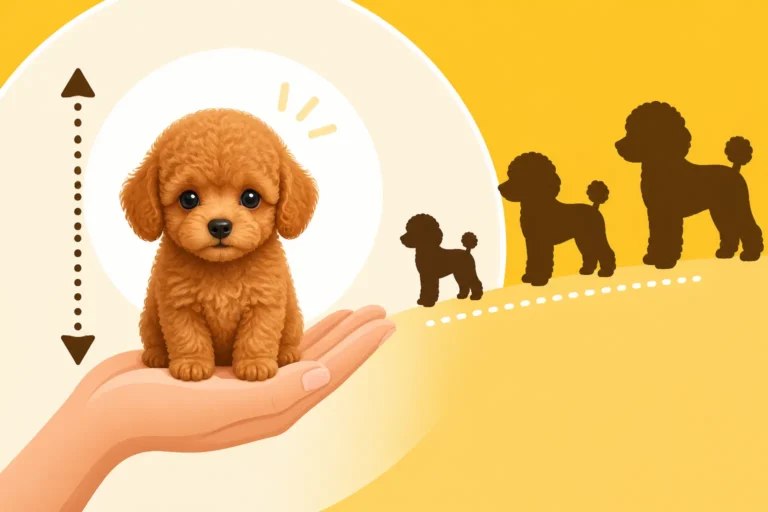
While the core Poodle character is consistent, their size absolutely influences how these traits are expressed and how they navigate their world. It's not a change in what they are, but how they are. The world simply feels different when you're 8 inches tall compared to 25 inches tall, and this shapes their behaviors and needs.
The Dignified and Playful Standard Poodle
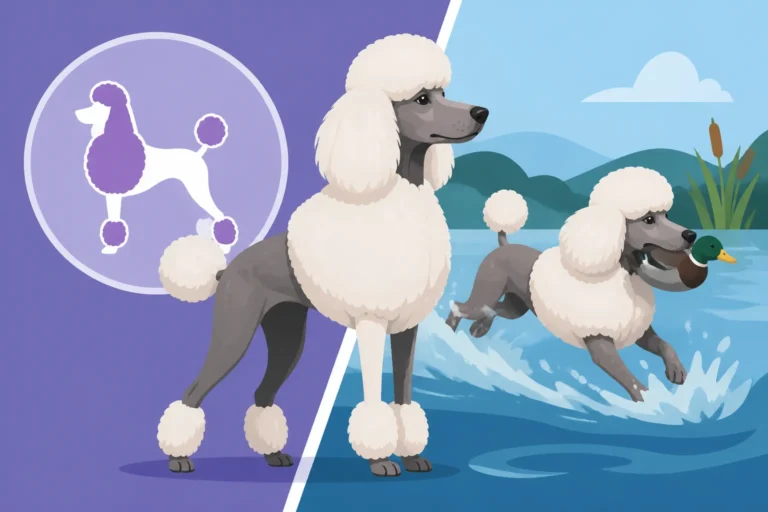
Standard Poodles, being the largest, often carry themselves with a certain dignified air, though don't let that fool you – they are incredibly playful and goofy with their families. Their size means they are less likely to feel overwhelmed by larger environments or boisterous company, and they generally possess a calm self-assurance. They are natural athletes, retaining more of their working heritage as water retrievers. This means they often have higher energy needs than people expect, requiring substantial daily exercise, but they also tend to settle beautifully indoors if those needs are met. You'll find many Standards who love long walks, runs, and games of fetch, but are perfectly content to curl up at your feet for the evening. When it comes to their energy, understanding Poodle Energy by Size is vital.
Because of their physical robustness, Standard Poodles tend to be more resilient to accidental bumps and tumbles, which can sometimes make them seem less "delicate" or "fragile" than their smaller counterparts. They are often excellent with children and other animals, provided they are well-socialized from a young age. Their calm demeanor and intelligent minds also make them fantastic candidates for therapy work, service dog roles, and a variety of dog sports. They often have a deep, resonant bark that is used judiciously, usually for alerting their family rather than incessant noise. Their larger bladder capacity also means they can often hold it longer, making house-training somewhat simpler in terms of frequency.
The Spirited and Agile Miniature Poodle
Miniature Poodles often strike a wonderful balance, bridging the gap between the robust Standard and the delicate Toy. They are energetic and agile, often described as having a "big dog personality in a smaller package." They possess the same keen intelligence and desire to please as their larger cousins but are more portable and require slightly less intense exercise than a Standard. A Miniature Poodle thrives on daily walks, playtime, and mental challenges. They are less prone to the "small dog syndrome" seen in some Toys, often interacting confidently with both larger and smaller dogs.
Many Miniature Poodle owners find them to be highly adaptable companions, equally happy on a hike or curled up on the sofa. Their size makes them suitable for a wider range of living situations, from apartments to houses with yards, as long as their need for mental and physical activity is met. They often have a slightly higher-pitched bark than a Standard, and while still intelligent, they might require a bit more patience in certain training aspects compared to the lightning-fast Standard, though that's more about their personal temperament than their size. They are still incredibly quick learners, a testament to Poodle Intelligence and Coren's Ranking.
The Affectionate and Sassy Toy Poodle
Toy Poodles, weighing in at under 10 pounds, are often seen as the quintessential lapdog, and they certainly excel at it. However, reducing them to just "lap warmers" does a disservice to their vibrant personalities. They are often incredibly affectionate, forming exceptionally strong bonds with their primary caregivers. Their small size makes them incredibly portable, leading many owners to take them almost everywhere, which can be a double-edged sword for socialization.
Toy Poodles can be quite spirited, even sassy, and very alert. They are often more prone to "small dog syndrome" if not properly socialized and trained, meaning they might be more inclined to bark excessively, act fearful or aggressive towards larger dogs or strangers, or be demanding of attention. This isn't inherent to their personality; it's a behavioral pattern often reinforced by their small size, where owners might inadvertently allow behaviors in a tiny dog they wouldn't tolerate in a larger one. For example, a Toy Poodle who constantly nips at people might seem "cute" until it’s not, whereas a Standard doing the same would be addressed immediately. It's a common misconception that Whether Toy Poodles Are as Smart as Standards is different, but they are just as clever, which means they need just as much mental enrichment.
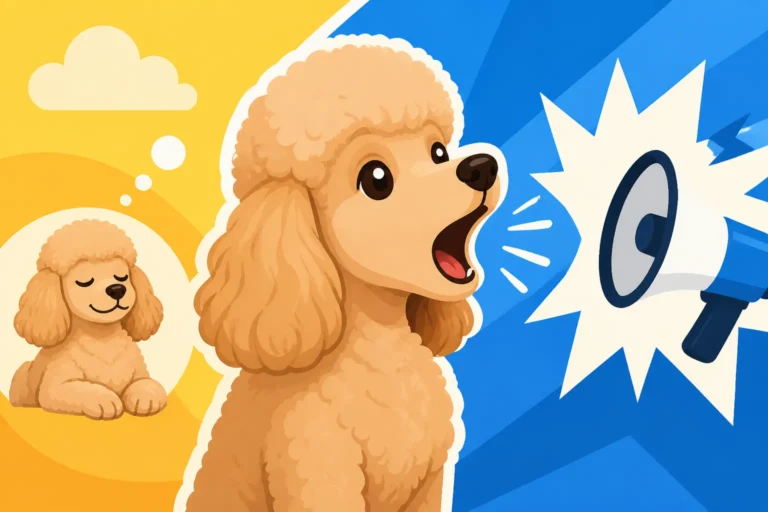
Their delicate frames mean they are more susceptible to injury from falls or rough play, making careful supervision, especially around children or larger dogs, paramount. Teaching Children to Handle a Toy Poodle safely is non-negotiable. This vulnerability can also make them more prone to anxiety if not properly handled, leading to behaviors like excessive barking or shaking. Despite their size, they still need regular exercise and mental stimulation – a quick stroll around the block and some indoor puzzle toys often suffice. They can be very vocal, with a higher-pitched, frequent bark that makes them excellent, if sometimes overzealous, watchdogs.
Nature Versus Nurture: The Bigger Influence Beyond Size
While size does play a role in how a Poodle experiences the world and expresses itself, it is by no means the sole determinant of its character. Far more influential are factors like genetics, early socialization, consistent training, and the environment in which they are raised.
A well-bred Poodle from a reputable breeder, regardless of size, will have parents with stable temperaments and will have been exposed to a variety of sights, sounds, and experiences during its critical early weeks. This foundational work is invaluable. Conversely, a Poodle from a puppy mill, even a Standard, might be riddled with anxiety or fear issues simply due to poor breeding practices and lack of early care. This is why looking for a breeder who actively works on Socializing a Poodle Before It Turns Wary is so important.
Training and socialization are also huge factors. A well-socialized Toy Poodle, exposed to many different people, dogs, and environments from a young age, will likely be far more confident and outgoing than a Standard Poodle who has been isolated and rarely leaves the house. Consistent, positive reinforcement training helps build confidence and teaches appropriate responses to the world. Remember, Why Harsh Handling Breaks a Poodle, regardless of their size or perceived toughness. Poodles are sensitive creatures.
The home environment also shapes character. A Poodle living in a chaotic, unpredictable household might develop anxiety or reactivity, while the same dog in a calm, structured home might be a picture of serenity. Access to appropriate mental and physical exercise is also critical. A Standard Poodle left alone for hours without stimulation can become destructive, just as a Toy Poodle ignored in the corner can become withdrawn. Resources from places like Chewy, offering everything from interactive puzzle toys to durable chew items, can be invaluable for keeping any Poodle's clever mind occupied and preventing boredom-related behaviors. Finding a professional who understands the Poodle psyche, one who you can trust when it comes to Finding a Trainer a Poodle Will Not Shut Down For, is invaluable.
Dispelling Myths: Individual Poodles are Unique
It’s easy to fall into the trap of making generalizations, but it's important to remember that every Poodle is an individual. You might meet a calm, quiet Toy Poodle who prefers napping to playing, and a boisterous, high-energy Standard Poodle who demands constant attention. These are often exceptions to general trends, proving that genetics and upbringing can sometimes override typical breed characteristics.
For instance, not all Toy Poodles are "yappy," just as not all Standard Poodles are "aloof." Many a Toy Poodle has a surprisingly quiet nature, content to observe rather than vocalize every passing leaf. And Standard Poodles, while often carrying themselves with grace, can be incredibly affectionate and demonstrative with their families, often shadowing their owners from room to room. Learning to read your Poodle's subtle cues, from their tail wags to their ear position, can tell you more about their true character than any preconceived notion based on their size. Paying attention to Reading a Poodle's Body Language is essential for understanding what your unique Poodle is trying to tell you.
Ultimately, while size can influence the practicalities of living with a Poodle—such as their exercise needs, how much food they eat, or how easily they can travel with you—it doesn't fundamentally alter the intelligent, sensitive, and companionable spirit that defines the breed. When choosing a Poodle, consider their individual personality, the reputation of the breeder, and your commitment to proper socialization and training, rather than relying solely on their size to dictate your expectations of their character.
| Characteristic | Standard Poodle | Miniature Poodle | Toy Poodle |
|---|---|---|---|
| Typical Temperament | Dignified, athletic, playful, calm indoors | Energetic, agile, balanced, confident | Affectionate, spirited, alert, can be sassy |
| Energy Level | High; requires significant daily exercise | Moderate-High; needs regular walks & play | Moderate; short walks & indoor play often suffice |
| Sensitivity | High; responds best to positive reinforcement | High; responds best to positive reinforcement | High; responds best to positive reinforcement |
| Attachment to Owner | Very strong; often "Velcro" dogs | Very strong; enjoys being close | Extremely strong; deeply bonded |
| Sociability | Generally confident with strangers/other dogs | Confident, good with other dogs/people | Can be wary if not socialized; prone to "small dog syndrome" |
| Vocalization | Deeper bark, typically used for alerting | Medium-pitched bark, good watchdogs | Higher-pitched, can be more frequent/yappy |
| Physical Robustness | Very sturdy; resilient | Moderately sturdy; generally robust | Delicate; prone to injury if not careful |
| Trainability | Extremely intelligent, eager to please | Very intelligent, quick learners | Very intelligent, can learn quickly |
| Best Environment | Active homes, good for families, apts with enough exercise | Adaptable to various homes, good for active families/singles | Suited for smaller spaces, thrives on close companionship |
| Typical Size Influence | Less prone to fear; more self-assured | Good balance of portability and confidence | Can be prone to anxiety/over-excitement if not managed |
Disclaimer
This article is for general informational purposes only and does not constitute professional advice. Laws, prices and regulations vary by location and change over time. Consult a qualified professional for guidance on your specific situation.