What a Sable Poodle Looks Like
Many prospective poodle owners dream of a specific color or pattern, and sometimes they stumble upon the term "sable." But what does a sable poodle actually look like? It's not as straightforward as a solid black or white, and the appearance can change dramatically from puppyhood to adulthood, often leading to confusion and pleasant surprises. This guide will delve into the fascinating world of sable poodles, explaining their unique coat patterns, how they develop, and what to expect if you're lucky enough to share your life with one of these beautiful dogs.
Understanding Poodle Coat Genetics and Color
Before we dive into what makes a poodle sable, it’s helpful to understand a little about poodle coat genetics. Poodles come in an incredible array of colors, from solids like black, white, and apricot to more complex patterns like parti and phantom. Each of these colors and patterns is determined by specific genes, and sometimes, several genes working together create a unique look.
The Basic Poodle Colors
At its core, a poodle's color starts with either black or red pigment. All other colors are essentially dilutions or modifications of these two base pigments. For instance, blues and silvers are dilutions of black, while creams and apricots are dilutions of red. Chocolates and browns are also a form of diluted black pigment. The genes that control these base colors and their dilutions are what create the vibrant palette we see in the breed. Without understanding these foundational colors, it can be tricky to grasp the nuances of patterns like sable, which often involve multiple hues appearing on a single hair shaft.
How Genes Influence Poodle Coat Patterns
Beyond the base color, other genes dictate where and how these pigments are expressed on the dog's body and even along each individual hair. Some genes create solid colors, meaning the entire dog is one consistent shade. Others are responsible for patterns like parti, where there are distinct patches of white and color, or phantom, which resembles the markings of a Doberman Pinscher, with specific points of lighter color on a darker base. Sable is another one of these fascinating patterns, created by a specific genetic combination that gives each hair a multi-toned appearance, rather than a single, uniform color from root to tip. Understanding these genetic influences helps explain why some colors "fade" or "clear" over time, a common characteristic in many poodle lines, especially those with lighter or patterned coats.
What Exactly Is a Sable Poodle?
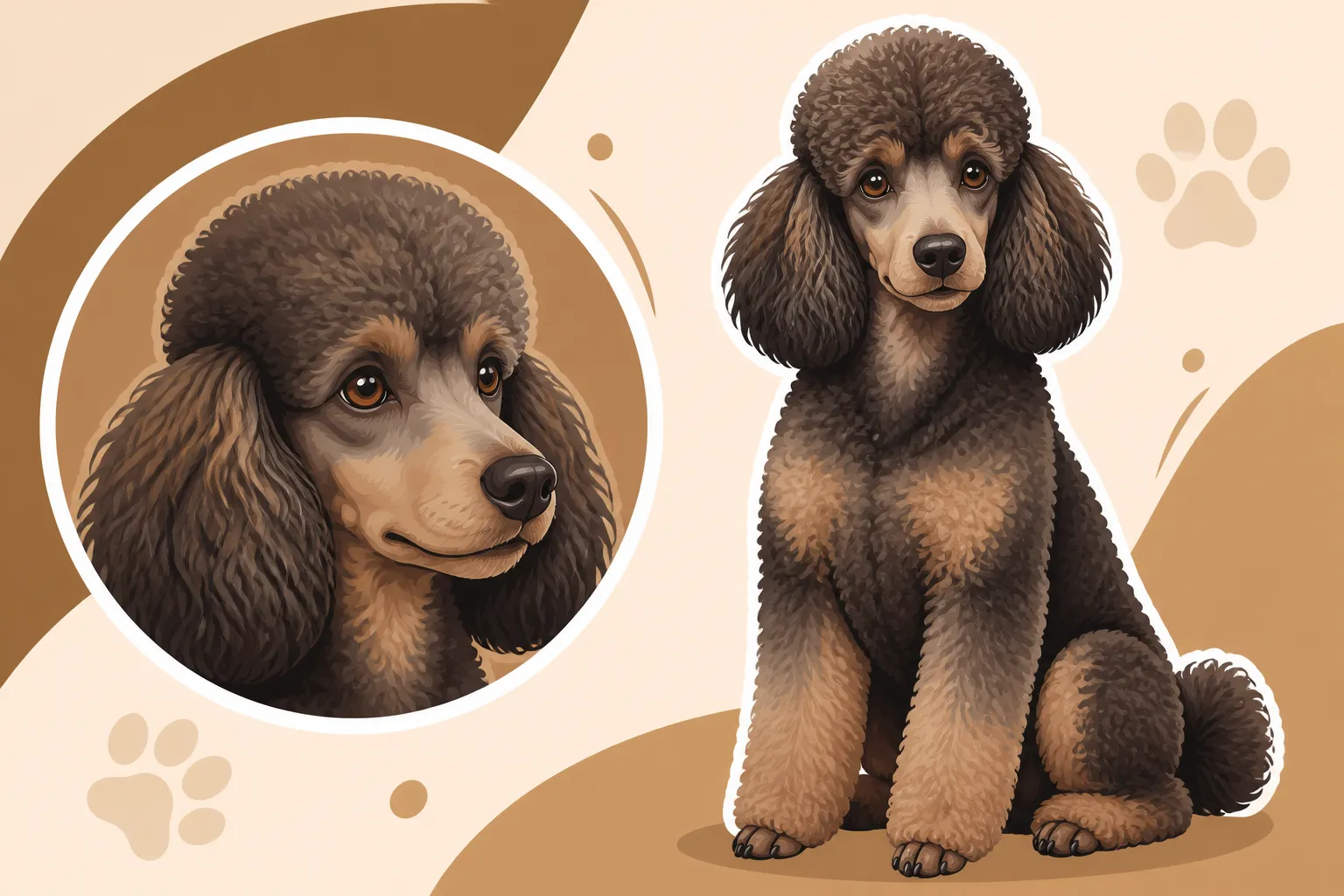
So, what does a sable poodle look like? Unlike a solid-colored poodle where each hair is consistently one color, a sable poodle's defining characteristic is that each individual hair shaft has multiple bands of color. Typically, the hair will be lighter at the base and progressively darker towards the tip, often ending in a black or very dark tip. This creates a shaded, rich, and often iridescent effect across the coat, giving it a depth that a solid color simply doesn't possess.
The Distinctive Sable Appearance
Imagine a standard fawn or red poodle, but then picture individual hairs tipped with black, creating a smoky, shadowed effect. That's the essence of sable. The overall impression of a sable poodle can vary widely depending on the primary underlying color and the intensity of the black tipping. Some might appear as a rich golden-red with dark overlay, while others might lean towards a silver or cream base with subtle dark shading. The tipping isn't always uniform across the body either; it can be more prominent on the back, ears, and tail, while the belly and legs might retain more of the lighter base color. This variation means no two sable poodles look exactly alike, making each one a truly unique work of art. The black tips are what truly distinguish it from a solid color that might simply have some darker shading due to environmental factors.
Sable Poodle Puppy to Adult Coat Changes
One of the most captivating aspects of sable poodles is how dramatically their coats can change from puppyhood to adulthood. Sable puppies are often born looking much darker than their mature coats will be, sometimes appearing almost solid black or a very dark brown or red. This is because the black tipping is usually very dense and covers a larger portion of the hair shaft when they are young. As the puppy grows, the coat "clears," meaning the lighter base color becomes more prominent, and the banded effect becomes much more visible. This process can be gradual, taking months or even over a year, with the lighter color slowly pushing out the darker tipping. It's truly a transformation, and many new owners are surprised by the beautiful, complex pattern that emerges. This "clearing" is similar to how many other poodle colors develop, such as silvers that are born black or apricots that lighten significantly. If you're considering a sable puppy, be prepared for this journey of discovery as their true colors unfold! How a Poodle Puppy's Color Fades provides a deeper dive into this fascinating phenomenon across various poodle shades.
Living With a Sable Poodle: Care and Considerations
Owning any poodle requires a commitment to grooming and overall care, and a sable poodle is no exception. While their color doesn't typically dictate special health needs, understanding how to maintain their unique coat and ensuring their general well-being is paramount.
Grooming a Sable Poodle Coat
The beautiful, multi-tonal coat of a sable poodle, like all poodles, is a single layer of continuously growing hair that requires regular, diligent grooming. This means daily brushing to prevent mats and tangles, especially where the hair is longer or in areas of friction like the armpits and behind the ears. Without proper brushing, the banded hairs can quickly become a tangled mess, obscuring the lovely sable pattern and potentially leading to painful skin issues. When brushing, it's essential to perform Brushing a Poodle to the Skin to ensure you're getting down to the root, not just skimming the surface. Regular professional grooming appointments, typically every 4-6 weeks, are also a must to keep the coat in top condition and maintain a desired clip. You might find a great selection of brushes, combs, and detangling sprays on Chewy to help with your daily routine.
Bathing a sable poodle should be done with a high-quality shampoo and conditioner designed for curly coats, followed by thorough drying with a high-velocity dryer to ensure the hair is straight and tangle-free before clipping or styling. For a pet poodle, you have many options for Choosing a Clip for a Pet Poodle, from a practical sporting clip to a neat kennel clip, all of which will showcase the sable patterning beautifully. Some owners even choose to learn Clipping a Poodle at Home to save on grooming costs, but this still requires investing in good tools and time.
Health Considerations Specific to Sable Poodles
The sable color itself is generally not associated with any specific health conditions unique to the pattern. Sable poodles, like all poodles, are susceptible to a range of genetic health issues common to the breed, such as Addison's disease, bloat, hip dysplasia, and various eye conditions. What a Poodle Breeder Must Test For covers the crucial health screenings that reputable breeders conduct to minimize the risk of passing on these conditions.
However, any poodle owner should be vigilant about general health, regardless of coat color. Regular veterinary check-ups, a balanced diet, and appropriate exercise are key to a long and healthy life. Because their coats are so dense, it can sometimes be harder to spot skin irritations or weight changes. Therefore, frequent grooming allows you to inspect their skin and body condition more closely. For high-quality food options tailored to your poodle's size and age, many owners rely on platforms like Chewy, which often stock veterinary diets and specialized formulas designed for sensitive skin or other common poodle issues. Genetic Panels for the Three Poodle Sizes can also provide valuable insights into potential health predispositions, even if they aren't directly linked to the sable gene.
Sable Poodles in the Poodle World
The world of poodles is vast and varied, encompassing everything from conformation shows to performance sports and beloved family companions. Sable poodles hold a unique place within this spectrum, particularly regarding breed standards and recognition.
AKC Recognition and Show Ring Status
When it comes to the American Kennel Club (AKC) and traditional conformation shows, sable is considered a "multi-colored" poodle. The AKC breed standard for poodles primarily recognizes solid colors, although parti-colored poodles can be registered and compete in some events, they are not eligible for the conformation ring. This means that while a sable poodle is absolutely a purebred poodle, its unique multi-banded coat pattern typically excludes it from competing for championship titles in standard AKC conformation events. This is similar to the situation for other patterns like Parti Poodles and the Show Ring or phantom poodles.
However, this doesn't diminish their purebred status or their appeal as beloved family members. Many owners embrace the individuality of a sable coat, valuing its beauty over show ring eligibility. If you're interested in competitive dog sports like agility, obedience, or rally, a sable poodle can participate and excel just like any other poodle, as these events judge performance and temperament, not coat color. For more details on recognized colors, you can explore Solid Poodle Colors the AKC Recognizes.
Finding a Reputable Breeder for Sable Poodles
Finding a reputable breeder is crucial for any poodle, but perhaps even more so when seeking a specific or less common color like sable. A good breeder will prioritize health, temperament, and genetic soundness above all else, regardless of the coat color they produce. They will be transparent about their breeding practices, provide health clearances for the parents, and be knowledgeable about the genetic inheritance of colors. When looking for a sable poodle, inquire about the parent dogs' genetic backgrounds to understand how the sable gene is present in their lines.
Be wary of breeders who market "rare" colors at exorbitant prices without providing evidence of health testing or responsible breeding practices. A truly ethical breeder will be more concerned with finding the right home for their puppies than with capitalizing on color trends. They should be able to explain the specific traits of their line, including any propensity for coat clearing or specific characteristics of their sable patterns. Resources like Chewy can be great for general puppy supplies once you've found a responsible breeder, but the initial search requires diligence and research to ensure you're supporting ethical practices. Finding a Poodle Breeder Who Tests provides invaluable advice for this critical step.
Sable Coat Appearance: A Comparative Table
To help visualize the differences, here's a quick comparison of sable versus some other common poodle coat types:
| Feature | Sable Poodle | Solid Poodle | Parti Poodle | Phantom Poodle |
|---|---|---|---|---|
| Defining Trait | Each hair banded with multiple colors (light root, dark tip) | Entire coat uniformly one color | Two or more distinct, solid colors (one usually white) | Two distinct colors with Doberman-like markings |
| Typical Colors | Fawn/Red/Silver base with black tipping | Black, white, cream, apricot, red, blue, silver, brown | White with patches of any solid color | Black/Brown/Red base with lighter points (cream, apricot) |
| Color Change | Significant clearing/lightening from puppy to adult | Can "clear" (e.g., black to silver) or deepen | Generally stable, distinct patches | Often some fading/clearing, but pattern remains |
| Overall Look | Shaded, rich, multi-dimensional, often iridescent | Consistent, uniform | Patchy, defined sections | Marked, often striking contrast, distinct "points" |
| Show Ring (AKC Conformation) | Not eligible (multi-colored) | Eligible | Not eligible (multi-colored) | Not eligible (multi-colored) |
Disclaimer
This article is for general informational purposes only and does not constitute professional advice. Laws, prices and regulations vary by location and change over time. Consult a qualified professional for guidance on your specific situation.