Cataract Surgery on a Diabetic Miniature Poodle
It’s heartbreaking to watch your beloved Miniature Poodle start bumping into furniture, hesitating on stairs, or losing their spark because they can no longer see the world clearly. When diabetes, a condition many Poodles are prone to, complicates matters by causing cataracts, the situation can feel overwhelming and urgent. This comprehensive guide is here to walk you through everything you need to know about cataract surgery for your diabetic Miniature Poodle, from understanding the condition to navigating the surgical process and ensuring a smooth recovery.
Understanding Diabetic Cataracts in Miniature Poodles
When you hear that your Miniature Poodle, already managing diabetes, has developed cataracts, it can feel like a double whammy. Diabetic cataracts are a particularly aggressive form of cataract that tends to progress very rapidly, sometimes clouding a Poodle’s vision completely in a matter of weeks or even days. This swift change is incredibly distressing for both pet and owner, as the world they once navigated with ease suddenly becomes a blurry, uncertain place.
The Science Behind Diabetic Cataracts
So, why does diabetes hit the eyes so hard in our Poodles? It all comes down to how glucose, or sugar, is processed in the lens of the eye. In a non-diabetic dog, the lens uses glucose for energy. However, in a diabetic dog where blood sugar levels are consistently high, there’s an excess of glucose. The lens tries to process this extra glucose through an alternative pathway, which unfortunately produces a substance called sorbitol. Sorbitol can't easily exit the lens, so it builds up, drawing water into the lens fibers. This influx of water disrupts the organized structure of the lens proteins, causing them to clump together and become opaque—this is what we see as a cataract.
This process explains why diabetic cataracts often develop quickly and affect both eyes, though one might progress faster than the other. It's not just a cloudy appearance; it's a fundamental change in the lens's ability to transmit light, effectively rendering your Poodle blind. It's a cruel twist that can snatch away their joy of seeing you, chasing a ball, or even finding their food bowl. Understanding this rapid, osmotic process is key to appreciating why early intervention and careful management of their diabetes are so crucial, not just for their overall health but specifically for their vision.
Recognizing the Signs and Progression
The initial signs of cataracts can be subtle, especially if your Poodle is very adaptable or if their vision is only mildly affected. You might first notice a slight bluish-grey haze in the center of their pupils, which gradually thickens into a milky white or even crystalline appearance. This visible change in the eye is often accompanied by changes in behavior. They might start bumping into familiar objects, particularly in low light, or hesitate before jumping off furniture or going down stairs. Their confidence might wane, leading to increased anxiety or a reluctance to explore new environments.
As the cataracts progress, these behavioral changes become more pronounced. They may become less interested in playing fetch, struggle to find dropped treats, or even misjudge distances when approaching you for a cuddle. It's important to differentiate these signs from other types of vision impairment, such as those caused by conditions like Progressive Retinal Atrophy in Miniature Poodles, which affects the retina rather than the lens. While both can lead to blindness, cataracts often present with a visible change in the eye itself. Keeping a close watch on your Miniature Poodle’s eyes and behavior, especially if they are already diabetic, can help you catch these changes early and consult your vet promptly. The sooner these are addressed, the better the chances for successful intervention.
Is Cataract Surgery the Right Choice?
Deciding whether to pursue cataract surgery for your diabetic Miniature Poodle is a significant decision, weighed with both hope for restored vision and concerns about the procedure itself. It's a complex choice that requires careful consideration of your Poodle’s overall health, the potential risks, and the financial commitment involved.
Comprehensive Pre-Surgical Assessment
Before any talk of surgery, your Poodle will undergo a thorough evaluation, first by your regular veterinarian, and then by a board-certified veterinary ophthalmologist. This isn't just a quick peek into their eyes; it's a deep dive into their ocular health and their general well-being. The ophthalmologist will perform specialized tests to determine if the eyes are otherwise healthy enough to benefit from surgery. This includes an electroretinogram (ERG) to assess retinal function, ensuring the "film" at the back of the eye can still interpret light, and an ocular ultrasound to check for any hidden issues behind the cloudy lens, such as retinal detachment or tumors.
Beyond the eyes, your Poodle’s diabetic control will be rigorously assessed. Stable blood sugar levels are absolutely critical for a successful outcome and to minimize complications during and after surgery. This might mean adjusting their insulin dosage or diet for several weeks leading up to the procedure. They’ll also have general blood work to check organ function, ensuring they can safely undergo anesthesia. This extensive pre-surgical assessment is vital. It’s the ophthalmologist's way of determining if your Miniature Poodle is a good candidate for the procedure, or if there are underlying issues that might make surgery too risky or unlikely to succeed. If your Poodle has other health concerns, like a heart murmur or kidney issues, these will be taken into account to formulate the safest anesthetic plan.
Weighing the Risks and Benefits
No surgery is without risk, and cataract surgery is no exception. While the success rate is high for restoring vision, especially in experienced hands, potential complications exist. These can range from inflammation, glaucoma (increased pressure in the eye), retinal detachment, infection, or even recurrence of opacity if diabetes isn't meticulously managed. Anesthetic risks, though generally low, are also a consideration, particularly for older or diabetic dogs. On the other hand, the benefits of restoring sight are immense. Imagine your Poodle seeing your face again, confidently navigating their home, and enjoying walks without fear.
The decision often comes down to quality of life. For an otherwise healthy Miniature Poodle who is active and whose blindness is significantly impacting their happiness and safety, surgery can be life-changing. If your Poodle is experiencing pain or extreme anxiety due to their blindness, restoring their vision can profoundly improve their mental well-being. However, if your Poodle has severe concurrent health issues or their diabetes is poorly controlled, the risks might outweigh the benefits. It's a conversation you'll have candidly with your veterinary ophthalmologist, who can provide personalized insights into your Poodle's specific prognosis and potential outcomes. They'll help you understand the commitment involved, both medically and financially, in pursuing this specialized care.
The Financial Commitment
Let's be real: specialized veterinary surgery, especially involving advanced ophthalmology, is a significant financial undertaking. Cataract surgery for both eyes can easily run into several thousand dollars, depending on your location, the clinic, and any unexpected complications. This cost typically includes the pre-operative assessments (ERG, ultrasound, blood work), the surgical procedure itself (anesthesia, surgeon's fees, lens implants), and the intensive post-operative medications and follow-up visits.
Many Poodle owners find themselves looking into pet insurance, and this is where a company like Healthy Paws can be incredibly valuable. If you've been proactive and insured your Poodle before any diagnosis of cataracts or even diabetes, your policy might cover a substantial portion of these costs. However, it's crucial to understand policy specifics; pre-existing conditions are generally not covered, so if your Poodle was already diagnosed with diabetes or cataracts before you obtained insurance, you might be out of luck for direct coverage of the surgery. Still, some insurance plans might help with other related costs, or future conditions. It's wise to review your policy details thoroughly and discuss costs with the veterinary ophthalmologist's office upfront. Understanding the yearly routine vet spend for a Poodle can give you an idea of general veterinary costs, but specialized surgeries are in a different league entirely. Planning for these potential expenses is a critical part of Poodle ownership, especially with breeds known for certain health challenges.
The Cataract Surgery Process
Once you've made the decision and your Miniature Poodle has cleared all pre-surgical hurdles, it's time to prepare for the big day. The entire process, from admission to discharge, is meticulously planned to ensure the best possible outcome for your precious companion.
Pre-Operative Preparation
On the day of surgery, your Miniature Poodle will usually be admitted in the morning. This isn't just about dropping them off; it's the final stage of preparation. They will typically have their blood sugar checked again, receive intravenous fluids, and begin a regimen of eye drops and possibly oral anti-inflammatory medications to minimize inflammation before the procedure even begins. The veterinary team will shave a small area around their eyes to ensure a sterile field, and they will likely be given a mild sedative to help them relax.
Before anesthesia, the veterinary ophthalmologist or a technician will often spend time ensuring you understand everything one last time, answering any lingering questions you might have. This is a good time to confirm contact numbers and discuss expectations for recovery. It's a tense waiting period for us Poodle parents, but knowing that a dedicated team is focusing solely on your Poodle's safety and well-being can offer some comfort. Strict diabetic management continues even on surgery day, with careful monitoring of blood glucose levels to prevent complications.
The Surgical Procedure
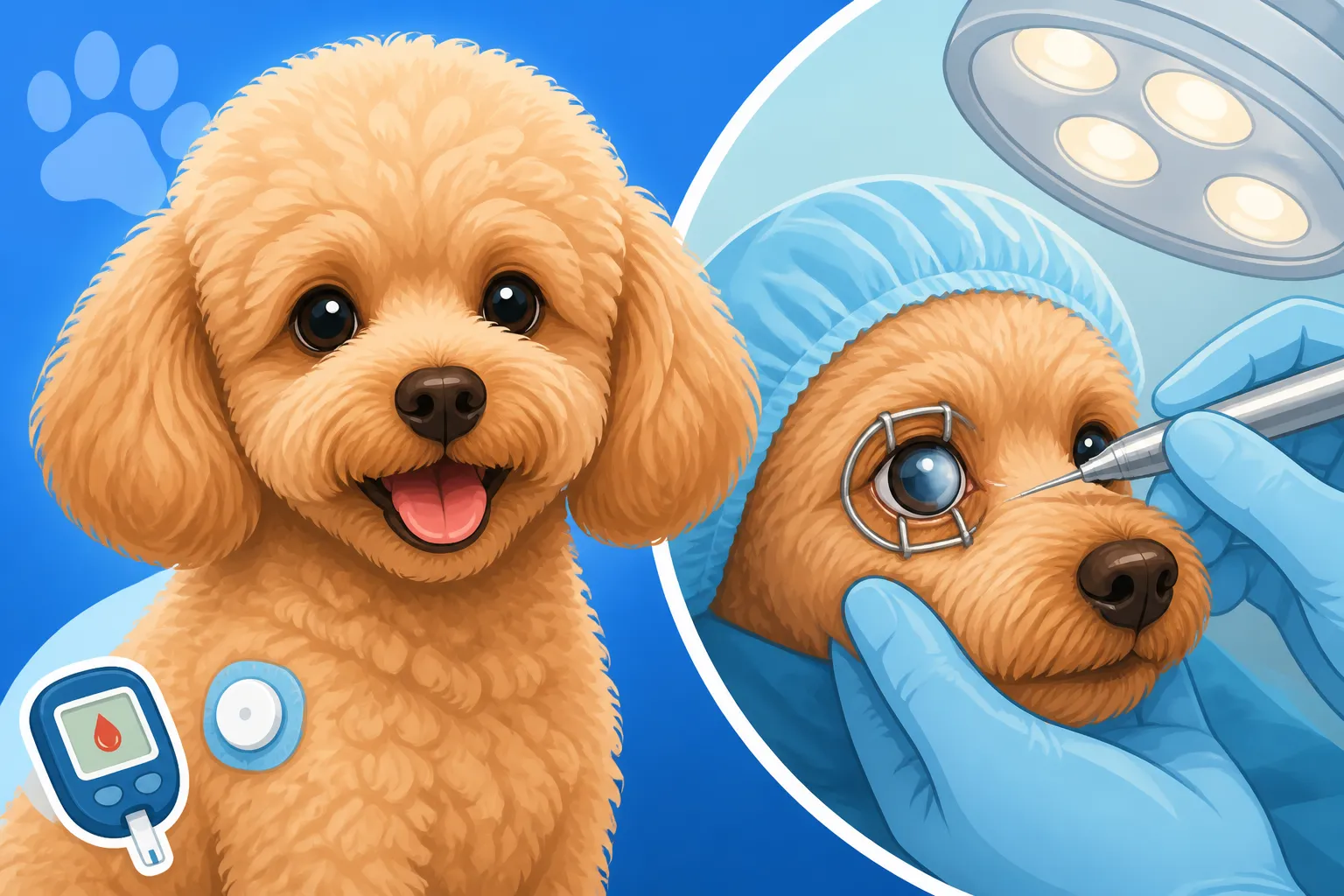
The surgery itself is a highly specialized procedure, usually performed using a technique called phacoemulsification, similar to human cataract surgery. Under general anesthesia, a tiny incision (usually less than 3mm) is made in the cornea. A small probe is then inserted, which uses high-frequency ultrasound waves to gently break up the cataract into tiny pieces. These pieces are then suctioned out of the eye. Once the natural, cloudy lens material is removed, an artificial intraocular lens (IOL) is typically implanted into the eye to restore focus. This IOL helps your Poodle see clearly without needing corrective glasses, much like humans.
The entire procedure is performed under a surgical microscope, requiring incredible precision and expertise. Most veterinary ophthalmologists performing this surgery are board-certified, meaning they have undergone extensive additional training beyond veterinary school. The length of the surgery can vary, but typically each eye takes about 30-60 minutes. Throughout the procedure, your Poodle's vital signs are continuously monitored by a dedicated veterinary nurse. It's a delicate dance of science and skill, aiming to give your Poodle the gift of sight back.
Immediate Post-Operative Care
Once the surgery is complete, your Poodle will begin the recovery phase, which is just as critical as the surgery itself. They will be carefully monitored as they wake up from anesthesia, with particular attention paid to their blood sugar levels given their diabetic status. Pain medication will be administered to keep them comfortable, and the intensive regimen of eye drops will begin almost immediately. This initial phase of recovery often involves an overnight stay at the veterinary hospital so the team can continuously monitor their eyes for any signs of inflammation or complications, and administer the frequent medications.
When they are discharged, you will receive very detailed instructions on medication administration, activity restriction, and what to watch out for. This is where your commitment truly shines. It’s vital to adhere strictly to the schedule for eye drops—which can be every few hours for the first few days—and to keep your Poodle calm and quiet. Reading pain in a sensitive Poodle can be tricky, so it's important to know the signs of discomfort and when to contact your vet. The immediate post-op period sets the stage for long-term success, and any deviation from the care plan can jeopardize the outcome.
Life After Surgery: Managing Expectations and Recovery
Bringing your Poodle home after cataract surgery is a mix of excitement and apprehension. While the hope for renewed vision is strong, the reality of post-operative care requires diligence, patience, and a clear understanding of what to expect.
The Intensive Recovery Period
The first few weeks post-surgery are the most critical. Your Miniature Poodle will likely come home wearing an Elizabethan collar (the dreaded "cone of shame") to prevent them from rubbing or scratching their eyes, which is absolutely essential for healing. Their eyes will be on a very strict schedule of multiple eye drops, often several different types, administered many times a day. This can be challenging, especially with a wiggly Poodle, but consistency is paramount to manage inflammation and prevent infection. It’s helpful to get into a routine, perhaps setting alarms, and making the drop administration as positive an experience as possible with treats and praise.
During this time, activity will be severely restricted. No running, jumping, rough play, or even vigorous head shaking. Short, calm leash walks are usually permitted, but any sudden movements or impacts could harm the healing eyes. This can be tough on an active Poodle, but remember it’s temporary and for their long-term benefit. Keeping them in a quiet, confined space, perhaps with soft music or a comforting blanket, can help them relax. Their diabetes management will continue to be a priority, as stable blood sugar contributes to better overall healing and reduces the risk of further ocular complications. Regular follow-up appointments with the ophthalmologist, often weekly at first, are essential to monitor progress and adjust medications as needed.
Potential Complications and Long-Term Care
While cataract surgery has a high success rate, potential complications can arise, some immediately and some later on. The most common immediate complication is post-operative inflammation, which is why those eye drops are so crucial. Glaucoma, a dangerous increase in eye pressure, can also occur, and early detection is vital to preserve vision. Retinal detachment, though less common, is a severe complication that can lead to permanent blindness. It’s important to watch for signs like increased redness, excessive tearing, squinting, or a sudden return to bumping into objects, and to contact your ophthalmologist immediately if you notice anything concerning.
Long-term, your Poodle will still need regular veterinary check-ups, and ongoing management of their diabetes is absolutely non-negotiable. Poorly controlled diabetes can still lead to other health issues, and while the artificial lenses won't develop cataracts, secondary issues can occur. You'll likely continue with some form of daily eye medication, perhaps a lubricating drop, to keep their eyes comfortable and healthy. It's also wise to remember that while their vision is restored, it might not be 20/20. They will see, but perhaps with a slightly different quality than before. However, the ability to see and interact with their world again is usually a profound improvement that dramatically enhances their quality of life. Caring for an aging Poodle, or one with chronic conditions, always involves diligence, and post-surgical eye care is no different.
Celebrating Restored Sight and Continued Management
The moment your Poodle truly sees you again after being blind, or confidently walks through a doorway they once hesitated at, is one of pure joy and profound relief. It's a testament to your dedication and the skill of the veterinary team. Celebrating these milestones, however small, helps you remember why you embarked on this challenging journey. They might be more playful, more confident, and simply happier, enjoying daily activities that were once impossible.
Remember that while vision is restored, your Miniature Poodle is still a diabetic dog, and that requires lifelong commitment from you. This means consistent insulin administration, a carefully managed diet (refer to Feeding a Poodle by Size for guidance), regular blood sugar monitoring, and continued routine veterinary care to keep their overall health, including their eyes, in the best possible condition. Keeping a Poodle at the right weight is also crucial for managing diabetes effectively. Routine eye checks will be part of their ongoing care to ensure the implanted lenses remain stable and there are no new issues. With your continued love and diligent care, your Miniature Poodle can live a full, happy life with their sight restored, proving that even with complex health challenges, hope and advanced veterinary medicine can make a world of difference.
Disclaimer
Please remember that this article provides general information and insights into cataract surgery for diabetic Miniature Poodles. It is not a substitute for professional veterinary medical advice, diagnosis, or treatment. Always consult with your veterinarian or a board-certified veterinary ophthalmologist for any health concerns or before making any decisions about your pet's medical care. Individual outcomes can vary, and your veterinarian is the best resource for tailored advice for your Poodle's specific situation.