What a Toy Poodle Extraction Costs
It's incredibly frustrating, isn't it? You cherish your tiny Toy Poodle, providing them with the best of everything, only to find out they need dental surgery. The thought of your little companion undergoing anesthesia is worrying enough, let alone the question mark hanging over the bill. This guide will walk you through the various factors that contribute to the cost of a tooth extraction for your Toy Poodle, helping you understand what to expect and how to prepare.
Why Toy Poodles Often Need Tooth Extractions
Toy Poodles, with their delightful personalities and compact size, unfortunately, come with a predisposition to certain dental problems that can lead to the need for tooth extractions. It’s not a reflection of your care; it's often a built-in challenge for these adorable little dogs.
The Unique Dental Challenges of Small Breeds
Imagine trying to fit a full set of adult human teeth into a child’s mouth – that’s essentially what happens with many small breeds, including our beloved Toy Poodles. Their jaws are simply too small to accommodate all 42 adult teeth comfortably. This crowding creates a perfect storm for dental issues. When teeth are packed in so tightly, they can rotate or overlap, making it incredibly difficult to clean them effectively, even with diligent brushing. Food particles and bacteria get trapped in those tight spaces, accelerating plaque and tartar buildup. This is a primary reason why you might find yourself dealing with issues that eventually necessitate an extraction. It's a common problem for them, almost an unavoidable aspect of their unique physiology. Another frequent culprit is Retained Baby Teeth in a Toy Poodle. Sometimes, their puppy teeth just don't want to let go, creating further crowding and trapping debris, leading to inflammation and potential infection for the permanent teeth trying to emerge.
Common Dental Issues Leading to Extraction
Beyond the general crowding, several specific dental conditions commonly plague Toy Poodles and can lead to tooth extraction. Periodontal disease is the most prevalent, and frankly, the most insidious. It starts as gingivitis, an inflammation of the gums caused by plaque. If left unchecked, it progresses to periodontitis, where the infection spreads below the gum line, damaging the supporting structures of the tooth, including the bone. Once this happens, teeth become loose, painful, and often infected, making extraction the only viable solution to alleviate pain and prevent further systemic infection. You might notice signs like bad breath, reluctance to eat, or pawing at their mouth.
Another issue can be tooth fractures. While Toy Poodles might not be gnawing on large bones, even chewing on hard dental chews or playing with certain toys can lead to a fractured tooth, especially if the tooth is already weakened by disease. A fractured tooth exposes the sensitive pulp, which is incredibly painful and can quickly lead to infection, demanding removal. In some cases, a less common but equally serious problem called tooth resorption can occur, where the tooth structure breaks down from the inside out. This condition is progressive and painful, and unfortunately, extraction is the only effective treatment. When considering Why Small Poodles Lose Teeth Early, these issues often intertwine, making early intervention and understanding these specific challenges critical.
Understanding the Components of Extraction Costs
When your veterinarian presents an estimate for a Toy Poodle tooth extraction, it's rarely a single line item. There's a whole suite of services and procedures involved, each contributing to the final cost, all designed to ensure the safety and well-being of your precious pet.
Pre-Anesthetic Workup and Diagnostics
Before any surgical procedure, especially one involving general anesthesia, a thorough pre-anesthetic workup is absolutely essential. For a tiny Toy Poodle, whose body systems are delicate, this step is non-negotiable. It typically includes blood tests to assess organ function (liver and kidneys), check for anemia, and ensure clotting ability. These tests help the vet tailor the anesthesia protocol and identify any underlying health issues that could pose a risk during surgery. A physical exam, checking for things like Heart Murmurs in an Older Toy Poodle, is also part of this workup. Sometimes, a chest X-ray might be recommended, particularly for older dogs or those with suspected heart or lung conditions, to ensure their respiratory system can handle anesthesia.
Beyond general health, specific dental diagnostics are crucial. Full-mouth dental X-rays are paramount for Toy Poodles. What you see above the gum line is literally only the tip of the iceberg – approximately two-thirds of the tooth structure, including the roots and surrounding bone, lies hidden beneath the gums. Dental X-rays reveal bone loss, abscesses, un-erupted teeth, and root problems that are impossible to detect with the naked eye. Without these X-rays, a vet might miss additional diseased teeth or leave behind painful root fragments. This comprehensive diagnostic phase is a significant component of the cost, but it's vital for a safe and successful outcome. When thinking about What a Vet Checks on a Toy Poodle Puppy, dental health should be on that list from day one.
Anesthesia and Monitoring Fees
Anesthesia for a tiny Toy Poodle is a nuanced art. Small dogs have a higher surface area to mass ratio, making them more susceptible to hypothermia, and their tiny veins can make IV catheter placement tricky. The cost reflects the specialized care required. This includes the anesthetic drugs themselves, which are often meticulously calculated based on your Poodle’s exact weight and health status.
Crucially, it also covers the sophisticated monitoring equipment and the dedicated veterinary technician who operates it throughout the procedure. Your Poodle will have an IV catheter for fluid administration (to maintain blood pressure and hydration) and emergency drug access. They will be connected to monitors tracking heart rate, respiratory rate, blood pressure, oxygen saturation, and body temperature. Maintaining stable body temperature is particularly important for small breeds, so warming blankets or circulating warm water pads are often used. This constant, vigilant oversight by trained personnel and advanced equipment ensures that any adverse reactions or changes in vital signs are immediately detected and addressed, adding a layer of safety that is reflected in the fees.
The Extraction Procedure Itself
The actual tooth extraction is where things can vary widely in terms of complexity and, consequently, cost. A "simple" extraction might involve a single-rooted tooth that is already very loose due to severe periodontal disease. Even these aren't always straightforward in a small mouth. However, many extractions, especially of multi-rooted teeth like molars or canines, require a surgical approach.
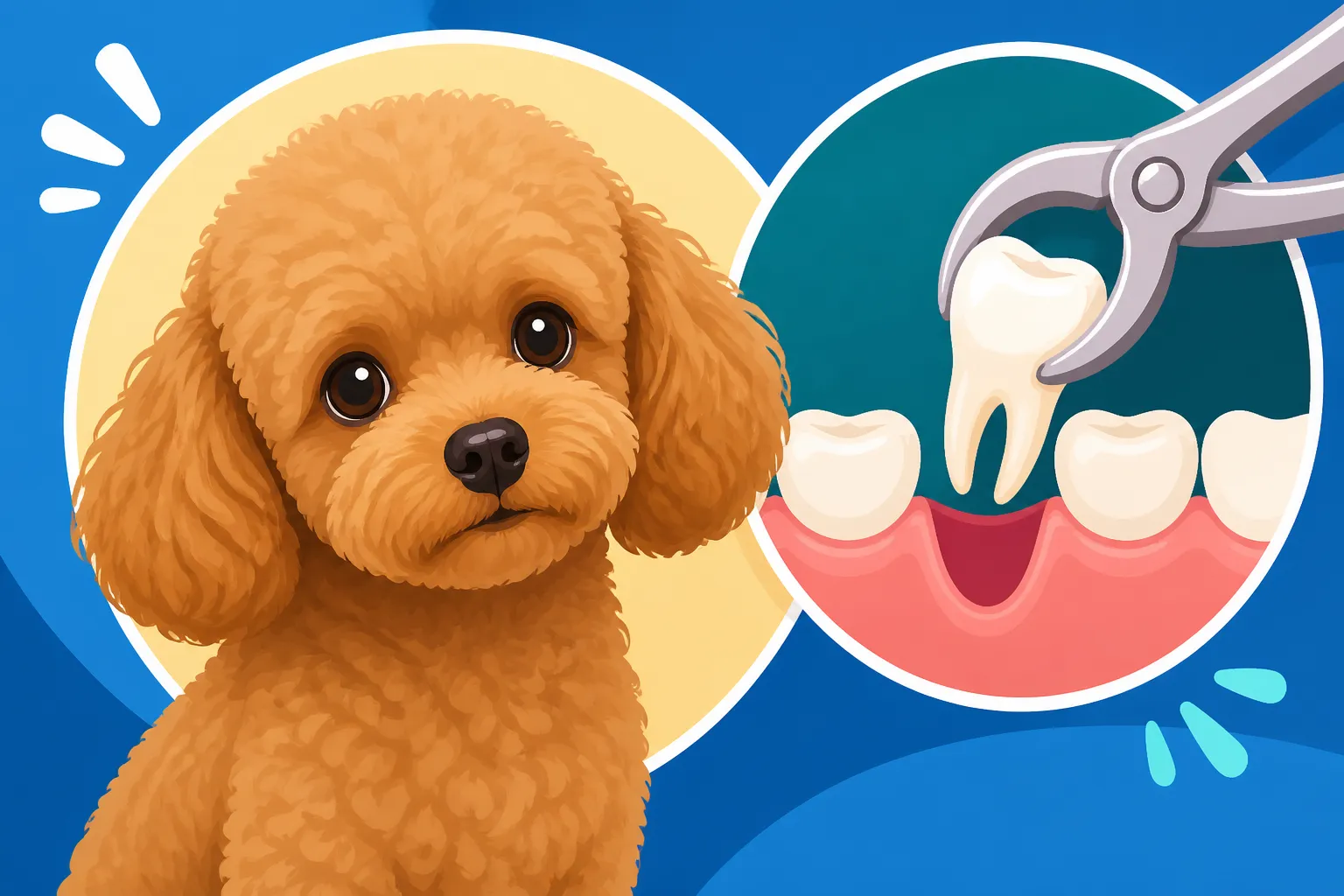
A surgical extraction involves making an incision in the gum tissue, carefully removing bone around the tooth, sectioning the tooth (dividing it into smaller pieces to remove it without damaging the jaw), and then meticulously closing the gum flap with sutures. This takes skill, precision, and time. The cost will account for the veterinarian's expertise, the surgical instruments used, and the time spent on the procedure. Furthermore, specific techniques are employed to ensure minimal trauma and promote healing, and these specialized approaches naturally contribute to the overall expense. Pain management during and immediately after the procedure is also integral, often involving nerve blocks and systemic pain medication.
Post-Operative Care and Medication
The care doesn't stop once the tooth is out and your Poodle is waking up from anesthesia. Post-operative care is critical for a smooth recovery and to prevent complications. This typically includes a course of antibiotics to ward off infection, especially given the bacterial load often present in diseased mouths. Pain medication will also be prescribed to keep your Poodle comfortable during the initial healing phase. This might be oral medication given at home for several days.
Follow-up appointments are also often necessary to check the surgical sites, ensure proper healing, and address any concerns. Sometimes, a recheck might involve removing sutures, though many vets use dissolvable ones. The cost of these medications and follow-up visits are usually factored into the initial estimate, or at least discussed as potential additional expenses. Ensuring your Toy Poodle is comfortable and heals well is paramount, and these medications and checks play a crucial role in that process.
Factors That Influence the Final Bill
Just like buying a car, the sticker price for a Toy Poodle tooth extraction isn't static. Numerous variables can push the cost up or down, making it challenging to give a precise figure without a specific examination.
Geographical Location and Clinic Type
Where you live can have a significant impact on the cost of veterinary services, including tooth extractions. Vets in major metropolitan areas, like New York City or Los Angeles, generally have higher overheads (rent, staff salaries, utilities) compared to those in more rural or suburban locations. This difference in operating costs is naturally passed on to clients through higher fees. Think of it like real estate prices – everything is more expensive in a high-demand, high-cost-of-living area.
The type of veterinary clinic also plays a role. A general practice veterinary office will typically charge less than a specialized veterinary dental clinic. While a general practitioner is perfectly capable of performing routine extractions, a dental specialist often has advanced training, state-of-the-art equipment (like cone-beam CT scanners for incredibly detailed imaging), and a team solely focused on dental health. This specialized expertise and technology come with a premium. It’s important to discuss the complexity of your Poodle’s case with your primary vet; they may refer you to a specialist if the extractions are particularly challenging or if there are extensive oral pathology concerns.
Severity of Dental Disease and Number of Extractions
This is perhaps the biggest variable in the cost equation. A single, relatively straightforward extraction of a very loose, diseased incisor is going to be far less expensive than multiple extractions, especially if they involve molars or canines that require surgical removal. The more teeth involved, and the more complex each extraction, the longer the procedure will take, requiring more anesthesia, more surgical supplies, and more of the veterinary team's time and expertise.
The severity of the periodontal disease itself also matters. If the infection is deep-seated, involving significant bone loss, or if there are abscesses present, the procedure becomes more complicated. The vet may need to spend more time debriding infected tissue, meticulously cleaning the area, and ensuring all infection is removed to prevent recurrence. A good vet will explain all of these factors during the initial consultation and provide a detailed estimate reflecting the anticipated work needed, which should always include dental X-rays to assess the full extent of the problem. This is why addressing Poodle Dental Disease by Size early is so important; proactive care can prevent these extensive and costly procedures.
Veterinary Experience and Equipment
The skill and experience of your veterinarian, and the quality of their dental equipment, directly influence the cost and, more importantly, the outcome of the procedure. A vet who has performed hundreds of dental surgeries will likely work more efficiently and expertly than one who does them less frequently. Their understanding of pain management, nerve blocks, and advanced surgical techniques can make a significant difference in your Poodle's comfort and recovery.
Modern veterinary dental equipment, such as digital dental X-ray systems, high-speed dental drills, and specialized instruments for delicate extractions, represents a substantial investment for a clinic. These tools allow for more precise, less invasive procedures, which are ultimately safer and more effective for your pet. Clinics that invest in such technology and prioritize ongoing training for their staff will reflect these higher standards in their pricing. While it might seem like a higher upfront cost, it's an investment in your Poodle’s safety and the quality of care they receive.
Potential Complications and Unexpected Charges
Even with the most thorough pre-surgical planning, complications can sometimes arise during or after a tooth extraction, leading to unexpected charges. For example, if a tooth root breaks during extraction, it requires additional time and delicate work to remove the fragments without damaging the jawbone. In very severe cases of periodontal disease, the jawbone around a diseased tooth can become so thin and weak that a jaw fracture can occur during extraction, especially in tiny breeds like Toy Poodles. This is a serious complication that would require additional surgery and specialized aftercare.
Other potential complications might include excessive bleeding, particularly if your Poodle has an undiagnosed clotting disorder, though pre-anesthetic blood work usually screens for this. Post-operatively, infection at the extraction site, delayed healing, or adverse reactions to medication are all possibilities, albeit rare. Each of these scenarios would necessitate additional veterinary time, diagnostics, medications, or even another procedure, adding to the final bill. It's always wise to ask your vet about the possibility of unexpected charges and how they handle them, providing a cushion in your budget for unforeseen circumstances. This is where pet insurance from providers like Healthy Paws can truly be a lifesaver, as unexpected complications often fall under their coverage.
Strategies to Manage and Prepare for Costs
The prospect of a hefty vet bill for a tooth extraction can be daunting, but there are proactive steps you can take to manage these costs and ensure your Toy Poodle receives the best possible care without breaking the bank.
Regular Preventive Dental Care
Prevention is always cheaper than a cure, and nowhere is this truer than with dental health. Establishing a routine of daily dental care at home is the single most impactful thing you can do to prevent the need for costly extractions. This means brushing your Toy Poodle's teeth every day with a vet-approved enzymatic toothpaste. It can be a challenge with a wiggly Poodle, but starting early in puppyhood makes a huge difference. Regular brushing helps disrupt plaque formation and slow the progression of periodontal disease.
Beyond daily brushing, consider dental chews, diets, and water additives specifically formulated to help reduce plaque and tartar. Always look for products with the Veterinary Oral Health Council (VOHC) seal of acceptance, as these have been scientifically proven to be effective. And crucially, don't skip those annual professional dental cleanings under anesthesia. How Often a Poodle Needs Dental Scaling depends on their individual needs, but for many Toy Poodles, an annual cleaning is vital. These professional cleanings allow your vet to thoroughly clean below the gum line and polish the teeth, drastically reducing the risk of advanced periodontal disease that leads to extractions. By being proactive, you're not just saving money; you're significantly improving your Poodle's quality of life and preventing pain.
Pet Insurance Options
Pet insurance can be an absolute game-changer when faced with unexpected veterinary expenses like tooth extractions. Many comprehensive pet insurance policies, such as those offered by Healthy Paws, cover dental procedures for accidents and illnesses, including extractions due to periodontal disease, provided the condition isn't pre-existing. It's crucial to enroll your Poodle in a policy before any signs of dental disease become apparent. If your vet has already noted tartar buildup or gingivitis in their records, that specific condition might be deemed pre-existing and excluded from coverage.
When choosing a policy, look at the deductible, reimbursement percentage, and annual limits. Some policies also offer optional wellness plans that might cover routine dental cleanings, further offsetting costs. Understanding your policy's terms is key. For example, many plans will cover extractions needed due to disease, but not routine cleaning unless a wellness rider is added. Research different providers and compare their coverage for dental issues to find one that best suits your budget and your Poodle's needs. Having that safety net can make a huge difference in being able to afford necessary treatments without financial strain, especially when you're thinking about things like Monthly Insurance Premium by Poodle Size versus the cost of a major dental procedure.
Discussing Costs and Payment Plans with Your Vet
Never be afraid to have an open and honest conversation with your veterinarian about costs. Before any procedure, ask for a detailed, written estimate that breaks down all the anticipated expenses, from pre-anesthetic blood work to post-operative medications. If the estimate seems daunting, ask if there are any areas where costs can be managed without compromising your Poodle's safety or care. Sometimes, a vet can offer different options for pain management or diagnostics, though they will always recommend what's best.
Many veterinary clinics understand that large bills can be a burden and are often willing to work with you. Ask about payment plans they might offer directly, or if they partner with third-party financing options like CareCredit. These programs often allow you to pay off veterinary bills over time, sometimes interest-free for an introductory period. Having this conversation upfront ensures there are no surprises and allows you to make informed decisions about your Poodle’s care.
Emergency Funds and Financial Aid
Even with pet insurance and payment plans, sometimes unexpected costs arise, or you might find yourself in a situation where insurance doesn't cover everything. This is where having an emergency fund specifically for your pet can be invaluable. Designating a portion of your savings, even a small amount each month, to a "pet emergency" fund can provide a crucial buffer. Knowing how much to put away might seem arbitrary, but thinking about Saving Ahead for a Poodle Emergency can really help mitigate stress in difficult times.
For those facing significant financial hardship, several non-profit organizations offer financial assistance for veterinary care. Organizations like The Pet Fund, RedRover, and Frankie's Friends provide grants to pet owners who cannot afford emergency or critical veterinary treatments. Eligibility criteria vary, but they can be a lifeline in dire situations. Additionally, many breed-specific rescues, including Poodle rescues, sometimes have funds available to help owners with high-cost medical needs. Don't hesitate to explore these options if you're struggling to cover the costs of your Toy Poodle's necessary dental work.
Here’s a table outlining a potential cost breakdown for a Toy Poodle tooth extraction:
| Item | Estimated Cost Range (USD) | Notes |
|---|---|---|
| Initial Exam/Consultation | $60 – $150 | May be separate if not part of a pre-dental exam. |
| Pre-Anesthetic Bloodwork | $100 – $250 | Essential for safety, varies by panel complexity. |
| Dental X-rays (Full Mouth) | $150 – $350 | Critical for identifying hidden disease; often included in "dental cleaning" fee. |
| Anesthesia & Monitoring | $300 – $700+ | Includes drugs, IV fluids, dedicated tech, monitoring equipment. Higher for longer procedures. |
| Routine Dental Cleaning (Scaling & Polishing) | $300 – $700+ | Base fee for cleaning all teeth before extractions. |
| Simple Extraction (per tooth) | $50 – $150 | For single-rooted, loose teeth. |
| Surgical Extraction (per tooth) | $150 – $500+ | For multi-rooted teeth, fractured teeth, or those requiring bone removal/sectioning. More complex=higher cost. |
| Pain Medication (Injectable/Oral) | $50 – $150 | Pre-operative, intra-operative, and post-operative oral medications. |
| Antibiotics (Oral) | $30 – $80 | For preventing or treating infection. |
| Post-Operative Recheck | $0 – $70 | May be included or a separate fee depending on clinic policy. |
| TOTAL ESTIMATE (Average) | $800 – $2,500+ | Varies significantly based on severity, location, and number of extractions. |
Disclaimer
This article is for general informational purposes only and does not constitute professional advice. Laws, prices and regulations vary by location and change over time. Consult a qualified professional for guidance on your specific situation.