Managing a Toy Poodle’s Trachea Without Surgery
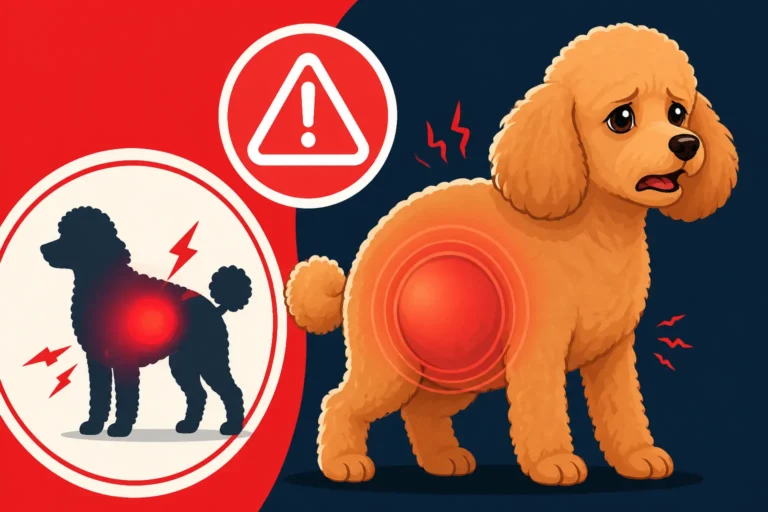
Hearing your precious Toy Poodle emit that awful honking cough, a sound that rattles through their tiny body and often leaves them gasping, is truly one of the most frightening experiences a Poodle owner can face. It’s distressing to witness their struggle, knowing their little windpipe isn't quite as strong as it should be, and the fear of it worsening can be overwhelming. This guide is here to walk you through comprehensive non-surgical strategies to manage a Toy Poodle's collapsing trachea, offering practical steps and insights to improve their quality of life.
Understanding Collapsing Trachea in Toy Poodles
Collapsing trachea is a chronic, progressive respiratory condition that is unfortunately very common in smaller dog breeds, and our beloved Toy Poodles are particularly susceptible. It's essentially a weakening of the cartilage rings that normally hold the trachea (or windpipe) open. Instead of firm, C-shaped rings, they become soft and flatten, making it difficult for air to pass through, especially during inhalation.
The Anatomy of the Problem
Imagine your dog's windpipe as a vacuum cleaner hose; it needs those rigid rings to stay open. In a Toy Poodle with a collapsing trachea, those rings are more like weak rubber bands. When your Poodle breathes in, particularly with force or excitement, the soft walls of the trachea can flatten and even touch, obstructing the airflow. This can happen anywhere along the trachea, from the neck down to where it enters the lungs, but it's most frequently seen in the cervical (neck) region. The severity can range from mild, intermittent coughing to severe respiratory distress. It's often genetic, passed down through generations, and exacerbated by the delicate structure of small breed dogs. Understanding that this isn't something they can "grow out of" or that you caused is the first step; it’s a structural issue.
Recognizing the Tell-Tale Signs
The most recognizable symptom, and often the one that sends owners rushing to the vet, is the distinctive "honking cough." This isn't just a regular cough; it sounds almost like a goose honking, often described as dry, harsh, and paroxysmal (meaning it comes in sudden, violent bursts). You might notice it after they drink water, get excited, pull on their leash, or even just wake up from a nap. Besides the cough, other signs include:
- Gagging or Retching: Sometimes after a coughing fit, they might gag as if trying to clear something from their throat.
- Difficulty Breathing: In more severe cases, you might see them struggling for breath, with noticeable effort in their chest, or their gums and tongue might turn bluish (cyanosis) due to lack of oxygen. This is an emergency.
- Exercise Intolerance: They might tire easily during walks or play, unable to keep up like they used to.
- Wheezing: A high-pitched whistling sound when they breathe.
If you're noticing these signs, especially the specific honking cough, it's crucial to consult your veterinarian. They can conduct a physical examination, gently palpate your Poodle's trachea (which might trigger a cough), and often recommend X-rays or even a fluoroscopy (a moving X-ray) to visualize the trachea collapsing in real-time. This helps them assess the severity and location of the collapse, which is essential for determining the best management plan. You can read more about this tell-tale sign in our article on The Honking Cough of a Toy Poodle.
Environmental and Lifestyle Adjustments for Tracheal Health
While we can't reverse the structural changes in the trachea, we can absolutely make significant improvements to your Toy Poodle's daily life that will minimize irritation, reduce coughing episodes, and dramatically enhance their comfort. These non-surgical interventions are often the first line of defense and are incredibly effective when consistently applied.
Harnesses Are a Must, Not an Option
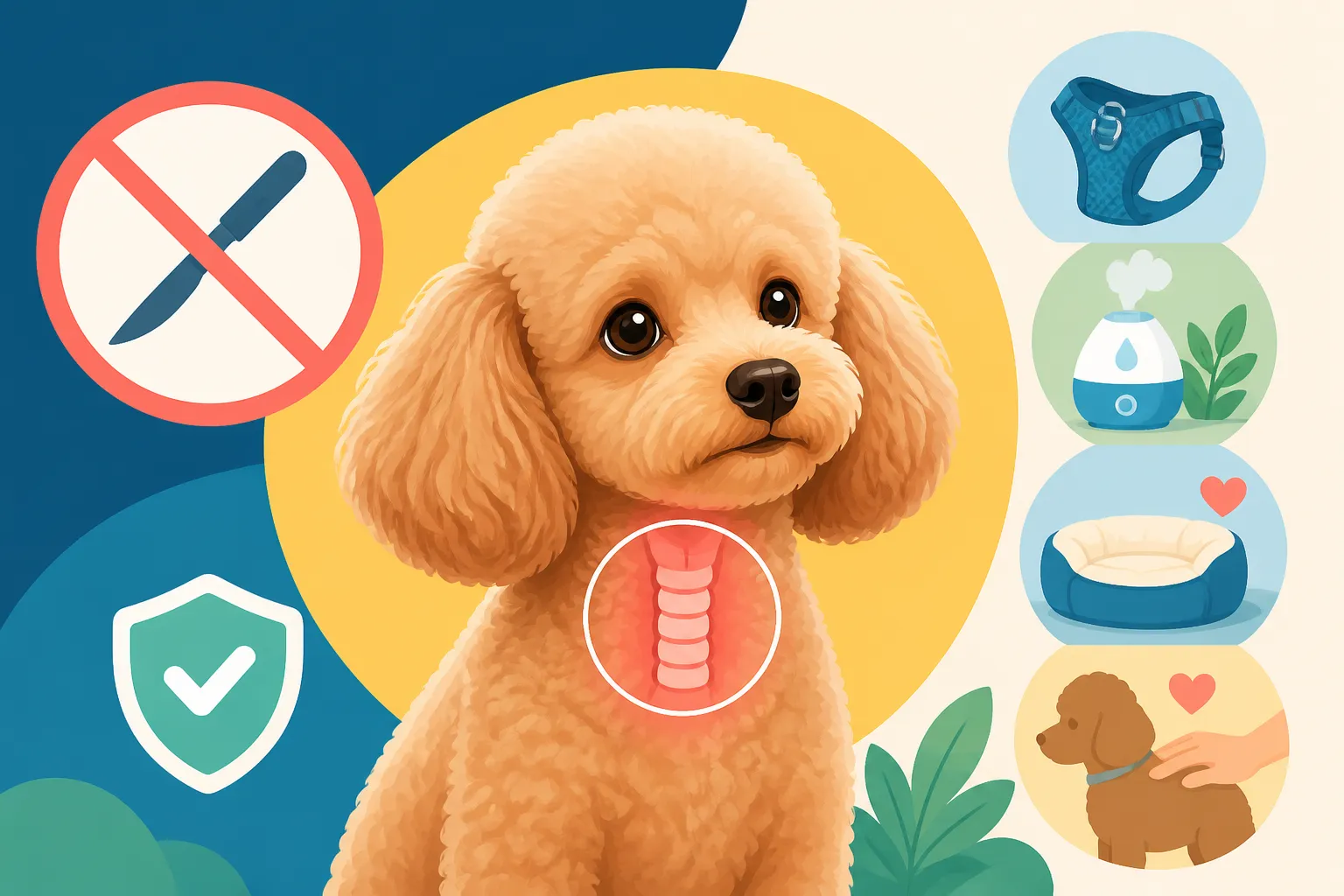
This is perhaps the single most important lifestyle change for any Toy Poodle prone to tracheal collapse. A traditional collar, even a soft one, puts direct pressure on the delicate trachea when your Poodle pulls, lunges, or even just walks on a taut leash. This pressure can instantly trigger a coughing fit and, over time, worsen the collapse. Switching to a well-fitting harness distributes pressure across their chest and back, completely bypassing the neck.
When choosing a harness, look for one that fits snugly but not tightly, allowing full range of motion without chafing. Ensure it doesn't ride up into their throat. Many brands offer "no-pull" harnesses that clip in the front, which can be even better for Poodles who tend to pull, guiding them gently without any neck strain. Making this switch can provide immediate relief and is a cornerstone of managing this condition. Our guide on Why Harnesses Matter for a Toy Poodle's Throat offers more detailed advice on selection.
Managing Weight for Respiratory Relief
Obesity isn't just a cosmetic issue; it's a significant health concern that exacerbates a collapsing trachea. Excess fat around the neck and chest can put additional pressure on the already compromised airway, making it even harder for your Poodle to breathe. Even a few extra pounds can make a huge difference to a tiny Toy Poodle. If your Poodle is overweight, working with your vet to implement a gradual weight loss plan is crucial.
This might involve precise portion control, switching to a lower-calorie dog food, and carefully selected, low-impact exercise. Remember, exercise must be managed carefully for Poodles with tracheal issues to avoid overexertion, which can trigger coughing. Focus on controlled, shorter walks on a harness rather than strenuous activities. Maintaining a healthy weight reduces the strain on their respiratory system, alleviates pressure, and can lead to a noticeable improvement in their breathing and overall energy levels. For more on the bigger picture, explore Poodle Obesity and Its Consequences.
Optimizing Air Quality
Just like humans, dogs are sensitive to irritants in the air, but for a Poodle with a compromised trachea, these can be far more impactful. Anything that can cause inflammation or constriction in the airways should be minimized or eliminated from their environment. This includes:
- Cigarette Smoke: Absolutely no smoking indoors or near your Poodle. Secondhand smoke is a huge irritant.
- Strong Scents: Air fresheners, scented candles, aerosol sprays, perfumes, and harsh cleaning products can all trigger coughing. Opt for unscented alternatives.
- Dust and Allergens: Keep your home as dust-free as possible. Regular vacuuming (with a HEPA filter) and dusting can help. If your Poodle has allergies, managing those can also reduce airway inflammation.
- Humidity: Dry air can be irritating. A humidifier in your home, especially during dry seasons or if you have forced-air heating, can help keep their airways moist and comfortable.
Creating a clean, fresh-air environment is a relatively simple yet powerful way to reduce tracheal irritation and support easier breathing for your Poodle.
Managing Excitement and Stress
Excitement, while lovely to witness in our Poodles, can be a major trigger for a collapsing trachea. The rapid, forceful breathing that comes with intense play, enthusiastic greetings, or even anxious moments can cause the trachea to collapse more severely. It's not about eliminating joy from their lives, but about managing the intensity.
Consider shorter, calmer play sessions, using puzzle toys for mental stimulation instead of high-octane fetch. Teach polite greetings to visitors rather than allowing frantic jumping. If your Poodle gets anxious in certain situations, work on desensitization or discuss calming aids with your vet. The goal is to keep their breathing steady and calm. This might mean adjusting your approach to how you greet them when you come home or how they interact with other dogs. Slowing things down can be surprisingly effective.
Medical Management and Supportive Care
While lifestyle changes are critical, some Toy Poodles will still require ongoing medical intervention to manage their collapsing trachea effectively. These treatments aim to reduce inflammation, suppress coughing, and make breathing easier, all under the careful guidance of your veterinarian.
Medications for Symptom Control
Your vet might prescribe several types of medications, often in combination, depending on the severity of your Poodle's condition and their individual response.
- Cough Suppressants: Medications like hydrocodone or butorphanol can reduce the frequency and intensity of coughing fits. This is crucial because persistent coughing itself can further irritate and inflame the trachea, creating a vicious cycle. Suppressing the cough allows the airway to rest and reduces inflammation.
- Anti-Inflammatories (Steroids): Corticosteroids (e.g., prednisone) can be prescribed, usually for short periods during acute flare-ups or at low doses for chronic inflammation. They work by reducing swelling in the airways, which makes more room for air to pass. However, long-term steroid use has side effects, so your vet will weigh the benefits carefully.
- Bronchodilators: These medications help open up the smaller airways in the lungs, improving airflow. While the primary problem is in the trachea, bronchodilators can provide overall respiratory support.
- Antibiotics: Sometimes, chronic irritation from a collapsing trachea can lead to secondary bacterial infections in the respiratory tract. If your vet suspects an infection, antibiotics will be prescribed to clear it up.
It’s important to give all medications exactly as prescribed and to never stop them suddenly without veterinary guidance. Regular follow-ups will allow your vet to adjust dosages or change medications as needed to keep your Poodle comfortable.
Nutritional Support and Supplements
While no supplement can cure a collapsing trachea, some owners and vets explore options that support cartilage health or reduce inflammation.
- Glucosamine and Chondroitin: These are popular joint supplements, but some theorize they might offer minor support for tracheal cartilage. The scientific evidence specifically for tracheal collapse is limited, but they are generally safe. Your vet can advise if these might be worth trying for your individual Poodle.
- Omega-3 Fatty Acids: Found in fish oil, these have natural anti-inflammatory properties. Reducing systemic inflammation can potentially benefit the respiratory system. Always choose a high-quality, pet-specific omega-3 supplement and discuss the appropriate dosage with your vet.
- Antioxidants: Vitamins C and E, or other antioxidant blends, might help combat oxidative stress associated with chronic inflammation.
Remember, supplements should always complement, not replace, prescribed medications and lifestyle changes. Always consult your veterinarian before adding any new supplements to your Poodle's regimen to ensure they are safe and appropriate.
Humidification and Nebulization Therapies
For Poodles with particularly dry coughs, thick mucus, or frequent respiratory irritation, humidification can be very beneficial.
- Humidifiers: Placing a cool-mist humidifier near your Poodle's resting area, especially at night, can help keep their airways moist and reduce irritation.
- Nebulization: In more severe cases, your vet might recommend nebulizer treatments. This involves using a nebulizer machine to turn liquid medication (like saline, bronchodilators, or even antibiotics) into a fine mist that your Poodle can inhale directly into their airways. This delivers medication efficiently and can help loosen mucus, making it easier to breathe. Your vet can provide guidance on specific equipment and medications if this therapy is right for your Poodle.
These supportive therapies aim to create a more soothing environment for the airways, reducing dryness and helping to clear any accumulated secretions, offering another layer of comfort for your little one. It's important to remember that ongoing care can become costly, and many Poodle owners choose to invest in pet insurance. Companies like Healthy Paws can provide peace of mind by helping to cover the costs of diagnostics, medications, and specialist consultations for chronic conditions like tracheal collapse, making these management options more accessible.
Long-Term Outlook and When to Reassess
Living with a Toy Poodle who has a collapsing trachea is a journey that requires patience, vigilance, and a strong partnership with your veterinarian. It’s important to have a realistic understanding of the long-term prognosis and to know when non-surgical management might reach its limits.
The Progressive Nature of the Condition
Collapsing trachea is a progressive disease, meaning it tends to worsen over time, albeit at varying rates for different dogs. What starts as an occasional honking cough might, years later, become more frequent, more severe, and more debilitating. The lifestyle adjustments and medical management strategies discussed are designed to slow this progression, manage symptoms, and maintain the best possible quality of life for as long as possible. They don't cure the condition, but they can make a world of difference in your Poodle's comfort and happiness. Regular vet check-ups are paramount for monitoring this progression and adjusting treatment plans as needed. It's also worth familiarizing yourself with Caring for an Aging Poodle, as tracheal issues often become more pronounced in their senior years.
Assessing Quality of Life
The ultimate goal of any treatment plan is to ensure your Poodle has a good quality of life. This means they are comfortable, can breathe relatively easily, enjoy their daily activities (within appropriate limits), and aren't constantly distressed by coughing or struggling for air.
Consider keeping a journal of their coughing episodes, activity levels, and overall demeanor. This can be invaluable information for your vet. If you notice a significant increase in coughing, more pronounced breathing difficulties, decreased appetite, lethargy, or a general decline in their joyful Poodle spirit, it's a clear signal that their condition might be worsening and requires immediate veterinary attention. Learning to Reading Pain in a Sensitive Poodle can help you identify subtle shifts that indicate discomfort.
When Surgery Becomes a Consideration
For some Toy Poodles, despite diligent non-surgical management, the tracheal collapse progresses to a point where their quality of life is severely impacted. They might experience frequent, debilitating coughing fits, significant respiratory distress, or even episodes of collapse where they struggle desperately for breath. In these advanced cases, surgery may become an option.
Surgical intervention typically involves placing stents (small, wire mesh tubes) inside the trachea to hold the airway open. While surgery can be highly effective in severe cases, it's not without risks and is generally reserved for dogs who have failed to respond to all other forms of medical management. It's a specialized procedure, often performed by veterinary internal medicine specialists or surgeons, and involves significant recovery time. Your vet will carefully evaluate whether your Poodle is a good candidate for surgery, considering their overall health, the exact location and severity of the collapse, and your ability to manage post-operative care. Discussing all options, including the potential costs which can be substantial (another area where pet insurance like Healthy Paws can be invaluable), with your veterinary team is essential before making such a profound decision.
| Symptom Severity | Description | Non-Surgical Management | Potential Next Steps / Considerations |
|---|---|---|---|
| Mild | Occasional honking cough (e.g., when excited, pulling on leash). | Harness, weight control, environmental triggers. | Monitor, routine vet checks. |
| Moderate | More frequent cough, some gagging, mild exercise intolerance. | All above, plus cough suppressants, anti-inflammatories as needed. | Regular vet follow-ups, consider humidification. |
| Severe | Constant coughing, significant respiratory distress, bluish gums (emergency). | All above, possibly bronchodilators, nebulization, emergency oxygen. | Emergency vet care, specialist referral, surgery consideration. |
Ultimately, managing a Toy Poodle's collapsing trachea without surgery is about providing a nurturing, low-stress environment and working closely with your vet to find the right balance of care. It's an ongoing commitment, but one that allows your cherished Poodle to live a happy, comfortable life despite their challenges.
Disclaimer
The information provided in this article is for general informational purposes only and does not constitute veterinary advice. Always consult with a qualified veterinarian for any health concerns or before making any decisions related to your pet's health or treatment plan.