Reading Pain in a Sensitive Poodle
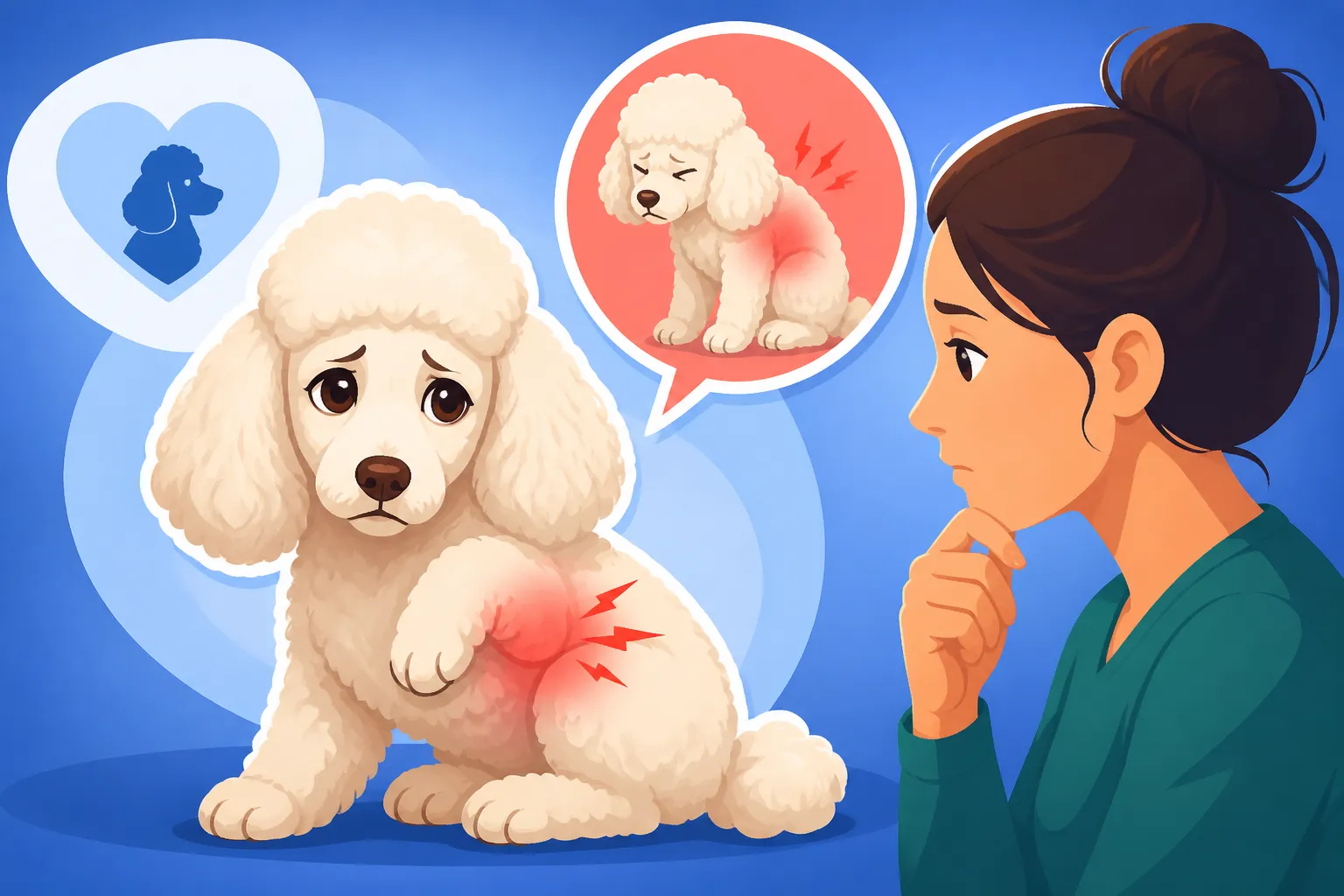
It's an utterly heartbreaking feeling when you look at your beloved Poodle and just know something isn't right, but they're giving you no clear answers. Our Poodles, with their famously intelligent and often sensitive nature, can be absolute masters at masking discomfort. This ability to hide pain is a common frustration for Poodle owners, leading to anxious days and worried nights. This guide is here to help you peel back those layers, understand the subtle cues your Poodle might be giving, and empower you to advocate for their health.
The Poodle's Natural Tendency to Mask Discomfort
Poodles are remarkable dogs, known for their grace, intelligence, and often, a deep emotional connection with their families. But this sensitivity, coupled with their historical roots as working retrievers, can create a frustrating paradox: they are often incredibly stoic about pain. This isn't because they're being difficult; it's often a deep-seated instinct or a manifestation of their desire to please us.
Why Poodles Are So Good at Hiding Pain
Think about it: Poodles were originally bred to retrieve waterfowl from icy waters. In such a demanding role, a dog that openly advertised every ache and pain wouldn't have been particularly effective. There's a certain stoicism bred into them, a "get on with the job" mentality. This historical context plays into their modern behavior. Many Poodles inherently try to push through discomfort, not wanting to appear weak or incapable.
Beyond their working heritage, a Poodle's intelligence also plays a significant role. They are highly observant and quick learners. They might quickly learn that certain behaviors (like limping) lead to unwanted attention, vet visits, or being left out of activities. To avoid these perceived negatives, they might try to compensate or hide their symptoms, often becoming masters of subtle adjustments that only the most vigilant owner would notice. This innate cleverness makes it a genuine challenge to pick up on their distress. This is often why Poodles are often seen as particularly adept at Why a Sensitive Poodle Hides Illness.
The Emotional Toll on Poodle Owners
For us, their human companions, this stoicism can be incredibly stressful. We want nothing more than for our Poodles to be happy and healthy, and feeling helpless when they're clearly suffering but not showing it can be truly agonizing. You might find yourself constantly watching them, analyzing every stretch, every yawn, every slight shift in their routine, wondering if you're missing something critical.
This constant vigilance is exhausting. The frustration often stems from the fact that Poodles communicate so much through their personality and body language when they're not in pain. They’re expressive, playful, and often quite vocal. When those typical expressions of joy and engagement dim, but there's no obvious cause, it throws us into a spiral of worry. This emotional burden is real, and it often leads to delayed veterinary visits simply because the signs aren't overt enough to scream "emergency." It’s easy to dismiss a subtle shift as just a "mood" when in reality, it could be a signal of growing discomfort, like the Reading Pain in a Sensitive Poodle.
Subtle Behavioral Cues Indicating Pain
Since Poodles are so adept at hiding significant distress, we have to become detectives, looking for the most minor shifts in their day-to-day behavior. These subtle cues are often the first, and sometimes only, indications that something is amiss. It’s about noticing what isn’t happening, as much as what is.
Changes in Movement and Posture
One of the most common ways Poodles try to mask pain is by altering their movement. You might not see an obvious limp at first. Instead, observe if they are reluctant to jump onto the sofa, hesitate before going up or down stairs, or appear stiff after lying down for a while. A Standard Poodle might be slower to get up from their bed, or a Toy Poodle might avoid their usual enthusiastic jumps for treats. They might hold a paw up for just a second longer than usual, or shift their weight unevenly when standing.
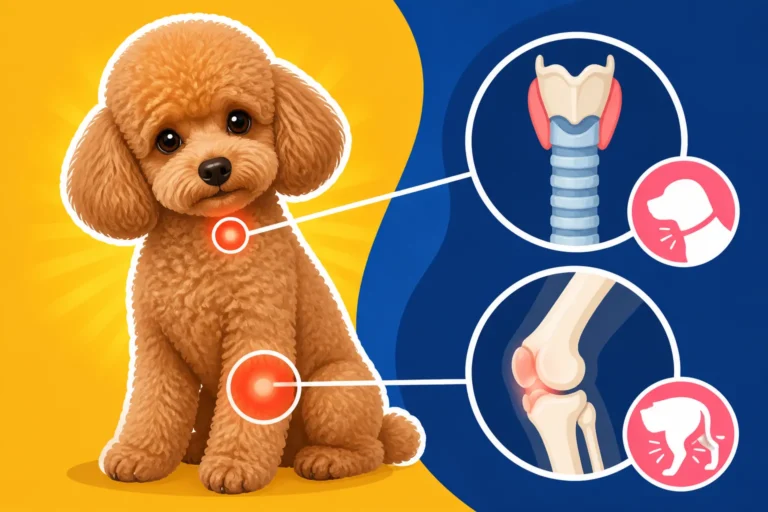
Watch their posture too. A Poodle in abdominal pain might stand with a hunched back, or try to stretch out in unusual ways to alleviate pressure. A Poodle with neck or back pain might keep their head low or struggle to look up. These almost imperceptible changes can be critical clues. For instance, issues like Poodle Hip Dysplasia by Size or Luxating Patella in Toy and Miniature Poodles often manifest as these subtle shifts in gait or reluctance to use certain limbs. They might avoid putting full weight on a particular leg or appear hesitant before running, a stark contrast to their usual exuberant energy.
Altered Eating, Drinking, or Potty Habits
Changes in their basic biological functions are often clear indicators of internal discomfort. A sudden loss of appetite, or a Poodle who picks at their food when they usually gulp it down, could signal anything from dental pain – a common issue, especially in smaller Poodles, as discussed in Poodle Dental Disease by Size – to a more serious internal ailment. Conversely, increased thirst might be a sign of kidney issues or metabolic conditions like diabetes.
Pay close attention to their bathroom habits. If your house-trained Poodle starts having accidents indoors, it could be a sign of urinary tract pain, or that they are unable to hold it as long due to discomfort when posturing to relieve themselves. Diarrhea or constipation, especially when accompanied by lethargy or vomiting, should always raise a red flag. These shifts indicate internal distress that they simply cannot mask. If your usually ravenous Poodle suddenly turns up their nose at mealtime, don't just assume they're being picky; consider a vet visit.
Shifts in Play and Social Interaction
A Poodle's willingness to play and interact is a huge part of their charm. If your Poodle, who normally lives for a game of fetch, suddenly shows less interest in their favorite toys, it could be a sign of joint pain or general malaise. They might stop initiating play, or withdraw from games they once loved. Observe how they react to touch. A Poodle who usually loves a good cuddle might flinch when you reach for a specific area, or growl when approached, particularly if they are generally a very gentle dog.
Some Poodles might become more clingy, seeking comfort, while others might become unusually reclusive, hiding away in a quiet corner. If your Poodle, known for being friendly with visitors, suddenly becomes wary or even snappish without provocation, it's worth considering pain as a root cause. This isn't to be confused with a Poodle simply being particular about who they interact with; rather, it’s a distinct change from their established social behavior. Understanding Reading a Poodle's Body Language can help you differentiate between general discomfort and a genuine reaction to pain or fear, as their ears, tail, and facial expressions often tell a story, even if they're trying to be brave.
Vocalizations and Physical Manifestations of Pain
While Poodles are often stoic, certain types of pain or severe discomfort can break through their natural tendency to hide symptoms. Sometimes, it’s not just about subtle behavioral shifts, but outright physical signs or vocal cues that, when observed closely, demand immediate attention.
Uncommon Sounds and Breathing Patterns
Poodles are not typically overly vocal in a distressed way, so any unusual sounds should be noted. A soft whimper when shifting position, a low grunting sound when getting up, or a sudden yelp when touched in a specific spot are undeniable signs of pain. Beyond direct vocalizations of pain, listen to their breathing. Are they panting excessively without having exercised or being hot? Is their breathing shallow or labored? A Poodle with respiratory distress might show rapid, shallow breaths or an exaggerated effort to breathe.
One very specific sound to listen for, especially in Toy Poodles, is a The Honking Cough of a Toy Poodle. This distinctive cough, often described as sounding like a goose honking, is a classic sign of a collapsing trachea, a condition where the cartilage rings of the windpipe weaken and collapse. While it might not always be painful in itself, it’s a clear sign of discomfort and difficulty breathing that warrants immediate veterinary attention. Any consistent, new cough, wheeze, or grunt needs to be investigated.
Visible Physical Signs
Sometimes, the body gives clear signals, even if the Poodle tries to act normal. Obsessive licking or chewing at a particular spot on their body can indicate localized pain, itchiness, or irritation. This could be due to a skin infection, an injury, or underlying joint discomfort. A Poodle's luxurious coat might also tell a story: a dull, patchy, or unkempt appearance could signal poor health, pain preventing self-grooming, or conditions like Sebaceous Adenitis.
Look at their eyes. Dilated pupils, a faraway stare, or eyes that appear dull or glazed over can be signs of pain. Their muscles might appear tense, or they might flinch or guard a specific area when you gently touch it. Restlessness, an inability to settle into a comfortable position, or constantly shifting their weight while lying down can all be signs of discomfort. On the other hand, unusual lethargy and a desire to just lie down all the time can also be a red flag. If your Poodle normally thrives on interaction but suddenly wants to be left alone, or seems to "sulk" more than usual, it’s important to differentiate typical Poodle behavior from pain-induced withdrawal, which might call for a closer look at Whether Poodles Sulk.
The "Poodle Sulk" Versus Actual Pain
Ah, the infamous Poodle sulk! Many Poodle owners can attest to their Poodles' dramatic flair when they don't get their way. Refusing to eat their kibble because they really wanted that piece of cheese, or turning their back on you after a stern "no" – these are classic Poodle theatrics. But how do you tell a sulk from genuine pain?
The key lies in the context and duration. A sulk typically resolves once the desired outcome is achieved (they get the cheese) or when they realize their antics aren't working. It's often temporary and very specific to a situation. True pain, however, usually brings a more generalized malaise. The lack of appetite isn't just for kibble but for treats too. The lethargy isn't just a brief protest; it’s persistent. A Poodle who is truly in pain won't snap out of it just because you offer their favorite toy. Their overall demeanor will be subdued, their eyes less bright, and their responses slower. While it can be tempting to dismiss subtle changes as just a Poodle being a Poodle, remember that their sensitivity also means they can genuinely suffer in silence.
Chronic Pain Versus Acute Distress
Understanding the difference between chronic, long-term pain and acute, sudden distress is vital for Poodle owners. Each requires a different approach to recognition and care, though both necessitate veterinary intervention.
Recognizing Gradual Changes in Chronic Conditions
Chronic pain often creeps up slowly, making it incredibly challenging to pinpoint. Conditions like arthritis, especially in older Poodles, don't usually present as a sudden yelp. Instead, you might notice your Poodle is a bit slower on walks, takes longer to lie down or stand up, or is less enthusiastic about jumping into the car. These are the subtle signs of stiffness and discomfort building over time. Thyroid issues, common in Poodles, can also cause subtle changes that might initially be dismissed. If you notice Hypothyroid Symptoms in a Poodle, such as lethargy, weight gain despite no change in diet, or a dull, dry coat, these could be signs of chronic underlying illness.
The insidious nature of chronic pain means it's often recognized much later than it begins. Regular wellness checks, especially for Caring for an Aging Poodle, are crucial. Vets can often spot early signs of orthopedic issues or internal imbalances during a routine examination, even before your Poodle shows obvious discomfort. Consistent observation of your Poodle’s baseline behavior is your best tool; even minor, consistent shifts over weeks or months can be significant.
Identifying Urgent Signs of Acute Pain
Acute pain, by contrast, is typically sudden, intense, and often accompanied by more dramatic symptoms. A sudden lameness after a fall, yelping when stepping off a curb, or a sudden onset of vomiting and diarrhea are all signs that your Poodle is in acute distress and requires immediate veterinary attention. These aren't the kind of symptoms you can monitor for a few days; they demand prompt action.
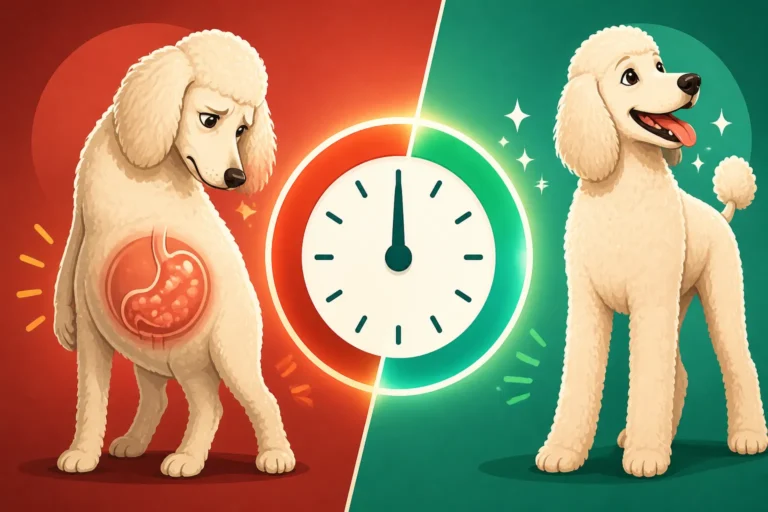
One of the most terrifying acute conditions for Standard Poodle owners is bloat, or Gastric Dilatation-Volvulus (GDV). This life-threatening condition can develop rapidly and requires emergency surgery. Key Bloat Symptoms in a Standard Poodle include a distended abdomen that feels hard to the touch, non-productive retching, excessive drooling, restlessness, and signs of discomfort. If you suspect bloat, time is of the essence. Pet insurance, such as a plan from Healthy Paws, can be a lifeline in such emergency situations, covering a significant portion of the often-costly veterinary care. Another acute scenario might be a sudden injury leading to a protective When a Poodle's Growl Needs a Behaviorist if someone approaches the injured area, signaling intense pain and fear.
Empowering Owners to Advocate for Their Poodle
As Poodle owners, we are our dogs' first and best advocates. Because they are so good at hiding pain, our vigilance and ability to communicate effectively with our veterinary team are absolutely critical to ensuring they receive the care they need.
Keeping a Pain Journal
One of the most effective tools you can create for your Poodle is a detailed pain journal. It might sound a bit over-the-top, but it provides objective data that can be invaluable to your vet. Start recording:
- Date and Time: When did you observe the behavior?
- Specific Behavior: Don't just say "seemed off." Describe what you saw. "Hesitated for 3 seconds before jumping on the couch," "yelped quietly when picking up left rear paw," "refused dinner, which is unusual," "began panting heavily after a short walk."
- Duration: How long did the behavior last?
- Triggers: Was there anything specific that seemed to cause or worsen the behavior (e.g., after exercise, upon waking, when touched)?
- Severity: Rate it on a scale of 1-10 if you can, or simply note if it was mild, moderate, or severe.
This journal helps you identify patterns you might otherwise miss and gives your vet concrete information rather than vague statements. It can be particularly useful for those subtle, chronic issues that are hard to describe accurately from memory.
Communicating Effectively with Your Veterinarian
When you take your Poodle to the vet, remember that you know your dog best. Don't be afraid to clearly and thoroughly describe your observations.
- Be Specific: Instead of saying "he's just not himself," refer to your pain journal entries. "On Tuesday, he whimpered when I touched his hip, and for the past week, he's been taking longer to lie down."
- Bring Videos: Technology is your friend! If your Poodle only shows a certain gait change or unusual behavior at home, try to capture it on video. A short clip can be far more informative than a verbal description.
- Insist on Thoroughness: If you feel your concerns aren't being fully addressed, gently but firmly explain why you're worried. Sometimes, a Poodle might act perfectly normal in the clinic due to adrenaline or stress, making it harder for the vet to see the problem. Your detailed observations are crucial.
- Ask Questions: Don't hesitate to ask about diagnostic tests, pain management options, or whether specialists might be needed. If your vet suggests further diagnostics, discuss the benefits versus the costs. This is where having pet insurance like Healthy Paws can alleviate financial stress, allowing you to focus on getting the best possible care without compromising due to budget concerns.
Proactive Measures and Support for a Sensitive Poodle
While we can't prevent every ailment, there's a lot we can do as Poodle owners to proactively support their health and comfort, making it easier to manage any pain they might experience. Being prepared and creating a supportive environment are key.
Regular Wellness Checks and Breed-Specific Screening
Regular veterinary check-ups are paramount, even if your Poodle seems perfectly healthy. Many conditions, especially those that cause chronic pain, can be detected early through routine exams and screenings. For Poodles, this is particularly important given their predisposition to certain genetic health issues. For example, your vet might recommend specific screenings beyond the basic annual exam.
Discussion about Poodle Vaccination and Preventive Schedule is a standard part of these checks, but also ensure your vet is familiar with common Poodle ailments. These could include screening for hip and elbow dysplasia, checking for luxating patella in smaller varieties, or discussing thyroid function. Early detection of conditions like Thyroid Disease in Poodles allows for prompt treatment, often significantly improving their quality of life and preventing more severe symptoms down the line. A proactive approach with your vet is invaluable in catching problems before they become major pain points for your Poodle.
Creating a Comfortable and Supportive Home Environment
Your Poodle's home environment plays a massive role in their overall comfort and well-being. Simple adjustments can make a big difference, especially as they age or if they're prone to orthopedic issues.
- Non-slip Surfaces: Poodles, with their slender legs and often active nature, can slip and slide on hard floors, potentially leading to injuries or exacerbating existing joint pain. Consider runners, rugs, or non-slip socks to provide better traction.
- Ramps or Stairs: If your Poodle loves being on the couch or bed but struggles to jump, provide a ramp or small set of pet stairs. This prevents them from straining their joints or risking injury from falls.
- Orthopedic Beds: A supportive, orthopedic dog bed can do wonders for joint comfort, especially for older Poodles or those with conditions like arthritis. Look for memory foam or gel-infused options that provide good support.
- Appropriate Exercise: While Poodles are energetic, especially Standards, over-exercising can worsen joint issues. Tailor their exercise routine to their age and physical condition. Balance physical activity with mental stimulation to keep their clever minds occupied without putting undue stress on their bodies. Learn more about Daily Exercise for a Standard Poodle or Daily Exercise for a Toy Poodle to ensure they get the right amount.
- Mental Stimulation: A bored Poodle is a destructive Poodle, but also one whose mental health might decline. Puzzle toys, training sessions, and scent games can provide mental exercise and enrichment, reducing stress and potentially diverting attention from minor discomforts.
Creating this kind of supportive environment not only prevents injuries but also demonstrates to your Poodle that their comfort is a priority, reinforcing their sense of security and well-being.
Common Poodle Pain Indicators and Potential Causes
Here's a quick reference table outlining common signs of pain you might observe in your Poodle, alongside potential Poodle-specific conditions that could be at play. Remember, this is for informational purposes and not a substitute for professional veterinary diagnosis.
| Pain Indicator | Description | Potential Poodle-Specific Conditions | Urgency |
|---|---|---|---|
| Limping/Stiffness | Hesitation to bear weight, favoring a limb, difficulty rising, reluctance to jump/climb. | Hip Dysplasia, Luxating Patella, Arthritis, Legg-Calve-Perthes (small Poodles) | Moderate to High (seek vet care soon) |
| Vocalization | Whimpering, yelping, grunting, excessive panting (without exertion), unusual honking cough. | Injuries, Severe Joint Pain, Collapsing Trachea (Toy Poodles), Internal Organ Pain | High (especially yelping/honking cough) |
| Changes in Appetite/Thirst | Refusing food, picking at meals, difficulty chewing, excessive drinking. | Dental Disease, Addison's Disease, Kidney Disease, Liver Disease, GI Upset | Moderate to High (especially with lethargy) |
| Altered Posture | Hunched back, stiff neck, reluctance to turn head, sitting in unusual positions. | Back Pain, Neck Injury, Abdominal Pain, Arthritis | Moderate |
| Excessive Licking/Chewing | Persistent licking or biting at a specific body part (paws, joints, flank). | Allergies, Skin Infections, Joint Pain, Injury | Moderate |
| Lethargy/Withdrawal | Reduced activity, sleeping more, less interactive, hiding, avoiding touch. | General Illness, Chronic Pain, Hypothyroidism, Addison's Disease | Moderate to High (if sudden/severe) |
| Restlessness/Inability to Settle | Pacing, constantly shifting position, unable to get comfortable, seeking unusual resting spots. | Discomfort, Anxiety, Bloat (Standard Poodles), Neurological Issues | High (especially if paired with abdominal distention) |
| Changes in Potty Habits | Accidents in the house, straining to urinate/defecate, unusual stool consistency. | Urinary Tract Infection, Bladder Stones, Gastrointestinal Distress, Spinal Pain | Moderate |
Disclaimer
The information provided in this article is for educational and informational purposes only and does not constitute medical advice for your pet. Always consult with a qualified veterinarian for any health concerns or before making any decisions related to your Poodle's care.