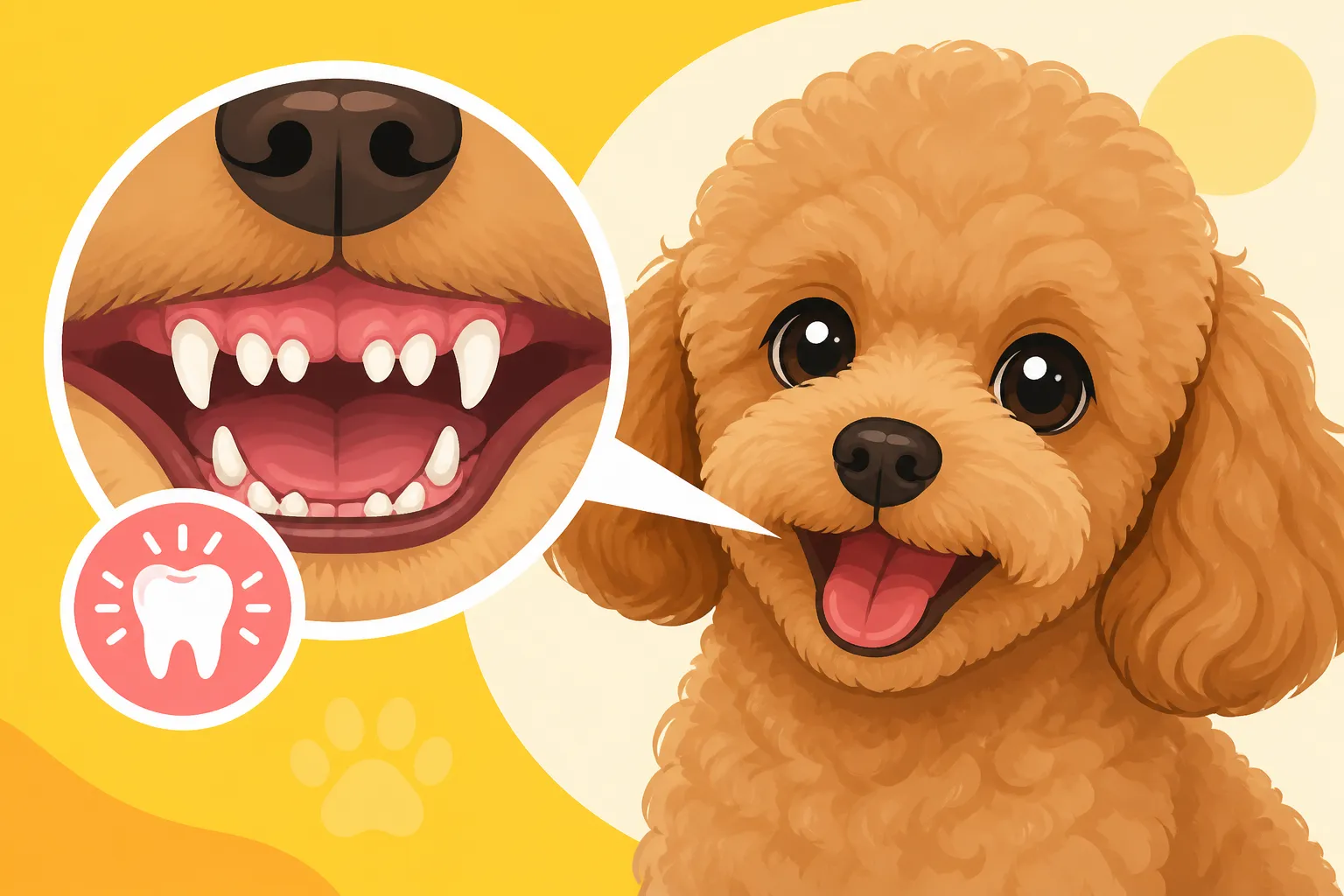
Retained Baby Teeth in a Toy Poodle
It can be incredibly alarming to peek into your adorable Toy Poodle's mouth and discover two teeth trying to occupy the same tiny space, or to find adult teeth emerging while the baby teeth stubbornly refuse to budge. This common issue, known as retained deciduous teeth, can lead to significant pain and health problems if not addressed. This guide will walk you through why this happens, how to spot it, and what you and your veterinarian can do to ensure your little Poodle's smile stays healthy and happy.
Understanding Retained Baby Teeth in Toy Poodles
One of the most frequent worries for Toy Poodle parents, especially as their little fluffball transitions from puppyhood to adolescence, is the dreaded retained baby tooth. It's a phenomenon that many small breeds experience, but it seems to be particularly prevalent in our beloved Toys due to their unique oral anatomy.
Why Toy Poodles Are Prone to Retained Teeth
Toy Poodles, with their famously delicate and compact jaws, are predisposed to this dental dilemma. When a puppy's permanent teeth start to erupt, they're supposed to push out the baby (deciduous) teeth, which then fall out to make way for the adult set. Think of it like a natural eviction process. However, in Toy Poodles, sometimes those tiny jaws just don't offer enough space for this smooth transition. The permanent tooth might start to emerge right alongside the baby tooth, without fully reabsorbing the root of the deciduous tooth. This means the baby tooth doesn't loosen or fall out as it should, leading to a crowded mouth.
Another factor is genetics. While it's not always a hard-and-fast rule, some lines of Toy Poodles might be more susceptible to this issue. It's not a reflection on their overall health, but rather a quirk of their small stature. Because their adult teeth are often relatively large for their small jaw structure, there's a higher chance of impaction or improper eruption, leading to these persistent puppy teeth. It’s part of the reason why a good breeder will often keep a close eye on their puppies' mouths as they grow, and why regular vet checks during the puppy phase are so crucial.
The Normal Timeline for Tooth Eruption and Loss
Generally, Poodle puppies are born without teeth. Their baby teeth start to emerge between 3 and 6 weeks of age. By the time they are around 8 weeks old, they usually have a full set of 28 baby teeth, including incisors, canines, and premolars. Then, the real dental action begins! From about 3 to 6 months of age, these baby teeth should start to fall out, making way for the 42 permanent adult teeth. The incisors usually go first, followed by the canines and premolars. Molars only appear as part of the adult set.
It’s important to understand this timeline because it gives you a window for when to be concerned. If your Toy Poodle is, say, six or seven months old and you're still seeing baby canine teeth firmly planted in their mouth alongside erupting adult canines, that’s a clear sign that something isn't quite right. Early vigilance is key here, as the longer a retained tooth stays, the more potential problems it can create. Getting a good grasp on this schedule helps you become an advocate for your Poodle's oral health, allowing you to flag concerns with your vet promptly. You can learn more about Why Toy Poodle Baby Teeth Refuse to Drop in other resources.
Spotting the Signs of Retained Teeth
Knowing what to look for is the first step in addressing retained baby teeth. Your little Toy Poodle might not show obvious signs of discomfort until the issue becomes quite severe, so a proactive approach from you is really important.
Visual Cues and What to Feel For
The most obvious sign is seeing an adult tooth growing next to a baby tooth, especially the canine teeth. These are the sharp, fang-like teeth at the corners of their mouths, and they are usually the most problematic when retained. You might see a baby canine standing proudly in front of, or behind, the new adult canine. This creates a "double-tooth" appearance, which can be quite noticeable if you gently lift your Poodle's lips. Don’t forget to check the tiny incisors at the front, too, and the premolars further back. Sometimes a baby incisor can persist, leading to crowding up front.
Beyond just seeing double, you might also notice some other subtle clues. Gently running your finger over your Poodle's gums can sometimes reveal a bump or an odd alignment that wasn't there before. The gums around the retained tooth might look redder or a bit swollen, indicating inflammation or early signs of gum disease. If your Poodle flinches when you touch a particular area, that’s a big red flag.
When to Seek Veterinary Advice
As a general rule of thumb, if your Toy Poodle is six months old and still has any baby teeth, it’s definitely time to get them checked by your vet. While some baby teeth might shed a little later, waiting too long can lead to more serious complications. Your vet will perform a thorough oral examination to identify any retained teeth and assess their position relative to the permanent teeth. They'll also check for any signs of discomfort, infection, or malocclusion (improper bite).
Don't hesitate to bring up any concerns you have, even if you're not entirely sure what you're seeing. It’s always better to be overly cautious when it comes to your Poodle’s health. Your vet might even recommend taking X-rays to get a clearer picture of the roots of the teeth and how the permanent teeth are developing, especially if they suspect an impaction. This proactive approach can save your Poodle a lot of discomfort and potentially costly procedures down the line. Many pet parents find that investing in pet insurance, like plans offered by Healthy Paws, can provide peace of mind when these unexpected vet visits for dental issues arise.
Here's a quick guide to what you might expect to see and when to act:
| Tooth Type | Normal Eruption (Baby) | Normal Shedding (Baby) | Adult Eruption | When to Worry & Act (Vet Visit) |
|---|---|---|---|---|
| Incisors | 3-6 weeks | 3-5 months | 3-5 months | 5-6 months if retained |
| Canines | 3-6 weeks | 4-6 months | 4-7 months | 6-7 months if retained |
| Premolars | 4-12 weeks | 4-6 months | 4-7 months | 6-7 months if retained |
| Molars | (None) | (None) | 5-7 months | N/A (adult teeth only) |
The Risks of Not Addressing Retained Teeth
It might seem like a small issue – after all, they’re just baby teeth, right? But the truth is, ignoring retained deciduous teeth in your Toy Poodle can lead to a cascade of painful and serious health problems that affect not just their mouth, but their overall well-being.
Impact on Bite Alignment and Dental Health
One of the most immediate and impactful consequences of retained baby teeth is how they interfere with the proper eruption and alignment of the permanent teeth. When a baby tooth stubbornly stays put, the adult tooth is forced to erupt in an abnormal position. This can lead to what’s called malocclusion, or an improper bite. Instead of fitting together perfectly, the teeth can rub against each other, dig into the gums, or even puncture the roof of the mouth or the opposite jaw. Imagine how uncomfortable and painful that would be for your little Poodle every time they chew! This poor alignment can also make it difficult for your Poodle to eat, leading to problems with nutrition or even behavioral issues around food because of the pain.
Beyond the immediate discomfort, this crowding creates prime breeding grounds for plaque and tartar. The tight spaces between the retained baby tooth and the new permanent tooth are incredibly hard to clean, even with diligent brushing. Food particles get trapped, bacteria flourish, and before you know it, your Poodle could be developing severe dental disease. You can learn more about Poodle Dental Disease by Size and why it's such a concern for small breeds.
Increased Risk of Infection and Periodontal Disease
The persistent accumulation of plaque and tartar due to retained teeth is a direct pathway to infection and periodontal disease. Bacteria that thrive in these cramped, unclean spaces can irritate the gums, leading to gingivitis (inflammation of the gums). If left unchecked, this progresses to periodontitis, which is a much more serious infection that affects the supporting structures of the teeth. This can destroy the bone and ligaments holding the teeth in place, eventually leading to tooth loss.
Imagine having a constant infection in your mouth – it would be debilitating! For a Toy Poodle, this can mean chronic pain, bad breath (halitosis), difficulty eating, and even systemic health issues as bacteria from the mouth can travel through the bloodstream to affect organs like the heart, kidneys, and liver. In some cases, abscesses can form around the retained tooth roots, which are incredibly painful and can lead to swelling, fever, and a general feeling of illness. This is why addressing retained teeth isn't just about straight teeth; it's about preventing a lifetime of potential health battles for your precious companion.
How Vets Address Retained Baby Teeth
When you discover your Toy Poodle has retained baby teeth, it's natural to feel anxious. The good news is that veterinary dentistry has come a long way, and your vet has effective ways to resolve this issue and set your Poodle up for a healthy mouth.
The Extraction Process Explained
The primary solution for retained baby teeth is extraction. This is a surgical procedure performed under general anesthesia. It’s absolutely critical that these extractions are done correctly and carefully to avoid damaging the delicate permanent teeth that are nearby. Your vet will conduct a thorough pre-surgical examination and likely recommend blood work to ensure your Poodle is a good candidate for anesthesia. This is especially important for Toy Poodles, who can be more sensitive to anesthesia, and ensures they are in the best possible health before the procedure. You might want to consider What a Vet Checks on a Toy Poodle Puppy during these early health assessments.
Once under anesthesia, the vet will carefully examine the retained tooth. They will use specialized dental instruments to gently loosen the tooth from its socket, taking care to remove the entire root structure. If even a small piece of the root is left behind, it can lead to complications such as infection or cysts. Dental X-rays are often taken before, during, and after the extraction to ensure no root fragments remain and to assess the condition of the surrounding permanent teeth. Sometimes, your regular vet can perform these extractions, but for more complex cases or very stubborn teeth, they might refer you to a veterinary dental specialist.
Post-Extraction Care and Recovery
After the extraction, your Toy Poodle will need a bit of TLC to recover. Your vet will likely send them home with pain medication to manage any discomfort and possibly antibiotics to prevent infection. It’s crucial to follow these medication instructions precisely. You’ll typically need to feed them soft food for a few days to a week to prevent irritation to the extraction sites. Avoid hard kibble, chew toys, or anything that could cause trauma to the healing gums.
Monitor your Poodle closely for any signs of swelling, excessive bleeding, or reluctance to eat. Most Poodles bounce back remarkably quickly from dental procedures, often feeling much better once the source of their discomfort is removed. Your vet will schedule a follow-up appointment to check the healing process and ensure everything is progressing as it should. While the thought of surgery for your tiny Poodle can be daunting, remember that this procedure is a crucial step in preventing much more serious and painful dental issues down the road. Understanding What a Toy Poodle Extraction Costs can also help you budget for this necessary procedure.
Preventative Measures and Ongoing Care
While some retained teeth might be unavoidable due to genetics, there's still a lot you can do to minimize risks and ensure your Toy Poodle enjoys excellent oral health throughout their life. It all starts with being proactive and making dental care a priority.
Regular Oral Examinations at Home
Making a habit of regularly checking your Toy Poodle’s mouth from an early age is probably the most powerful preventative step you can take. Get them used to having their lips lifted and their teeth inspected. This isn't just about looking for retained teeth; it's also about spotting early signs of gingivitis, plaque buildup, or any other abnormalities. Aim to do a quick check every week. Look for:
- Double teeth: As discussed, especially the canine teeth.
- Red or swollen gums: Particularly around the base of the teeth.
- Plaque and tartar buildup: A yellowish or brownish crust on the teeth.
- Missing teeth: If baby teeth fall out but adult teeth don't erupt.
- Bad breath: A stronger odor than usual can signal infection.
By familiarizing yourself with what a healthy Poodle mouth looks like, you’ll be much quicker to notice when something is amiss. This habit will serve your Poodle well beyond the puppy phase, as good oral hygiene is a lifelong commitment.
Partnering with Your Veterinarian
Your vet is your best ally in maintaining your Toy Poodle's dental health. Beyond your at-home checks, regular veterinary examinations are paramount. During annual check-ups, your vet will perform a comprehensive oral exam, which often includes palpating the jaw and checking tooth alignment. They'll also be on the lookout for retained baby teeth and can advise on the best course of action.
Don't be shy about asking your vet for advice on at-home dental care, such as brushing techniques, recommended dental chews, or water additives. They can also advise you on the optimal schedule for professional dental cleanings under anesthesia, which are typically recommended every 1-2 years for small breeds like Toy Poodles, or more frequently if your Poodle is prone to plaque buildup. These professional cleanings involve scaling away tartar above and below the gumline and polishing the teeth, just like a human dental cleaning. They’re a vital component of preventing serious dental disease. With the costs associated with these procedures, having pet insurance like Healthy Paws can truly help manage expenses, as dental care is a significant part of The First Year With a Poodle and beyond.
Embracing At-Home Dental Care
While professional cleanings are essential, daily at-home dental care is your first line of defense against plaque and tartar. The gold standard is daily tooth brushing. Start early, making it a positive experience with a puppy-specific toothbrush and enzymatic toothpaste designed for dogs. Even a few minutes of gentle brushing can make a huge difference in slowing down plaque accumulation.
Beyond brushing, look for VOHC (Veterinary Oral Health Council) approved dental chews or toys. These products have been scientifically proven to reduce plaque and tartar. However, always supervise your Poodle with chews to ensure they don't ingest large pieces or choke, especially with tiny Toy Poodle jaws. Some owners also find success with dental water additives that help reduce bacteria in the mouth. Combining these methods with regular vet check-ups and professional cleanings will give your Toy Poodle the best chance at a pain-free, healthy mouth for years to come.
Disclaimer
Please remember that the information provided in this article is intended for educational purposes only and should not be considered a substitute for professional veterinary advice. Always consult with a qualified veterinarian regarding any health concerns or before making any decisions about your Poodle's care.