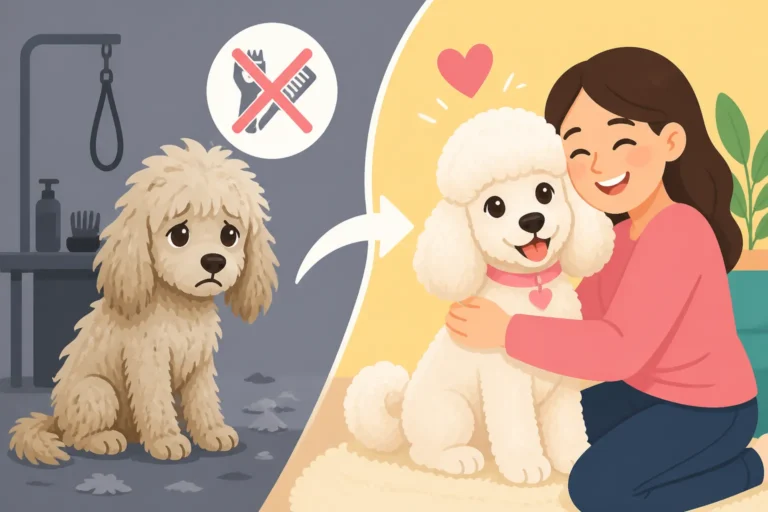
What Poodle Rescues Charge and Why
One of the biggest hurdles prospective Poodle parents face when considering adoption is often the adoption fee. It’s a common misconception that rescues are simply 'giving away' dogs, or that the fees are just arbitrary charges. This guide will meticulously break down exactly what Poodle rescues charge, the vital reasons behind these costs, and what your adoption fee truly contributes to in the journey of a rescued Poodle.
Understanding the True Cost of Poodle Rescue Adoption
When you look at an adoption fee, it’s easy to focus on that single number. But that number represents a much larger, often unseen, investment in the dog's well-being and future. Rescuing Poodles, especially those with specific health or behavioral needs, involves significant resources. These organizations are typically run by passionate volunteers, but the operational costs are very real and often substantial.
Beyond the Sticker Price: Initial Fees
Let's talk about that initial adoption fee you see. For a Poodle, this could range anywhere from a few hundred dollars to sometimes over a thousand, depending on the rescue, the dog's age, and its specific needs. You might see a lower fee for an older Poodle or a Poodle with known medical conditions that will require ongoing care, as rescues want to encourage their adoption. Conversely, a young, healthy Poodle puppy or a Poodle of a highly sought-after size might have a slightly higher fee because the demand is there, and it helps subsidize the care for less adoptable dogs.
It’s important to understand that this fee isn't meant to make a profit. Rescue organizations are almost universally non-profit entities. Every dollar is typically reinvested back into their mission: saving more Poodles. When you adopt, you're not just buying a dog; you're becoming a part of a cycle of rescue, rehabilitation, and rehoming that benefits countless animals. The fee helps cover a fraction of the costs incurred from the moment a Poodle enters their care until it walks out your door, ready for its forever home.
Why Rescue Fees Aren't About Profit
This is a point that often needs reiterating: Poodle rescues are not selling dogs. They are facilitating adoptions, and the fee is a necessary component of their operational model. Imagine the overhead: shelter facilities (even if foster-based, there are still costs for supplies), staff or volunteer coordination, transportation, marketing for adoption, and crucially, extensive veterinary care. Without these fees, most rescues simply couldn't continue their vital work. They rely heavily on donations, grants, and these adoption fees to keep their doors open and their mission alive.
The fee also serves as a gatekeeper of sorts. While not foolproof, a reasonable adoption fee can help ensure that potential adopters are financially prepared for the responsibilities of pet ownership. Owning a Poodle, regardless of size, comes with significant long-term costs, from regular grooming to routine veterinary visits, and having a budget for the initial adoption is often a good indicator that a family can provide ongoing care. This is a topic thoroughly explored in our guide on A Poodle's True Monthly Total.
The Breakdown of What Your Adoption Fee Covers
Many adopters are surprised when they learn the sheer amount of care and expense that goes into preparing a rescue Poodle for a new home. The adoption fee, while seemingly substantial, rarely covers the full cost of these efforts. Rescues often operate at a deficit, making up the difference through fundraising and grants.
Comprehensive Veterinary Care
This is perhaps the biggest component of any adoption fee. When a Poodle enters a rescue, its health status is often unknown or compromised. Many come from neglectful situations, puppy mills, or owners who couldn't afford necessary medical care. Your adoption fee helps cover a wide array of veterinary services, including:
- Initial Health Check-up: A thorough physical examination to identify any immediate concerns.
- Vaccinations: Ensuring the Poodle is up-to-date on all core vaccinations, like distemper, parvovirus, and rabies. You can read more about this in our article on Poodle Vaccination and Preventive Schedule.
- Parasite Treatment: Deworming and flea/tick prevention, as many rescue dogs arrive with parasites.
- Spay/Neuter Surgery: A non-negotiable for reputable rescues, preventing further unplanned litters and promoting population control. This can be a significant cost, especially for larger Poodles or those with complications.
- Microchipping: Providing permanent identification to help reunite lost Poodles with their families.
- Dental Care: Many older Poodles arrive with significant dental disease, requiring cleanings or extractions. This can be surprisingly expensive; our guide on What a Toy Poodle Extraction Costs highlights this.
- Treating Illnesses and Injuries: This is where costs can skyrocket. Rescues often take on Poodles needing extensive treatments for conditions like Addison's disease (a common ailment in Standard Poodles, discussed in Taking On a Poodle With Addison's), severe skin infections, orthopedic injuries, or even emergency surgeries. These specific cases often incur bills far exceeding any adoption fee.
Daily Needs and Operational Costs
Beyond the vet, there's the day-to-day reality of caring for many dogs. Imagine running a small household, but multiplied by dozens of Poodles with varying needs.
- Food: Providing nutritious food, often specialized diets for puppies, seniors, or Poodles with allergies. Quality food isn't cheap, especially when feeding many mouths. Brands like Ollie, known for fresh, human-grade ingredients, represent a significant investment if a rescue opts for higher-end nutrition for a specific dog's needs.
- Supplies: Collars, leashes, beds, bowls, toys (many toys are quickly destroyed by anxious Poodles!).
- Grooming: Poodles require extensive grooming, which can be costly. Rescues often receive Poodles severely matted, necessitating professional dematting or a complete shave-down. Even basic clips and baths for multiple Poodles add up. Our article on What a Poodle Owner Spends on Blades and Shampoo gives a glimpse into these expenses.
- Shelter/Foster Costs: Even if a rescue operates entirely through foster homes, there are still costs associated with supporting those homes—providing food, crates, and covering incidental expenses. For rescues with physical facilities, utilities, rent, and maintenance are ongoing burdens.
- Administrative Expenses: Website hosting, phone lines, application processing, background checks, and legal fees all contribute to the operational costs.
Behavior Assessment and Training Support
A Poodle's personality and behavior are just as important as its physical health. Rescues dedicate time and resources to understanding each dog.
- Behavioral Assessment: Volunteers and sometimes professional trainers evaluate a Poodle's temperament, assessing its comfort with other dogs, cats, children, and various situations. This helps ensure a successful placement in a suitable home.
- Basic Training: Many Poodles arrive with no formal training, needing to learn basic manners, house-training, and leash etiquette. Some rescues invest in professional training sessions for dogs with more significant behavioral challenges, like separation anxiety or leash reactivity.
- Rehabilitation: For Poodles who have experienced trauma or neglect, specialized rehabilitation might be needed to build trust, overcome fears, or address aggression. This often involves working with certified professional dog trainers or behaviorists. The guide on Retraining a Rehomed Adult Poodle details some of these challenges.
Factors Influencing Poodle Rescue Adoption Fees
It’s not a one-size-fits-all number. Several variables come into play when a rescue determines an adoption fee. Understanding these can help you anticipate the cost and appreciate the value.
Age, Health, and Breed Purity
Generally, Poodle puppies and young, healthy adult Poodles command higher adoption fees. This is partly due to higher demand and partly because their care costs are typically lower (fewer immediate health issues, easier to rehome). These higher fees help offset the costs for less "desirable" Poodles.
- Senior Poodles: Older Poodles often have lower adoption fees. Rescues recognize that senior dogs may come with age-related health issues (like arthritis or cognitive decline, as explored in Caring for an Aging Poodle) and want to encourage adopters to give them a comfortable retirement home. Their veterinary costs are often higher for the rescue, but their fees are kept lower.
- Poodles with Special Needs: A Poodle with chronic medical conditions, or a history of significant behavioral issues, might also have a reduced fee to facilitate placement. However, it's crucial for adopters to understand the potential ongoing costs if they take on such a dog.
- "Purebred" Poodles: While rescues focus on finding the right home, the perception of a purebred Poodle often influences demand. If a Poodle is clearly identifiable as a purebred Standard, Miniature, or Toy Poodle, its fee might be at the higher end of the spectrum compared to a Poodle mix.
Geographic Location and Local Market
Just like real estate, adoption fees can vary based on location. Rescues operating in areas with a higher cost of living (e.g., major metropolitan areas) might have higher fees to cover increased operational expenses like rent, utilities, and veterinary services, which tend to be more expensive in those regions. Conversely, a rescue in a rural area might have slightly lower fees.
The supply and demand in a local area can also play a role. If there's an abundance of Poodles in rescues in one region, fees might be adjusted to encourage adoptions. If Poodles are less common, the fees might reflect the rarity and higher costs associated with bringing them into the rescue program.
The Overhead of Running a Reputable Rescue
A reputable rescue goes above and beyond merely rehoming dogs. They invest in infrastructure, resources, and transparency. This means having trained staff (even if volunteers, they often receive training), secure facilities, clear policies, and often, liability insurance. They typically have a thorough application and vetting process, which includes home visits, reference checks, and comprehensive contracts.
This level of professionalism and thoroughness, while ensuring the best outcomes for the Poodles, naturally incurs costs. Rescues that cut corners on these aspects might have lower fees, but they also expose both the Poodle and the adopter to greater risks. When considering a rescue, it's worth asking about their processes and what Health Clauses in a Poodle Breeder Contract (or adoption contract, in this case) they offer.
Comparing Rescue Fees to Breeder Costs
It's common for prospective owners to weigh the cost of adopting a Poodle from a rescue against buying one from a breeder. While both paths lead to Poodle ownership, the financial implications and the value received are quite different.
Breeder Prices: A Different Investment
When you purchase a Poodle from a reputable breeder, you're paying for several things: the breeder's expertise, the lineage of the dog, the health testing performed on the parents, and the care provided to the puppies from birth. Finding a Poodle Breeder Who Tests is crucial because these tests (for conditions like hip dysplasia, eye diseases, and certain genetic disorders) significantly add to a breeder's costs, which are then reflected in the puppy's price. For a well-bred Poodle puppy, you could expect to pay anywhere from $2,000 to $5,000 or even more, depending on the size, color, and location.
This initial cost from a breeder typically doesn't include vaccinations beyond the first set, spay/neuter surgery, or microchipping (though some breeders include it). You'll usually be responsible for these significant expenses shortly after bringing your puppy home. The benefit is often a known health history and a predictable temperament, as the breeder has carefully selected the parents and nurtured the puppies from day one.
The Value Proposition of Rescue
The value proposition of adopting a Poodle from a rescue is distinct. While the adoption fee might seem high at first glance, consider what it includes:
| Feature | Poodle Rescue Adoption Fee Covers (Typically) | Reputable Poodle Breeder Purchase (Typically) |
|---|---|---|
| Initial Vet Exam | Yes | Varies, often basic checkup |
| Age-Appropriate Vaccines | Yes | First set, subsequent booster at owner cost |
| Deworming/Flea Meds | Yes | Yes, initial doses |
| Spay/Neuter Surgery | Yes (Mandatory for adult dogs) | No (owner's responsibility) |
| Microchipping | Yes | Varies, often additional cost |
| Dental Cleaning | Yes (if needed/performed) | No |
| Behavior Assessment | Yes (by rescue volunteers/trainers) | Limited, based on puppy observation |
| Basic Training/Rehab | Yes (if needed/performed) | No |
| Temperament Known | Yes (from foster home experience) | Anticipated (based on parents/breed) |
| Ongoing Rescue Support | Often provides advice/resources | Breeder may offer lifetime support |
As you can see, the rescue fee often encompasses several services that you would otherwise pay for separately with a breeder puppy. You’re adopting a Poodle that is, in many cases, already spayed/neutered, microchipped, up-to-date on shots, and has had its initial health and behavioral needs addressed. This upfront investment by the rescue means fewer immediate expenses for you after adoption, though ongoing care will always be a factor, as discussed in our First Month With a Poodle Puppy guide.
Navigating Financial Assistance and Payment Options
While rescue fees are essential, reputable organizations understand that not everyone has immediate access to the full amount. They may offer various avenues to help make adoption accessible.
Programs for Low-Income Adopters
Some Poodle rescues and larger animal welfare organizations have programs specifically designed to assist low-income individuals or senior citizens with adoption fees. These programs aim to remove financial barriers for deserving families who can provide a loving home but may struggle with the initial upfront cost. It’s always worth asking if such programs exist.
Additionally, some rescues might partner with local veterinarians or pet supply stores to offer discounts on initial supplies or follow-up vet visits, further easing the transition for new adopters. For instance, Chewy often offers discounts on initial orders for new pet parents, which can be a real help when stocking up on essentials like food and grooming tools.
Pet Insurance Considerations for Rescue Poodles
Pet insurance is a game-changer for managing the long-term costs of Poodle ownership, especially for rescue dogs whose past health history might be unknown. Many rescues will strongly encourage, or even require, adopters to consider pet insurance. This is particularly relevant if you're adopting an adult Poodle with an unknown past, or one that has already had some medical intervention.
It’s advisable to research pet insurance providers like Healthy Paws before adopting. Understand what their policies cover, especially regarding pre-existing conditions, which can be a tricky area with rescue animals. While the adoption fee often covers immediate medical needs, a good insurance policy can protect you from unexpected future vet bills for conditions like those mentioned in Emergency Bloat Surgery Prices for a Standard Poodle or Knee Surgery Prices for a Toy Poodle. This foresight can make a huge difference in your ability to provide continuous, high-quality care.
Flexible Payment Arrangements
While less common, some smaller, independent Poodle rescues might be open to discussing flexible payment arrangements for the adoption fee, especially for Poodles that are harder to place or for exceptional adoption candidates. This might involve a payment plan spread over a short period. However, this is entirely at the discretion of the rescue and should not be assumed. Always have an open and honest conversation about your financial situation if you truly feel you can provide a wonderful home but need some flexibility with the fee. The goal of the rescue is always the best outcome for the Poodle, and sometimes, that means working with compassionate adopters.
What to Ask Rescues About Their Fees and Services
Engaging with a rescue is a two-way street. You're evaluating them, and they're evaluating you. Don't be shy about asking questions regarding their fees and the services they provide. A transparent rescue will welcome your inquiries.
Transparency in Financials
A reputable Poodle rescue should be transparent about what their adoption fees cover. While they might not provide a line-item breakdown for every single dog, they should be able to explain the general categories of expenses that the fees support, such as veterinary care, food, and operational costs.
Some questions you might consider asking include:
- "What does the adoption fee specifically include for this Poodle?" (e.g., spay/neuter, vaccinations, microchip, deworming, any specific medical treatments).
- "Are there any additional mandatory costs beyond the adoption fee?" (e.g., if a dog needs a follow-up vet visit after adoption).
- "How are your fees determined for different Poodles?"
- "Is the rescue a registered non-profit organization?"
Remember, rescues are run by people who are passionate about Poodles. They want to educate you and ensure you feel comfortable and informed throughout the adoption process. They are generally eager to share how your contribution helps their mission.
Understanding Post-Adoption Support
A good rescue's relationship with you doesn't end the moment you take your Poodle home. They often offer invaluable post-adoption support, which is another hidden value within the adoption fee.
- Behavioral Advice: Many rescues have experienced volunteers or even dedicated behaviorists who can offer guidance on common issues like house-training, crate training, or settling a Poodle into a new environment. This can be particularly helpful for a sensitive breed like the Poodle, as highlighted in Reading Pain in a Sensitive Poodle.
- Medical Follow-Up: Some rescues will cover the cost of a follow-up vet visit at a partner clinic shortly after adoption, ensuring the Poodle is settling in well.
- Return Policy: Reputable rescues have a clear return policy. If, for any unforeseen reason, the adoption doesn't work out, they will take the Poodle back, sometimes even years later. This provides a crucial safety net for both the Poodle and the adopter. This ensures the Poodle will never end up in a shelter again, a testament to the rescue's commitment.
By asking these questions and understanding the comprehensive support that comes with a rescue adoption, you'll gain a deeper appreciation for the value your fee provides and embark on your Poodle journey with confidence.
Disclaimer
Please remember that this information is for educational purposes only and should not replace professional veterinary advice. Always consult with a qualified veterinarian or professional dog trainer for specific health and behavioral concerns regarding your Poodle. Adoption fees and policies can vary widely between rescue organizations, so always inquire directly with the specific rescue you are working with.