Bladder Size in a Toy Poodle Puppy
One of the most common, and often frustrating, challenges new Toy Poodle puppy owners face is the seemingly endless struggle with potty training. It feels like you just took them out, and five minutes later, there's a puddle on your rug. This isn't a sign of naughtiness or a lack of intelligence; it's simply the biological reality of a Toy Poodle puppy's tiny bladder. This guide will walk you through understanding this unique aspect of their early development and provide actionable strategies to navigate the potty training journey with patience and success.
Understanding Your Toy Poodle Puppy's Tiny Bladder
When you bring home a fluffy little Toy Poodle puppy, it's easy to get lost in their adorable antics and forget that they're essentially canine infants. Their tiny bodies aren't just scaled-down versions of adult dogs; they're still very much developing, and that includes their internal organs, especially their bladder. It's a common misconception that puppies can "hold it" for extended periods, but for a Toy Poodle, whose physical size means an even smaller internal capacity, that's simply not true.
The Biological Reality of Small Bladders
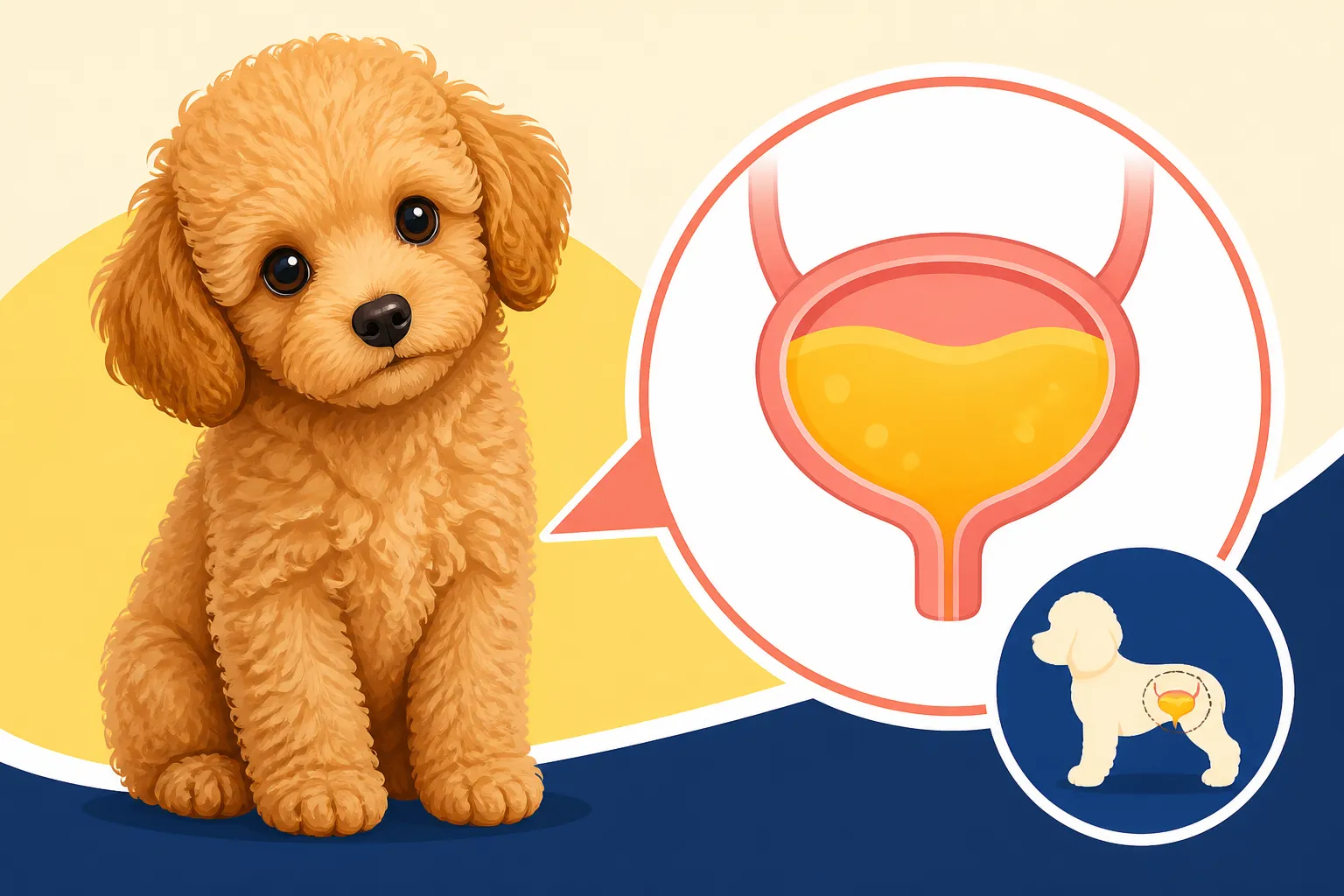
Think of a Toy Poodle puppy's bladder like a small teacup rather than a coffee mug. It fills up incredibly quickly, and once it's full, there's very little leeway. Unlike an adult dog who has developed musculature and neurological control to hold urine for longer, a young puppy's bladder muscles are still maturing. Their nervous system is also not yet fully wired to consistently signal "I need to go NOW" with enough advanced warning for you to react. This means that when the urge strikes, it's often immediate, leading to those surprise puddles right after a potty break.
This isn't about stubbornness; it's pure physiology. A small breed puppy like a Toy Poodle has a bladder that corresponds to its overall body mass. This means a literal small container. They can't physically store much urine before the pressure builds to an uncomfortable, then irresistible, point. Understanding this biological constraint is the first step toward approaching potty training with empathy and realistic expectations.
How Age Impacts Bladder Capacity
A good rule of thumb often cited is that a puppy can hold its bladder for roughly one hour per month of age, plus one. So, a two-month-old puppy might manage around three hours during the day, though this is a very generous estimate for active times, and far less at night when they are sleeping deeply. For a Toy Poodle puppy, especially those on the smaller end of the spectrum, you might even need to subtract an hour from that rule.
As your Toy Poodle puppy grows, their bladder capacity will gradually increase, and their control will improve. However, this is a slow process, not an overnight transformation. You’ll notice slight improvements week by week, rather than drastic changes day to day. A three-month-old will have slightly more capacity than a two-month-old, but still significantly less than a six-month-old. This developmental timeline is crucial to remember, particularly when planning your schedule, breaks, and overnight care. Consistency during these early months is key, laying the foundation for a reliably house-trained adult Poodle.
Common Potty Training Pitfalls Related to Bladder Size
Many new puppy owners, especially those new to Toy Poodles, can unwittingly fall into traps that hinder potty training progress. These pitfalls often stem from a misunderstanding of the puppy's physiological limitations rather than their intent. It's easy to get frustrated when accidents happen, but attributing human motivations to a puppy's biological needs rarely leads to a positive outcome.
The Misconception of "Holding It"
One of the biggest mistakes owners make is assuming their tiny Toy Poodle puppy has the same bladder control as an adult dog, or even a larger breed puppy. When a puppy has an accident shortly after being outside, it’s rarely because they “chose” to go inside. More often, it's because they didn't completely empty their bladder outside, or the small amount of urine they did retain was enough to trigger another immediate need once they were back in a comfortable, familiar indoor environment. Perhaps they were distracted by a leaf or a car noise outside, and didn't focus on the task at hand.
Expecting a young Toy Poodle puppy to "hold it" for hours, especially when you're busy or away from home, is setting them up for failure and frustrating both of you. This is why strict schedules and frequent outdoor trips are paramount. Their bladders just aren't designed for long holding periods, and punishing accidents stemming from this biological reality is counterproductive, often leading to a puppy who fears pottying in front of you, whether inside or out. Instead, your focus should be on creating so many opportunities for success that accidents become rare.
When Accidents Aren't "Naughty"
It’s incredibly common for owners to view potty accidents as a sign of defiance or naughtiness. "He knows better!" is a phrase often heard, but in the context of a young Toy Poodle puppy, it's almost certainly incorrect. A puppy lives in the present moment. If they have an accident indoors, it's because the need was immediate and unavoidable, and they hadn't yet fully grasped where they were supposed to go, or they simply couldn't physically wait any longer. They haven't made a conscious decision to spite you or ruin your carpet.
Punishing a puppy for an indoor accident, especially if it happens moments after the fact, is ineffective and harmful. The puppy will not connect the punishment to the act of urinating indoors; they will only associate your anger with your presence or with pottying in general. This can lead to a fearful puppy who tries to hide when they need to go, making house training even harder. The key is to catch them in the act and immediately redirect them outside. If you find a puddle after the fact, simply clean it up thoroughly (using an enzymatic cleaner to remove all scent traces) and resolve to supervise more closely and increase outdoor trips. Understanding Why a Trained Poodle Backslides in Winter can also help contextualize challenges if the weather makes outdoor trips less appealing for the pup.
Practical Strategies for Potty Training a Toy Poodle with a Small Bladder
Potty training a Toy Poodle puppy demands consistency, vigilance, and a robust strategy tailored to their small stature and developing control. It’s a marathon, not a sprint, but with the right approach, you can set your little Poodle up for success.
Establishing a Strict Potty Schedule
The single most effective tool for managing a Toy Poodle puppy’s small bladder is a strict, predictable potty schedule. This means taking your puppy out frequently, regardless of whether you think they "need" to go. Every 30 minutes to an hour when awake and active is not overkill for a young puppy. Think of it as preventative maintenance. You want to take them out before their bladder is full to bursting.
Here's a sample schedule, which you'll adjust based on your puppy's age and individual needs:
- First thing in the morning: Immediately outside after waking.
- After every nap: As soon as they stir, scoop them up and go.
- After eating or drinking: Within 5-15 minutes of finishing their meal or a good drink of water. Check out How Often a Toy Poodle Puppy Must Eat to help regulate feeding times.
- After playing: A burst of activity often stimulates the bladder.
- Before bedtime: One last trip right before you put them in their crate for the night.
- Hourly (or more frequently) during awake times: Just take them out, even if they just went.
Always take your puppy to the same designated potty spot. This helps them associate that specific area with relieving themselves. When they go, praise them enthusiastically and offer a high-value treat. Make it the best thing that happens all day! This positive reinforcement is critical for teaching them where they should go. This strategy is foundational to effective House Training a Toy Poodle.
Crate Training and Confinement as Tools
Crate training is an invaluable tool for potty training, especially with a Toy Poodle puppy. Dogs are naturally clean animals and generally prefer not to soil their sleeping area. A properly sized crate, just large enough for them to stand up, turn around, and lie down comfortably, leverages this natural instinct. If the crate is too big, they might use one end as a potty area and the other as a bed. For selecting the right size, refer to Crate Size for Each Poodle Variety.
When your puppy is in their crate, they will typically try to hold their bladder. However, remember their physical limitations. Do not leave a young puppy in a crate for longer than their bladder can comfortably hold. This means frequent breaks, especially Overnight Breaks for a Toy Poodle Puppy. The crate should be a safe, den-like space, not a punishment. When you take them out of the crate, immediately carry them to their designated potty spot outside.
Beyond the crate, consider using puppy gates to confine your Toy Poodle to a smaller, puppy-proofed area when you can't actively supervise them. This could be the kitchen, a laundry room, or a playpen. This limits the "potty zones" to a smaller, easier-to-clean area, reducing the chances of accidents in hard-to-reach places and making cleanup simpler if one does occur.
Utilizing Potty Pads and Designated Spots
While the ultimate goal is usually for your Toy Poodle puppy to go outside, potty pads can be a useful interim solution, especially for very young puppies, those living in apartments, or during harsh weather. If you choose to use potty pads, make sure you're consistent about where they are placed. Having multiple pads scattered around can confuse the puppy. Consider a single, easily accessible location.
When your puppy successfully uses the pad, offer praise and a small, tasty reward. You can find many types of potty pads and holders on platforms like Amazon. If you're transitioning from pads to outdoors, gradually move the pad closer to the door, and then eventually outside. However, be mindful that using pads can sometimes prolong outdoor training if the puppy becomes too accustomed to an indoor option. For situations where going outside isn't feasible, Indoor Potty Options for a Toy Poodle provides more detailed guidance. During winter months, Getting a Toy Poodle Outside in the Cold also offers useful tips to make those chilly potty trips more manageable for both of you.
Products and Resources to Aid Potty Training
Beyond diligence and consistency, there are several products and resources that can make the potty training journey smoother for both you and your Toy Poodle puppy. Investing in the right tools can save you time, frustration, and potential damage to your home.
Essential Potty Training Gear
Having the right equipment on hand can significantly impact your potty training success.
- Crate: As discussed, a properly sized crate is indispensable. Ensure it's not too big to prevent accidents in one corner.
- Enzymatic Cleaner: Accidents will happen. A good enzymatic cleaner is crucial for eliminating urine odors that can attract your puppy back to the same spot. Regular household cleaners might mask the smell to humans, but a puppy's sensitive nose will still detect it. You can find excellent options on Amazon.
- Potty Pads: If you decide to use them, stock up. There are disposable and washable options.
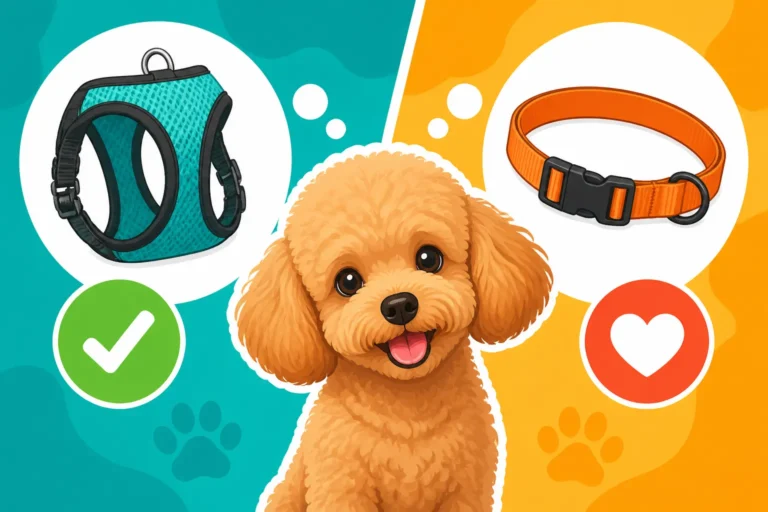
- Leash and Collar/Harness: For those frequent trips outside, a comfortable, well-fitting harness is often preferred for Toy Poodles to avoid putting pressure on their delicate tracheas.
- High-Value Treats: These are your secret weapon for positive reinforcement. Small, soft, and incredibly tasty treats work best. Make sure they are Treats Small Enough for a Toy Poodle to be consumed quickly without disrupting the training flow.
- Puppy Gates/Playpen: To manage your puppy's access to different areas of your home, especially when you can't provide direct supervision.
- Outdoor Poop Bags: Always be prepared to clean up after your puppy during outdoor potty breaks.
Creating a dedicated "potty station" near your door with a leash, treats, and bags can help streamline those urgent dashes outside.
Online Training Programs for Poodle Puppies
Sometimes, having a structured training program can provide the guidance and confidence you need, especially if you're a first-time puppy owner or feel overwhelmed. Online programs offer flexibility and a wealth of knowledge from experienced trainers.
One excellent resource for new puppy owners is BAXTER & Bella. Their online puppy school provides comprehensive, step-by-step guidance on everything from potty training to socialization and basic obedience. They focus on positive reinforcement methods, which are ideal for the sensitive and intelligent Poodle temperament. Their programs often include live Q&A sessions, video tutorials, and a community forum where you can get support and advice. These types of programs can be particularly helpful for building a strong foundation and addressing specific challenges that arise with a Toy Poodle puppy's development, including understanding their physical limitations and learning how to communicate effectively. Getting a good head start on training can make all the difference in raising a well-adjusted and house-trained Poodle.
Disclaimer
This article is for general informational purposes only and does not constitute professional advice. Laws, prices and regulations vary by location and change over time. Consult a qualified professional for guidance on your specific situation.