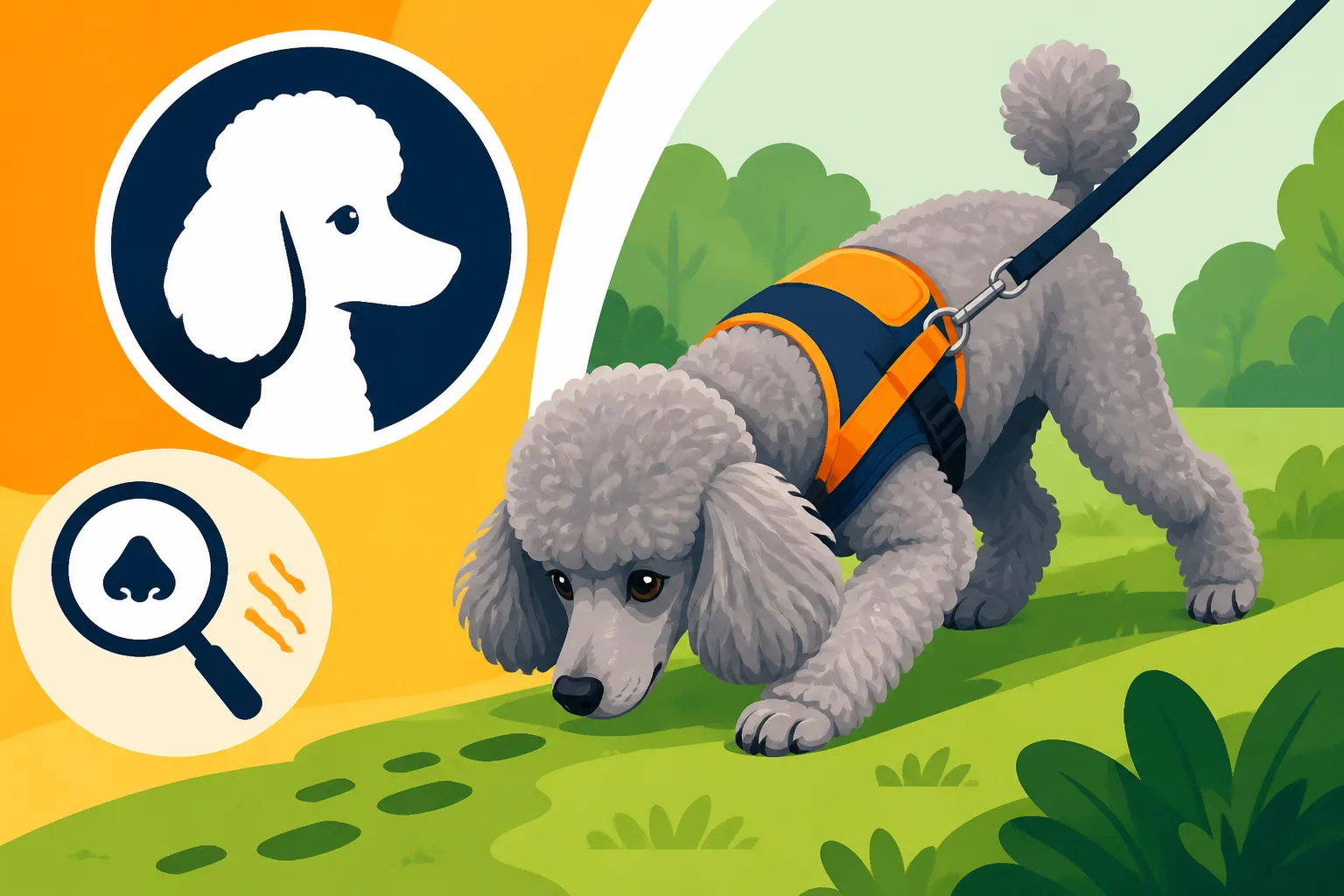
Tracking and Scent Work for Poodles
Poodles, with their famously sharp minds, can sometimes be a puzzle for their owners. You’ve got a dog that can learn commands in what feels like moments, but if that clever brain isn't given a job, it can quickly turn to mischief or just plain boredom. This guide is all about channeling that incredible Poodle intelligence and natural ability into something truly enriching and fun: scent work and tracking. We'll explore why Poodles are perfectly wired for it and how you can get started, transforming idle energy into focused, fulfilling activity.
Why Poodles Excel at Scent Work and Tracking
It's a common misconception that scent work is only for "hunting breeds" or dogs with long, droopy ears. While those breeds certainly have their place, the truth is, all dogs possess an incredible sense of smell, far surpassing our own. For Poodles, specifically, this ability is coupled with a keen intelligence and a historical background that makes them uniquely suited for activities that engage their nose and brain.
The Poodle's Natural Hunting Instincts
Let's rewind a bit to the Poodle's origins. Before they were gracing show rings and charming families with their sophisticated clips, Poodles were robust, hardworking water retrievers. Their name, "Pudel" in German, actually means "to splash in the water." They were bred to plunge into icy European waters to retrieve waterfowl for hunters. What does a water retriever need to be good at? Swimming, yes, but also a fantastic nose to locate downed birds, often hidden in dense reeds or underbrush, and then to track them across varied terrain.
This history isn't just a fun fact; it's etched into their DNA. Your Poodle might not be splashing after ducks, but that underlying drive to find, to follow a scent, and to use their problem-solving skills to complete a task is very much alive. Many Poodle owners will notice their dog's intense focus when they catch an interesting whiff on a walk, or how they methodically sniff out every corner of the yard. This isn't just random sniffing; it's a demonstration of a highly capable olfactory system at work, waiting to be properly engaged. Understanding The Poodle's Retrieving Instinct can really help you tap into these natural abilities.
Beyond Intelligence: The Drive to Work
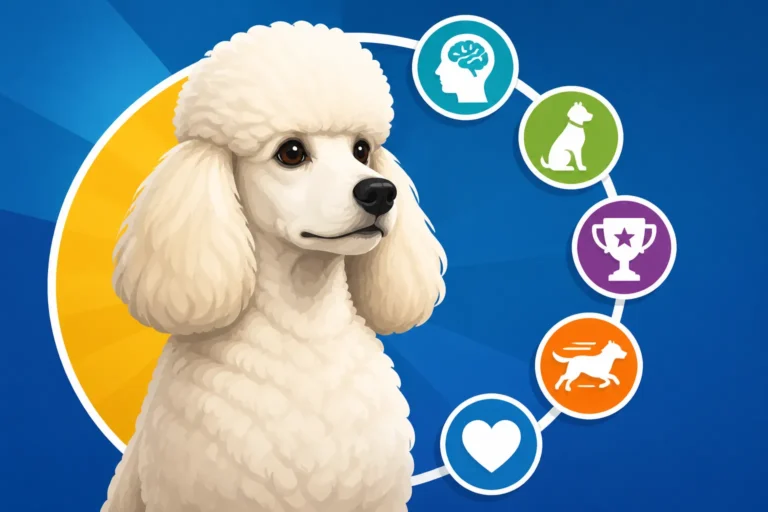
Yes, Poodles are consistently ranked among the smartest dog breeds, often second only to the Border Collie in terms of "working and obedience intelligence" according to Dr. Stanley Coren's rankings. This means they learn quickly and respond well to commands. But pure intelligence isn't always enough to keep a Poodle happy and well-behaved. An intelligent dog without a "job" can quickly become a bored, destructive, or anxious dog. It's not enough to simply know a lot of commands; they need an outlet for that mental energy.
Scent work provides that perfect outlet. It’s not just about physical exercise, though a good session can be surprisingly tiring. It’s about engaging their minds in a primal, deeply satisfying way. When a Poodle is on a scent, they enter a state of intense focus. Their brain is working overtime to process information, follow a trail, and solve a puzzle. This kind of mental engagement is incredibly fulfilling for them, leading to a calmer, happier, and more content dog at the end of the day. It offers a kind of satisfaction that a simple walk or a game of fetch often can't fully provide. This is often the answer to What a Poodle Does When Its Brain Is Idle.
Getting Started with Scent Work for Your Poodle
The beauty of scent work is how accessible it is. You don't need fancy equipment or a huge yard to begin. In fact, some of the best introductory games can be played right in your living room. The key is to make it fun, positive, and build on your Poodle's natural curiosity. Remember, this isn't just a game; it's a foundation for a lifelong engaging activity.
Simple Scent Games at Home
Starting with simple games at home helps build your Poodle's confidence and teaches them the basics of using their nose on command. Think of it as "hide and seek" for treats!
- The Treat Hunt: This is the ultimate beginner game. Start by showing your Poodle a high-value treat. Then, in front of them, place it just a few feet away, saying "find it!" or "search!" As they eat it, praise them enthusiastically. Gradually increase the difficulty by hiding the treat further away, then slightly out of sight (e.g., behind a chair leg), then in another room while they wait in a "stay" or "wait" command. Make sure the first few attempts are easy wins.
- The Cup Game: Grab three opaque cups (plastic or paper works well). Show your Poodle a treat, then place it under one cup while they watch. Shuffle the cups slowly, then encourage them to "find it!" with their nose. Reward them when they nudge or paw the correct cup. As they get better, you can shuffle faster, or even put a treat under a cup while they're out of the room, then let them in to search.
- Towel Roll-Up: Spread a towel flat, sprinkle some treats across it, then roll it up or crinkle it into a ball. Let your Poodle use their nose and paws to unroll and get the treats. This engages their problem-solving skills and provides a satisfying mental workout. These games are fantastic examples of Scent Games That Stretch a Poodle's Mind.
Essential Gear for Your Scent Work Journey
While you can start with just treats and household items, some simple gear can enhance your Poodle's scent work experience and make it more structured.
- Snuffle Mats: These fabric mats with many folds and pockets are designed for hiding kibble or treats. They encourage your Poodle to sniff and forage, slowing down their eating and providing mental stimulation. Many varieties are available on Amazon, ranging from simple designs to more complex ones that require more effort to extract the treats.
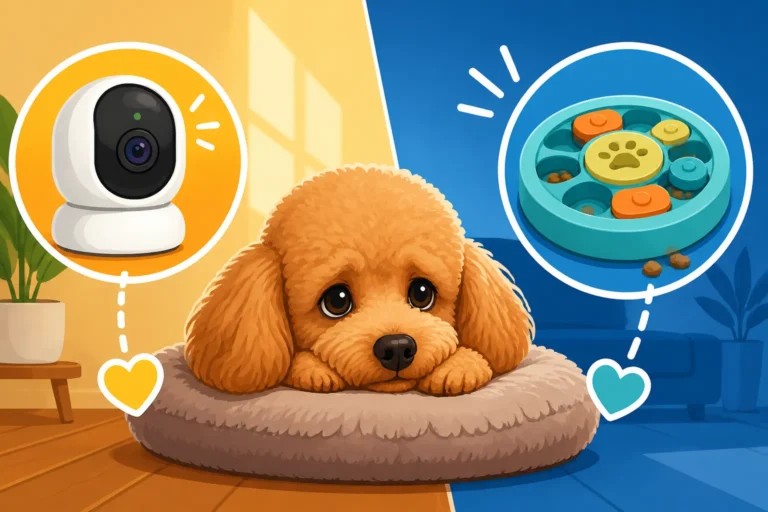
- Puzzle Toys: Similar to snuffle mats, puzzle toys require your Poodle to manipulate parts, push levers, or slide panels to get to hidden treats. These are excellent for independent scent work and problem-solving, keeping their minds busy.
- Target Odors: Once your Poodle understands the concept of searching for treats, you can introduce specific "target odors" – the actual scents used in formal nose work competitions. These typically include birch, anise, and clove oils. You'll put a tiny drop on a cotton swab and hide it in a container, then teach your Poodle to search for that specific scent. You can find starter kits for target odors online, again, often readily available through retailers like Amazon. Remember, safety first: always use dilute, dog-safe essential oils specifically for nose work, and never apply them directly to your dog.
| Scent Work Activity | Description | Difficulty | Best For | Key Benefits |
|---|---|---|---|---|
| Treat Hunt | Hiding treats around the house or yard | Easy | Beginners, building confidence | Builds confidence, introduces "find it" cue |
| Cup Game | Hiding a treat under one of several cups | Easy-Medium | Mental stimulation, nose-eye coordination | Sharpens focus, introduces problem-solving |
| Towel Roll-Up | Treats rolled into a towel | Easy | Independent play, foraging instinct | Slows eating, engages natural sniffing |
| Snuffle Mat | Treats hidden in a mat with fabric folds | Easy | Daily mental enrichment, mealtime engagement | Reduces gulping, provides consistent mental work |
| Puzzle Toys | Interactive toys requiring manipulation for treats | Medium | Advanced home play, independent problem-solving | Develops dexterity, extends engagement time |
| Formal Nose Work | Searching for specific target odors (birch, anise) | Medium-Hard | Structured training, competition prep | Focuses scent detection, prepares for trials |
| Tracking | Following a human scent trail on varied terrain | Hard | Outdoor enthusiasts, strong-willed dogs | Builds stamina, ultimate scent challenge |
Progressing to Formal Tracking and Nose Work
Once your Poodle is a pro at home-based scent games, you might find yourself wanting to explore more structured forms of this amazing activity. This is where formal Nose Work and Tracking come into play, offering different, yet equally rewarding, challenges.
Understanding the Difference Between Scent Work and Tracking
It's easy to confuse "scent work" and "tracking," but they're distinct disciplines, each with its own set of rules and objectives, especially in a competitive context.
-
Scent Work (or Nose Work): This discipline is typically inspired by professional detection dogs (like those that sniff out drugs, explosives, or even bed bugs). In scent work, the dog's job is to locate a specific target odor (like birch, anise, or clove essential oil) that has been hidden in various environments: containers, interiors, exteriors, and vehicles. The dog doesn't follow a trail left by a human; rather, they alert to the source of the hidden odor. It's often a contained search area, and the emphasis is on the dog's independent problem-solving to pinpoint the exact location of the scent. It's fantastic for building confidence and provides a clear, achievable goal for both dog and handler. Many Poodles thrive in this environment, using their natural curiosity and focus.
-
Tracking: This is a more primal activity, mimicking how dogs naturally follow a specific person or animal. In tracking, your Poodle follows a human scent trail laid by a designated "track layer" over a specific path and distance. The dog must discriminate that particular human's scent from all other environmental odors. The goal isn't just to find the "source" at the end (often an article dropped by the track layer) but to follow the actual path of the track layer. This requires immense focus, stamina, and the ability to work through distractions like cross-tracks or changing wind conditions. Tracking often takes place outdoors in various terrains and weather conditions, making it a truly immersive experience for both dog and handler.
Both are incredibly rewarding, but they tap into slightly different aspects of your Poodle's natural abilities and require different training approaches. Many Poodles enjoy both, and starting with simpler scent work can build a fantastic foundation for tracking. For general mental exercise, Daily Work for a Poodle's Body and Mind might include either.
Finding a Class or Trainer
While you can certainly get started with the basics at home, progressing to formal scent work or tracking is significantly easier and more effective with the guidance of an experienced instructor. A good trainer can read your Poodle's body language, help you understand their cues, and guide you through the intricacies of laying tracks or setting up scent puzzles.
- Local Dog Training Clubs: Many local kennel clubs or dog training organizations offer beginner classes in Nose Work, Scent Detection, or Tracking. These classes provide a structured environment, introduce the target odors correctly, and help you understand how to become a good "handler" – learning to trust your Poodle's nose and interpret their signals.
- Online Resources: If local classes aren't an option, there are excellent online courses and communities that can guide you. Programs like BAXTER & Bella often offer comprehensive online training for various dog sports and foundational skills, which can include introductory scent work. While you won't have in-person feedback, the structured lessons and video demonstrations can be incredibly helpful for dedicated owners. Look for instructors who emphasize positive reinforcement methods, as Poodles are sensitive and thrive on encouragement. Finding a Trainer a Poodle Will Not Shut Down For is crucial for their success.
- Private Trainers: For more personalized attention, a private trainer specializing in scent work or tracking can be invaluable. They can tailor lessons to your Poodle's specific needs and your goals, whether that's just for fun or aiming for competition.
When choosing a class or trainer, ask about their philosophy, their experience with different breeds (especially intelligent ones like Poodles!), and what their class structure looks like. You want someone who makes it fun for both you and your Poodle, fostering a love for the game rather than just drilling commands.
The Benefits of Scent Work for Your Poodle's Well-being
Beyond just being a fun pastime, engaging your Poodle in scent work or tracking offers a wealth of benefits that contribute to their overall health, happiness, and your bond with them. It’s truly an investment in their mental and emotional well-being.
Mental Enrichment and Stress Reduction
A Poodle's brain is a powerful engine, and without proper mental exercise, it can become restless or even destructive. Scent work acts as a profound form of mental enrichment. When a Poodle is actively engaged in a search, their mind is alight. They're solving complex problems: identifying specific odors, discriminating them from background smells, mapping out an environment, and communicating their findings to you. This kind of intense, focused mental activity is incredibly tiring and satisfying for them.
Think about how you feel after a day of deep concentration at work or solving a challenging puzzle – a good kind of tired, right? That's how your Poodle feels after a productive scent session. This mental fatigue can significantly reduce problem behaviors that stem from boredom, like excessive barking, chewing, or even frantic energy bursts indoors. For a sensitive breed like the Poodle, having a productive outlet for their energy can also be a huge stress reducer. It gives them a sense of purpose and control, which can be particularly calming for dogs prone to anxiety. Many Poodles will find this far more satisfying than just a walk, fulfilling Why a Poodle Needs a Job Rather Than a Walk.
Strengthening Your Bond
Scent work is inherently a team sport. While your Poodle is the one with the superior nose, your role as the handler is equally critical. You learn to read their subtle cues – a change in breathing, a pause, a head tilt, a tail wag pattern – that tell you they're on to something. You encourage them, guide them with your body language, and celebrate their successes. This shared activity, built on trust and communication, deeply strengthens the bond between you and your Poodle.
When you start to truly understand what your Poodle is "telling" you with their nose and body language, it creates a unique connection. You become a partner in their success, and they learn to rely on your encouragement. This isn't just about obedience; it's about mutual understanding and respect for each other's abilities. The shared joy of discovery, whether it's finding a hidden treat or locating a target odor, builds positive associations and reinforces the idea that you are their trusted guide and biggest cheerleader. This shared activity is a beautiful way to interact with such an intelligent and sensitive animal. Why Poodles Read People So Well is evident when you engage in these activities together.
Disclaimer
This article is for general informational purposes only and does not constitute professional advice. Laws, prices and regulations vary by location and change over time. Consult a qualified professional for guidance on your specific situation.