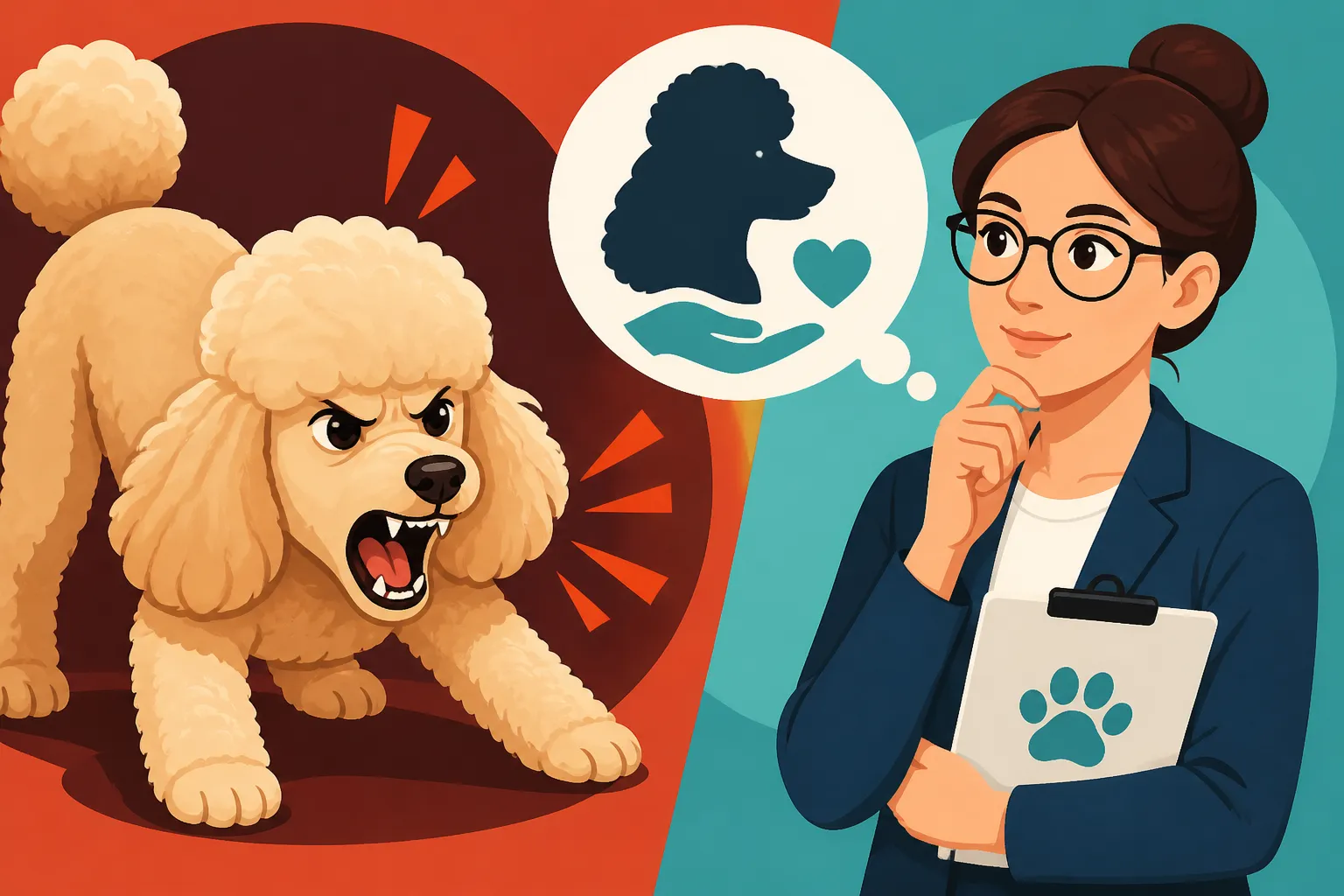
When a Poodle’s Growl Needs a Behaviorist
It’s incredibly disheartening when your beloved Poodle, usually so bright and affectionate, suddenly growls. Many Poodle owners worry they have an aggressive dog, but often, that growl is a complex piece of communication, not an immediate sign of aggression. This guide will help you understand why your Poodle might be growling and, crucially, when that growl signals something serious enough to warrant professional intervention from a certified behaviorist.
Understanding Poodle Growls: Decoding Their Language
Poodles are renowned for their intelligence and sensitivity, making their communication patterns sometimes more intricate than other breeds. They don't just "act out"; there's usually a reason bubbling beneath the surface. A growl isn't a simple "I'm mad" statement; it's a profound declaration, a clear boundary, or sometimes, a cry for help that we, as their guardians, need to interpret correctly. Ignoring it, or worse, punishing it, can often exacerbate the underlying issue, driving the communication underground where it might manifest as a bite without warning. We want to avoid that outcome entirely.
Think of a growl as your Poodle's way of saying, "Hey, I'm uncomfortable with this situation, please stop." It's their earliest form of verbal warning before they feel the need to escalate to a snap or bite. For a breed as intelligent and attuned to human emotions as the Poodle, recognizing these signals early is vital for maintaining a trusting relationship. Punishing a growl simply removes that warning, leaving your Poodle with no polite way to tell you they're distressed. They're trying to talk to you, and it's our job to listen and understand their unique dialect.
The Nuance of Poodle Communication
A Poodle's growl can be surprisingly nuanced, reflecting a range of emotions from fear and anxiety to frustration or pain. It's rarely about pure aggression in the way many people assume. A Poodle might growl because they're feeling trapped, overstimulated, or simply misunderstood. Their expressive nature means that a growl is usually just one piece of a larger behavioral puzzle they're presenting. We need to look at the entire picture, including their body language, the context of the situation, and what might have triggered the reaction.
For instance, a soft, low rumble might indicate mild discomfort or a "leave me alone" plea, while a harsher, louder growl with teeth bared speaks of a much more intense level of distress or a serious warning. It’s a language we must learn, not silence. By understanding the underlying motivation, we can respond appropriately, offering comfort, space, or intervention rather than inadvertently intensifying their fear or frustration. Your Poodle trusts you to interpret their signals, and getting it right can prevent many future issues.
Distinguishing a Warning Growl from Play
Not all growls are created equal, and it's essential to differentiate between a serious warning and a playful rumble. A play growl is often accompanied by loose, bouncy body language – a wagging tail, a 'play bow' (front end down, rear end up), open mouth, and relaxed eyes. It might happen during a vigorous game of tug-of-war or wrestling with another dog. The overall context feels light and joyful. You'll notice your Poodle might even "invite" more interaction with these playful noises, perhaps by dropping a toy and prancing away.
In contrast, a warning growl usually comes with a stiffer body. The tail might be tucked or held rigidly, the hackles (hair along the spine) could be raised, ears might be pinned back, and the body might be low to the ground or tense. The lips might be pulled back, showing teeth, and the eyes might be hard or wide, showing the whites. The entire posture will scream "stay away" rather than "come play with me." Understanding Reading a Poodle's Body Language is crucial here. If you're ever in doubt, err on the side of caution and give your Poodle space, especially if the growl is accompanied by any signs of tension or fear.
Consider the example of a Standard Poodle playing with a favorite squeaky toy. They might growl deeply, shaking the toy vigorously. Their body is loose, their tail wags, and they might even drop the toy, then bounce back for more. This is clearly a play growl. Now, imagine that same Poodle, curled up on their bed with a high-value bone. If you approach too closely, their head might lift, ears flatten slightly, and a low rumble might emanate from their chest. Their body stiffens, and their gaze locks onto you. This is a resource-guarding growl, a definite warning. The contrast in body language is stark, and learning to read it is the first step in effective communication with your Poodle.
When a Growl Signals a Deeper Problem: Red Flags
It's important to recognize that while growls are a natural form of communication, certain situations demand a closer look. If your Poodle's growling is consistent, intense, or directed at specific triggers, it could indicate a deeper behavioral issue that needs more than just management. These "red flag" growls often stem from chronic fear, anxiety, or unresolved stress, and ignoring them can lead to escalation. As Poodles are so intelligent, they learn quickly, and if growling gets a desired result (like making the perceived threat go away), they'll continue to use it. Our goal is to address the root cause, not just suppress the symptom.
Growling Over Resources or Space
One of the most common growls that leads owners to concern is resource guarding. This is when your Poodle growls to protect something they perceive as valuable – it could be food, a special chew, a toy, their bed, or even a specific person. While some level of guarding is natural for dogs, persistent or escalating guarding, especially if it leads to snaps or bites, is a serious concern that absolutely needs professional help. It's not about your Poodle being "dominant"; it's usually about them feeling insecure and needing to defend what's theirs, often out of a perceived threat of loss.
A Toy Poodle might growl fiercely if you try to take away a small piece of dropped food, while a Miniature Poodle might become possessive over a prime spot on the sofa next to you. This behavior can be particularly startling because Poodles are generally so eager to please and share attention. The key is to never challenge this growl directly, as that often escalates the situation. Instead, back off, assess the trigger, and then seek guidance. Punishing these growls can make your Poodle feel even more threatened, leading them to bypass the growl and go straight to a bite in the future, as they learn their warning isn't respected.
Growling When Startled or Approached Unexpectedly
Poodles, especially the smaller varieties like the Toy Poodle, can be quite sensitive. If they are sleeping soundly and you accidentally startle them awake, a sudden growl or even a snap can occur. This isn't malice; it's a reflex, a "fight or flight" response from being abruptly pulled out of a deep sleep. It’s particularly common if they have any underlying pain or discomfort, which might make them more reactive. For example, an older Poodle with arthritis might growl if touched suddenly in a sore spot, simply because the unexpected touch aggravated their pain.
Similarly, some Poodles don't appreciate unexpected approaches, especially from strangers or children who might be too quick or loud. They might growl if someone reaches over their head or tries to hug them from behind, as these actions can feel threatening to a dog. They need to feel safe and have their personal space respected. If your Poodle consistently growls at children or new visitors, it's a huge red flag that requires immediate attention, not just management. You can find helpful resources on BAXTER & Bella's online platform to help with desensitization techniques and positive reinforcement if you're trying to manage these encounters before seeing a behaviorist, providing you with tools for prevention and positive interaction.
Growling at Specific People or Other Animals
If your Poodle consistently growls at certain people (e.g., mail carriers, men with hats, children) or other dogs, it's a clear indicator of fear, anxiety, or possibly even pain. This isn't just a quirky habit; it’s a distress signal. They might feel threatened, perceive a lack of safety, or have had a negative past experience. This type of growling is often a precursor to more severe reactive behavior, and addressing it early is crucial for both your Poodle's well-being and the safety of others. Such consistent growling highlights a lack of comfort in their environment or with specific stimuli, suggesting their coping mechanisms are overwhelmed.
Think of a Miniature Poodle who growls every time the neighbor’s dog passes by the window. This isn't just being territorial; it's likely a manifestation of fear or frustration. Or perhaps your Standard Poodle, usually so friendly, growls whenever your nephew visits. This could stem from an innocent but frightening interaction in the past, or simply being overwhelmed by a child's unpredictable movements. In these scenarios, the growl is their best attempt to create distance and reduce perceived threats. Ignoring it or simply pulling them away without addressing the underlying emotion is a disservice to your sensitive Poodle, as Why a Poodle Shuts Down When Scolded can make the problem worse, suppressing the warning without resolving the fear.
Taking Action: When to Call a Professional Behaviorist
Deciding when to seek professional help for your Poodle's growling can be a tough call. It often feels like admitting failure, but it's truly an act of responsible pet ownership and love. A professional behaviorist possesses specialized knowledge and experience to unravel complex behavioral issues that often elude even the most dedicated owner. They can provide an objective perspective, identify subtle triggers, and develop a personalized plan that addresses your Poodle's unique needs, setting both of you up for success. Don't feel guilty; feel empowered to get the right help.
Assessing the Severity: Beyond a Simple Correction
Determining when to call a professional can feel overwhelming. Many owners try to "correct" the growl, but as we've discussed, this is counterproductive, as it often only suppresses the warning without changing the underlying emotion. The key is to assess the context and intensity. If the growl is rare, mild, and occurs in very specific, easily avoidable situations (like a brief startle), and your Poodle otherwise has good social skills, you might be able to manage it with careful environmental control and positive counter-conditioning. However, if the growls are frequent, intense, directed at people or other animals, or accompanied by attempts to bite, it's time to call in the cavalry.
A good rule of thumb: if you feel unsafe, or if the growl has caused you to significantly alter your routine or limit your Poodle's interactions, it's definitely time. Don't wait until a bite occurs. Poodles are intelligent, and while they respond well to training, they also pick up on our anxieties. If you're nervous about a situation, your Poodle will feel it, potentially amplifying their own reactivity. A professional can offer an objective assessment and tailored strategies, helping you navigate the situation with confidence and expertise, ensuring your Poodle gets the support they need before the situation escalates.
What a Certified Behaviorist Can Do
A certified professional dog behaviorist (often referred to as a Certified Professional Dog Trainer – Knowledge Assessed, or a veterinary behaviorist for more severe cases) is trained to understand the complex motivations behind a dog's behavior. They will perform a thorough assessment, often observing your Poodle in their home environment and asking detailed questions about their history, daily routine, and diet. They don't just "fix" the growl; they seek to understand and modify the underlying emotional state that's causing it, helping your Poodle feel more comfortable and secure in their world.
They use humane, science-based methods, focusing on positive reinforcement and fear-free techniques. This means no harsh corrections, no intimidation, and no methods that could further erode your Poodle's trust. They might help you identify triggers, teach you management strategies, and implement desensitization and counter-conditioning protocols. They can even suggest specific puzzle toys or long-lasting chews available on platforms like Amazon to keep your Poodle mentally engaged and reduce frustration, which can sometimes be a root cause of growling behavior. Mental Work That Tires a Poodle is incredibly important for this breed, and a behaviorist can guide you toward the right type of enrichment.
Working with Your Vet and a Behaviorist Hand-in-Hand
It's always a good idea to involve your veterinarian, especially if the growling is new or unexplained. Pain, discomfort, or underlying medical conditions can manifest as behavioral changes, including growling. An older Poodle, for instance, might start growling when handled because of developing arthritis, dental pain, or even cognitive decline. A vet can rule out these physical causes before a behaviorist delves into purely behavioral modification, ensuring that any medical issues are addressed first. This integrated approach ensures no stone is left unturned in understanding your Poodle's behavior.
Your vet might recommend blood tests, X-rays, or other diagnostics to ensure there isn't a medical reason for the change in behavior. If a medical issue is found, treating it might resolve or significantly reduce the growling. If not, your vet can work with the behaviorist, and in some cases, might even prescribe medication to help manage anxiety or fear, especially in severe cases. This medication, when used appropriately, can lower your Poodle's overall stress levels, allowing the behavioral modification techniques to be more effective. This collaborative approach ensures all bases are covered for your Poodle's holistic well-being, providing the best possible outcome.
Proactive Steps and Management Strategies
Once you've identified the root cause of your Poodle's growling, or while you're working with a professional, implementing proactive steps and management strategies is key. These aren't just temporary fixes; they are crucial components of creating a safe, predictable, and positive environment for your Poodle. The goal is to prevent situations where your Poodle feels the need to growl and to teach them more appropriate ways to cope with their fears or frustrations. This approach empowers both you and your Poodle to build a stronger, more trusting relationship.
Environmental Management and Safety Protocols
While you're waiting for a professional or working through a behavior plan, environmental management is your best friend. This means setting up your Poodle's environment to prevent situations where they feel the need to growl. For a resource guarder, this could mean feeding meals in a quiet, separate room, or using a "trade-up" system where you offer a higher-value treat before taking something away, teaching them that your approach means good things. If your Poodle growls at visitors, manage interactions by using baby gates or keeping them on a leash in a separate room when guests are over, giving them a safe retreat.
For a Toy Poodle who startles easily, make sure they have a safe, quiet den (like a crate covered with a blanket) where they can retreat undisturbed. Teach children in the home how to interact respectfully with the Poodle, ensuring they understand that when the Poodle is in their bed or crate, they are off-limits. Using physical barriers and clear boundaries helps everyone feel safer and reduces the opportunities for growling to occur, giving you time to implement long-term solutions without constant stress or reactivity.
Building Trust and Positive Associations
Building and rebuilding trust is paramount, especially if your Poodle has previously been punished for growling or has experienced fearful situations. Every interaction should aim to be positive and predictable. Use high-value treats (like small pieces of cooked chicken or cheese) to create positive associations with triggers that usually cause growling. For example, if your Poodle growls when their feet are touched for grooming, start by simply touching their leg briefly, immediately followed by a treat. Slowly build up the duration and intensity of the touch over many, many sessions, always keeping it positive.
Think of it as filling a "trust bank" with positive experiences. Never force your Poodle into a situation that makes them uncomfortable. Respect their signals. If they turn away or try to avoid something, respect that boundary. You want your Poodle to understand that you are their advocate and protector, not another source of stress or discomfort. Regular, gentle handling from a young age can help, but even adult Poodles can learn to trust. The journey of Rebuilding Trust With a Frightened Poodle is a slow but incredibly rewarding process, leading to a more confident and secure companion.
Enrichment and Training to Prevent Frustration Growls
Sometimes, growling stems from unmet needs – boredom, lack of mental stimulation, or insufficient exercise. Poodles are highly intelligent dogs and require significant mental and physical engagement. A bored Poodle is often a naughty or frustrated Poodle, and this frustration can easily boil over into growling or other undesirable behaviors. Ensure your Poodle gets adequate daily exercise tailored to their size and age, whether it's long, brisk walks for a Standard Poodle or engaging, interactive play sessions for a Toy Poodle. Remember, Daily Exercise for a Standard Poodle is crucial for their well-being.
Beyond physical exercise, mental enrichment is vital. Puzzle feeders, scent work, and trick training can provide healthy outlets for their intelligent minds, challenging them in a way that regular walks simply cannot. Consider enrolling in an online training program, like those offered by BAXTER & Bella, which can provide structured activities and guidance to keep your Poodle's brain active and prevent boredom. Consistent positive reinforcement training not only teaches them cues but also builds confidence and strengthens your bond. A well-exercised, mentally stimulated Poodle is generally a happier, less frustrated Poodle, and consequently, less likely to resort to growling out of boredom or annoyance.
Common Growl Triggers and Solutions
| Growl Trigger | Common Poodle Reaction | Underlying Emotion(s) | Initial Management Strategy | When to Call a Behaviorist |
|---|---|---|---|---|
| Approaching Food/High-Value Item | Stiff body, low rumble, lip curl | Insecurity, Fear of Loss | Trade-up system (offer better treat for the guarded item), feed in isolation, use slow feeders purchased from Amazon. | Growls escalate to snaps/bites; guarding becomes pervasive. |
| Being Startled/Woken | Quick, sharp growl, snap, jump | Fear, Pain, Reflex | Provide safe, undisturbed rest areas. Alert Poodle before touching (e.g., call their name gently). Check for pain with vet. | Frequent, unpredictable growls; inability to manage startles. |
| Unwanted Handling/Grooming | Ears back, avoidance, low growl | Fear, Discomfort, Past Trauma | Desensitize gradually with treats. Use positive reinforcement for grooming. Introduce tools slowly. | Aggression during essential care; inability to groom safely. |
| Strangers/New People | Barking, lunging, growling at a distance | Fear, Anxiety, Territoriality | Manage introductions (e.g., keep Poodle on leash, provide space), create distance, use positive reinforcement. Consult Socializing a Poodle Before It Turns Wary. | Growls at most new people; unmanageable reactivity. |
| Other Dogs | Stiff body, direct stare, growl | Fear, Frustration, Reactivity | Manage on-leash greetings, provide space, parallel walking. Focus on Poodle Recall Training to create distance when needed. | Aggression towards other dogs, dog park incidents. |
| Pain/Discomfort | Growls when touched in specific spots | Pain | Immediate vet check to rule out medical issues. | Any new, unexplained growling; growling during normal activity. |
| Resource Guarding (People) | Growls when someone approaches "their" person | Insecurity, Possessiveness | Teach "place" cue, use positive interrupters, ensure Poodle has their own safe space away from the guarded person. | Growls directed at family members; guarding becomes intense. |
Disclaimer
This article is for general informational purposes only and does not constitute professional advice. Laws, prices and regulations vary by location and change over time. Consult a qualified professional for guidance on your specific situation.