Keeping a Poodle Calm During Fireworks
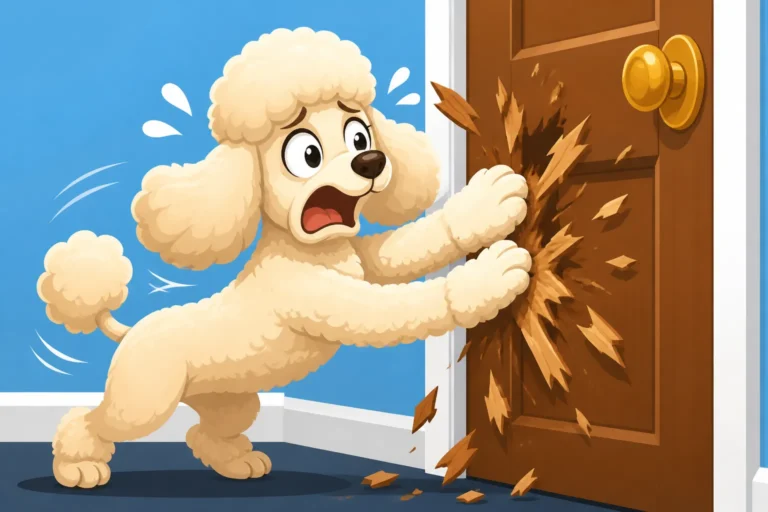
The booming, crackling spectacle of fireworks can be a source of intense joy for us humans, but for many Poodles, it's nothing short of a terror-inducing nightmare. Watching your beloved companion shake, pant, and try to literally climb inside you is a heartbreaking experience that no Poodle owner wants to endure. This guide is here to offer you practical, empathetic strategies to help your sensitive Poodle cope with and, hopefully, eventually conquer their fear of fireworks, transforming those stressful nights into something much calmer for both of you.
Understanding Why Fireworks Terrify Poodles
It's easy for us to dismiss a dog's fear of fireworks as "just noise," but for a Poodle, it's far more complex and deeply unsettling. Their world is often experienced through their heightened senses, and fireworks assault many of these simultaneously.
The Poodle's Heightened Senses
Imagine if every sudden, loud noise you heard was amplified a hundredfold, coupled with unpredictable flashes of light that seem to come from every direction. That's closer to what your Poodle experiences. Poodles, with their exceptional intelligence and often delicate temperaments, are incredibly attuned to their environment. Their hearing is far more acute than ours, picking up frequencies and intensities that we can barely register. This means that a firework that sounds like a distant pop to you might be a concussive blast to your Poodle's ears, vibrating through their entire body. Moreover, the accompanying bright flashes, especially at night, can be disorienting and frightening, leaving them feeling vulnerable and without a safe space to retreat from the onslaught. This isn't just a minor annoyance; it's a full sensory overload that can trigger a primal fight-or-flight response.
Lack of Predictability and Control
One of the biggest factors contributing to a Poodle's distress during fireworks is the complete lack of predictability. Unlike a thunderstorm, which might have a gradual build-up of rumbles and flashes, fireworks often start without warning, sometimes sporadically over several hours or even days around major holidays. Dogs thrive on routine and predictability; they feel safest when they know what to expect. When these sudden, jarring noises and lights erupt unexpectedly, your Poodle is left with no sense of control over their environment. They can't anticipate the next boom, they can't understand the source, and they can't make it stop. This helplessness can quickly escalate into panic, anxiety, and a desperate search for security. They don't understand it's a "celebration"; they only register a threat.
Previous Negative Experiences
It only takes one truly terrifying experience to hardwire a fear response in a sensitive Poodle. Perhaps they were a puppy during a particularly loud display, or maybe they were startled by a sudden firework close to home. Once that negative association is formed, it's incredibly difficult to undo. Each subsequent firework event can reinforce that fear, creating a cycle of escalating anxiety. Over time, your Poodle might even start to associate other cues with fireworks – the smell of barbecue, people gathering outside, or even the fading daylight – leading to anticipatory anxiety long before the first spark lights up the sky. This learned fear isn't something they can simply "get over"; it requires patient, consistent intervention to help them rewire their emotional response. It’s also crucial to remember that fear can manifest in different ways; sometimes, a Poodle might go quiet or hide rather than visibly panic, which makes it even harder for us to spot they're distressed. Reading Pain in a Sensitive Poodle can help you understand these subtle signs.
Creating a Safe Haven for Your Poodle
When fireworks inevitably strike, your first priority should be to create a sanctuary where your Poodle feels as safe and secure as possible. This isn't just about comforting them; it's about giving them a tangible place of refuge.
Soundproofing and Distraction Techniques
Your goal here is to minimize the auditory and visual assault as much as possible. Start by closing all windows and drawing heavy curtains or blinds. This helps to block out some of the flashes and muffle the sound. Next, you want to introduce competing sounds. A white noise machine can work wonders, creating a consistent, soothing hum that helps mask sudden booms. Calming music, specifically designed for dogs, can also be effective. You can find many such playlists on streaming services, or dedicated devices on sites like Amazon. Even turning on the television or radio to a talk show can provide a familiar, human sound buffer. The key is to make the room's ambient noise louder and more consistent than the fireworks outside. Don't underestimate the power of these simple steps; they create a significant psychological barrier between your Poodle and the perceived threat.
A good example of this is setting up a "safe room" – perhaps a bathroom or a laundry room without external windows, or a quiet bedroom. Ensure this room is well-ventilated and comfortable. Play some classical music or use a fan for white noise. The idea is to make the environment predictable and calm, contrasting sharply with the chaos outside. This also helps with issues like Why Storms Frighten a Poodle, as many of the same principles apply.
The Importance of a Secure Den
Most Poodles, when frightened, will instinctively seek a small, enclosed space. This is where a well-introduced crate or a comfortable, hidden corner becomes invaluable. If your Poodle is crate-trained, cover their crate with a heavy blanket to create a dark, den-like environment. This not only blocks out light flashes but also helps to dampen sound and provides a sense of security. Make sure the crate is filled with their favorite comfy bedding and perhaps a familiar toy or an item of your clothing that smells like you. If your Poodle isn't crate-trained, or prefers not to be confined, create a similar "den" under a bed, in a walk-in closet, or even a sturdy table draped with blankets. The goal is to give them a place where they feel hidden and protected, mimicking a natural burrow. Remember, this den should always be a positive place, not somewhere they are sent as punishment. Preparing this space well in advance is crucial, so your Poodle associates it with comfort, not fear. For guidance on appropriate sizing, refer to Crate Size for Each Poodle Variety.
| Calming Aid | Mechanism | Pros | Cons |
|---|---|---|---|
| Thundershirt/Anxiety Wrap | Gentle, constant pressure (like swaddling) | Non-invasive, drug-free, often immediate relief for mild to moderate fear | May not work for all dogs, some Poodles dislike clothing, doesn't address sound |
| Calming Chews/Supplements | Contains natural ingredients (e.g., L-Theanine, Chamomile, Melatonin) to promote relaxation | Easy to administer, can be given in advance, generally safe | Effectiveness varies, may cause drowsiness, takes time to kick in, always consult vet |
| Pheromone Diffusers | Releases synthetic dog appeasing pheromones | Constant calming effect, non-sedating, plug-and-play | Takes time to build up efficacy (start weeks in advance), may not be strong enough for acute panic, less effective for severe phobias |
| White Noise Machine | Generates consistent sound to mask external noises | Blocks out sudden bangs, can be used routinely for sleep, many options on Amazon | Doesn't block visual stimuli, requires power, effectiveness depends on volume/proximity |
| Prescription Medication | Anxiolytics or sedatives prescribed by a vet | Most effective for severe phobias, fast-acting | Requires vet consultation, potential side effects, often makes dogs drowsy/groggy, may not fully eliminate fear (just suppress reaction) |
Calming Aids and Supplements
Beyond environmental adjustments, there are various products designed to help soothe an anxious Poodle. Calming chews or supplements, often containing ingredients like L-theanine, chamomile, or melatonin, can help take the edge off their anxiety. These aren't sedatives, but rather work to promote a sense of calm. It's important to start these a few days, or even weeks, before anticipated firework events to allow them to build up in your Poodle's system and gauge their effectiveness. Another popular option is a "ThunderShirt" or anxiety wrap, which applies gentle, constant pressure, much like swaddling a baby. Many Poodles find this comforting and secure. Pheromone diffusers, which release synthetic dog-appeasing pheromones, can also create a more serene atmosphere in your Poodle's safe space. Always consult with your veterinarian before introducing any new supplement or aid to ensure it's appropriate for your Poodle's specific health needs and won't interact negatively with any existing conditions or medications. For extreme cases, your vet might discuss short-term prescription medication, which can be a vital tool for severe phobias, but these are generally reserved for when other methods prove insufficient. Medication for an Epileptic Poodle is a different scenario, but highlights the importance of vet consultation for any new substance.
Practical Strategies During Fireworks
Even with a safe haven prepared, how you interact with your Poodle during a firework display can significantly impact their experience and help them navigate their fear.
Maintaining Calm Leadership
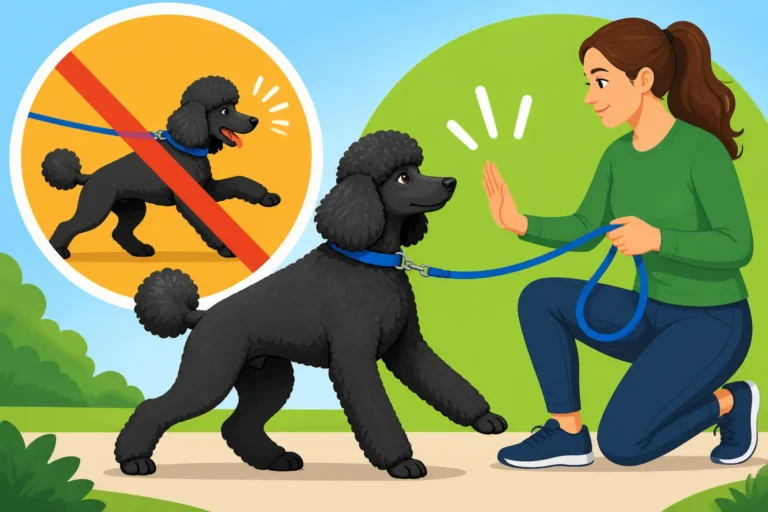
It's absolutely heartbreaking to see your Poodle in distress, and our natural instinct is often to scoop them up, cuddle them, and reassure them excessively. However, while gentle comfort is fine, over-the-top coddling can inadvertently reinforce their fear. Your Poodle is looking to you for cues. If you're stressed, frantic, or overly sympathetic, they might interpret that as confirmation that there genuinely is something to be terrified of. Instead, strive to be a calm, confident leader. Speak in a normal, soothing voice, maintain a relaxed demeanor, and project an air of "everything is okay." This doesn't mean ignoring them; it means providing calm reassurance without making a huge fuss. A gentle stroke, a quiet word, or simply sitting near them in their safe space can be incredibly comforting. The idea is to model the behavior you want them to adopt – that there's nothing truly dangerous happening. If you've ever had to Rebuilding Trust With a Frightened Poodle, you know how important your demeanor is to their emotional state.
Engaging Mental Stimulation
Distraction is a powerful tool against fear. If your Poodle can focus on something positive and engaging, it can help shift their attention away from the terrifying noises outside. This is where high-value, long-lasting chew toys, Kongs stuffed with frozen treats, or interactive puzzle feeders come into play. Present these enrichment items before the fireworks start, or as soon as you notice their anxiety beginning to build. The act of licking, chewing, and problem-solving releases endorphins, which are natural mood elevators and stress reducers. You can also engage them in a short, low-key training session in their safe room, practicing simple, familiar cues for high-value rewards. The goal is to make the internal experience of the fireworks positive by pairing it with things they love. Don't push them if they're too panicked to engage, but offer the opportunity. Even something as simple as Scent Games That Stretch a Poodle's Mind can provide a valuable distraction.
Pre-Fireworks Routine Adjustments
Preparation is paramount. If you know fireworks are likely (e.g., around holidays like New Year's Eve or the Fourth of July), adjust your Poodle's routine well in advance. Take them for their last potty break and exercise session before dusk, when fireworks are most likely to begin. A good, long walk or play session earlier in the day can help burn off some nervous energy, making them more inclined to rest later. Ensure they've had their dinner and water so they don't need to venture out during the peak noise. Close all windows and blinds, and set up their safe space before the first boom. Have your calming music or white noise ready to go. Consider feeding them slightly earlier than usual, perhaps with a stuffed Kong to encourage a positive association with the evening. The less you have to react during the fireworks, the calmer both you and your Poodle will be. This proactive approach helps to minimize surprises and maximize their sense of security.
Long-Term Desensitization and Training
While immediate management is crucial, addressing the underlying fear of fireworks requires a more consistent, long-term approach focused on desensitization and counter-conditioning.
Sound Desensitization Programs
The most effective long-term strategy for firework phobia is desensitization. This involves gradually exposing your Poodle to the sound of fireworks at a level that doesn't trigger a fear response, while pairing it with something positive. You can find recordings of firework sounds online or through specialized apps. Start by playing these sounds at a very low volume, almost imperceptible, while engaging your Poodle in a fun activity they love, like playing with their favorite toy or giving them high-value treats. The moment you see any sign of anxiety, lower the volume immediately. Over weeks and months, very slowly increase the volume, always staying below their fear threshold and always pairing it with positive reinforcement. The goal is to change their emotional association with the sound from fear to something neutral or even positive. This process requires immense patience and consistency, but it can be incredibly effective in rewiring their brain's response. It’s a bit like the dedicated work involved in Sound Work for a Noise-Sensitive Poodle.
An example: start by playing the firework sounds for just a few minutes while your Poodle enjoys a delicious frozen Kong. If they look up, lower the volume. If they continue to enjoy the Kong, slightly increase the volume next time. The trick is to keep it fun and never push them into a full panic.
Building General Resilience
A Poodle's overall confidence and resilience play a huge role in how they cope with stressors like fireworks. Focus on building their general sense of security and trust in you. Consistent positive reinforcement training, providing mental enrichment through puzzle toys, and ensuring they get adequate physical exercise can all contribute to a more balanced and confident dog. Expose them to a variety of safe, positive experiences when they are young, and continue this throughout their life. The more comfortable and secure your Poodle feels in the world and with you as their leader, the better equipped they will be to handle unexpected stressors. Training a Poodle That Outthinks You can be challenging but building that foundation of trust and consistent communication is key to resilience. Encourage independence by teaching them to enjoy quiet time in their crate or safe space even when there are no fireworks, so it doesn't become exclusively associated with fear.
When Professional Help is Needed
For some Poodles, the fear of fireworks is so deeply ingrained and severe that it borders on a true phobia. In these cases, home-based strategies and over-the-counter aids may not be enough, and it’s important to recognize when to seek professional intervention. Your first stop should always be your veterinarian. They can rule out any underlying medical conditions that might be exacerbating anxiety and can discuss prescription anti-anxiety medications. These medications aren't a "cure" but can significantly lower your Poodle's anxiety threshold, making them more receptive to desensitization training. Your vet might also recommend a certified professional dog trainer or a veterinary behaviorist who specializes in fear and anxiety. These experts can assess your Poodle's specific situation, develop a tailored behavior modification plan, and guide you through the process step-by-step. They might introduce advanced techniques or recommend specific protocols you hadn't considered. Resources like the BAXTER & Bella online puppy school, while often focused on general training, also provide excellent foundations for building confidence and good habits, which can indirectly aid in managing reactivity. They emphasize positive reinforcement, which is critical when dealing with a fearful Poodle. Don't hesitate to reach out for help; a professional can provide invaluable support and expertise to improve your Poodle's quality of life. Sometimes, fear can be so intense that Whether a Fearful Poodle Needs Sedation to Groom becomes a real question, showing the extent of some Poodle's sensitivities.
Disclaimer
This article is for general informational purposes only and does not constitute professional advice. Laws, prices and regulations vary by location and change over time. Consult a qualified professional for guidance on your specific situation.