The Age a Poodle Puppy Starts Learning
Bringing home a Poodle puppy is incredibly exciting, but it can also come with a whole lot of questions. One of the biggest concerns new owners often have is when to actually start training. There's a common misconception that you need to wait until a puppy is a few months old, perhaps after all their shots are done, before serious learning can begin. But the truth is, your Poodle puppy starts learning much, much earlier than you might imagine, absorbing information and cues from the moment they're born, if not before. This guide will walk you through the surprising timeline of a Poodle's learning journey and how you can best support it from day one.
More Than Just Obedience: The Foundations of Poodle Learning
When we think of a puppy learning, our minds often jump straight to formal obedience commands like "sit" or "stay." However, a Poodle's learning journey is far more intricate and begins long before they're ready for a leash and collar. This early learning lays the groundwork for their entire personality and how they interact with the world.
The Earliest Lessons: Before Puppy Comes Home
It might sound wild, but a Poodle puppy's education truly begins in the womb. Research suggests that puppies can be affected by their mother's stress levels during pregnancy. A calm, well-cared-for mother dog is more likely to produce puppies with more stable temperaments. Once born, the breeder plays an absolutely critical role. Early neurological stimulation, gentle handling, and exposure to different sounds and textures in the first few weeks of life can significantly influence a puppy's resilience and adaptability.
Think about it: a responsible breeder isn't just feeding and cleaning puppies. They're actively shaping little minds. They're ensuring the puppies hear household noises, are handled daily, and experience different surfaces. These seemingly small interactions are actually profound lessons in how to navigate a complex world. A puppy that has been exposed to varied gentle stimuli early on is often better equipped to handle new experiences later, reducing the likelihood of developing anxieties or fears that might otherwise surface.
The Critical Socialization Window for Poodles
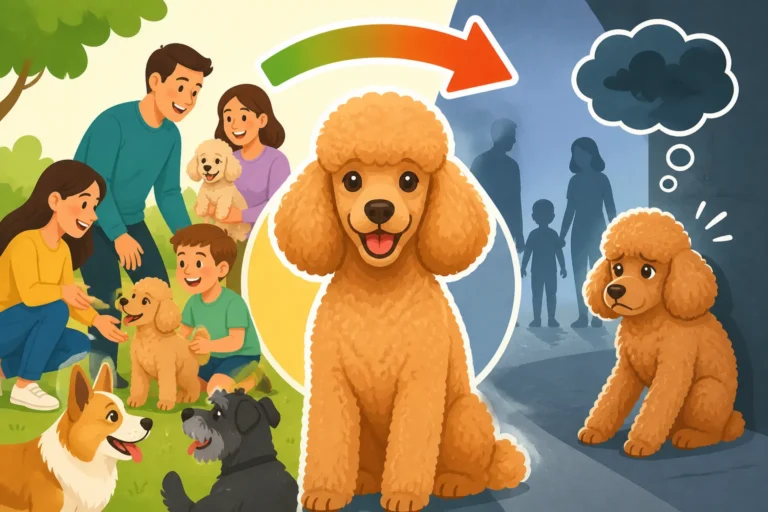
Perhaps the most crucial period for a Poodle puppy's learning and development is what we call the "socialization window," which typically runs from about 3 to 16 weeks of age. During this incredibly impressionable time, a puppy's brain is like a sponge, soaking up every experience, positive or negative, and categorizing it as safe or dangerous, normal or scary. This window closes rapidly, and after it's gone, it becomes much harder to introduce new things without eliciting fear or suspicion.
For a Poodle, known for their sensitivity and intelligence, this period is especially vital. Exposing them to a wide variety of sights, sounds, people, and other well-behaved animals before this window closes is paramount. This isn't just about meeting new friends; it's about building confidence and teaching your puppy that the world is a generally safe and interesting place. A puppy that misses out on this crucial socialization might grow up to be a fearful, reactive, or overly wary adult. Imagine a little Toy Poodle, only exposed to its littermates and immediate family, suddenly encountering a bustling park or a loud truck – it could be terrifying. That's why we emphasize how important it is for a puppy to experience What a Poodle Puppy Should Meet by Sixteen Weeks. These early, positive exposures are foundational for a well-adjusted Poodle.
Tapping Into That Poodle Brain: When Formal Training Begins
Once your Poodle puppy is home with you, usually around 8 weeks of age, the more structured, intentional training can truly begin. But don't think "formal classroom." Think "gentle guidance" and "fun games."
Poodle Intelligence and Its Impact on Learning Speed
Poodles are renowned for their intelligence. In fact, they consistently rank among the smartest dog breeds, often placing second only to Border Collies in terms of working and obedience intelligence. This means your Poodle puppy isn't just capable of learning early; they actually thrive on mental stimulation. Their bright minds crave engagement, and if they don't get it from you, they're likely to find their own "jobs" – which might involve things you'd rather they didn't do, like reorganizing your sofa cushions or counter-surfing for snacks.
Because of this innate intelligence, Poodles tend to pick up cues incredibly quickly. They often understand what you're asking after just a few repetitions, which is why trainers often say Why Poodles Learn a Cue in Five Repetitions. This quick uptake is a huge advantage, but it also means you need to be consistent and clear in your communication. They're smart enough to learn quickly, but also smart enough to learn bad habits just as fast if you're not careful. Think of it as a double-edged sword: a super-fast learner can also be a super-fast developer of unwanted behaviors if left to their own devices.
The Ideal Age for Introducing Basic Cues
While your puppy has been learning informally since birth, the sweet spot for introducing basic obedience cues like "sit," "down," "come," and their name is typically between 8 and 12 weeks of age. At this stage, their attention spans are still quite short, so training sessions need to be brief, fun, and highly rewarding. We're talking 3-5 minute bursts, several times a day, not long, arduous lessons.
The key is positive reinforcement. Use high-value treats (tiny pieces of cooked chicken or cheese work wonders) and enthusiastic praise. You want your puppy to associate learning with joy and deliciousness, not pressure or boredom. For a Poodle, who can be quite sensitive, positive reinforcement is particularly effective. They'll shut down quickly if treated harshly. Keep it light, keep it fun, and always end on a high note. If you're wondering about the length of these sessions, remember that How Long a Poodle Training Session Should Run is usually shorter than you think for a young pup.
Here's a quick overview of developmental stages and their associated learning milestones:
| Age Range | Key Developmental Stage | Primary Learning Focus | Owner's Role |
|---|---|---|---|
| 0-3 Weeks | Neonatal/Transition Period | Sensory development, maternal bonding | Breeder ensures clean, safe environment, gentle handling. Limited owner interaction if not the breeder. |
| 3-8 Weeks | Socialization/Awareness Period | Bite inhibition, littermate interaction, environmental exposure | Breeder provides varied stimuli (sounds, textures, gentle handling), introduces potty area. Owner researches breeder, plans for homecoming. |
| 8-16 Weeks | Fear/Juvenile Period | Basic obedience, house training, advanced socialization | Owner initiates short, positive training sessions, consistent potty schedule, safe and varied socialization experiences. Focus on name recognition, "sit," "come," crate training, and House Training a Toy Poodle. |
| 4-6 Months | Adolescence Begins | Refining obedience, managing "teenager" behaviors | Continue training, introduce more complex cues, manage burgeoning independence, maintain socialization, prepare for coat change. Understand When a Poodle Puppy Coat Changes. |
| 6 Months – 1 Year | Adolescence/Independence | Solidifying training, engaging in dog sports, managing puberty | Consistent boundaries, continued mental and physical exercise. Explore dog sports like agility or rally. Reinforce all basic cues, dealing with increased energy and focus challenges. |
Cultivating a Smart Poodle: Practical Strategies for Owners
So, you've got this smart, eager-to-learn Poodle puppy at home. What are the best ways to nurture that intelligence and set them up for a lifetime of good behavior and happiness?
Creating a Stimulating and Safe Learning Environment
A Poodle puppy learns from everything around them, not just formal lessons. Your home environment plays a huge role in their development. Start by puppy-proofing your home to ensure their safety and your peace of mind. Provide a variety of safe, engaging toys – chew toys, puzzle feeders, and soft comfort toys are all great. Puzzle feeders are particularly fantastic for Poodles, as they engage their problem-solving skills and make mealtime a mental exercise rather than just a quick gulp.
Consistency is key. Establish a predictable routine for feeding, potty breaks, playtime, and rest. Poodles thrive on routine, and knowing what to expect reduces anxiety. A designated, comfortable crate can become a safe den for your puppy, where they can relax and feel secure. This is an essential tool for house training and can greatly assist with Crate Training a Poodle That Wants Company. Having their own space helps them learn independence and control, which is vital for such a companion-oriented breed.
Essential Early Training: Beyond "Sit" and "Stay"
While "sit" and "stay" are great starting points, think broadly about what your Poodle needs to learn to be a well-adjusted member of your family.
- Name Recognition: Make hearing their name a positive experience. Say it, then immediately give a treat. Never use their name when scolding.
- House Training: This is paramount. Consistent potty breaks, lavish praise for success outside, and quick, quiet clean-ups for accidents indoors are essential. Even a Toy Poodle with a tiny bladder needs consistent trips outside, even in cold weather.
- Handling and Grooming: Poodles require extensive grooming, so teaching them to tolerate being touched all over – paws, ears, mouth, tail – from a young age is critical. Make it a positive experience with treats and praise. Starting early will make future professional grooming sessions much less stressful for everyone involved. Think about topics like teaching a Poodle to enjoy grooming right from the start.
- Leash Introduction: Even if you can't go on full walks yet, get your puppy used to wearing a lightweight collar or harness and a leash for short periods around the house. This makes the transition to outdoor adventures much smoother.
- "Come" (Recall): This is arguably the most important cue for safety. Practice it in a quiet, confined space, making it super fun and rewarding every time they come when called.
Leveraging Modern Resources for Early Learning
You're not alone in this journey! There are fantastic resources available today that can help you navigate puppyhood and make the most of your Poodle's early learning. Online puppy training programs offer structured lessons you can do at home, at your own pace. For instance, programs like those offered by BAXTER & Bella provide comprehensive, step-by-step guidance that covers everything from basic obedience to problem-solving, all with a positive reinforcement approach. This can be a lifesaver for busy new owners, ensuring you're teaching correctly from the start.
You can also find all the tools you need through platforms like Amazon. From puppy-sized clickers and training treats to sturdy leashes and engaging puzzle toys, having the right equipment makes a huge difference. A clicker, in particular, is an excellent tool for a fast-learning Poodle because it precisely marks the exact moment they perform the desired behavior, making it crystal clear for them what they've done right. If you're using a clicker, remember the importance of Clicker Timing With a Fast-Learning Poodle to maximize its effectiveness.
Common Roadblocks and How to Navigate Them
Even with the smartest Poodle and the best intentions, puppy training can present challenges. Knowing what to expect and how to address it can make a world of difference.
Avoiding Burnout and Overwhelm in Young Poodles
Because Poodles are so intelligent and eager to please, it's easy for enthusiastic owners to fall into the trap of doing "too much, too soon." Long, repetitive training sessions can lead to boredom, frustration, and even stress for your puppy. A Poodle puppy, no matter how smart, still has a developing brain and a short attention span. Pushing them past their limit can make them dislike training, or worse, develop negative associations with learning.
Instead, keep training sessions short (3-5 minutes, remember?), frequent, and fun. End on a positive note before your puppy gets bored or makes a mistake. If you notice signs of disengagement – excessive sniffing, looking away, or "tuning out" – it's time to take a break. Remember, Why a Bright Poodle Gets Bored is often a sign that they need a change of pace or a different kind of mental challenge. Vary your activities, mix in playtime, and ensure they get plenty of rest.
The Lifelong Journey of a Learning Poodle
Learning doesn't stop once your Poodle puppy masters "sit" and is reliably house-trained. For such an intelligent breed, learning is a lifelong journey. As they grow through adolescence and into adulthood, their minds continue to need engagement and new challenges. Without this, even the best-trained Poodle can become bored, leading to destructive behaviors or a decline in their obedience.
Continue to teach new tricks, explore dog sports like agility or obedience, or engage in scent work. These activities not only keep their minds sharp but also strengthen your bond. Many Poodles excel in activities that lead to titles, such as Poodle Obedience and Rally Titles, showcasing their exceptional capabilities. Even in their senior years, gentle mental exercises can help keep their cognitive function strong. Providing Keeping a Poodle Mind Occupied throughout their life is one of the greatest gifts you can give your intelligent companion.
Disclaimer
This article is for general informational purposes only and does not constitute professional advice. Laws, prices and regulations vary by location and change over time. Consult a qualified professional for guidance on your specific situation.